
Discover why cooking bacon in the oven 11 is the ultimate game-changer for perfect results. This method delivers evenly crisp strips without constant flipping, messy splatters, or uneven cooking. Get restaurant-quality bacon at home with minimal effort and maximum flavor every single time.
Key Takeaways
- Preheat properly: Always preheat your oven to 400°F (200°C) for consistent rendering and crispness. Skipping this leads to greasy, uneven bacon.
- Use a rack: Elevating bacon on a wire rack inside a baking sheet allows hot air to circulate, ensuring crispy results on both sides without steaming.
- Don’t overcrowd: Leave space between strips (about 1 inch) so fat can render properly. Crowding causes steaming and soggy bacon.
- Check early, check often: Bacon cooks fast! Start checking at 12 minutes for standard thickness. Thicker cuts need 15-18 minutes. It keeps cooking on the hot pan.
- Drain wisely: Transfer bacon to paper towels immediately after baking. Pour rendered fat into a heatproof container for reuse (strain it first!).
- Save the fat: Oven-rendered bacon fat is liquid gold for frying eggs, roasting veggies, or adding flavor to soups. Store it in the fridge for months.
Quick Answers to Common Questions
How long does it take to cook bacon in the oven 11?
Standard bacon takes 12-15 minutes at 400°F. Thick-cut bacon needs 15-18 minutes. Always start checking at 12 minutes and adjust based on your oven and desired crispness.
Can I cook frozen bacon in the oven?
Yes, but add 3-5 minutes to the cooking time. Place frozen strips directly on the rack—no need to thaw. They may release more water initially, so ensure proper spacing to avoid steaming.
What temperature should I bake bacon for perfect crispness?
400°F (200°C) is ideal for most bacon. For sugar-glazed varieties, reduce to 375°F (190°C) to prevent burning the sugar while ensuring the bacon cooks through.
Why use a wire rack instead of baking directly on the sheet?
The rack allows air circulation around the bacon, preventing steaming and ensuring both sides crisp evenly. Baking directly on the sheet traps fat underneath, leading to soggy results.
How do I know when oven-baked bacon is done?
Look for deep golden brown color, rendered fat with subsiding bubbles, and slightly curled edges. It should feel firm but flexible. Remember it firms up more as it cools—pull it out when it’s just shy of your ideal crispness.
📑 Table of Contents
- Why Cooking Bacon in the Oven 11 Beats the Stovetop Every Time
- Your Essential Toolkit for Oven-Baked Bacon Perfection
- Step-by-Step: Mastering Cooking Bacon in the Oven 11
- Pro Tips for Next-Level Oven-Baked Bacon
- Troubleshooting Common Oven Bacon Problems
- Creative Ways to Use Your Perfect Oven-Bacon
- Conclusion: Your Foolproof Path to Bacon Bliss
Why Cooking Bacon in the Oven 11 Beats the Stovetop Every Time
Let’s be real: stovetop bacon is a messy, unpredictable adventure. You’re stuck babysitting a splattering pan, flipping strips at just the right moment, and praying you don’t end up with half-crisp, half-burnt casualties. Sound familiar? That’s where cooking bacon in the oven 11 transforms your breakfast (or brunch, or dinner!) from stressful to sublime. This isn’t just another oven method—it’s the refined, foolproof technique perfected over countless batches to deliver perfectly crisp, evenly cooked bacon with minimal effort and zero splatter chaos.
The magic lies in the oven’s gentle, consistent heat. Unlike the intense, direct flame of a stovetop burner that cooks one side unevenly, the oven surrounds the bacon with radiant heat. This allows the fat to render slowly and evenly from both sides simultaneously. No more frantic flipping! The result? Strips that are uniformly golden, beautifully crisp, and packed with that deep, smoky flavor we all crave. Plus, you free up your stovetop for eggs, pancakes, or coffee—making your morning routine smoother and more enjoyable. Cooking bacon in the oven 11 is truly the set-it-and-forget-it hero your kitchen needs.
Your Essential Toolkit for Oven-Baked Bacon Perfection
You don’t need fancy gadgets to master cooking bacon in the oven 11. A few basic, reliable tools make all the difference between great results and a greasy disaster. Let’s break down exactly what you need and why each piece matters.
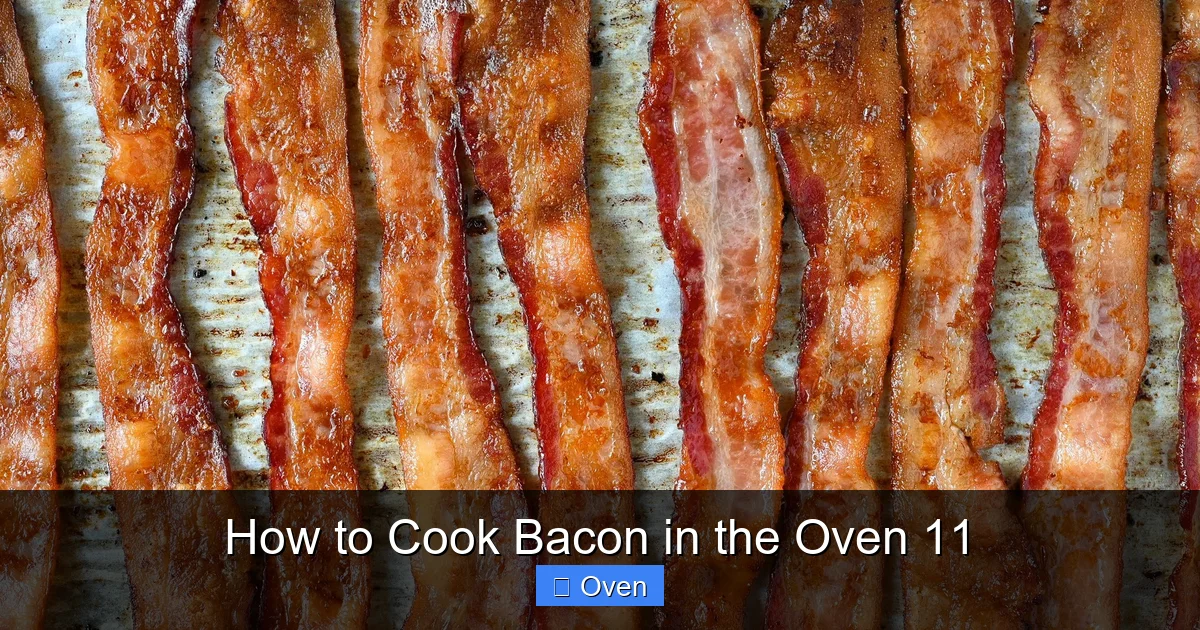
Visual guide about How to Cook Bacon in the Oven 11
Image source: onceuponachef.com
The Non-Negotiable: Baking Sheet + Wire Rack
This duo is the heart of the method. Start with a sturdy, rimmed baking sheet (also called a jelly roll pan). The rim catches all that precious rendered fat, preventing dangerous spills in your oven. But the real star is the wire cooling rack that fits inside the sheet. Why? Elevating the bacon allows hot air to circulate completely around each strip. This prevents the bottom from steaming in its own fat, which is the #1 cause of soggy bacon. If you skip the rack and lay bacon directly on the sheet, you’ll get limp, greasy results—no matter how long you bake it. Pro tip: Choose a rack with thin wires for maximum airflow.
Foil or Parchment? The Great Lining Debate
Line your baking sheet with heavy-duty aluminum foil for the easiest cleanup. It’s heat-resistant and creates a non-stick surface. Some prefer parchment paper, but it can curl at high temps—foil is more reliable. Never use wax paper; it will melt and smoke! If you’re eco-conscious, skip lining and opt for a dark, non-stick baking sheet (light-colored pans can cause uneven browning). Just be prepared for a bit more scrubbing later.
Other Helpful Helpers
- Paper towels: Essential for draining bacon immediately after baking. Keep a stack ready on a plate.
- Heatproof container: Have a glass jar or metal bowl ready to pour rendered fat into. Never pour hot fat down the drain!
- Tongs or fork: For safely transferring bacon to paper towels. Avoid touching hot strips directly.
- Instant-read thermometer (optional but great): Bacon is done at 150°F (65°C) internal temp. Visual cues are usually sufficient, but this takes guesswork out.
With these tools prepped, you’re set for stress-free cooking bacon in the oven 11. No special equipment required—just smart basics.
Step-by-Step: Mastering Cooking Bacon in the Oven 11
Now for the fun part! This method works for any bacon type (regular, thick-cut, maple-glazed, turkey). Follow these steps precisely for foolproof results every time.
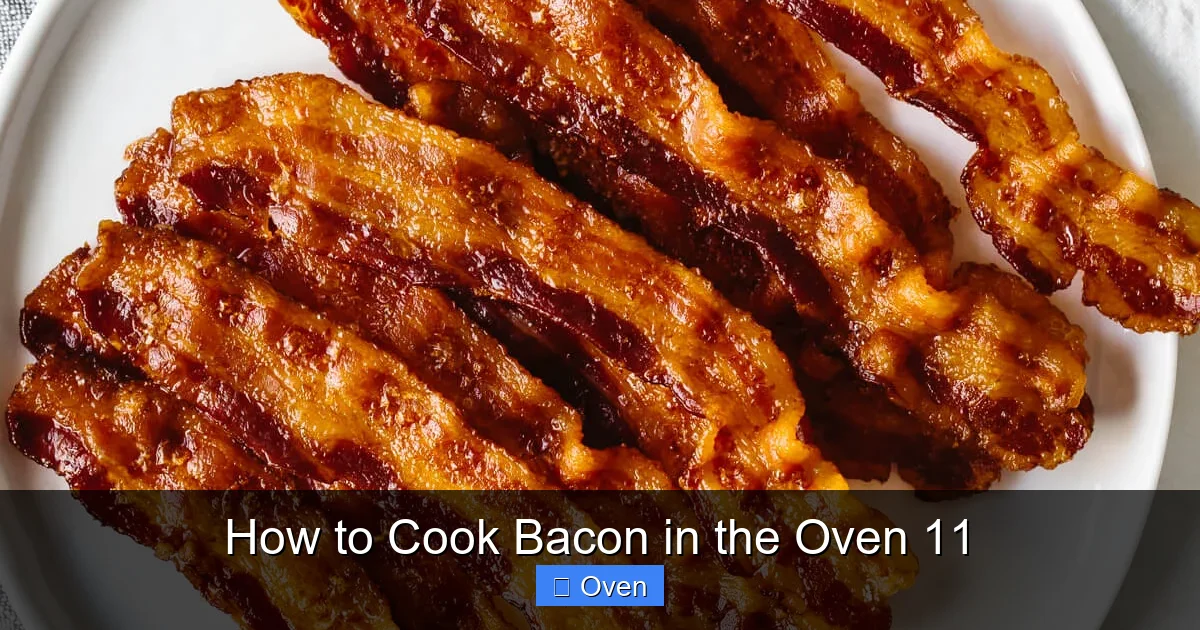
Visual guide about How to Cook Bacon in the Oven 11
Image source: topchefrecipe.com
Step 1: Prep Like a Pro
First, preheat your oven to 400°F (200°C). This high temp ensures rapid rendering and crispness without burning. While it heats, line your baking sheet with foil and place the wire rack inside. If your bacon is very cold from the fridge, let it sit at room temp for 10-15 minutes. Cold bacon hits the hot rack and can cause uneven cooking as the fat renders too slowly at first.
Step 2: Arrange with Space
Unroll your bacon strips and lay them on the wire rack. Crucial: Leave about 1 inch of space between each strip. Overcrowding traps steam, leading to soggy bacon. If you have more bacon than fits comfortably, bake it in batches. It’s better to cook two perfect pans than one mediocre mountain of bacon. For thick-cut bacon, you might fit fewer strips—prioritize space over quantity.
Step 3: Bake to Golden Perfection
Place the baking sheet on the center oven rack. Set your timer for 12 minutes for standard thickness bacon (like typical grocery store brands). For thick-cut bacon (often labeled “artisan” or “restaurant style”), start checking at 15 minutes. Remember: Bacon continues cooking on the hot rack after removal (carryover cooking), so pull it out when it’s just shy of your ideal crispness. You want it to look slightly underdone when you take it out—it will firm up perfectly on the paper towels.
Step 4: The Critical Check-In
At the 12-minute mark (or 15 for thick-cut), peek at your bacon. Look for:
- Deep golden brown color (not pale yellow or dark black)
- Fat mostly rendered out, with bubbles subsiding
- Edges curling slightly and looking crisp
If it needs more time, check every 2 minutes. Bacon goes from perfect to burnt incredibly fast—don’t walk away! For sugar-cured bacon (like maple or brown sugar), watch closely as sugar caramelizes quickly and can burn.
Step 5: Drain and Serve Immediately
Using tongs, transfer bacon strips to a plate lined with paper towels. Blot the top gently with another paper towel to remove excess surface fat. This step is key for that perfect crisp texture. Let it rest for 2 minutes—this allows residual heat to finish the cooking and makes it easier to handle. Serve hot! Oven-baked bacon stays crisp longer than stovetop versions because it’s not sitting in pooled fat.
Step 6: Handle the Fat Like a Chef
Carefully pour the rendered fat from the baking sheet into your heatproof container. Let it cool slightly, then strain it through a fine-mesh sieve or cheesecloth into a jar to remove bits. Store covered in the fridge for up to 3 months. Use it to fry eggs, roast potatoes, or add depth to soups and stews. This liquid gold is one of the biggest perks of cooking bacon in the oven 11!
Pro Tips for Next-Level Oven-Baked Bacon
Master the basics? These insider tricks will elevate your cooking bacon in the oven 11 from great to extraordinary.

Visual guide about How to Cook Bacon in the Oven 11
Image source: wholesomeyum.com
Thick-Cut Bacon: Your Secret Weapon
Thick-cut bacon (usually 1/8 to 1/4 inch thick) is ideal for oven baking. Its extra meatiness holds up better to longer cooking times, resulting in a chewier, more substantial texture with less shrinkage. Standard bacon often gets too brittle. If you can find it, seek out thick-cut—it makes a noticeable difference. Bake it 3-5 minutes longer than regular bacon, but keep a close eye near the end.
Sweet Glazes: Timing is Everything
Love maple or brown sugar bacon? Add glazes in the last 3-5 minutes of baking. Brushing sugar on too early causes burning before the bacon is cooked through. For a simple glaze, mix 2 tbsp maple syrup with 1 tsp smoked paprika. Brush lightly over bacon strips near the end of baking. Watch like a hawk—sugar caramelizes in seconds!
Flavor Boosters While Baking
Infuse your bacon with extra flavor by adding aromatics to the baking sheet (not touching the bacon):
- Sprigs of fresh rosemary or thyme
- Whole peppercorns or crushed red pepper flakes
- A few garlic cloves, smashed
The heat releases their oils into the fat, subtly seasoning the bacon. Remove aromatics before serving.
Turkey Bacon: A Healthier Twist
Turkey bacon behaves differently—it’s leaner and cooks faster. Bake at 375°F (190°C) for 10-12 minutes. It won’t render as much fat, so you might need to lightly spray the rack with oil to prevent sticking. Check early, as it can dry out quickly. The oven method still beats stovetop for even cooking with turkey bacon.
Batch Cooking for Busy Mornings
Cook a big batch on Sunday! Bake extra bacon, drain well, and cool completely. Store in an airtight container in the fridge for up to 5 days. Reheat in a 300°F (150°C) oven for 5-7 minutes until crisp again—never microwave, as it makes bacon tough. This is a lifesaver for hectic weekdays.
Troubleshooting Common Oven Bacon Problems
Even with the best method, hiccups happen. Here’s how to fix the most frequent issues when cooking bacon in the oven 11.
Why Is My Bacon Soggy or Chewy?
This usually means overcrowding the rack or baking at too low a temperature. Steam trapped between strips prevents proper crisping. Solution: Always leave space between bacon pieces and ensure your oven is fully preheated to 400°F. If it’s still soggy, your oven might run cool—use an oven thermometer to verify the temp.
Burnt Edges But Raw Middle?
Typically caused by uneven oven heat or bacon touching the rack wires. Rotate the baking sheet halfway through cooking if your oven has hot spots. Ensure strips aren’t folded or overlapping. For thick-cut bacon, you might need to lower the temp to 375°F and extend time by 3-5 minutes for even cooking.
Too Much Shrinkage?
Bacon naturally shrinks as fat renders, but excessive shrinkage often means overcooking or using very lean bacon. Pull it out 1-2 minutes earlier next time. Thick-cut bacon shrinks less than regular. Remember: It firms up as it cools.
Greasy Bacon Despite Draining?
This happens if you bake bacon directly on the sheet (no rack) or don’t drain properly. Always use the wire rack! After transferring to paper towels, press gently with another towel to absorb surface fat. Let it rest 2 minutes before serving—this allows excess fat to soak in.
Why Is My Bacon Pale and Flabby?
Likely undercooked or baked at too low a temp. Bacon needs high heat to render fat and crisp up. Ensure your oven hits 400°F. If it’s still pale at 15 minutes, bake 2-3 more minutes. Sugar-cured bacon browns faster—adjust timing accordingly.
Oven Smokes During Baking?
Usually from excess fat dripping onto the oven floor. Always use a rimmed baking sheet! If smoking persists, reduce temp to 375°F and extend time slightly. Clean your oven regularly to prevent built-up grease from igniting.
Creative Ways to Use Your Perfect Oven-Bacon
Once you’ve mastered cooking bacon in the oven 11, don’t limit it to just breakfast! This versatile ingredient elevates countless dishes.
Beyond the Plate: Savory Applications
- Bacon-Wrapped Dates: Stuff pitted dates with goat cheese, wrap in half a strip of oven-baked bacon, and bake at 375°F for 10 minutes until crisp. A showstopper appetizer.
- BLT Pasta: Toss cooked pasta with crumbled bacon, diced tomatoes, arugula, and a simple garlic-lemon sauce. Ready in 15 minutes.
- Bacon Fat Roasted Veggies: Toss chopped potatoes, Brussels sprouts, or carrots in reserved bacon fat. Roast at 425°F until caramelized and tender.
- Breakfast Burritos: Layer scrambled eggs, oven-baked bacon, black beans, and salsa in a tortilla. Freeze for grab-and-go meals.
Sweet & Salty Magic
- Bacon Chocolate Chip Cookies: Add crumbled crisp bacon to your favorite cookie dough. The saltiness balances the sweetness perfectly.
- Bacon-Infused Maple Syrup: Simmer 4 strips of crumbled bacon in 1 cup maple syrup for 10 minutes. Strain and drizzle over pancakes or waffles.
- Bacon-Wrapped Scallops: Wrap large scallops in half-strips of bacon. Secure with toothpicks and sear in a hot pan (the oven-baked bacon ensures it won’t fall off).
Make-Ahead Magic
Oven-baked bacon is ideal for meal prep. Bake a large batch, cool completely, and store in the fridge. Reheat slices in a dry skillet over medium heat for 1-2 minutes per side to restore crispness. Use within 5 days. For longer storage, freeze cooked bacon between parchment paper in a zip-top bag for up to 3 months. Thaw in the fridge before reheating.
Conclusion: Your Foolproof Path to Bacon Bliss
Cooking bacon in the oven 11 isn’t just a method—it’s a revelation. By embracing this approach, you’ve unlocked the secret to consistently perfect bacon: evenly crisp, deeply flavorful, and free from the splatter and stress of stovetop cooking. The beauty lies in its simplicity—preheat, arrange, bake, and enjoy. No more babysitting pans or dealing with uneven results. Just set your timer, pour a cup of coffee, and let the oven work its magic.
Remember the core principles: always use a wire rack, don’t overcrowd, and pull the bacon out just before it looks done. Save that precious rendered fat—it’s a flavor powerhouse waiting to transform your next meal. Whether you’re making a quick breakfast, prepping for a brunch crowd, or adding bacon to a gourmet dish, this technique delivers reliability and quality every single time. So ditch the splatter guard and embrace the oven. Your taste buds (and your stovetop) will thank you. Now go forth and bake some bacon—your perfect strip awaits!
Frequently Asked Questions
Can I use convection mode for cooking bacon in the oven 11?
Yes, but reduce the temperature by 25°F (to 375°F) and check 2-3 minutes earlier. Convection circulates hot air more intensely, which can cause bacon to cook faster and potentially dry out if not monitored closely.
Is oven-baked bacon healthier than pan-fried?
Oven baking allows more fat to drain away compared to stovetop cooking, where bacon often sits in pooled grease. Using a rack maximizes this benefit, resulting in slightly less fat absorption per slice.
How should I store leftover oven-baked bacon?
Cool completely, then store in an airtight container in the refrigerator for up to 5 days. For best texture when reheating, use a 300°F oven for 5-7 minutes instead of a microwave, which can make it tough.
Can I cook bacon in a toaster oven?
Absolutely! Use the same method: rack on a small baking sheet, 400°F, and check early (8-12 minutes). Toaster ovens heat faster and have smaller cavities, so monitor closely to avoid burning.
Why does my bacon shrink so much in the oven?
Shrinkage is normal as fat renders out—up to 50% is common. Thick-cut bacon shrinks less. Excessive shrinkage usually means overcooking; pull it out 1-2 minutes earlier next time for a meatier texture.
What’s the best way to reheat oven-baked bacon?
For crispy results, place bacon on a wire rack over a baking sheet and heat in a 300°F oven for 5-7 minutes. Avoid microwaving, as it steams the bacon and makes it chewy. Skillet reheating also works but requires more attention.