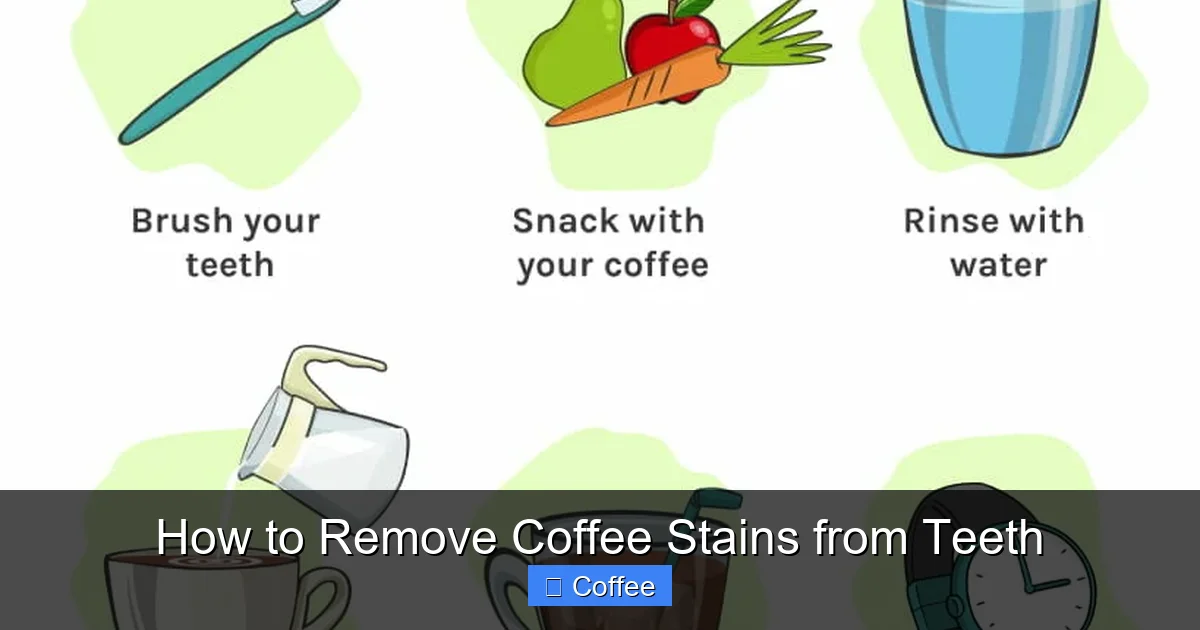
Discover effective ways to remove coffee stains from teeth using both professional treatments and safe home remedies. Prevention is key—simple habits like rinsing after coffee can significantly reduce staining over time. Consistency with the right methods will restore your bright smile without damaging enamel.
Key Takeaways
- Prevention beats correction: Rinse with water immediately after coffee and use a straw to minimize contact with teeth.
- Professional cleaning is most effective: Dentists can safely remove deep stains with scaling and polishing during routine checkups.
- Home remedies require caution: Baking soda or hydrogen peroxide can help but overuse risks enamel erosion—limit to 1-2 times weekly.
- Timing matters: Wait 30-60 minutes after coffee before brushing to avoid grinding stains into softened enamel.
- Consistency is crucial: Daily habits like oil pulling or whitening toothpaste maintain results better than occasional treatments.
- Avoid quick fixes: Charcoal toothpaste and lemon juice are abrasive and can cause long-term damage to tooth surfaces.
Quick Answers to Common Questions
Can I brush my teeth right after coffee?
No! Wait 30-60 minutes before brushing. Coffee softens enamel, and brushing too soon grinds stains deeper while wearing down protective layers.
Do whitening strips work for coffee stains?
Yes, but choose ADA-approved strips with low peroxide concentrations (5-10%). Use for 1-2 weeks max to avoid sensitivity. Best for mild stains.
How often should I get professional cleanings?
Every 6 months is ideal for most people. If you drink coffee daily, ask your hygienist about “stain removal” polishing during visits.
Is oil pulling safe for daily use?
Yes! Coconut oil pulling is gentle and can be done daily. It reduces bacteria and lifts surface stains without harming enamel.
Why do my teeth stain faster as I age?
Enamel thins with age, revealing more of the yellow dentin underneath. Coffee tannins also penetrate deeper into worn enamel over time.
📑 Table of Contents
- Why Coffee Leaves Stains on Your Teeth (And Why It’s So Stubborn)
- Prevention: Stop Stains Before They Start
- Professional Solutions: What Dentists Recommend
- Safe Home Remedies That Actually Work
- What NOT to Do: Dangerous DIY Trends
- Maintaining Your Bright Smile Long-Term
- Conclusion: Your Path to a Confident Smile
Why Coffee Leaves Stains on Your Teeth (And Why It’s So Stubborn)
That morning cup of coffee is non-negotiable for most of us. But if you’ve ever glanced in the mirror and noticed yellow or brown patches on your teeth, you’re not alone. Coffee stains are one of the most common cosmetic dental concerns worldwide. The culprit? Tannins—a type of polyphenol that gives coffee its rich color and bitter taste. These compounds latch onto the microscopic pores in your tooth enamel, especially when combined with acids in coffee that temporarily soften the surface.
Unlike food particles that brush away easily, coffee stains embed themselves deep into enamel over time. The longer you’ve been drinking coffee daily, the more stubborn these stains become. Even if you brush regularly, tannins can cling to teeth like glue, turning a bright smile dull and discolored. This isn’t just a cosmetic issue—it can affect confidence in social or professional settings. The good news? Understanding how stains form is the first step to removing them effectively. Whether you’ve had coffee stains for weeks or years, solutions exist that won’t harm your teeth.
Prevention: Stop Stains Before They Start
The easiest way to remove coffee stains from teeth is to prevent them from setting in the first place. Think of your teeth like a white shirt—spills are easier to clean if you act fast. Simple daily habits can make a huge difference without overhauling your routine.
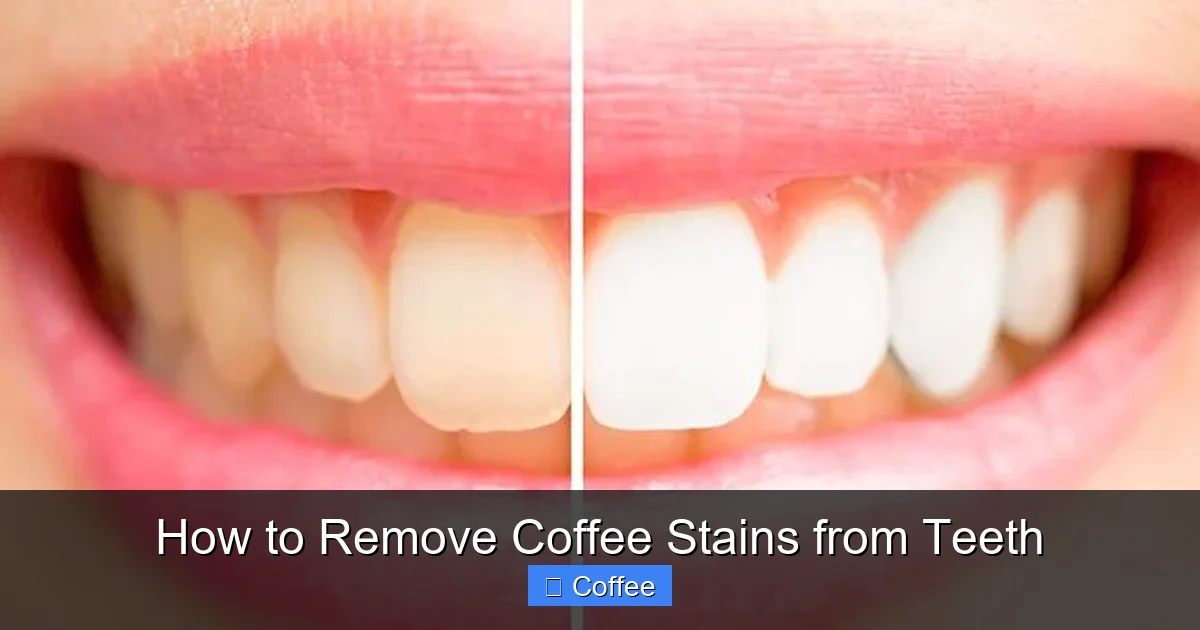
Visual guide about How to Remove Coffee Stains from Teeth
Image source: riverstonefamilydental.com
Rinse Immediately After Sipping
Swish plain water in your mouth right after finishing coffee. This washes away tannins before they penetrate enamel. Keep a water bottle at your desk or in your bag—it takes just 10 seconds but reduces staining by up to 60% according to dental studies. No water handy? Chewing sugar-free gum stimulates saliva, which naturally cleanses teeth.
Use a Straw (Yes, Really!)
Drinking coffee through a straw minimizes contact with front teeth—the most visible areas. Opt for reusable silicone or glass straws to avoid plastic waste. Place the straw toward the back of your mouth so liquid bypasses teeth entirely. This trick is especially useful for iced coffee lovers.
Timing Your Brushing Right
Never brush immediately after coffee! Coffee’s acidity softens enamel for 30-60 minutes. Brushing too soon grinds stains deeper and wears down protective layers. Instead, rinse with water first, then wait before brushing. Pair this with a whitening toothpaste containing mild abrasives like silica for gentle stain lifting.
Professional Solutions: What Dentists Recommend
For deep-set stains, professional help is often the safest and most effective route. Dentists have tools and techniques that home remedies can’t match—without risking enamel damage.
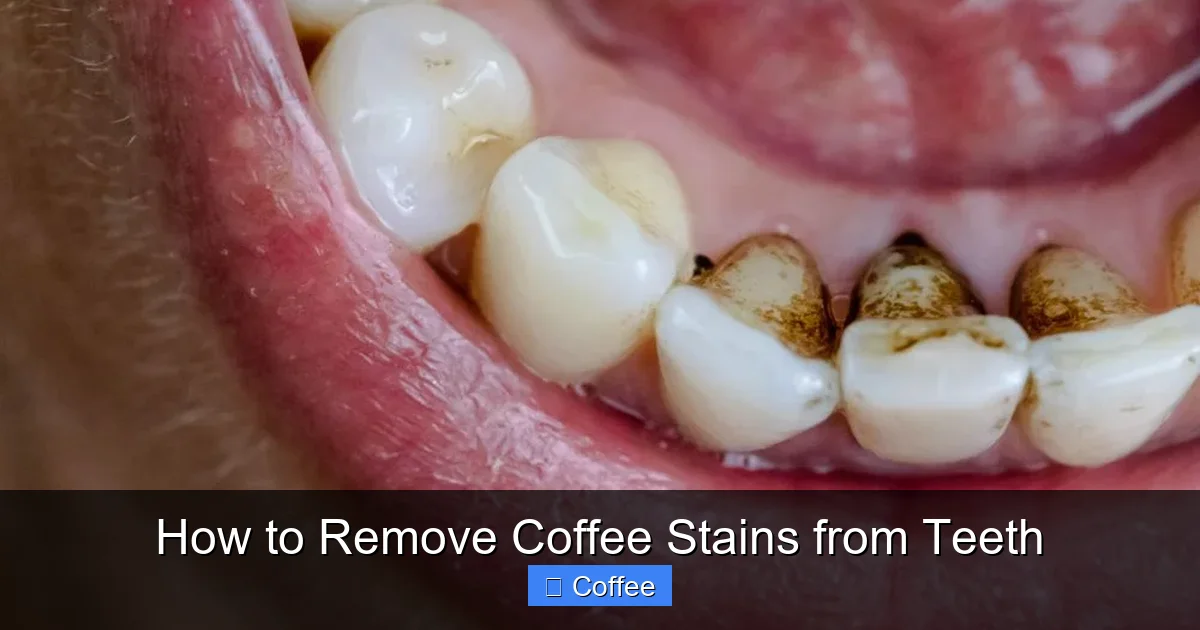
Visual guide about How to Remove Coffee Stains from Teeth
Image source: dralex.nyc
Scaling and Polishing
During a routine cleaning, your hygienist uses ultrasonic scalers to break up tartar and surface stains. This is followed by polishing with a gritty paste that buffs away coffee residue. Most people see noticeable improvement after just one session. Aim for cleanings every 6 months—it’s covered by most insurance plans and prevents stains from becoming permanent.
Professional Whitening Treatments
If stains persist, in-office whitening uses high-concentration peroxide gels activated by special lights. Results appear in 45 minutes, brightening teeth 3-8 shades. For maintenance, dentists offer take-home trays with custom-fitted molds and professional-grade gel. Unlike drugstore strips, these adapt perfectly to your teeth for even results.
When to Consider Veneers or Bonding
For severe, years-long staining that resists whitening, cosmetic options like porcelain veneers or composite bonding cover discoloration permanently. These are ideal if you also have chips or gaps. While more expensive, they deliver instant, natural-looking results that last 10-15 years.
Safe Home Remedies That Actually Work
Not ready for the dentist? Some home methods can lighten mild stains when used correctly. The key is gentleness—avoid anything abrasive or acidic.
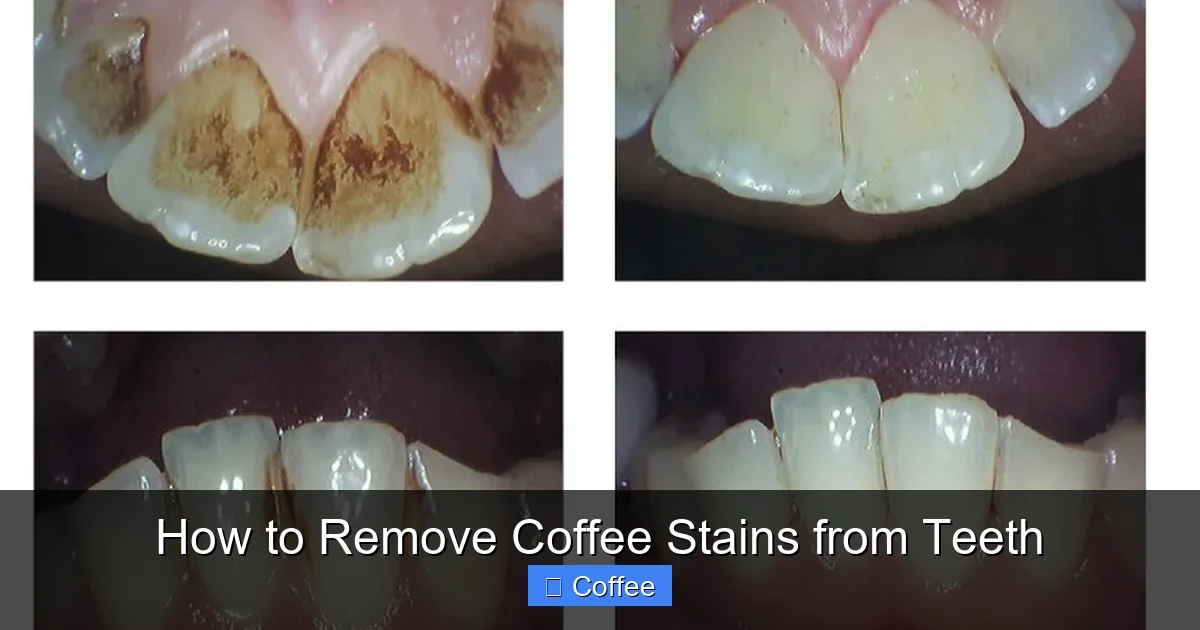
Visual guide about How to Remove Coffee Stains from Teeth
Image source: creating-smiles.com
Baking Soda Paste (The Right Way)
Mix 1 teaspoon baking soda with a few drops of water to form a paste. Apply with a soft toothbrush and gently massage for 30 seconds, then rinse. Baking soda’s mild abrasiveness lifts surface stains, while its alkaline nature neutralizes acids. Limit use to twice weekly—overdoing it can scratch enamel.
Hydrogen Peroxide Rinse
Dilute 3% hydrogen peroxide with equal parts water. Swish for 30 seconds daily before brushing. Peroxide breaks down tannins without harsh chemicals. Never use undiluted peroxide, and stop if you experience sensitivity. This works best for recent stains.
Oil Pulling with Coconut Oil
Swish 1 tablespoon of coconut oil in your mouth for 15-20 minutes each morning. The oil binds to bacteria and stains, pulling them away from teeth. Spit into the trash (not sink!) and rinse with water. Studies show it reduces plaque by 50%—great for maintenance between dental visits.
Whitening Toothpastes: What to Look For
Choose pastes with ADA Seal of Acceptance and ingredients like potassium nitrate (for sensitivity) or activated charcoal (in moderation). Avoid “extra whitening” claims with high RDA values—anything over 100 may damage enamel. Use consistently for 4-6 weeks to see results.
What NOT to Do: Dangerous DIY Trends
The internet is full of stain-removal hacks, but many do more harm than good. Protect your enamel by avoiding these:
Lemon Juice or Vinegar “Brighteners”
Acidic liquids like lemon juice erode enamel, making teeth more prone to staining and decay. One study found lemon juice reduced enamel hardness by 84% in just 5 minutes. Skip the citrus—rinse with water instead.
Charcoal Toothpaste Overuse
While charcoal absorbs surface stains, its gritty texture acts like sandpaper on enamel. Long-term use creates micro-scratches that trap future stains. If you try it, limit to once a month and follow with fluoride rinse.
Bleach or Aspirin Pastes
Never apply household bleach or crushed aspirin to teeth. These cause chemical burns, gum irritation, and irreversible enamel loss. Stick to dentist-approved products only.
Maintaining Your Bright Smile Long-Term
Removing coffee stains is just the beginning—keeping them away requires smart habits. Think of it like skincare: consistency beats intensity.
Daily Defense Routine
After coffee, rinse with water. Wait 30 minutes, then brush with fluoride toothpaste. At night, floss to remove plaque between teeth where stains hide. Add a whitening mouthwash 2-3 times weekly for extra protection.
Diet Tweaks That Help
Pair coffee with stain-fighting foods: crunchy apples or celery act as natural toothbrushes, while cheese neutralizes acids. Limit coffee to one cup daily if possible, and avoid adding sugar (which feeds stain-causing bacteria).
Regular Dental Checkups
Even with perfect home care, professional cleanings every 6 months are non-negotiable. Your hygienist can spot early staining and adjust your prevention plan. Many dental offices offer “stain removal” add-ons for coffee lovers.
Conclusion: Your Path to a Confident Smile
Coffee stains don’t have to be a lifelong battle. By combining prevention tactics like rinsing and straw use with professional cleanings and gentle home remedies, you can remove coffee stains from teeth safely and effectively. Remember: patience and consistency win over quick fixes. Start with one small change today—like keeping water handy during your coffee break—and build from there.
Your smile is worth protecting. If stains persist after 4-6 weeks of consistent care, consult your dentist. They’ll help you choose the best path forward, whether it’s a polishing session or a whitening treatment. With the right approach, you’ll enjoy your coffee and your confidence—without compromise.
Frequently Asked Questions
How long does it take to remove coffee stains from teeth?
Surface stains may fade in 1-2 weeks with consistent home care, but deep stains often require professional cleaning. Severe discoloration might need multiple whitening sessions over 3-6 months.
Are natural remedies safe for sensitive teeth?
Baking soda and hydrogen peroxide can increase sensitivity. Start with diluted solutions once weekly and use desensitizing toothpaste. Consult your dentist if pain occurs.
Can coffee stains cause permanent damage?
Stains themselves don’t harm teeth, but the acids in coffee can lead to enamel erosion if oral hygiene is poor. This increases cavity risk and makes staining worse over time.
Do whitening toothpastes really work?
They lighten surface stains gradually but won’t change natural tooth color. Look for ADA-approved pastes with mild abrasives like silica—avoid high-RDA products.
Is it better to drink coffee hot or iced to avoid stains?
Iced coffee may stain less because cold temperatures reduce tannin release. Using a straw with either version minimizes contact with teeth.
Can I prevent stains if I add milk to coffee?
Milk slightly reduces staining by binding to tannins, but it’s not a complete solution. Rinsing with water remains the most effective prevention method.