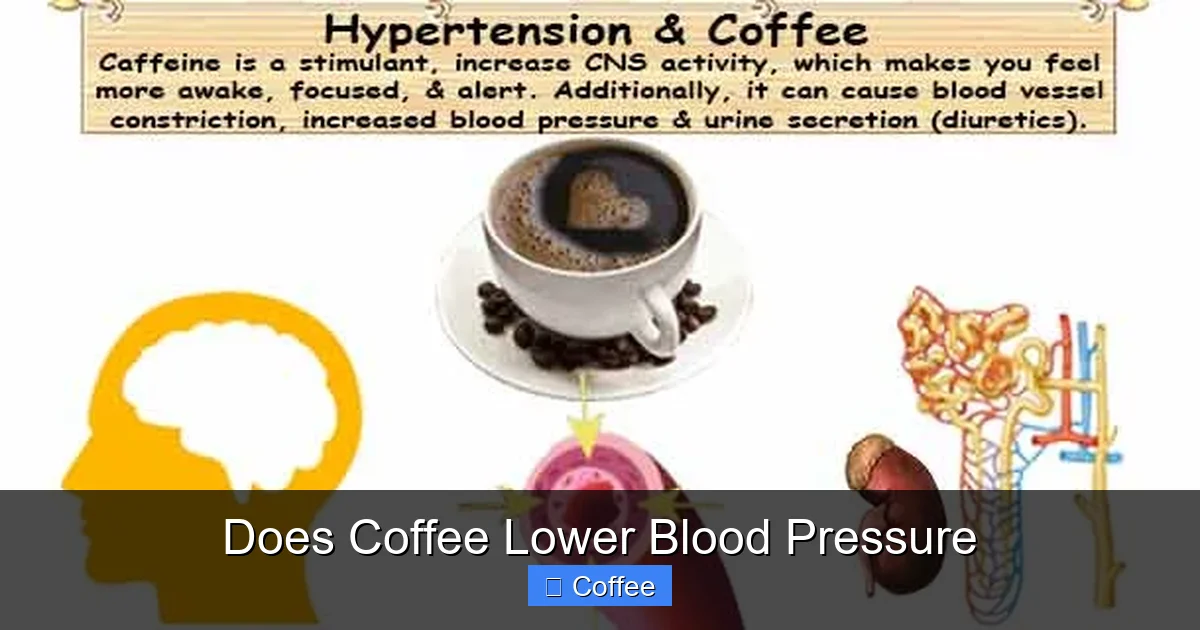
Contrary to popular belief, coffee does NOT lower blood pressure. In fact, caffeine typically causes a temporary spike in blood pressure, especially in non-habitual drinkers. However, long-term coffee consumption may offer protective benefits against hypertension development for regular consumers. Understanding this nuanced relationship is key for coffee lovers managing heart health.
Key Takeaways
- Coffee raises blood pressure short-term: Caffeine causes an immediate 5-15 mmHg increase that lasts 3-4 hours, particularly in non-regular drinkers.
- Long-term effects differ: Habitual coffee drinkers often develop tolerance, and studies link 3-4 daily cups with 15% lower hypertension risk over time.
- Brewing method matters: Espresso causes larger spikes than filtered coffee, while cold brew may be gentler on blood pressure.
- Individual responses vary wildly: Genetics, medications, and baseline health dramatically influence how your body reacts to coffee.
- Decaf isn’t risk-free: Non-caffeine compounds in coffee still affect blood pressure, though less dramatically than caffeine.
- Timing is crucial: Avoid coffee when stressed or anxious, as this amplifies blood pressure spikes.
- Monitor your personal response: Track your BP before/after coffee for 2 weeks to understand your unique reaction.
Quick Answers to Common Questions
Can I drink coffee if I have high blood pressure?
Yes, most people with controlled hypertension can enjoy moderate coffee (1-2 cups daily). Monitor your personal response and avoid caffeine if your BP is currently elevated or unstable.
Does decaf coffee lower blood pressure?
Decaf doesn’t actively lower BP, but it avoids the significant spikes caused by regular coffee. It’s a safer choice for hypertensives since it causes minimal pressure changes.
How long after coffee does blood pressure return to normal?
For most people, the caffeine-induced BP spike resolves within 3-4 hours. Slow metabolizers may experience effects for up to 8 hours.
Is black coffee better for blood pressure than coffee with milk?
Black coffee is preferable as additives like sugar and cream can contribute to inflammation and weight gain, indirectly affecting BP. Milk itself has minimal direct impact.
Should I quit coffee before a blood pressure check?
Yes, avoid caffeine for at least 30 minutes before a BP reading. Caffeine can temporarily elevate results by 5-15 mmHg, leading to inaccurate diagnosis.
📑 Table of Contents
- The Great Coffee Conundrum: Separating Myth from Reality
- How Caffeine Actually Affects Your Blood Pressure
- Short-Term Spike vs. Long-Term Protection: The Paradox Explained
- Why Your Coffee Reaction is Unique: Key Variables
- Special Considerations for People with Hypertension
- Practical Tips for Coffee Lovers Managing Blood Pressure
- Conclusion: Coffee and Blood Pressure – A Balanced Approach
The Great Coffee Conundrum: Separating Myth from Reality
That steaming morning cup feels like liquid life itself. But if you’re watching your blood pressure, you’ve probably heard conflicting whispers: “Coffee lowers blood pressure!” or “Coffee is terrible for hypertension!” Let’s cut through the noise. The truth about coffee and blood pressure is far more nuanced than simple “good” or “bad” labels. Imagine your cardiovascular system as a complex highway system. Caffeine acts like a sudden traffic surge – causing immediate congestion (that’s the blood pressure spike) – but regular commuters (habitual coffee drinkers) eventually develop better traffic flow patterns over time.
Why does this confusion exist? Partly because early studies focused only on short-term effects, while newer research examines decade-long patterns. Also, coffee isn’t just caffeine – it’s a cocktail of 1,000+ compounds including antioxidants that may protect blood vessels. If you’ve ever felt your heart race after a strong espresso, you’ve experienced caffeine’s acute effects firsthand. But does coffee lower blood pressure long-term? The answer requires unpacking multiple layers of biology, timing, and individual variation. Let’s dive into what science actually says.
How Caffeine Actually Affects Your Blood Pressure
To understand coffee’s impact, we need to see what happens inside your body within minutes of that first sip. Caffeine doesn’t directly attack your heart – it hijacks your nervous system’s communication channels.
Visual guide about Does Coffee Lower Blood Pressure
Image source: cdn.images.express.co.uk
The Adenosine Blockade Effect
Your brain uses adenosine as a “slow down” signal. As adenosine builds up during the day, it makes you feel sleepy. Caffeine blocks adenosine receptors like a bouncer denying entry. This triggers two chain reactions: First, your brain thinks it’s still alert (hence the energy boost). Second, your body releases stress hormones – adrenaline and noradrenaline. These hormones tell your heart to beat faster and your blood vessels to constrict. Picture squeezing a garden hose: less space for water means higher pressure. That’s exactly what happens to your arteries.
Sympathetic Nervous System Activation
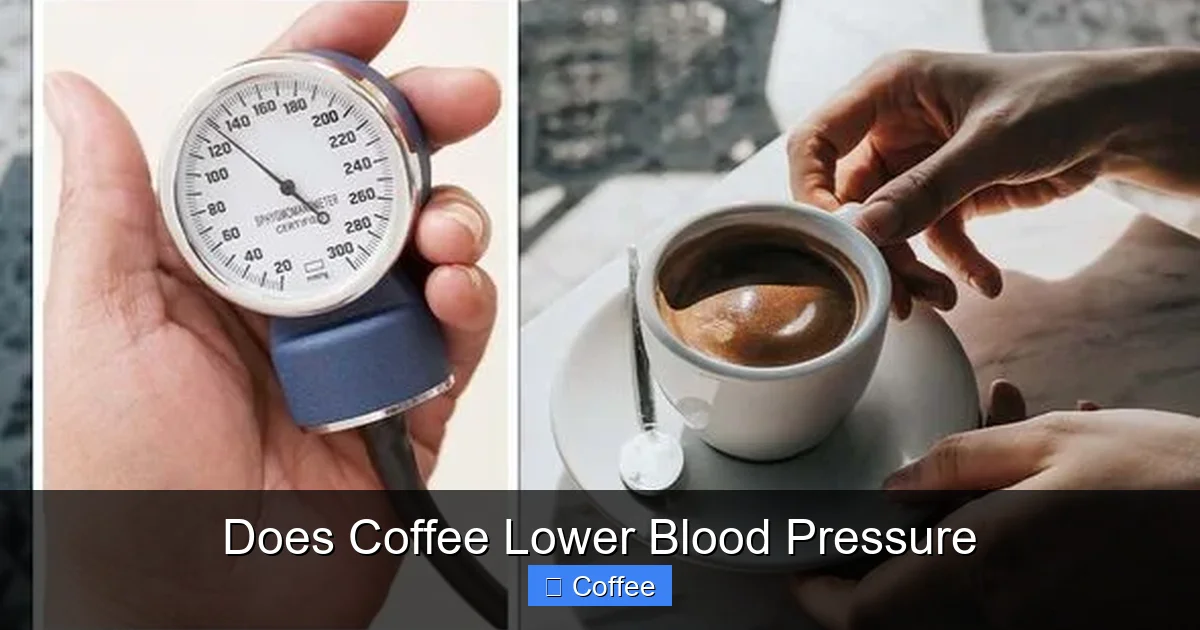
Within 15-45 minutes of drinking coffee, your sympathetic nervous system (the “fight-or-flight” system) kicks into gear. Studies using continuous blood pressure monitors show systolic pressure (the top number) typically jumps 5-15 mmHg and diastolic (bottom number) rises 3-10 mmHg. For context, a 10 mmHg systolic increase is clinically significant – it’s equivalent to the effect of some blood pressure medications. This spike peaks around 30-60 minutes post-consumption and usually resolves within 3-4 hours. But here’s the kicker: this effect is strongest in people who rarely drink coffee. Regular consumers often see smaller spikes – sometimes just 1-3 mmHg – due to tolerance.
Short-Term Spike vs. Long-Term Protection: The Paradox Explained
This is where the “does coffee lower blood pressure” confusion really takes root. The immediate effect is clearly a rise, but population studies reveal surprising long-term patterns.
Visual guide about Does Coffee Lower Blood Pressure
Image source: m.media-amazon.com
The Acute Pressure Surge
Let’s get concrete: If you’re a coffee newbie, one cup (80-100mg caffeine) can raise your systolic BP by 10-15 mmHg within an hour. That’s like going from 120 to 135 mmHg – potentially pushing you into “elevated” territory if you’re borderline hypertensive. Heavy consumption (4+ cups) can cause even larger spikes. This is why doctors often advise against coffee before blood pressure checks – it can skew results. But crucially, this is temporary. Your BP usually returns to baseline within hours.
The Long Game: Coffee as a Potential Protector
Now for the twist: While coffee spikes BP short-term, multiple large studies suggest habitual drinkers may have lower hypertension risk over decades. A landmark 2021 analysis in JAMA Internal Medicine reviewed data from 3 million people. It found those drinking 3-4 cups daily had a 15% lower risk of developing hypertension compared to non-drinkers. How? Coffee’s antioxidants (like chlorogenic acid) may improve blood vessel function over time. They reduce inflammation and help arteries stay flexible – like oiling a stiff hinge. Another theory: Regular caffeine exposure might “reset” your nervous system’s sensitivity, leading to better overall BP regulation.
The Tolerance Factor
Your body is brilliantly adaptive. With consistent coffee consumption, adenosine receptors multiply to compensate for caffeine’s blocking effect. This means the same caffeine dose causes smaller hormone releases and gentler BP spikes. Research shows tolerance develops within 3-5 days of regular intake. So while a tourist in Italy might feel jittery after one espresso, a local barista barely notices. This explains why long-term studies often show neutral or even beneficial effects – habitual drinkers aren’t experiencing those dramatic acute spikes.
Why Your Coffee Reaction is Unique: Key Variables
Not everyone experiences coffee the same way. Your personal response depends on a cocktail of factors.
Visual guide about Does Coffee Lower Blood Pressure
Image source: cdn.shopify.com
Genetics: The Caffeine Metabolism Lottery
Ever wonder why your friend can drink espresso at midnight while you’re wired after breakfast coffee? Blame your liver enzyme CYP1A2. People with “fast metabolizer” genes break down caffeine quickly (within 2-3 hours), minimizing BP impact. “Slow metabolizers” take 5-8 hours, prolonging the pressure spike. About 50% of people are slow metabolizers – and studies link this group to higher hypertension risk with heavy coffee intake. A simple genetic test can reveal your status, but even without it, notice how you feel: If coffee makes you anxious or raises your pulse, you might be a slow metabolizer.
Medications and Health Conditions
Coffee interacts with common BP meds. Calcium channel blockers (like amlodipine) slow caffeine breakdown, amplifying its effects. Some antidepressants have similar interactions. If you have uncontrolled hypertension, anxiety disorders, or arrhythmias, coffee’s stimulant effects can be risky. Even in healthy people, drinking coffee during stress (like work deadlines) compounds the BP rise – your body gets hit with both caffeine and cortisol spikes.
Brewing Methods and Caffeine Content
Not all coffee is created equal. Espresso packs 63mg caffeine per shot but is consumed quickly, causing sharper spikes. Drip coffee has more total caffeine (95mg per 8oz) but is sipped slowly, leading to more gradual effects. Cold brew? Interestingly, its lower acidity might mean smaller BP jumps – a 2022 study found cold brew caused 20% less systolic increase than hot brew. And size matters: A “large” coffee shop cup often contains 2-3x the caffeine of a home-brewed cup.
Special Considerations for People with Hypertension
If you’ve been diagnosed with high blood pressure, coffee decisions need extra care. But “quit coffee” isn’t always the answer.
When to Be Cautious
You should limit or avoid coffee if: Your BP is currently uncontrolled (over 140/90 mmHg), you’re highly sensitive to caffeine (palpitations, anxiety), or you’re a slow metabolizer with hypertension. Also avoid coffee within 2 hours of taking BP meds – the timing can blunt medication effectiveness. During hypertensive crises (BP over 180/110), skip caffeine entirely until stabilized.
Strategies for Safe Consumption
Most people with well-controlled hypertension can enjoy coffee with smart habits. Start with half-caf (mix regular and decaf) to reduce caffeine load. Switch to filtered coffee – the paper filter removes cafestol, a compound that raises LDL cholesterol (indirectly affecting heart health). Time your coffee for mid-morning when cortisol levels naturally dip, avoiding the 8-9 AM peak. And never drink coffee on an empty stomach – food slows caffeine absorption. Crucially, monitor your personal response: Check BP 30 minutes before and 60 minutes after coffee for two weeks. If your systolic rises over 10 mmHg consistently, cut back.
The Decaf Dilemma
“I’ll just switch to decaf!” seems logical, but decaf still contains 2-15mg caffeine per cup – enough to affect sensitive people. More importantly, decaf lacks some antioxidants found in regular coffee. However, studies show decaf causes minimal BP spikes (usually 1-3 mmHg). For most hypertensives, high-quality decaf (Swiss Water processed) is a safer choice than regular coffee. Just don’t expect it to “lower” your pressure – it simply avoids the spike.
Practical Tips for Coffee Lovers Managing Blood Pressure
You don’t have to give up coffee – just optimize it. These evidence-based tweaks make a real difference.
Timing and Portion Control
Limit yourself to 200mg caffeine daily (about 2 cups of drip coffee). Spread intake over the day – avoid “caffeine bombs” like large cold brews. Never drink coffee within 3 hours of bedtime; sleep deprivation worsens hypertension. If you exercise, skip coffee pre-workout – combining caffeine with exertion can spike BP dangerously. Instead, enjoy a small cup post-workout when your body is recovering.
Choosing the Right Brew
Opt for light-to-medium roasts – they have slightly more caffeine than dark roasts (contrary to popular belief), but higher antioxidant levels. French press and espresso contain more heart-impacting oils – use a paper filter if possible. Try adding cinnamon or cardamom; studies show these spices may mildly lower BP. And hydrate! Drink a full glass of water with your coffee to counteract caffeine’s mild diuretic effect.
Lifestyle Synergy
Coffee works best within a heart-healthy ecosystem. Pair your cup with a potassium-rich banana (potassium counters sodium’s BP effects) or a handful of almonds. Avoid loading coffee with sugar and cream – those contribute to inflammation. If you smoke, quit: Nicotine and caffeine together cause massive BP surges. Finally, manage stress – meditation before coffee can blunt the pressure response by 30% according to a 2023 study.
Conclusion: Coffee and Blood Pressure – A Balanced Approach
So, does coffee lower blood pressure? The straightforward answer is no – at least not immediately. That morning brew triggers a measurable, temporary rise in blood pressure for most people. But the long-term story is more hopeful. For habitual drinkers, coffee may actually contribute to better cardiovascular resilience over decades, thanks to its antioxidant powerhouse. The key isn’t demonizing coffee or pretending it’s a BP-lowering miracle – it’s about intelligent consumption.
Your perfect coffee strategy depends entirely on your body’s unique chemistry and health status. If you have hypertension, don’t quit cold turkey based on fear – track your personal response. If your BP jumps significantly after coffee, switch to half-caf or decaf. If it stays stable, enjoy your ritual mindfully. Remember: Coffee is just one piece of heart health. Pair it with movement, stress management, and balanced nutrition. That daily cup can remain a joyful part of your life – not a source of anxiety. After all, the goal isn’t perfection, but progress toward a healthier, happier you.
Frequently Asked Questions
Does coffee lower blood pressure in the long run?
Not directly, but habitual consumption is associated with lower hypertension risk over decades. Large studies show 3-4 daily cups correlate with 15% reduced risk, likely due to antioxidants improving vascular health rather than caffeine itself.
Why does coffee raise blood pressure?
Caffeine blocks adenosine receptors, triggering adrenaline release. This causes blood vessels to constrict and the heart to beat faster, increasing pressure. The effect is strongest in non-regular drinkers and peaks within 30-60 minutes.
How much coffee is safe with high blood pressure?
Most guidelines suggest limiting to 200mg caffeine daily (about 2 cups of drip coffee) if you have hypertension. Always monitor your individual response and consult your doctor about your specific situation.
Does quitting coffee lower blood pressure?
Quitting may reduce short-term spikes, especially if you’re sensitive to caffeine. However, long-term BP levels often remain stable after quitting, as habitual drinkers develop tolerance. The biggest benefit comes from avoiding acute spikes during vulnerable times.
Are some coffee types better for blood pressure?
Filtered coffee is generally better than unfiltered (like French press) as it removes cholesterol-raising compounds. Cold brew may cause smaller BP spikes due to lower acidity. Light roasts have more antioxidants than dark roasts.
Can coffee interact with blood pressure medications?
Yes, caffeine can interact with calcium channel blockers and some other BP meds by slowing their metabolism or reducing effectiveness. Always take medications with water, not coffee, and discuss timing with your pharmacist.