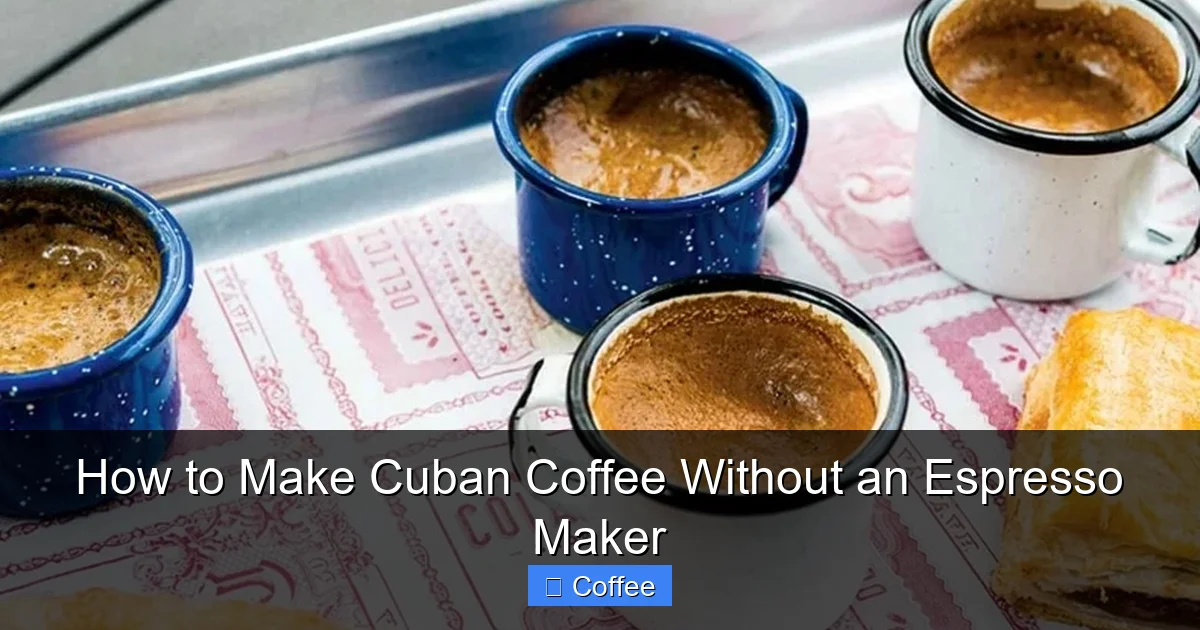
You absolutely can make authentic Cuban coffee without an espresso maker! This guide reveals simple, proven methods using common kitchen tools like moka pots, French presses, and stovetop brewers. Discover the crucial technique of “cafecito” – sweetening the espresso-like brew right in the cup for that signature rich, velvety Cuban coffee experience.
Key Takeaways
- Espresso Maker Not Essential: Cuban coffee’s soul is its intense flavor and sweetness, achievable with moka pots, French presses, or stovetop percolators – no expensive machine needed.
- Demerara Sugar is Key: Authentic Cuban coffee uses coarse demerara sugar whipped into the first drops of brewed coffee (“cafecito”) to create a sweet, foamy crema essential for flavor and texture.
- Moka Pot is the Gold Standard: This stovetop brewer produces the closest approximation to espresso strength and volume, making it the most popular and reliable method for Cuban coffee at home.
- French Press Works Surprisingly Well: By using a fine grind and adjusting brew time, a French press can yield a strong, concentrated base perfect for the “cafecito” technique.
- Stovetop Percolators Offer Simplicity: While less common now, traditional percolators can brew a strong pot; the critical step is reserving the first, strongest cups for the “cafecito” process.
- Grind Size & Coffee Quality Matter: Use a fine espresso grind (not powdery) and fresh, dark roast Cuban-style coffee (like Café Bustelo) for the best results, regardless of your brewing method.
- Sweeten Immediately & Serve Hot: The sugar must be incorporated into the very first, hottest coffee drops to dissolve properly and create the signature foam; serve immediately in small cups.
Quick Answers to Common Questions
Can I use regular granulated sugar instead of demerara?
You can, but demerara is traditional and preferred. Its larger crystals dissolve perfectly in the scalding first drops to create the signature thick foam. Granulated sugar can work but often doesn’t form as rich a foam and can taste slightly sharper. Avoid powdered sugar – it dissolves too fast and won’t foam.
How much coffee and sugar do I use per cup?
For the concentrate: Aim for a 1:7 or 1:8 coffee-to-water ratio (e.g., 15g coffee to 105-120ml water). For the “cafecito”: Use 1.5 – 2 tablespoons of demerara sugar per small serving cup (2-4 oz). Adjust sugar to your taste, but don’t skip the foam step!
Why is my Cuban coffee bitter?
Bitterness usually comes from over-extraction. Causes include: brew time too long (especially French press/percolator), heat too high (moka pot/percolator), coffee ground too fine (French press), or using coffee that’s stale or low quality. Use medium-low heat, precise timing, correct grind, and fresh dark roast coffee.
Can I make a larger batch and reheat it?
Not recommended for authentic Cuban coffee. The “cafecito” foam must be made with the very first, hottest drops. Reheating destroys the foam and alters the flavor. Brew only what you’ll drink immediately (2-4 oz per serving). The concentrate base (before “cafecito”) can be made slightly ahead and reheated gently, but the sugar/foam step must be done fresh.
What’s the difference between Cuban coffee and regular espresso?
While both are strong and concentrated, Cuban coffee is defined by the “cafecito” technique – sweetening the first drops with demerara sugar to create foam before adding the rest of the brew. This creates a uniquely sweet, velvety texture and balanced flavor. Espresso is typically unsweetened and served as-is, though it can be the base for drinks like lattes.
📑 Table of Contents
- The Irresistible Allure of Cuban Coffee (And Why You Don’t Need an Espresso Machine)
- Understanding the Heart of Cuban Coffee: More Than Just a Brew
- Essential Tools & Ingredients for Cuban Coffee Success (Without Espresso)
- Method 1: The Moka Pot – Your Cuban Coffee Powerhouse
- Method 2: French Press – Strong & Simple Cuban Coffee
- Method 3: Stovetop Percolator – The Classic Approach
- Troubleshooting & Perfecting Your Cuban Coffee (Without Espresso)
- Conclusion: Your Cuban Coffee Journey Starts Now
The Irresistible Allure of Cuban Coffee (And Why You Don’t Need an Espresso Machine)
Picture this: the warm, inviting aroma of strong coffee fills a small kitchen. Someone pours a tiny, potent stream of dark brew into a cup already holding coarse sugar. A vigorous stir creates a frothy, caramel-colored foam – the “cafecito.” This isn’t just coffee; it’s a ritual, a moment of connection, a taste of Cuba itself. Cuban coffee, known as “café cubano” or “cafecito,” is legendary for its intense, sweet, and velvety character. Traditionally, it’s made with an espresso machine, pulling a small, concentrated shot sweetened right in the cup. But here’s the beautiful secret: you do not need an espresso maker to capture its magic. The true essence of Cuban coffee lies not in the specific machine, but in the technique of sweetening the first, strongest drops and the cultural spirit of sharing a small, powerful cup.
For many coffee lovers, the idea of making authentic Cuban coffee at home feels out of reach because they assume an expensive espresso machine is mandatory. This misconception keeps the joy of café cubano locked away. The reality is wonderfully liberating. Generations of Cubans and Cuban-Americans have brewed this iconic coffee using humble stovetop tools long before home espresso machines were common. The core principles – using very fine, dark roast coffee, brewing it strong and concentrated, and immediately sweetening the initial brew with demerara sugar to create that essential foam – are what define it. This guide is your passport to brewing authentic, soul-warming Cuban coffee using tools you likely already own: a moka pot, a French press, or even a stovetop percolator. Get ready to unlock the rich, sweet, and deeply satisfying world of café cubano, no espresso machine required!
Understanding the Heart of Cuban Coffee: More Than Just a Brew
Before diving into the “how,” it’s crucial to grasp what makes Cuban coffee unique. It’s not merely strong coffee with sugar added later. The magic happens in the very first moments of brewing. Authentic Cuban coffee is characterized by:
Visual guide about How to Make Cuban Coffee Without an Espresso Maker
Image source: purecoffeejoy.com
The “Cafecito” Technique: Where the Magic Happens
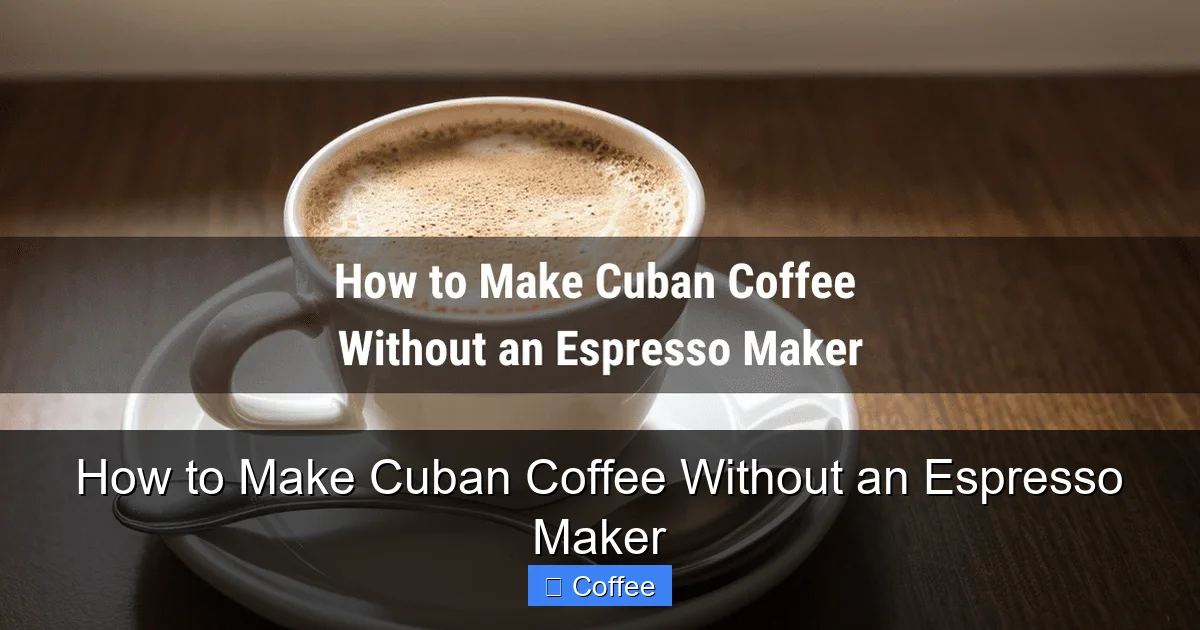
This is the non-negotiable core. Coarse demerara sugar (sometimes called “panela” or “piloncillo” in some regions, though demerara is most common for café cubano) is placed in the serving cup before any coffee is poured. As the very first, hottest, and strongest drops of brewed coffee emerge, they are poured directly onto the sugar. The brewer then vigorously stirs these initial drops with the sugar until it dissolves completely and forms a thick, creamy, light brown foam – the “cafecito.” This foam is the soul of the drink. Only after this foam is created is the rest of the brewed coffee poured in, mixing with the sweet foam. This process:
- Creates Unmatched Sweetness & Texture: The sugar dissolves perfectly in the scalding liquid, integrating seamlessly rather than sitting gritty at the bottom. The foam adds a luxurious, velvety mouthfeel impossible to achieve by adding sugar to cooled coffee.
- Balances the Intensity: The concentrated coffee is incredibly strong and slightly bitter. The immediate sweetness counteracts this, creating a harmonious, smooth flavor profile.
- Honors Tradition: This method dates back to times when espresso machines were rare, and brewers needed to maximize flavor and sweetness from strong, economical coffee using basic tools.
Key Characteristics of Authentic Cuban Coffee
- Intensely Strong & Concentrated: It’s meant to be sipped slowly from a small cup (like a demitasse), packing a significant caffeine punch. Think espresso strength, not drip coffee.
- Distinctly Sweet: The sweetness is integral, not an afterthought. It’s balanced, not cloying, thanks to the “cafecito” technique.
- Rich, Dark Roast Flavor: Typically made with a dark roast coffee, often Cuban-grown beans or blends mimicking that profile (like Café Bustelo, Pero, or La Llave), offering notes of chocolate, caramel, and a pleasant smokiness.
- Velvety Texture with Foam: The signature “cafecito” foam provides a smooth, almost creamy consistency.
- Served Small & Hot: Usually 2-4 ounces per serving, consumed immediately while piping hot.
Understanding these elements is vital. Your goal with any alternative brewing method is to produce a sufficiently strong and concentrated coffee base that can successfully create the “cafecito” foam when the first drops hit the sugar. The brewing vessel matters less than achieving this concentration and executing the sweetening step correctly.
Essential Tools & Ingredients for Cuban Coffee Success (Without Espresso)
The beauty of making Cuban coffee without an espresso maker is the accessibility of the tools. You likely have one or more of these already. Here’s what you need:
Visual guide about How to Make Cuban Coffee Without an Espresso Maker
Image source: homeperch.com
The Non-Negotiables
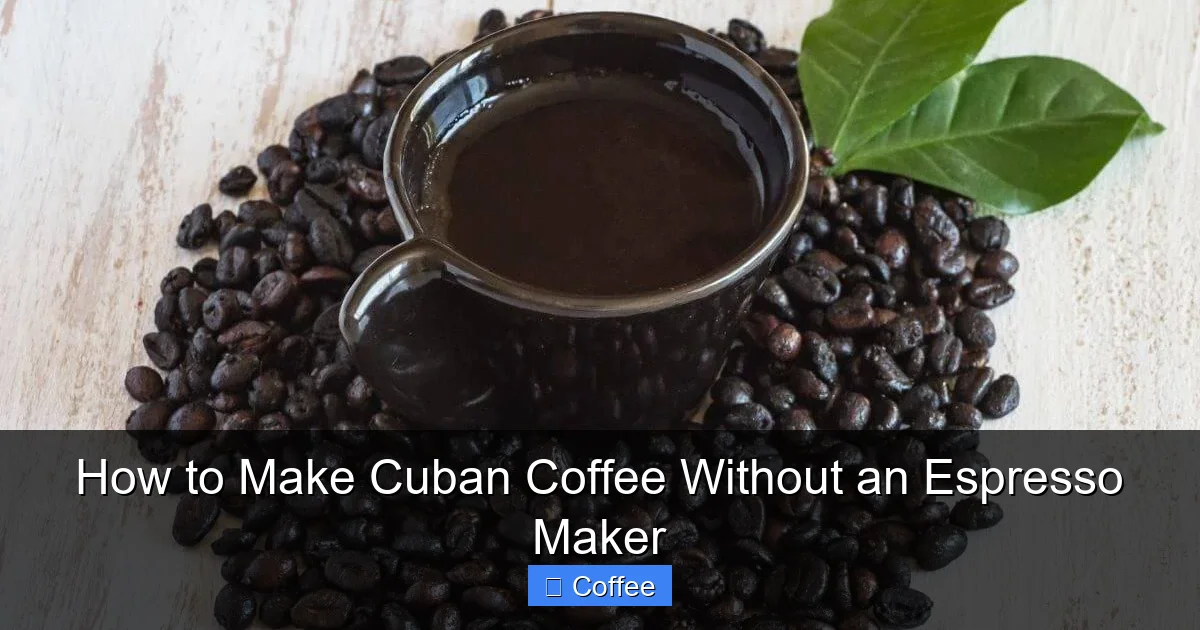
- Fine Espresso Grind Coffee: This is critical. You need coffee ground as fine as table salt, but not powdery like flour. Standard drip coffee grind is too coarse and won’t extract enough strength. Look for labels saying “espresso grind” or “fine grind.” Crucially, use a dark roast Cuban-style coffee. Brands like Café Bustelo (the most iconic), Pero, or La Llave are readily available in most grocery stores (often in the Latin/Hispanic aisle) and are specifically formulated for this style. They are pre-ground, but if you buy whole bean, grind it very fine just before brewing for maximum freshness and flavor. Avoid light or medium roasts; they lack the necessary depth and intensity.
- Coarse Demerara Sugar: This is the traditional sweetener. Demerara sugar has large, golden-brown crystals that dissolve beautifully in the hot coffee to create the perfect foam. Brown sugar can work in a pinch, but demerara is preferred for its cleaner caramel notes and superior texture. Granulated white sugar can be used, but it often doesn’t create the same rich foam and can taste slightly sharper. Avoid powdered sugar – it dissolves too quickly and won’t form the necessary foam.
- Small Heatproof Cups (Demitasse Cups Ideal): Traditional Cuban coffee is served in tiny cups (2-4 oz capacity). Small espresso cups, shot glasses, or even sturdy small mugs work perfectly. They keep the coffee hot and are the right size for the concentrated brew.
Your Brewing Vessel Options (Pick One!)
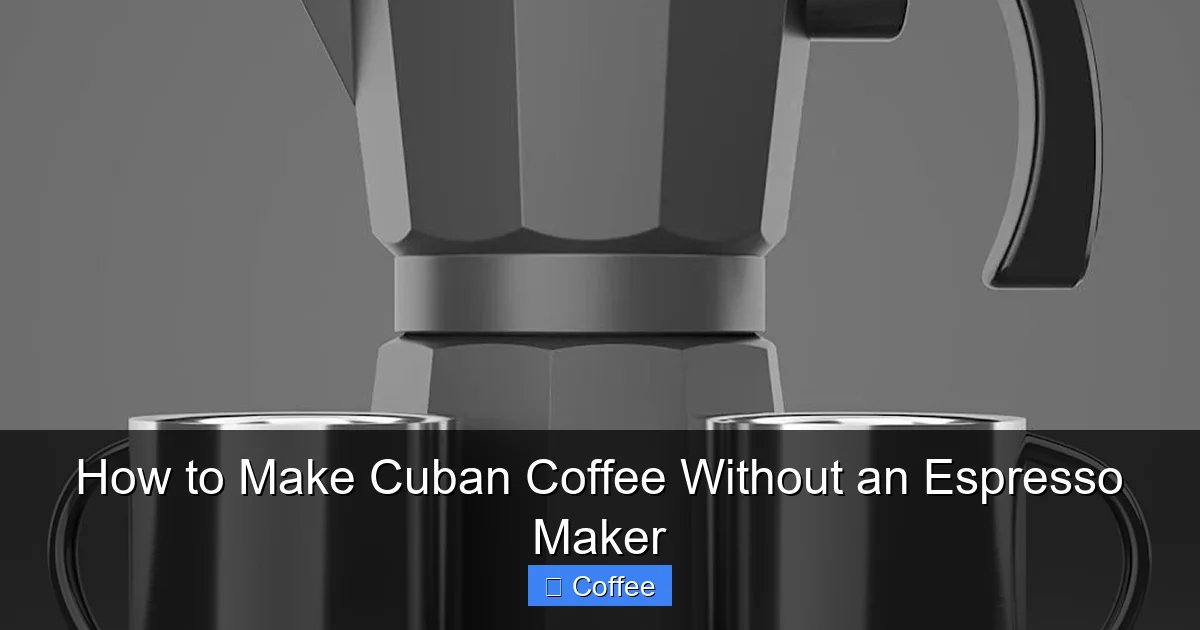
- Moka Pot (Stovetop Espresso Maker): This is the absolute BEST and most recommended alternative. It uses steam pressure to force hot water through finely-ground coffee, producing a strong, espresso-like concentrate (though not true espresso). It’s affordable, durable, and ubiquitous in Cuban households. Sizes range from 1-cup (makes ~2 oz concentrate) to larger. A 3-cup moka pot is perfect for making 2-3 servings of Cuban coffee.
- French Press: A great option if you don’t have a moka pot. By using a very fine grind and a shorter steep time, you can achieve a strong, concentrated brew suitable for “cafecito.” A standard 1-liter press can make multiple servings.
- Stovetop Percolator (Coffee Percolator): Traditional percolators (not electric drip) can brew a strong pot. The key is to monitor it closely and remove it from the heat as soon as the coffee reaches a deep, rich color and strong aroma – usually before a full “perk” cycle. You’ll need to reserve the first, strongest cups for the “cafecito” process. A 4-6 cup percolator is ideal.
- AeroPress (Bonus Option): While not traditional, the AeroPress excels at making strong, clean concentrates. Use the “inverted method” with a fine grind and short brew time (1-2 minutes) for the best Cuban coffee base.
Helpful Extras
- Small Spoon or Stirrer: For vigorously mixing the sugar and first coffee drops to create the foam.
- Kitchen Timer: Helps track brew times precisely, especially important with French Press and percolators.
- Thermometer (Optional but Helpful): Ideal water temperature is around 195-205°F (90-96°C). If your water is boiling (212°F/100°C), let it sit for 30 seconds off the heat before brewing.
With these basics covered, you’re ready to brew. The method you choose will dictate the specific steps, but the “cafecito” technique remains constant across all approaches.
Method 1: The Moka Pot – Your Cuban Coffee Powerhouse
If you own a moka pot (and you should, if you love strong coffee!), it’s your ticket to the most authentic Cuban coffee experience outside of a professional espresso machine. It’s the method used in countless Cuban homes for decades. Here’s how to master it:
Visual guide about How to Make Cuban Coffee Without an Espresso Maker
Image source: catchyfinds.com
Why the Moka Pot Wins for Cuban Coffee
The moka pot produces a brew that’s remarkably close to espresso in strength, body, and temperature – the perfect canvas for the “cafecito.” It’s efficient, relatively fast (5-10 minutes on the stove), and forgiving once you understand its rhythm. The concentrated output (typically 1-2 ounces per “cup” setting on the pot) is exactly the right volume for a single serving of café cubano.
Step-by-Step: Brewing Cuban Coffee with a Moka Pot
- Prep Your Cups: Place 1.5 – 2 tablespoons of demerara sugar into each small serving cup you plan to fill. Have your stirrer ready.
- Fill the Moka Pot: Unscrew the pot. Fill the bottom chamber with hot water (not boiling) up to just below the safety valve. Using hot water speeds up the process and prevents scorching the coffee. Add the finely ground dark roast coffee to the filter basket. Fill it level, but do not tamp it down firmly like espresso – a gentle leveling is sufficient. Wipe any grounds from the rim.
- Assemble & Heat: Screw the top chamber on tightly. Place the pot on the stove over medium-low heat. Crucial: Don’t use high heat! High heat causes the coffee to brew too fast, leading to bitterness and potentially dangerous pressure buildup. Medium-low allows for a controlled, even extraction.
- Listen & Watch for the “First Drops”: As the water heats, you’ll hear a gentle gurgling sound. This is the magic moment! Keep the lid open. Watch closely as the first dark, rich coffee begins to flow up the tube and into the top chamber. This initial stream is your “cafecito” base.
- Create the “Cafecito” (The Critical Step!): As soon as you see a steady stream of dark coffee emerging (usually after 1-2 minutes of gurgling), carefully pour ONLY the first 1-2 ounces (enough to cover the sugar in your cup) directly onto the demerara sugar in your serving cup. Immediately begin stirring vigorously with your spoon. Stir until the sugar is completely dissolved and a thick, creamy, light brown foam forms on the surface. This should take 15-30 seconds of energetic stirring. This foam is essential!
- Complete the Brew & Serve: Once the “cafecito” foam is ready, carefully pour the remaining coffee from the moka pot (once the gurgling slows to a drip or stops) into the cup, over the foam. Stir gently once to combine. Serve immediately while piping hot. Repeat the “cafecito” process for each additional cup.
Pro Tips for Moka Pot Mastery
- Heat is Everything: Medium-low heat is non-negotiable. Rushing it with high heat ruins the flavor and can be unsafe.
- Don’t Overfill the Basket: Level the grounds; tamping creates resistance and can lead to weak coffee or excessive pressure.
- Stop Before It Bites: Remove the pot from the heat as soon as the gurgling sound changes from a loud roar to a softer hiss or sputtering. Leaving it on too long pulls bitter compounds from the grounds.
- Pre-Heat Your Cups: Run hot water over your serving cups for 30 seconds before adding sugar. This keeps the coffee hotter longer.
- Clean Immediately: Moka pots are easiest to clean right after use, before coffee oils bake on. Disassemble and rinse with warm water (no soap needed for routine cleaning; soap can strip flavor).
The moka pot method delivers the closest approximation to traditional Cuban café cubano. It’s reliable, authentic, and incredibly satisfying once you nail the “first drops” timing.
Method 2: French Press – Strong & Simple Cuban Coffee
Don’t have a moka pot? Your trusty French press is a fantastic alternative for making strong Cuban coffee. While it doesn’t use pressure like a moka pot, adjusting the grind size and brew time creates a concentrated base perfect for the “cafecito” technique.
Adapting the French Press for Concentration
Standard French press coffee is too weak for authentic Cuban coffee. The key adjustments are:
- Finer Grind: Use a grind setting significantly finer than usual for French press – aim for the fine espresso grind you’d use for a moka pot. This increases surface area for stronger extraction.
- Higher Coffee-to-Water Ratio: Use more coffee and less water than a standard brew. Aim for a ratio of 1:8 or even 1:7 (coffee to water by weight). For example, 30g (about 4 tablespoons) of coffee to 240ml (1 cup) of water.
- Shorter Steep Time: Reduce the steep time to 3-4 minutes (instead of 4-5). Longer steeping with fine grounds leads to over-extraction and bitterness.
- Agitation (Optional but Recommended): After pouring the water, give the crust that forms on top a gentle stir with a spoon after 1 minute to ensure even extraction.
These tweaks produce a much stronger, more concentrated brew – the foundation you need.
Step-by-Step: Brewing Cuban Coffee with a French Press
- Prep Your Cups: Place 1.5 – 2 tablespoons of demerara sugar into each small serving cup.
- Heat Water & Prep Press: Heat water to just off the boil (195-205°F / 90-96°C). Add the finely ground dark roast coffee to the French press carafe.
- Brew Concentrated Coffee: Pour just enough hot water over the grounds to saturate them (about twice the volume of the coffee). Give it a quick stir to ensure all grounds are wet. Wait 30 seconds (bloom). Then, slowly pour in the remaining hot water to reach your desired concentrated volume (e.g., 240ml total for a strong concentrate). Place the lid on with the plunger up. Set a timer for 3 minutes 30 seconds.
- Plunge & Reserve First Drops: After the timer, press the plunger down slowly and steadily. Immediately pour the very first 1-2 ounces of the brewed coffee directly onto the demerara sugar in your serving cup. This is your “cafecito” base – it’s the strongest, hottest part.
- Create the “Cafecito”: Vigorously stir the first coffee drops and sugar until fully dissolved and a thick foam forms (15-30 seconds).
- Complete & Serve: Pour the remaining concentrated coffee from the French press into the cup over the foam. Stir gently once. Serve immediately. Repeat the “cafecito” process for each cup, pouring the first strongest drops each time.
Pro Tips for French Press Cuban Coffee
- Grind Consistency is Crucial: If your grind is too coarse, the coffee will be weak. If too fine, it can slip through the mesh and make the coffee muddy. Aim for fine, but not powdery.
- Don’t Let It Steep Too Long: 3:30 is the max for fine grounds. Over-steeping = bitterness.
- Pre-Heat the Carafe: Rinse the French press with hot water before adding coffee to maintain optimal brewing temperature.
- Use a Scale: For the best results, weigh your coffee and water. Volume measurements (scoops) are less accurate, especially for the concentrated ratio.
- Clean Thoroughly: Disassemble the plunger and clean the mesh filter regularly to prevent old coffee oils from affecting flavor.
The French press method is incredibly accessible and yields a rich, full-bodied Cuban coffee. Mastering the finer grind and shorter steep is the key to success.
Method 3: Stovetop Percolator – The Classic Approach
Before moka pots became popular, stovetop percolators were the workhorse for strong coffee in many households, including Cuban ones. While less common today, they can absolutely brew excellent Cuban coffee. The challenge is managing the brew strength, as percolators tend to cycle water through the grounds multiple times, potentially leading to over-extraction if not monitored.
Understanding the Percolator for Cuban Coffee
A percolator works by boiling water, which then rises up a tube and showers over the coffee grounds in a basket, dripping back down into the pot to repeat the cycle. For Cuban coffee, you need to:
- Use a Fine Grind: Essential for strong extraction in a shorter time.
- Brew for a Shorter Duration: Remove it from the heat before it completes a full, dark perk cycle. The goal is a strong, dark brew, but not a bitter, over-extracted one.
- Reserve the First Strongest Coffee: The initial brew that fills the pot is the strongest and hottest – this is what you use for the “cafecito.”
It requires a bit more attention than a moka pot or French press, but it’s a reliable traditional method.
Step-by-Step: Brewing Cuban Coffee with a Stovetop Percolator
- Prep Your Cups: Place 1.5 – 2 tablespoons of demerara sugar into each small serving cup.
- Fill the Percolator: Add cold water to the pot up to your desired serving level (e.g., 4 cups for 2-3 servings of Cuban coffee). Place the finely ground dark roast coffee into the filter basket. Use a ratio of about 1.5 tablespoons of coffee per 4 oz (1/2 cup) of water for strong concentrate. Do not tamp the grounds.
- Assemble & Heat: Place the basket and tube assembly into the pot. Securely fasten the lid. Place the percolator on the stove over medium heat.
- Monitor the Perk Closely: As the water heats, you’ll hear a gentle bubbling, then a louder “perking” sound as coffee starts spraying onto the lid. This is your cue! The perking sound indicates active brewing. Watch the color of the coffee through the glass knob on the lid.
- Stop at the Perfect Strength: Once the coffee in the pot turns a deep, rich brown (like dark chocolate) and the perking sound is steady but not violent (usually 5-8 minutes total on medium heat), immediately remove the percolator from the heat. Do not let it perk for a long time – it will become bitter. The goal is strong, not burnt.
- Create the “Cafecito” with the First Strongest Coffee: Carefully pour the very first 1-2 ounces of the brewed coffee (the hottest, strongest part that filled the pot first) directly onto the demerara sugar in your serving cup. Vigorously stir until the sugar dissolves and a thick foam forms.
- Complete & Serve: Pour the remaining strong coffee from the percolator into the cup over the foam. Stir gently. Serve immediately. For multiple cups, repeat the “cafecito” process using the first strongest pour each time.
Pro Tips for Percolator Cuban Coffee
- Heat Control is Vital: Medium heat prevents scorching and allows for better control over extraction time. High heat leads to bitterness.
- Don’t Walk Away: Percolators can go from perfect to bitter very quickly. Stay nearby and watch the color/sound.
- Use Fresh Water: Always start with cold, fresh water for the best taste.
- Clean Thoroughly: Percolators can harbor oils. Disassemble and clean all parts (basket, tube, lid) regularly with vinegar solution to remove buildup.
- Small Batches Work Best: Brew only what you need immediately. Coffee left sitting in a percolator pot continues to cook and becomes bitter.
The percolator method connects you to a older tradition of strong coffee brewing. With careful attention to the perk cycle, it produces a robust base ideal for authentic Cuban coffee.
Troubleshooting & Perfecting Your Cuban Coffee (Without Espresso)
Even with the best methods, things can go slightly off track. Here’s how to diagnose and fix common issues, ensuring your Cuban coffee is always perfect:
Problem: My Coffee Isn’t Strong Enough / Lacks Intensity
- Likely Cause: Grind too coarse, insufficient coffee, too much water, or brew time too short (especially French press/percolator).
- Solution: Use a finer grind (espresso setting). Increase the coffee-to-water ratio (e.g., 1:7 or 1:8). For French press/percolator, ensure you’re using the first strongest drops for the “cafecito.” Double-check your coffee is a dark roast Cuban blend (Café Bustelo is the benchmark).
Problem: The Sugar Won’t Dissolve / No Foam Forms (“Cafecito” Fails)
- Likely Cause: Using the wrong sugar (granulated white or powdered), not using the very first, hottest drops of coffee, insufficient stirring, or coffee not hot enough.
- Solution: Use coarse demerara sugar. Pour the absolute first 1-2 ounces of the brew (the hottest part) directly onto the sugar. Stir vigorously and immediately for 20-30 seconds. Ensure your brewing method produces sufficiently hot coffee (moka pot and percolator excel here; pre-heat French press carafe). If using granulated sugar, try crushing it slightly between spoons first.
Problem: My Coffee Tastes Bitter or Burnt
- Likely Cause: Brew time too long (especially percolator/French press), heat too high (moka pot/percolator), coffee ground too fine (French press), or old/stale coffee.
- Solution: Reduce brew time (French press: max 3:30; Percolator: remove from heat at deep brown color). Use medium-low heat on the stove (moka pot/percolator). Ensure grind is fine but not powdery (French press). Use freshly ground coffee (whole bean is best) and check roast date – avoid coffee older than 4-6 weeks.
Problem: The Coffee is Weak and Watery
- Likely Cause: Grind too coarse, too little coffee, too much water, or using the wrong part of the brew (not the first strongest drops).
- Solution: Finer grind. More coffee (increase ratio). Less water for the concentrate. Crucially: Only use the first 1-2 ounces of the brew for the “cafecito” and the initial pour into the cup. The rest of the pot might be weaker – reserve it for regular coffee or discard.
Problem: The Foam Forms But Disappears Quickly
- Likely Cause: Sugar not fully dissolved before adding the rest of the coffee, or using sugar that’s too fine (granulated).
- Solution: Ensure the sugar is completely dissolved and the foam is thick and stable before pouring in the remaining coffee. Use coarse demerara sugar – its larger crystals create a more stable foam. Stir the “cafecito” mixture very well.
General Perfection Tips
- Freshness is King: Use the freshest coffee possible. Buy whole bean and grind just before brewing for the absolute best flavor.
- Water Quality Matters: Use filtered water if your tap water has a strong taste or odor.
- Pre-Heat Everything: Pre-heat your brewing vessel (moka pot base, French press carafe, percolator pot) and serving cups with hot water. This maintains optimal brewing and serving temperatures.
- Embrace the Ritual: Making Cuban coffee is as much about the process as the drink. Take your time with the “cafecito” stirring – it’s meditative and ensures perfection.
- Share It: Cuban coffee is meant to be shared. Brew a little extra and enjoy it with friends or family – it tastes better that way!
Don’t be discouraged by initial hiccups. Cuban coffee mastery comes with practice. Focus on the “cafecito” technique and adjusting your grind/ratio, and you’ll soon be pulling perfect cups without any espresso machine.
Conclusion: Your Cuban Coffee Journey Starts Now
The rich, sweet, soul-warming embrace of authentic Cuban coffee is not reserved for those with expensive espresso machines. As we’ve explored, the heart of café cubano beats strongest in the simple, time-honored technique of the “cafecito” – that magical moment when the first, hottest drops of strong brew meet coarse demerara sugar, transformed by vigorous stirring into a velvety foam. This is the essence, the non-negotiable soul of the drink, and it can be achieved with tools as humble and accessible as a moka pot, a French press, or a stovetop percolator.
You now hold the keys to this tradition. The moka pot offers the closest approximation to espresso strength and is the gold standard for a reason. The French press, with its adjustable grind and brew time, proves surprisingly capable of delivering the concentrated base needed. Even the classic percolator, with careful monitoring, can brew a robust foundation perfect for the “cafecito” ritual. Remember, the critical elements are always the same: fine, dark roast Cuban-style coffee, coarse demerara sugar, and the immediate creation of foam using the very first strongest drops. Master these, and you’ve mastered Cuban coffee.
So, put away the excuse that you need an espresso maker. Grab your moka pot (or French press, or percolator), measure out that demerara sugar, and listen for the gurgle or perk. Feel the steam, smell the intense aroma, and pour those first precious drops onto the sugar. Stir with conviction until that beautiful foam rises. In that moment, you’re not just making coffee; you’re participating in a vibrant cultural ritual, connecting with generations of coffee lovers. The perfect cup of Cuban coffee, rich, sweet, and deeply satisfying, is waiting for you right on your stovetop. ¡Buen provecho! Now, go brew.
Frequently Asked Questions
Do I absolutely need a moka pot to make authentic Cuban coffee?
No, a moka pot is the most popular and effective alternative, but it’s not the only way. As detailed in this guide, a French press (with fine grind and adjusted ratio/time) or a stovetop percolator (monitored closely) can also produce the strong, concentrated base required for the essential “cafecito” sweetening technique. The method matters less than achieving sufficient concentration and executing the sugar/foam step correctly.
Can I use pre-ground coffee, or is whole bean necessary?
Pre-ground coffee (like Café Bustelo) is perfectly acceptable and widely used for Cuban coffee. However, for the absolute freshest flavor and best results, whole bean coffee ground immediately before brewing is ideal. Pre-ground coffee loses volatile aromatic compounds faster, but if stored properly in an airtight container away from light/heat, it remains good for several weeks. The convenience of pre-ground often outweighs the marginal freshness gain for most home brewers.
Why is demerara sugar specifically used, and can I substitute it?
Demerara sugar is traditional because its large, coarse crystals dissolve beautifully in the scalding first coffee drops, creating the thick, stable foam (“cafecito”) that defines Cuban coffee’s texture and sweetness. Brown sugar can be substituted in a pinch, but it has more molasses and may not foam as well. Granulated white sugar is less ideal – it dissolves but often lacks the rich caramel notes and can produce a thinner foam. Powdered sugar should be avoided as it dissolves too quickly and won’t create foam.
How do I know when the “first drops” are ready for the cafecito?
This is crucial! For moka pots, watch for the initial steady stream of dark coffee emerging after the gurgling starts (usually 1-2 minutes in). For French press, it’s the very first coffee that pours out after plunging. For percolators, it’s the initial dark coffee filling the pot during the first perk cycle. Key indicators: It’s the hottest coffee, visibly the darkest and richest in color, and flows steadily. Pour only enough to cover the sugar in your cup (1-2 oz) for the “cafecito” step.
Can I make Cuban coffee with an electric drip coffee maker?
It’s very difficult to achieve authentic Cuban coffee with a standard electric drip maker. These machines produce coffee that’s too weak and diluted for the “cafecito” technique. The resulting brew lacks the necessary concentration and intensity. While you could try using a much higher coffee-to-water ratio and a fine grind, the coffee often becomes bitter before reaching sufficient strength, and the first “drops” aren’t distinct enough. Stick with moka pot, French press, or percolator for best results.
Is Cuban coffee the same as espresso?
No, Cuban coffee and espresso are distinct. Espresso is a brewing method using high pressure to force hot water through finely-ground coffee, resulting in a concentrated shot (about 1 oz) with a layer of crema, typically served unsweetened. Cuban coffee uses the “cafecito” technique: the concentrated brew (which can be made *like* espresso with a moka pot, but doesn’t require true espresso pressure) is sweetened with demerara sugar in the cup *before* the rest is added, creating a unique sweet foam and flavor profile. The sweetness and foam creation are what fundamentally differentiate Cuban coffee.