
Yes, you absolutely can cook instant rice in a rice cooker—and it’s a game-changer for busy cooks! This method delivers consistently fluffy results without constant stove monitoring, using slightly less water and shorter cook times than package instructions. It’s faster than stovetop, more reliable than microwave, and perfect for meal prep or quick dinners.
Key Takeaways
- Instant rice works perfectly in rice cookers: Your appliance isn’t just for regular rice—it’s ideal for instant varieties too, saving you time and effort.
- Adjust water ratios: Use ¾ to 1 cup of water per 1 cup of instant rice (not the 1:1 ratio on most packages) to avoid mushiness.
- Skip the “soak” step: Unlike regular rice, instant rice needs no pre-soaking—just add water, close the lid, and press “Cook.”
- Timing is shorter: Most cookers finish in 10-15 minutes (vs. 20+ for regular rice), so set a timer to prevent overcooking.
- Texture differs slightly: Expect tender but less “al dente” grains compared to traditional rice—ideal for stir-fries or casseroles.
- Clean-up is effortless: The non-stick inner pot makes rinsing instant rice residue a breeze—no scrubbing required.
- Better than microwave: Rice cookers prevent the rubbery, uneven results common with microwave instant rice prep.
📑 Table of Contents
- The Instant Rice Dilemma: Stovetop, Microwave, or Rice Cooker?
- What Exactly Is Instant Rice (And Why It’s Different)?
- Why Your Rice Cooker Is the BEST Tool for Instant Rice
- Step-by-Step: Cooking Instant Rice in Your Rice Cooker (No Fuss!)
- Texture Truths: What to Expect (And How to Fix Common Issues)
- Why This Beats Stovetop and Microwave (Seriously)
- Pro Tips to Level Up Your Instant Rice Game
- Conclusion: Your Rice Cooker Is Instant Rice’s Best Friend
The Instant Rice Dilemma: Stovetop, Microwave, or Rice Cooker?
You’re staring at a box of instant rice, wondering if your trusty rice cooker can handle it. Maybe you’re meal prepping for the week, need a side dish in 10 minutes, or just hate babysitting a pot on the stove. Instant rice promises speed—but that “just add boiling water” instruction feels limiting. Can you really harness your rice cooker’s magic for those dehydrated grains? Spoiler: Yes, and it’s simpler than you think. But before we dive into the “how,” let’s unpack why this question matters.
Instant rice isn’t “real” rice in the traditional sense. It’s parboiled, steamed, and dried during manufacturing, which strips away some nutrients but creates a product that rehydrates in minutes. Most packages assume you’ll use a pot or microwave—methods that often lead to gummy, uneven results if you’re not careful. Your rice cooker, however, is designed for precision. It controls temperature, timing, and steam perfectly. So why wouldn’t it work for instant rice? The answer lies in understanding the tiny tweaks needed. Forget everything you know about cooking regular rice. Instant rice is its own beast, and your cooker is the ideal驯服它的工具.
What Exactly Is Instant Rice (And Why It’s Different)?
Let’s clear up a common myth: instant rice isn’t “fake” rice. It’s real rice—usually long-grain white rice—that’s undergone a special process called “pre-gelatinization.” Here’s how it works:
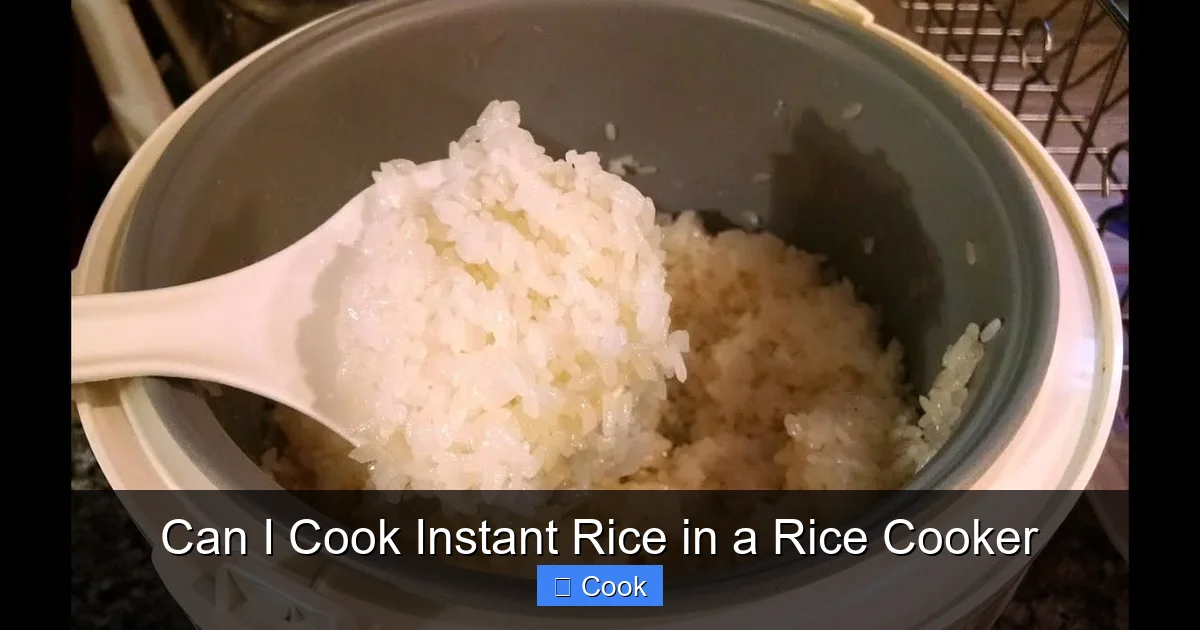
Visual guide about Can I Cook Instant Rice in a Rice Cooker
Image source: i.ytimg.com
The Science Behind the Speed
During manufacturing, rice grains are soaked, steamed, and then rapidly dried. This partially cooks the starch, making it absorb water much faster than uncooked rice. Think of it like pre-soaking beans overnight—but done at the factory. The result? Grains that rehydrate in 5-10 minutes with near-boiling water. But this speed comes with trade-offs:
- Nutrient loss: The intense processing removes some B vitamins and fiber found in brown or regular white rice.
- Texture limitations: Instant rice rarely achieves the chewy, distinct grains of traditionally cooked rice. It’s softer, almost “melt-in-your-mouth” tender.
- Flavor neutrality: It lacks the subtle nuttiness of slow-cooked rice, making it a blank canvas for sauces and seasonings.
Because of this, instant rice behaves differently in appliances. Your rice cooker’s standard “white rice” cycle (which typically runs 20-30 minutes) is overkill. It’ll turn your grains into mush. That’s why adjusting water and time is non-negotiable. But don’t worry—we’ll cover exactly how to do it.
Why Your Rice Cooker Is the BEST Tool for Instant Rice
You might be thinking, “Why not just use the microwave like the box says?” Fair question! But here’s why your rice cooker wins:

Visual guide about Can I Cook Instant Rice in a Rice Cooker
Image source: recipes.net
Consistency You Can Count On
Microwaves heat unevenly. One bite might be scorching hot while another is still crunchy. Stovetop cooking requires constant attention—walk away for a second, and you risk boiling over or scorching. A rice cooker? It’s foolproof. The thermostat automatically switches to “warm” mode once the water is absorbed, preventing overcooking. For instant rice, which cooks in minutes, this precision is gold. No more guessing if it’s done—just set it and forget it.
Texture Control Like Never Before
Remember that water ratio adjustment we mentioned? It’s your secret weapon for perfect texture. Most instant rice packages say “1 cup rice to 1 cup water.” But in a rice cooker, that’s a one-way ticket to gluey disaster. Why? Rice cookers trap steam more effectively than open pots. Less water = firmer grains. We’ll get exact measurements soon, but trust us: this small tweak transforms “meh” rice into something actually enjoyable.
Time Savings That Add Up
Here’s the kicker: cooking instant rice in your rice cooker is often faster than stovetop or microwave methods. Why? No waiting for water to boil first. Just add cold water and rice, close the lid, and press go. Most cookers finish in 10-15 minutes—beating the microwave’s “5 minutes plus standing time” routine. For busy weeknights, that’s a win.
Step-by-Step: Cooking Instant Rice in Your Rice Cooker (No Fuss!)
Ready to try it? This method works for any rice cooker—basic $20 models or high-end Zojirushi machines. No special settings needed. Here’s your foolproof guide:

Visual guide about Can I Cook Instant Rice in a Rice Cooker
Image source: recipes.net
What You’ll Need
- 1 cup instant rice (any brand—Uncle Ben’s, Minute Rice, store brand)
- ¾ to 1 cup cold water (see ratio tips below!)
- Your rice cooker (inner pot removed)
- Measuring cup (use the one that came with your cooker for accuracy)
The Magic Ratio: Water Matters Most
This is the #1 mistake people make. Never use the 1:1 water ratio on the package. Rice cookers create a steamy environment, so you need less liquid. Here’s the sweet spot:
- For fluffy, separate grains: ¾ cup water per 1 cup rice
- For softer, stickier rice (great for sushi or curries): 1 cup water per 1 cup rice
Pro tip: If your rice cooker has a “water level” marker inside the pot, fill to the “1” line for white rice—that’s usually perfect for instant varieties too. Start with ¾ cup and adjust next time if you prefer it softer.
Cooking Process: 3 Simple Steps
- Add rice and water: Pour instant rice into the inner pot. Add your measured water. Do not stir—this can break grains and cause stickiness.
- Close the lid and press “Cook”: Select the standard “White Rice” or “Quick Cook” setting if available. Do not open the lid during cooking! Steam is essential for even rehydration.
- Let it rest: When the cooker beeps (usually 10-15 minutes), leave the lid closed for 5 minutes. This lets residual steam finish the job. Then fluff with a fork.
That’s it! No pre-soaking, no monitoring, no burnt bottoms. Perfect rice every single time.
Texture Truths: What to Expect (And How to Fix Common Issues)
Let’s be real: instant rice won’t mimic the toothsome bite of sushi rice cooked traditionally. But in a rice cooker, you’ll get reliably pleasant results. Here’s what you’ll actually taste and feel:
The Good: Fluffy, Tender, and Ready to Absorb Flavors
When cooked correctly, instant rice in a cooker is:
- Consistently tender: No hard centers or mushy edges—just even softness throughout.
- Separate grains: Thanks to the right water ratio, grains won’t clump together like microwave disasters.
- Neutral canvas: Perfect for soaking up stir-fry sauces, curries, or broth. Add a pinch of salt or a pat of butter while cooking for extra flavor.
It’s ideal for fried rice (yes, really!), rice bowls, or as a side for grilled chicken. The slight softness actually helps it hold up better in casseroles than firmer rice.
Troubleshooting: When Things Go Slightly Off
Even with perfect ratios, hiccups happen. Here’s how to rescue your rice:
- Too mushy? You used too much water. Next time, reduce by 2 tablespoons per cup of rice. For now, spread it thin on a baking sheet and bake at 300°F for 5 minutes to evaporate excess moisture.
- Too dry/crunchy? Not enough water or opened the lid too early. Sprinkle 1-2 tbsp water over the top, close the lid, and let it steam for 3 more minutes.
- Stuck to the pot? Always use the non-stick inner pot (not the stainless steel one if your cooker has both). Lightly grease it with oil before adding rice if you’re worried.
- Bland flavor? Cook it in low-sodium broth instead of water. Add garlic powder, onion powder, or a dash of soy sauce to the water.
Remember: instant rice is forgiving. Small tweaks make big differences.
Why This Beats Stovetop and Microwave (Seriously)
Let’s pit rice cooker instant rice against the other methods. You’ll see why this is the ultimate hack:
Vs. Stovetop: The “Set It and Forget It” Advantage
Stovetop requires:
- Waiting for water to boil (5-7 minutes)
- Constant monitoring to prevent boil-overs
- Guessing when it’s done (no automatic shut-off)
Your rice cooker eliminates all that. Add cold water, press a button, and walk away. No babysitting. No mess. Just perfect rice while you chop veggies or set the table.
Vs. Microwave: Goodbye, Rubbery Rice!
Microwave instructions often say: “Add water, cover, cook 5 minutes, let stand 5 minutes.” Sounds easy—but results are wildly inconsistent:
- Uneven heating = some grains raw, some mushy
- No steam control = rubbery texture
- Risk of superheated water causing burns
Rice cookers provide gentle, even steam heat. The result? Tender grains with no chewiness. Plus, no plastic containers leaching into your food.
The Meal Prep Powerhouse
Cook a big batch on Sunday for the week. Store in airtight containers—it reheats beautifully in the cooker’s “warm” mode or microwave. Tastes fresher than stove-cooked leftovers because the cooker prevents over-drying.
Pro Tips to Level Up Your Instant Rice Game
Ready to go beyond basic? These tricks turn humble instant rice into something special:
Flavor Infusion Hacks
- Broth instead of water: Use chicken, vegetable, or beef broth for instant depth. Try 1 cup broth + ½ cup water per 1 cup rice.
- Butter or oil: Add 1 tbsp butter or olive oil to the water. It coats grains, preventing stickiness and adding richness.
- Aromatics: Toss in a minced garlic clove, 2 sliced scallions, or a pinch of dried herbs with the rice.
Texture Tweaks for Specific Dishes
- For fried rice: Cook with ¾ cup water, then spread on a tray to cool completely before stir-frying. Less moisture = better sear.
- For rice pudding: Use 1 cup water + ½ cup milk per 1 cup rice. Add cinnamon and raisins before cooking.
- For sushi: Cook with 1 cup water, then mix in rice vinegar/sugar/salt while warm. It won’t be authentic, but it’s a fun shortcut!
Cleaning Made Simple
Instant rice leaves minimal residue—just rinse the pot with warm water. For stuck bits, soak in soapy water for 10 minutes. Never use abrasive scrubbers on non-stick surfaces. Your cooker will stay pristine for years.
Conclusion: Your Rice Cooker Is Instant Rice’s Best Friend
So, can you cook instant rice in a rice cooker? Absolutely—and you should. It’s not just possible; it’s the smartest, most reliable way to prepare those speedy grains. By tweaking the water ratio and trusting your cooker’s magic, you’ll get consistently fluffy, tender rice without the stress of stovetop vigilance or microwave guesswork. No more gummy surprises or rubbery textures. Just press a button and walk away.
This hack is a game-changer for busy weeknights, meal preppers, or anyone who values convenience without sacrificing quality. Your rice cooker isn’t a one-trick pony—it’s a versatile kitchen workhorse that handles instant rice like a pro. So next time you’re reaching for that box, skip the pot and the microwave. Toss it in your cooker, adjust that water, and enjoy perfectly cooked rice in minutes. Your future self (and your taste buds) will thank you.
Frequently Asked Questions
Can I use the same water ratio as the package instructions?
No, never use the 1:1 water ratio listed on most instant rice boxes. Rice cookers trap steam more effectively than open pots, so you need less water—typically ¾ to 1 cup per 1 cup of rice. Using too much water guarantees mushy results.
How long does it take to cook instant rice in a rice cooker?
Most rice cookers finish in 10-15 minutes for instant rice. This is faster than stovetop (which requires boiling water first) and more reliable than microwave methods. Always let it rest 5 minutes after the cook cycle ends for best texture.
Will instant rice taste the same as regular rice cooked in the cooker?
No—it will be slightly softer and less “al dente” than traditional white rice due to the pre-cooking process. However, it will be far superior in texture and consistency to microwave or stovetop instant rice, with separate, fluffy grains.
Can I cook instant rice with broth or add seasonings?
Yes! Replace water with low-sodium broth for richer flavor. Add butter, garlic powder, onion powder, or dried herbs directly to the water before cooking. Avoid adding salt until after cooking, as it can toughen grains.
Is it safe to leave instant rice in the “warm” mode?
Yes, but limit it to 1-2 hours. Rice cookers maintain a safe temperature (around 145°F) in warm mode, preventing bacterial growth. For best texture, transfer to airtight containers after 2 hours if storing longer.
Can I cook brown instant rice the same way?
Yes, but adjust water slightly—use 1 cup water per 1 cup brown instant rice (it needs more moisture). Cooking time may be 15-20 minutes. Brown instant rice has more fiber but still follows the same “less water than package” rule.