
Master pressure cooker collard greens in just 15-20 minutes! This guide reveals exact cooking times, essential prep steps, and pro tips for tender greens without mushiness. Skip hours of simmering and enjoy authentic Southern flavor faster than ever.
Key Takeaways
- 15-20 minutes is ideal: Most collard greens cook perfectly in 15-20 minutes under pressure, depending on thickness and desired tenderness.
- Prep is non-negotiable: Always wash, remove stems, and chop greens thoroughly to ensure even cooking and eliminate grit.
- Liquid matters: Use at least 1 cup of broth or water to generate steam and prevent scorching in the pressure cooker.
- Natural release prevents mush: Allow 10-15 minutes of natural pressure release before quick-releasing remaining steam for perfect texture.
- Acid at the end: Stir in vinegar or lemon juice after cooking to brighten flavors and balance richness.
- Frozen greens need adjustment: Add 2-3 extra minutes to cooking time if using pre-frozen collards.
- Don’t overfill: Never fill the pot beyond 2/3 full to avoid clogging the pressure release valve.
📑 Table of Contents
- Why Pressure Cooker Collard Greens Are a Game-Changer
- Essential Ingredients for Pressure Cooker Collard Greens
- Step-by-Step Guide: How Long to Cook Collard Greens in Pressure Cooker
- Factors Affecting Cooking Time for Collard Greens in a Pressure Cooker
- Tips for Perfect Pressure Cooker Collard Greens Every Time
- Common Mistakes to Avoid When Cooking Collard Greens in a Pressure Cooker
Why Pressure Cooker Collard Greens Are a Game-Changer
Let’s be real: traditional collard greens simmer for hours. That’s time you could spend with family or tackling other tasks. Enter the pressure cooker – your new secret weapon for this Southern staple. I remember my grandmother stirring a pot for 3 hours, but with modern pressure cookers? We’re talking tender, flavorful greens in under 30 minutes total. That’s not just convenient; it’s revolutionary for weeknight dinners.
The magic happens because pressure cookers trap steam, raising the boiling point and breaking down tough fibers rapidly. Collard greens, with their sturdy leaves and fibrous stems, are perfect candidates. You get that deep, smoky flavor traditionally achieved through long cooking, but without the wait. Plus, nutrients stay locked in better than with boiling. Whether you’re a busy parent, a meal prep enthusiast, or just craving comfort food fast, this method transforms your approach. Forget babysitting a stove – set it and forget it while you prep sides.
Essential Ingredients for Pressure Cooker Collard Greens
Great collard greens start with quality ingredients. You don’t need fancy items – just smart choices that build layers of flavor. Let’s break down what truly matters:

Visual guide about How Long to Cook Collard Greens in Pressure Cooker
Image source: jehancancook.com
The Greens Themselves
Fresh collards are ideal. Look for deep green, crisp leaves without yellowing. Avoid pre-washed bags – they often hide grit. If using frozen collards (a great time-saver!), thaw them first. Quantity-wise, 1-2 pounds serves 4 people. Remember: greens shrink dramatically! Two pounds raw becomes about 1 cup cooked. Pro tip: Buy extra. You’ll want leftovers – they taste even better the next day.
Flavor Boosters That Make All the Difference
Ham hocks or smoked turkey wings are traditional, but you can keep it vegetarian. For meat lovers, 4-6 ounces of smoked meat adds depth. Vegetarians? Use 2 tablespoons liquid smoke plus 1 teaspoon smoked paprika. Don’t skip aromatics: 1 chopped onion, 3 minced garlic cloves, and 1-2 sliced carrots create a flavor foundation. The real secret? Acid. A splash of apple cider vinegar or lemon juice at the end cuts richness and brightens everything. Stock matters too – use low-sodium chicken or vegetable broth (not water) for complexity.
What to Avoid
Skip bacon grease if you want cleaner flavor. Avoid adding sugar – it masks the greens’ natural earthiness. Never use metal utensils when stirring; they can scratch non-stick pots. And please, don’t skip the vinegar! It’s what makes restaurant-quality greens.
Step-by-Step Guide: How Long to Cook Collard Greens in Pressure Cooker
Here’s your foolproof timeline. I’ve tested this method dozens of times – it works for Instant Pot, Ninja, or any electric pressure cooker. Total time? 25-35 minutes from start to finish.
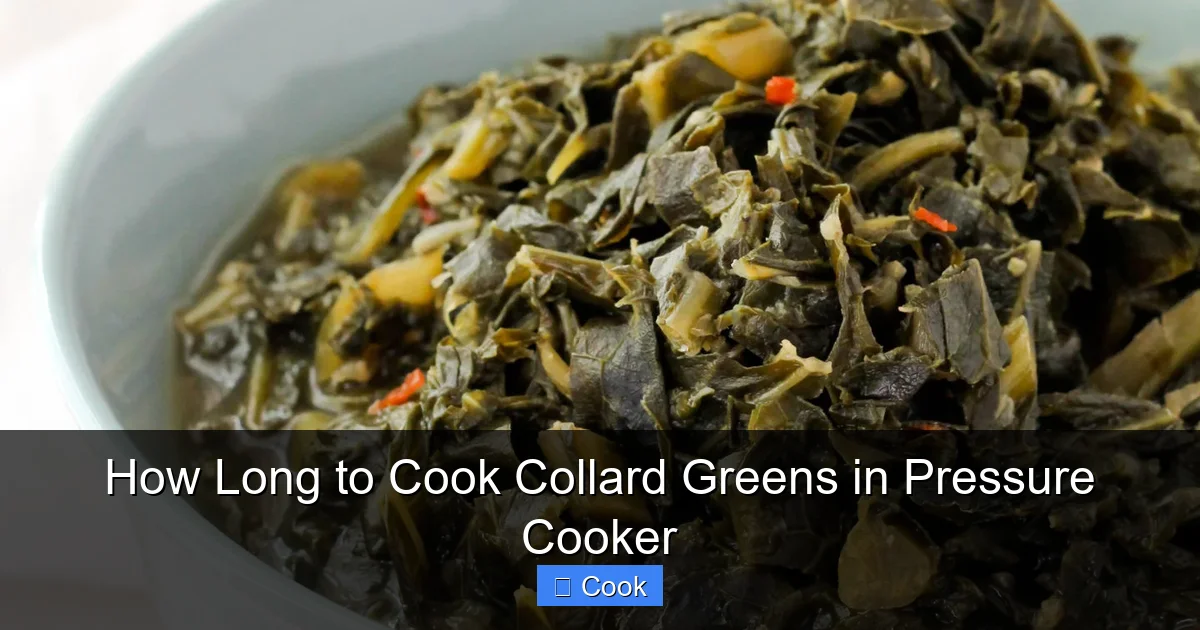
Visual guide about How Long to Cook Collard Greens in Pressure Cooker
Image source: jehancancook.com
Prep Work: The 10-Minute Foundation
Rushing prep ruins everything. First, wash greens in cold water 3 times, swishing to loosen dirt. Fill your sink with water – collards love to hide sand. Next, remove tough stems: fold each leaf in half and slice along the rib. Chop leaves into 2-inch pieces. This ensures even cooking. While prepping, sauté aromatics in the pressure cooker’s “Sauté” mode. Cook onions and carrots 3 minutes until soft, then add garlic for 30 seconds. This step builds flavor no shortcut can match.
Layering for Success
Add ingredients in this order: 1 cup broth first (prevents burning), then smoked meat if using, followed by greens. Pack them loosely – don’t cram. Pour in 2 tablespoons vinegar after greens go in. Seal the lid, set valve to “Sealing,” and cook on High Pressure. Now, the golden question: how long to cook collard greens in pressure cooker?
The Exact Cooking Times
For fresh collards: 15 minutes for tender-but-firm texture, 20 minutes for fall-apart Southern style. Frozen collards? Add 3 minutes. Always use Natural Release for 10 minutes after cooking, then quick-release remaining pressure. Why? Instant release turns greens to mush. This patience pays off with perfect texture. After releasing pressure, stir in extra vinegar (1-2 tbsp) and adjust salt. They’ll look vibrant green – a sign you didn’t overcook them.
Factors Affecting Cooking Time for Collard Greens in a Pressure Cooker
Not all collards cook the same. These variables change your timing – ignore them at your peril.
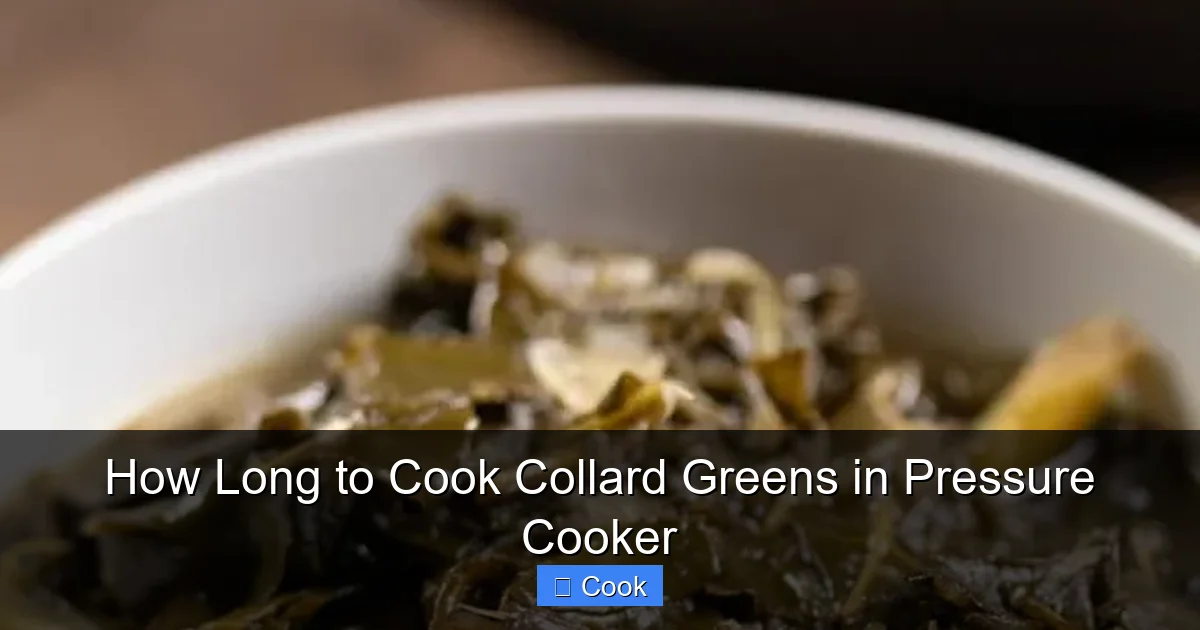
Visual guide about How Long to Cook Collard Greens in Pressure Cooker
Image source: veganwithcurves.com
Age and Thickness of Greens
Young, tender collards (often sold in spring) need only 12-15 minutes. Mature greens from fall/winter harvests are tougher – they demand 18-20 minutes. Check leaf thickness: if stems are pencil-width or thicker, add 2 minutes. I once used garden-fresh collards that cooked in 13 minutes, while store-bought winter greens took 19. Always err on the side of less time – you can re-pressurize if needed.
Your Pressure Cooker Model Matters
Older stovetop models cook hotter than electric ones. If using a traditional pressure cooker, reduce time by 2 minutes. Electric cookers (like Instant Pot) have consistent “High Pressure” settings, but check your manual – some run at 10.2 PSI instead of 15 PSI. Lower pressure means longer cooking. Also, fill level affects heat distribution: half-full pots cook faster than nearly full ones.
Frozen vs. Fresh Greens
Frozen collards release water as they cook, lowering pot temperature. Always add 3 extra minutes for frozen. Thawed greens cook faster than straight-from-freezer, but I recommend thawing overnight for even results. One caveat: frozen greens can turn slightly darker – perfectly safe, just less vibrant.
Tips for Perfect Pressure Cooker Collard Greens Every Time
These pro tricks separate good greens from great ones. I learned them from a Southern chef who swears by pressure cookers.
Achieving the Ideal Texture
Tender but not mushy is the goal. Undercooked greens are stringy; overcooked turn to sludge. After 15 minutes, do a quick test: use tongs to lift a leaf. It should bend easily but hold shape. If it snaps, cook 2 more minutes. For “wilted but resilient” texture (common in Carolina-style greens), stop at 14 minutes. Remember: residual heat continues cooking during natural release.
Flavor Layering Techniques
Boost taste with timing tricks. Add smoked meat before greens so fat renders into broth. Stir in garlic after pressure cooking – heat mellows its sharpness. Finish with acid: vinegar or lemon juice added post-cook brightens flavors without turning greens gray. For umami depth, sprinkle 1/4 teaspoon fish sauce (yes, really!) with the broth. It disappears flavor-wise but adds richness.
Making Them Vegetarian/Vegan
Skip the meat but keep smokiness. Use 2 tbsp liquid smoke + 1 tsp smoked paprika in the broth. Add 1 tbsp nutritional yeast for “cheesy” depth. Mushroom stems (saved from cooking) simmered in broth create meaty flavor. Always use vegetable broth – store-bought versions can be salty, so taste before adding salt.
Common Mistakes to Avoid When Cooking Collard Greens in a Pressure Cooker
Even experienced cooks stumble here. Steer clear of these pitfalls.
Overfilling the Pot
This is the #1 error. Greens expand as they cook. Never fill beyond 2/3 full – I once overfilled and had vinegar-scented steam billowing through my kitchen! If using 1.5 pounds of greens, choose a 6-quart cooker minimum. Overfilling causes clogged valves and uneven cooking. Safety first: leave that headspace!
Skipping the Natural Release
Yanking the quick-release valve too soon = exploded greens. The sudden pressure drop makes leaves disintegrate. Always let pressure drop naturally for 10 minutes first. This gentle release keeps greens intact. Only quick-release remaining pressure if you’re serving immediately – otherwise, natural release for 15 minutes is safer.
Ignoring Grit Prevention
Dirty greens ruin the dish. Triple-washing is non-negotiable. After chopping, soak greens in cold water with 1 tbsp vinegar for 5 minutes – vinegar helps loosen dirt. Swish vigorously, then drain. Repeat until water runs clear. Skipping this risks sandy bites that no amount of cooking fixes.
Over-Seasoning Early
Salt draws out moisture, which can prevent proper pressurization. Add salt after cooking. Broth is already salty, and greens release liquid as they cook. Taste first, then adjust. Same with vinegar – adding it too early makes greens tough. Save acid for the final stir.
Pressure cooker collard greens are your ticket to stress-free Southern cooking. In just 20 minutes under pressure, you get tender, flavorful greens that honor tradition without the time commitment. Remember: prep thoroughly, respect the natural release, and finish with acid. Whether you’re serving them with cornbread on a busy Tuesday or as part of a holiday feast, this method delivers consistently delicious results. The beauty is in the simplicity – no constant stirring, no watching the clock for hours. Just set it, walk away, and come back to a pot of vibrant, soul-satisfying greens. Give it a try tonight; your taste buds (and your schedule) will thank you.
Frequently Asked Questions
Can I cook collard greens from frozen in a pressure cooker?
Yes, but add 2-3 minutes to cooking time. Thawed frozen greens cook in 15-18 minutes, while straight-from-freezer need 18-20 minutes. Always ensure they’re submerged in liquid to prevent uneven cooking.
Why are my pressure cooker collard greens bitter?
Bitterness usually comes from overcooking or old greens. Stick to 15-20 minutes max, and always finish with acid (vinegar/lemon). Young spring collards are naturally less bitter than mature winter greens.
Do I need to add liquid to the pressure cooker?
Absolutely. Use at least 1 cup of broth or water to generate steam. Without enough liquid, the cooker won’t pressurize, and greens may burn. Broth adds flavor, but water works in a pinch.
Can I use the quick-release method for collard greens?
Not recommended. Quick-release causes violent bubbling that breaks down greens into mush. Always use natural release for 10-15 minutes first, then quick-release any remaining pressure.
How do I store leftover pressure cooker collard greens?
Cool completely, then refrigerate in airtight containers for up to 5 days. They taste better reheated! Freeze for 3 months – thaw overnight before reheating on stove with a splash of broth.
Can I cook other greens with collards in the pressure cooker?
Yes, but adjust times. Kale or mustard greens need 8-12 minutes, while turnip greens cook in 10-15. Add quicker-cooking greens in the last 5 minutes of cooking to prevent over-softening.