
Mastering beef tripe in your pressure cooker saves hours while delivering melt-in-your-mouth tenderness. This guide reveals precise cook times for different tripe cuts (honeycomb, book, blanket) and crucial prep steps to avoid common pitfalls. Stop guessing and start serving restaurant-quality tripe dishes in under 90 minutes!
Key Takeaways
- Prep is non-negotiable: Always clean, blanch, and trim tripe thoroughly before pressure cooking to remove impurities and ensure tenderness.
- Timing varies by cut: Honeycomb tripe cooks fastest (45-60 mins), book tripe needs 60-75 mins, and blanket tripe requires 75-90 mins under pressure.
- Natural release is critical: Always allow 15-20 minutes of natural pressure release after cooking to prevent tough, rubbery tripe.
- Liquid level matters: Use at least 1.5 cups of broth, water, or sauce to generate sufficient steam for safe pressure cooking.
- Don’t skip the venting step: Ensure the pressure release valve is clean and functional before every use to avoid dangerous pressure buildup.
- Shrinking is normal: Tripe reduces significantly in volume during cooking – don’t overcrowd your pot; fill only halfway.
- Taste and adjust: Always check tenderness and seasoning after cooking; finish simmering uncovered if needed for perfect texture.
📑 Table of Contents
- Why Pressure Cooker Magic Transforms Beef Tripe
- Essential Prep: Your Foundation for Perfect Tripe
- Decoding Cook Times: Honeycomb, Book, and Blanket Tripe
- Liquid Levels, Safety, and Pro Tips for Success
- Troubleshooting Common Tripe Problems
- Serving Suggestions: From Pressure Cooker to Plate
- Conclusion: Embrace the Tripe Revolution
Why Pressure Cooker Magic Transforms Beef Tripe
Beef tripe – the edible lining from a cow’s stomach – has a reputation for being tricky, time-consuming, and downright intimidating. It’s often dismissed as “weird” or “too hard” by home cooks. But here’s the secret chefs and abuelas have known for generations: tripe is incredibly delicious when cooked right. It’s tender, subtly meaty, and soaks up flavors like a dream. The problem? Traditional stovetop or oven methods take hours – sometimes 3-4 hours of simmering – to break down the tough collagen and connective tissue into that coveted melt-in-your-mouth texture. That’s where your pressure cooker becomes your new best friend.
Think of your pressure cooker as a culinary time machine for tough cuts. By trapping steam and building intense pressure, it dramatically raises the boiling point of the liquid inside. This superheated environment works wonders on collagen, converting it into silky gelatin in a fraction of the time. What used to take all afternoon now takes less than 90 minutes from start to finish. The result? Tripe that’s perfectly tender, never mushy, and ready to soak up rich broths, zesty salsas, or bold spices. Whether you’re dreaming of authentic Mexican menudo, a hearty Italian trippa alla romana, or a simple, flavorful tripe soup, the pressure cooker unlocks incredible flavor and texture without the marathon cooking session. It’s the secret weapon for making tripe approachable, enjoyable, and absolutely delicious for weeknight dinners.
Essential Prep: Your Foundation for Perfect Tripe
Before you even think about setting the timer, proper preparation is the absolute key to success with tripe. Skipping or rushing this step is the #1 reason people end up with tough, gritty, or off-flavored results. Tripe comes from the cow’s digestive system, so it needs thorough cleaning to remove any residual impurities and neutralize any strong odors. Don’t panic – it’s simpler than it sounds, and your pressure cooker will thank you later.
Visual guide about How Long to Cook Beef Tripe in Pressure Cooker
Image source: ketogenicwoman.com
The Cleaning & Blanching Ritual
Start with fresh or thawed tripe. If it’s frozen, thaw it completely in the refrigerator overnight. Rinse it thoroughly under cold running water, scrubbing gently with your fingers or a soft brush to remove any visible debris. For honeycomb tripe (the most common type, with a distinctive bumpy texture), pay extra attention to the crevices. Next, the crucial blanching step: place the rinsed tripe in a large pot, cover it completely with cold water, add a generous splash of vinegar or lemon juice (about 1/4 cup), and bring it to a gentle simmer. Let it simmer for 5-10 minutes. You’ll see foam and impurities rise to the surface – skim this off diligently with a spoon. Drain the tripe in a colander and rinse it again under cold water until the water runs clear. This step significantly reduces any “gaminess” and sets the stage for clean flavor.
Trimming and Cutting for Even Cooking
Once blanched and cooled enough to handle, inspect the tripe. Trim off any excess fat or tough, discolored bits – you want mostly the clean, pale, textured lining. Now, cut it into manageable pieces. For stews or soups, 1.5 to 2-inch pieces work well. For dishes like tripe tacos or stir-fries, smaller 1-inch cubes are ideal. Crucially, cut against the grain whenever possible. Tripe has a natural fibrous structure; slicing perpendicular to these fibers shortens them, making the final texture much more tender and easier to chew. Don’t worry if it looks messy – uniform size matters more than perfect shape for even pressure cooking. Finally, give the cut pieces one last quick rinse. This meticulous prep ensures your pressure cooker time is spent tenderizing, not battling impurities.
Decoding Cook Times: Honeycomb, Book, and Blanket Tripe
Here’s the golden rule: not all tripe is created equal, and cook times vary significantly based on the specific cut. Using the wrong time leads to disappointment – undercooked tripe is tough and chewy, while overcooked tripe turns mushy. Knowing your tripe type is step one to perfect timing.

Visual guide about How Long to Cook Beef Tripe in Pressure Cooker
Image source: i.ytimg.com
Honeycomb Tripe: The Speed Demon (45-60 Minutes)
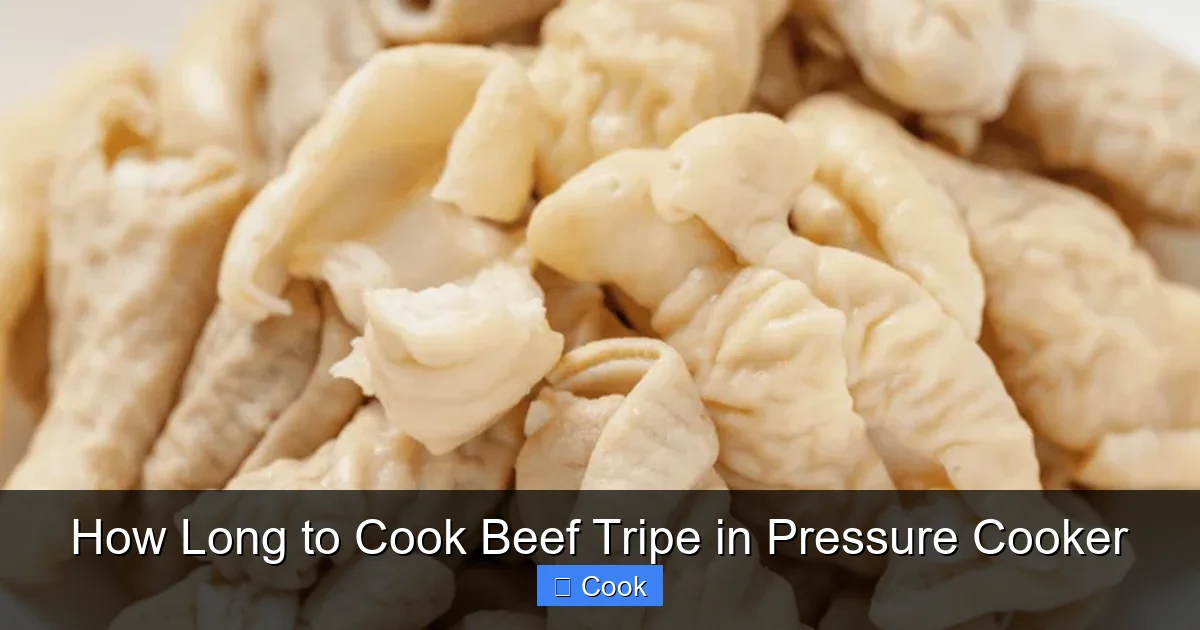
This is the most readily available type in supermarkets and Latin/Asian markets. It gets its name from the distinctive, intricate, honeycomb-like pattern on its surface. It’s generally the most tender cut to start with. Cook time: 45-60 minutes on High Pressure. Why the range? Thickness matters. Thinner slices or smaller pieces might be perfect at 45 minutes, while thicker chunks or if your tripe was particularly tough initially might need the full 60. Always err on the side of slightly undercooking, as residual heat during natural release continues the process. Honeycomb tripe is perfect for quick soups, tacos, or dishes where you want a defined texture.
Book Tripe: The Middle Ground (60-75 Minutes)
Named for its layered, folded appearance resembling pages of a book, this cut is slightly thicker and more substantial than honeycomb. It’s common in Italian and French preparations. Cook time: 60-75 minutes on High Pressure. The extra time is needed to penetrate those thicker layers and break down the denser collagen. If you’re making a rich ragù or a slow-simmered stew where tripe is a star ingredient, book tripe is excellent. Remember, 75 minutes is usually the max – check at 60 minutes if possible.
Blanket Tripe: The Toughest Cut (75-90 Minutes)
This is the thickest, flattest, and most robust cut, often found in specialty butchers or international markets. It lacks the distinct patterns of the others. Due to its density, it requires the longest cook time. Cook time: 75-90 minutes on High Pressure. Don’t be tempted to shorten this! Blanket tripe is fantastic for dishes where you want it to hold its shape well, like in certain Mexican stews or when sliced thinly for sandwiches, but it needs the full time to become truly tender. If you’re unsure of your tripe type, assume it’s either book or blanket and start with 75 minutes.
The Critical Natural Pressure Release (NPR)
This isn’t just a suggestion – it’s mandatory for tender tripe. After the pressure cooking time ends, DO NOT immediately flip the quick-release valve. Instead, turn off the heat (or unplug your electric cooker) and let the pressure drop naturally for 15-20 minutes. This slow release allows the collagen to finish setting gently. If you quick-release too soon, the sudden drop in pressure causes the tripe fibers to contract violently, resulting in a tough, rubbery texture that’s impossible to fix. Only after the float valve drops completely (indicating zero pressure) should you carefully open the lid away from your face. This NPR step is arguably as important as the cook time itself.
Liquid Levels, Safety, and Pro Tips for Success
Pressure cooking tripe isn’t just about timing; it’s about creating the right environment. Getting the liquid level and safety steps right prevents disasters and ensures perfect results.

Visual guide about How Long to Cook Beef Tripe in Pressure Cooker
Image source: i.pinimg.com
Liquid: The Steam Generator
Your pressure cooker must have enough liquid to generate steam and build pressure. For tripe, always use at least 1.5 cups (12 oz / 350ml) of liquid. This can be water, beef broth, chicken broth, tomato sauce, or the base for your intended dish (like a light salsa verde for menudo). Never use just oil or dry ingredients – you need sufficient liquid to create the steam pressure. Remember, tripe releases its own liquid as it cooks, but you still need that initial minimum. If making a stew, you can add more liquid later after pressure cooking, but start with the 1.5-cup base.
Safety First: Non-Negotiable Steps
Pressure cookers are incredibly safe when used correctly, but tripe cooking demands extra vigilance:
- Clean the Valve: Before EVERY use, ensure the pressure release valve and float valve are completely clean and unobstructed. Food particles (especially from previous starchy cooks) can block them, preventing proper pressure release – a serious hazard. Rinse thoroughly under running water.
- Don’t Overfill: Tripe shrinks significantly during cooking, but it still expands initially. Never fill your pressure cooker more than halfway with tripe and liquid combined. Overfilling risks clogging the valves and causing messy, dangerous spills.
- Secure the Lid: Always ensure the lid is locked properly according to your cooker’s instructions before turning on the heat. Listen for the hiss of building pressure.
- Keep Hands Clear: When releasing pressure (even naturally), keep your hands and face away from the steam vent. Use a long utensil to nudge the valve if doing a quick release after NPR.
Following these steps isn’t paranoid – it’s smart cooking.
Pro Tips from the Trenches
Want to elevate your pressure-cooked tripe from good to exceptional? Try these:
- Flavor the Liquid: Add aromatics to your cooking liquid! A bay leaf, a smashed garlic clove, a small onion quarter, or a pinch of cumin seeds infuse the tripe with subtle background flavor.
- Acid is Your Friend: A tablespoon of vinegar, lemon juice, or wine added to the liquid helps tenderize the tripe further and brightens the final dish.
- Brown for Depth (Optional but Recommended): After blanching and cutting, you can quickly sear the tripe pieces in a little oil in the pressure cooker pot (using the sauté function) before adding liquid. This adds a layer of complex flavor, especially great for stews.
- Taste and Adjust Post-Cook: Pressure cooking tenderizes, but seasoning happens at the end. After NPR and opening, taste your tripe and the liquid. Add salt, pepper, or other seasonings as needed. If it’s not tender enough, you can return it to the pot, add a splash more liquid, seal the lid, and cook for 5-10 more minutes under pressure.
- Finishing Touch: For dishes like menudo, the tripe is often finished simmering uncovered with hominy and chili broth for 20-30 minutes after pressure cooking to meld flavors and achieve the perfect consistency.
Troubleshooting Common Tripe Problems
Even with the best prep and timing, things can go slightly off track. Here’s how to diagnose and fix the most common pressure-cooked tripe issues:
My Tripe is Still Tough and Chewy
This is almost always due to undercooking or insufficient natural pressure release. First, double-check you used the correct time for your tripe type (honeycomb 45-60 min, book 60-75 min, blanket 75-90 min). Did you let it NPR for the full 15-20 minutes? If it’s still tough after proper NPR, don’t despair. Return the tripe and its cooking liquid to the pressure cooker, ensuring you have at least 1 cup of liquid. Seal the lid and cook for an additional 10-15 minutes on High Pressure, followed by another 10 minutes NPR. It will likely be perfect this time. Avoid quick-releasing if it’s still tough.
My Tripe Turned Mushy
This usually means it was cooked too long or quick-released too aggressively after the main cook time. While less common than toughness (thanks to NPR), it can happen, especially with honeycomb tripe cooked beyond 60 minutes. Unfortunately, mushy tripe can’t be “un-cooked,” but it’s still usable. It’s perfect for dishes where texture is less critical, like blending into a rich soup base, chopping finely for a hash, or adding to a very hearty stew where it will break down further. For future cooks, reduce the time by 5-10 minutes next time.
There’s a Strong “Off” Smell or Taste
This almost certainly points to inadequate cleaning and blanching before pressure cooking. The pressure cooker intensifies any impurities. If the smell is overwhelming, it’s best to discard the batch – don’t risk it. For next time, be extra thorough with the initial rinse, blanching (skimming all foam), and final rinse. Adding acid (vinegar/lemon) during blanching and cooking helps neutralize odors. Ensure your tripe was fresh to begin with; old tripe will smell bad no matter what.
The Liquid Level Seems Too Low After Cooking
This is normal! Tripe releases a lot of its own liquid during the long cook, and some liquid is lost as steam during the natural release phase. As long as you started with the minimum 1.5 cups and didn’t overfill the pot, it’s fine. If making a stew and you need more liquid, simply add hot broth or water after opening the cooker and simmer uncovered to your desired consistency. Don’t add cold liquid to a hot pot.
Serving Suggestions: From Pressure Cooker to Plate
The beauty of pressure-cooked tripe is its incredible versatility. That tender, flavorful base can be transformed into countless delicious dishes. Here’s how to turn your perfectly timed tripe into a meal:
Classic Menudo (Red or Green)
This iconic Mexican soup is the ultimate tripe showcase. After pressure cooking your tripe (honeycomb or book work best) with broth, garlic, and onion, transfer it to a large pot. Add cooked hominy, your choice of red chili broth (made from dried chilies like guajillo or ancho) or salsa verde, and simmer uncovered for 20-30 minutes to meld flavors. Serve piping hot with lime wedges, chopped onion, cilantro, oregano, and warm corn tortillas. The pressure cooker gets the tripe tender in under an hour; the final simmer builds the soul-warming broth.
Trippa alla Romana (Roman-Style Tripe)
An Italian classic featuring tripe in a rich tomato-wine sauce. Sauté onions, carrots, and celery in olive oil. Add pressure-cooked tripe (book tripe is traditional), tomato passata, a splash of red wine, garlic, and herbs (parsley, mint). Simmer uncovered for 20-30 minutes until the sauce thickens and coats the tripe. Serve over creamy polenta or with crusty bread for soaking up the sauce. The pressure cooker handles the tough part; the simmer builds the complex sauce.
Simple Tripe Soup
For a lighter, comforting meal. Sauté onions, carrots, and celery in olive oil. Add pressure-cooked tripe, fresh or low-sodium chicken/vegetable broth, a bay leaf, and your favorite herbs (thyme, parsley). Simmer uncovered for 15-20 minutes. Finish with a squeeze of lemon juice and chopped fresh parsley. Perfect with crusty bread. The pressure cooker makes this a feasible weeknight soup.
Tripe Tacos or Tlayudas
Slice pressure-cooked honeycomb tripe thinly against the grain. Quickly sear or warm it in a skillet with a little oil, garlic, and cumin. Serve in warm corn tortillas with chopped white onion, cilantro, salsa verde or roja, and crumbled queso fresco. For Oaxacan-style tlayudas, spread refried beans on a large tortilla, top with tripe, cheese, lettuce, and salsa, then grill until crispy. The pressure cooker ensures the tripe is tender enough to slice thinly for tacos.
Tripe “Steaks” or Stir-Fry
For a unique twist, slice well-chilled, pressure-cooked tripe (especially honeycomb) into 1/4-inch thick strips. Pan-sear quickly in hot oil with garlic and ginger for a stir-fry, or grill with a simple marinade (soy sauce, lime, cilantro). The pre-cooked tenderness means it only needs a quick cook to heat through and develop flavor. Serve over rice with steamed vegetables.
Conclusion: Embrace the Tripe Revolution
Beef tripe doesn’t have to be a culinary mystery or a weekend project reserved for the most dedicated cooks. Your pressure cooker is the game-changer that transforms this affordable, nutrient-rich cut into tender, flavorful meals in under 90 minutes. By mastering the essential prep – the thorough cleaning, blanching, and proper cutting – you lay the foundation for success. Understanding the critical differences in cook times for honeycomb (45-60 min), book (60-75 min), and blanket (75-90 min) tripe, coupled with the non-negotiable 15-20 minute natural pressure release, ensures you avoid the twin pitfalls of toughness or mushiness.
Safety is paramount: respect the liquid minimum, keep valves clean, and never overfill your pot. But once you’ve navigated these steps, a world of delicious possibilities opens up. From the soul-warming depths of menudo to the elegant simplicity of trippa alla romana, or even quick tacos on a Tuesday night, pressure-cooked tripe delivers unmatched flavor and texture without the hours of simmering. Don’t let preconceptions hold you back. Grab that tripe, fire up your pressure cooker, and discover why generations of cooks have cherished this humble ingredient. The perfect timer setting is your ticket to a new favorite dish – tender, tasty, and ready in a fraction of the time. Your pressure cooker isn’t just for beans and brisket; it’s your secret weapon for unlocking the magic of beef tripe.
Frequently Asked Questions
Can I cook frozen beef tripe directly in the pressure cooker?
It’s not recommended. Frozen tripe releases a lot of ice water during cooking, which can dilute flavors and potentially lead to unsafe liquid levels or uneven cooking. Always thaw tripe completely in the refrigerator overnight before cleaning, blanching, and pressure cooking for best results and safety.
Why is my pressure-cooked tripe still tough after following the time?
The most likely causes are undercooking (wrong time for the tripe cut) or insufficient natural pressure release (NPR). Double-check your tripe type and corresponding time. Did you let it NPR for the full 15-20 minutes? If tough, return it to the cooker with a splash more liquid and cook for an additional 10-15 minutes under pressure, followed by another 10 minutes NPR.
Can I use the quick-release method for beef tripe?
Absolutely not for the main cook time. Quick-releasing causes the tripe fibers to contract violently, resulting in a tough, rubbery texture. You must use Natural Pressure Release (NPR) for 15-20 minutes after the main cook time ends. Only after NPR can you safely quick-release any remaining pressure if needed.
How much does beef tripe shrink when pressure cooked?
Tripe shrinks significantly – typically by 30-50% in volume during the cooking process. This is completely normal. Always fill your pressure cooker no more than halfway with tripe and liquid combined to allow for this shrinkage and prevent clogging the valves. Don’t be alarmed if your pot looks full before cooking; it will reduce considerably.
What’s the best liquid to use when pressure cooking tripe?
Use at least 1.5 cups of liquid. Beef or chicken broth adds great flavor, but water works too. For authentic dishes like menudo, use the chili broth or salsa base you plan to finish with. Adding aromatics (onion, garlic, bay leaf) and a splash of acid (vinegar, lemon juice, wine) to the liquid enhances tenderness and flavor.
Can I cook tripe with other ingredients like hominy or beans in the pressure cooker?
It’s best to pressure cook the tripe alone first with minimal liquid and aromatics. Add ingredients like hominy (which can turn mushy) or beans (which have different cook times) during the final uncovered simmer after pressure cooking and NPR. This ensures the tripe gets the full tenderizing time it needs without overcooking other components.