
Master lamb ribs in your pressure cooker with precise timing: 25-35 minutes on high pressure, depending on thickness and desired tenderness. Always use natural pressure release for 10-15 minutes to prevent toughness, then quick release any remaining steam. This method guarantees incredibly tender, flavorful ribs in a fraction of the oven time, making it the ultimate weeknight or special occasion solution.
Key Takeaways
- Core Timing Range: Expect 25-35 minutes of high-pressure cooking time for standard lamb ribs (1-1.5 inches thick). Thicker ribs or tougher cuts need the higher end.
- Natural Release is Crucial: Always allow 10-15 minutes of natural pressure release (NPR) after cooking. Skipping this often leads to tough, chewy ribs as the meat contracts rapidly.
- Prep Matters: Remove silver skin, trim excess fat, and season generously *before* cooking. Searing adds depth but isn’t mandatory for tenderness.
- Liquid is Non-Negotiable: Always include at least 1 cup of liquid (broth, water, wine) in the pot. This creates the steam needed for pressure cooking and prevents burning.
- Check Doneness, Not Just Time: Ribs are done when meat easily pulls away from the bone and a fork slides in with little resistance. Visual cues beat strict timers.
- Safety First: Never force the lid open. Ensure the float valve is down before attempting to open. Keep hands and face away from steam vents during release.
- Finish for Flavor: For caramelized ribs, finish under the broiler or on a grill after pressure cooking. The pressure cooker handles the tenderizing; finishing adds texture.
📑 Table of Contents
- The Pressure Cooker Secret to Perfect Lamb Ribs: Fast, Tender, and Foolproof
- Why Pressure Cooking is Ideal for Lamb Ribs (The Science Simplified)
- Essential Prep Work: Setting Your Lamb Ribs Up for Success
- The Golden Rule: How Long to Actually Cook Lamb Ribs in the Pressure Cooker
- Liquid, Racks, and Safety: The Non-Negotiables
- Checking Doneness and Finishing Touches
- Troubleshooting Common Pressure Cooker Lamb Rib Issues
- Conclusion: Your Foolproof Path to Pressure Cooker Lamb Rib Perfection
The Pressure Cooker Secret to Perfect Lamb Ribs: Fast, Tender, and Foolproof
Imagine sinking your teeth into succulent, fall-off-the-bone lamb ribs. The kind where the meat yields effortlessly, infused with deep, rich flavor. Now, imagine achieving that restaurant-quality result in under an hour, instead of the 3-4 hours required for traditional oven roasting or slow cooking. That’s the magic of the pressure cooker for lamb ribs. It’s not just about speed; it’s about transforming a potentially tough cut into something truly sublime with remarkable efficiency. If you’ve ever been intimidated by lamb ribs or frustrated by long cooking times, your pressure cooker (Instant Pot, Ninja Foodi, etc.) is about to become your new best friend.
Lamb ribs are a delicious but often overlooked cut. They contain wonderful marbling and connective tissue that, when cooked low and slow, melts into unctuous tenderness. The pressure cooker excels at this task. By trapping steam and building high pressure, it dramatically increases the boiling point of the liquid inside. This intense heat penetrates the meat quickly, breaking down collagen into gelatin far faster than conventional methods. The result? Ribs that are incredibly tender, moist, and flavorful in a fraction of the time. No more babysitting a slow cooker all day or worrying about drying out ribs in a hot oven. The pressure cooker delivers consistent, reliable results, making lamb ribs a feasible and impressive dish for any night of the week. It’s the ultimate hack for busy cooks who refuse to compromise on flavor or texture.
Why Pressure Cooking is Ideal for Lamb Ribs (The Science Simplified)
You might wonder, “Why can’t I just boil them faster?” The key lies in the unique environment created inside a sealed pressure cooker. Under normal atmospheric pressure, water boils at 212°F (100°C). However, as pressure builds inside the sealed pot, the boiling point of the liquid rises significantly. In a typical electric pressure cooker set to “High Pressure,” the internal temperature can reach around 250°F (121°C). This higher temperature is the game-changer.
Collagen, the tough connective tissue abundant in rib cuts, needs sustained heat above 160°F (71°C) to slowly dissolve into gelatin. While a slow cooker or oven can eventually reach this, it takes hours. The pressure cooker’s elevated temperature dramatically accelerates this process. Think of it like turning up the heat on a chemical reaction – the transformation happens much quicker. The intense heat and pressure force moisture deep into the meat fibers simultaneously, preventing the drying out that can happen with prolonged dry-heat cooking. This combination is why pressure-cooked lamb ribs achieve that coveted “melt-in-your-mouth” texture so efficiently. It’s not just cooking; it’s a rapid, controlled transformation powered by physics. The result is meat that’s tender throughout, not just on the surface, with flavors concentrated and deepened in the shortened timeframe.
Essential Prep Work: Setting Your Lamb Ribs Up for Success
Choosing and Prepping Your Ribs
Not all lamb ribs are created equal, and prep is critical for the best pressure cooker results. Start with high-quality ribs. Look for meaty racks with good marbling (thin streaks of fat within the muscle). The fat renders during cooking, basting the meat from within and adding incredible flavor. Avoid ribs that are overly thin or look dry. Standard lamb rib racks typically contain 8-10 ribs and are about 1 to 1.5 inches thick – this is your baseline for timing.

Visual guide about How Long to Cook Lamb Ribs in Pressure Cooker
Image source: lowcarbyum.com
Visual guide about How Long to Cook Lamb Ribs in Pressure Cooker
Image source: storables.com
The most crucial prep step is removing the silver skin. This is a tough, silvery membrane on the bone side of the ribs. It doesn’t break down during cooking and will make the ribs incredibly chewy. Use a sharp knife to lift a corner of the membrane, then grab it firmly with a paper towel (for better grip) and pull it off in one piece. Be thorough; any bits left behind will be unpleasant. Next, trim excess fat. While some fat is good, large chunks can lead to overly greasy results. Aim to leave a thin layer (about 1/8 inch) for flavor and moisture. Finally, season generously. Pat the ribs dry with paper towels – this helps the seasoning stick and promotes better browning if you sear. Use a simple rub: salt, black pepper, garlic powder, onion powder, and maybe a touch of dried rosemary or thyme. Don’t be shy with the salt; it seasons the meat deeply. Let them sit for 15-30 minutes while you prep the cooker.
Do You Need to Sear First?
Searing lamb ribs before pressure cooking is a topic of debate. It’s not strictly necessary for achieving tender ribs – the pressure cooker will tenderize them regardless. However, searing adds significant depth of flavor through the Maillard reaction (browning). This creates complex, savory notes that plain boiled ribs lack. If you have 5 extra minutes, it’s highly recommended.
To sear: Heat 1-2 tablespoons of oil (avocado or canola work well) in the pressure cooker pot using the “Sauté” function. Once the oil is shimmering hot (a drop of water should sizzle), carefully add the ribs in a single layer, meat-side down. Don’t crowd the pot – work in batches if needed. Sear for 2-3 minutes per side until deeply browned. Remove the ribs and set aside. You can deglaze the pot now by adding a splash of your cooking liquid (broth, wine) and scraping up the tasty browned bits (fond) stuck to the bottom. This fond is pure flavor gold and dissolves into your cooking liquid. While searing adds flavor, skipping it won’t ruin your ribs – you’ll still get incredibly tender meat. It’s a trade-off between maximum flavor and absolute minimal effort.
The Golden Rule: How Long to Actually Cook Lamb Ribs in the Pressure Cooker
The Core Timing Principle
This is the heart of your question: How long to cook lamb ribs in pressure cooker? For standard lamb rib racks (1-1.5 inches thick, meaty), the answer is 25 to 35 minutes on High Pressure. This is the sweet spot for achieving fall-off-the-bone tenderness without turning the meat to mush. Remember, pressure cooker times refer to the time under full pressure, not the total time including coming up to pressure or releasing it.

Visual guide about How Long to Cook Lamb Ribs in Pressure Cooker
Image source: robots.net
Why the range? Several factors influence the exact time needed:
- Rib Thickness & Meatiness: Thicker racks (over 1.5 inches) or particularly meaty ribs need closer to 35 minutes. Thinner racks (under 1 inch) might be perfect at 25 minutes.
- Desired Tenderness: 25 minutes yields ribs where the meat is very tender but still holds its shape nicely on the bone – great if you like a slight bite. 35 minutes results in ribs where the meat practically falls off the bone with minimal effort – ideal for maximum tenderness.
- Starting Temperature: Ribs straight from the fridge take slightly longer to cook through than those at room temperature (after seasoning).
- Pressure Cooker Model: While most modern electric models (Instant Pot, etc.) are similar, slight variations in pressure levels can occur. Knowing your specific cooker helps refine timing.
Forget rigid timers. Use 25-35 minutes as your starting guideline, but be prepared to adjust based on the factors above and, most importantly, the doneness test (covered later). Cooking for 30 minutes is a very safe, reliable target for most standard racks.
The Critical Role of Natural Pressure Release (NPR)
This is where many pressure cooker lamb rib attempts go wrong. Natural Pressure Release (NPR) is non-negotiable for tender ribs. After the cooking time ends, do not immediately switch to “Venting” for a quick release. Instead, turn off the cooker (or switch to “Keep Warm” if your model has it) and let the pressure drop naturally for 10-15 minutes. You’ll know NPR is complete when the float valve drops down completely and stays down.
Why is NPR so crucial? Rapid pressure release (quick release) causes the liquid inside the meat to violently boil. This forces the muscle fibers to contract suddenly and tightly, squeezing out moisture and resulting in tough, chewy ribs. NPR allows the pressure and temperature to decrease gradually. This slow cooling gives the collagen and proteins time to set properly without contracting harshly, preserving the meat’s moisture and tenderness. Think of it like resting a steak – rushing it ruins the texture. Skipping NPR or doing a quick release too soon is the #1 reason pressure-cooked ribs turn out tough. Patience during this 10-15 minute window is the secret sauce for perfect results. After NPR, you can safely perform a quick release for any remaining pressure.
Liquid, Racks, and Safety: The Non-Negotiables
The Liquid Lifeline
You absolutely must add liquid to the pressure cooker pot before cooking lamb ribs. This is a fundamental safety rule and the mechanism that creates the steam for pressure cooking. Without sufficient liquid, the pot will run dry, triggering a burn error, potentially damaging your cooker, and ruining your meal.
The minimum amount is 1 cup (8 ounces / 240ml). However, 1.5 to 2 cups is often better, especially for longer cooks or if you plan to make a sauce from the cooking liquid. Good options include:
- Low-Sodium Beef or Chicken Broth: Adds savory depth without overpowering the lamb. Best choice for most.
- Red Wine: Use a dry red like Cabernet Sauvignon or Merlot. Adds rich complexity. Deglaze the pot with it after searing.
- Water + Flavor Boosters: If using water, add extras like 2-3 garlic cloves (smashed), 1 chopped onion, 1-2 bay leaves, 1 tablespoon tomato paste, or a splash of soy sauce for umami.
- Beer: A dark ale or stout can add wonderful maltiness.
Never use just oil or dry ingredients. The liquid creates the essential steam. Pour it in *after* searing (and deglazing, if done) and *before* adding the ribs.
Using the Trivet and Arrangement
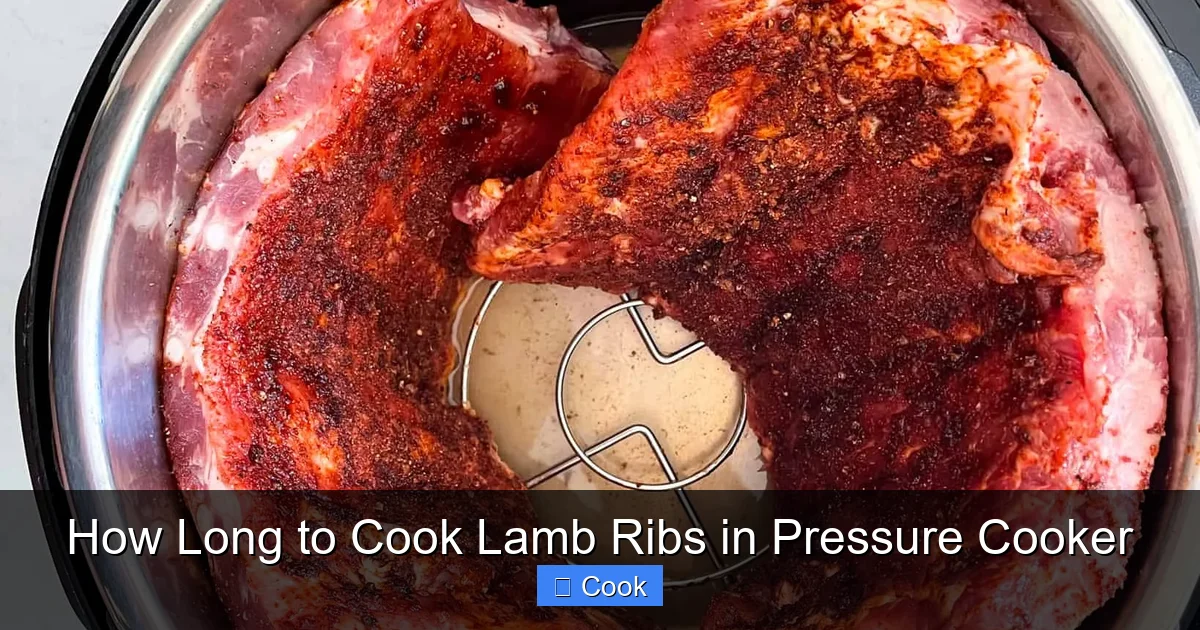
Most pressure cookers come with a metal trivet (steamer basket). Always use it when cooking lamb ribs. Placing the ribs directly on the bottom of the pot risks them sticking, burning (especially if you seared first), and making cleanup difficult. The trivet elevates the ribs, allowing steam to circulate evenly around them for uniform cooking.
Arrange the ribs standing upright on their bone side, leaning against the trivet if needed, or laid flat in a single layer if your trivet is large enough. Avoid stacking ribs directly on top of each other, as this creates uneven cooking – the ribs on the bottom will cook faster than those on top. If you have a very large rack, you might need to cut it in half to fit properly in a single layer. Overcrowding leads to steaming instead of pressure cooking and uneven results. Give the ribs a little space for the steam to work its magic.
Safety First: Handling Pressure with Confidence
Pressure cookers are incredibly safe when used correctly, but respecting the basics is vital:
- Never Overfill: Fill the pot no more than 2/3 full, including the ribs and liquid. This leaves essential space for steam expansion. For ribs, this is rarely an issue, but it’s a core rule.
- Check the Seal: Ensure the silicone sealing ring is clean, properly seated in the lid groove, and not cracked or brittle. A faulty seal prevents pressure buildup.
- Float Valve Awareness: The float valve (usually a metal pin or ball) rises when pressure builds and drops when pressure is released. Never attempt to open the lid while the float valve is up. This is the most critical safety step.
- Steam Vent Caution: Keep hands, face, and body away from the steam vent during cooking and especially during pressure release. Steam burns are serious. Use oven mitts when handling the lid.
- Clean the Vent: Regularly check and clean the steam release valve and anti-block shield according to your manual to prevent clogs, which can be dangerous.
- Lid Lock: Most modern cookers have an automatic lid lock that engages under pressure. Don’t force the lid open; wait for the lock to disengage (float valve down).
Following these steps ensures a safe and successful cooking experience. When in doubt, consult your specific pressure cooker’s manual.
Checking Doneness and Finishing Touches
How to Know Your Lamb Ribs Are Perfectly Cooked
Relying solely on the timer is risky. Always perform a doneness check after the natural pressure release is complete and you’ve safely opened the pot. Here’s how:
- The Fork Test (Most Reliable): Carefully remove a rib (use tongs – they’ll be hot!) and place it on a cutting board. Insert a fork into the meat, near the bone. If the meat easily pulls away from the bone with minimal resistance, and the fork slides in smoothly, they are done. There should be no tough, stringy bits. If it’s still tough or chewy, they need more time (see below).
- The Bend Test: Using tongs, gently lift a rib rack by the center. If it bends significantly and the meat starts to crack or separate along the bone, it’s likely done. If it holds its shape rigidly, it needs more time.
- Visual Cues: The meat should look deeply browned (if seared) or have a rich color, and it should appear moist, not dry or shrunken away from the bones.
What if they’re not done? Don’t panic! Place the ribs back in the pot (on the trivet), add a splash more liquid if needed (just enough to cover the bottom), reseal the lid, and cook for an additional 3-5 minutes on High Pressure. Repeat the NPR (10 min) and check again. It’s better to add short bursts than to drastically overcook them initially.
The Magic of Finishing: Caramelization and Sauce
The pressure cooker gives you incredibly tender ribs, but the high-moisture environment means they lack the appealing caramelized exterior you get from grilling or roasting. Finishing is key for texture and visual appeal.
- Broiler Finish (Easiest): Preheat your oven broiler. Transfer the cooked ribs to a foil-lined baking sheet. Brush generously with your favorite BBQ sauce, a simple garlic-herb butter, or just a light coating of oil. Broil for 3-5 minutes, watching closely, until the sauce bubbles and caramelizes or the edges get nicely browned. Flip once if needed.
- Grill Finish (Best Flavor): Heat a grill to medium-high. Brush ribs with oil or sauce. Grill for 2-4 minutes per side, until nicely charred and heated through. This adds fantastic smoky notes.
- Searing Finish (Quick Option): Use the “Sauté” function on your pressure cooker. Heat a little oil in the pot, then carefully sear the cooked ribs for 1-2 minutes per side until browned.
Making a Sauce: The cooking liquid is liquid gold! Strain it through a fine-mesh sieve into a saucepan, discarding solids. Skim off excess fat with a spoon. Simmer the liquid over medium heat until it reduces and thickens slightly into a glossy sauce (5-10 minutes). You can enrich it with a splash of red wine, a pat of butter, or a teaspoon of Dijon mustard. Serve the ribs drizzled with this sauce or on the side for dipping. This step transforms simple ribs into a restaurant-worthy dish.
Troubleshooting Common Pressure Cooker Lamb Rib Issues
Ribs Are Tough or Chewy
This is almost always due to insufficient cooking time or, more commonly, skipping the Natural Pressure Release (NPR). Double-check that you allowed 10-15 minutes of NPR after the timer ended. If you did NPR and they’re still tough, they simply need more pressure time. Return them to the pot with a splash of liquid and cook for another 3-5 minutes on High Pressure, followed by another 10-minute NPR. Ensure you used enough liquid initially (at least 1 cup). Very thick or particularly tough cuts (like from an older lamb) might inherently need the full 35 minutes.
Ribs Are Falling Apart / Mushy
This usually means they were cooked for too long under pressure. While 35 minutes is the upper limit for standard ribs, if your rack was thinner or your cooker runs “hot,” it might have been overdone. Next time, start with 25 minutes and check doneness. Avoid stirring the ribs vigorously when removing them from the pot, as they’ll be very delicate. Mushy ribs are still edible (great for tacos or sandwiches!), but lack texture. Prevention is key: know your rib thickness and err on the side of slightly less time, checking early.
Not Enough Flavor
Pressure cooking is efficient but doesn’t develop deep Maillard browning like roasting or grilling. Searing before cooking is the best solution. Also, ensure your seasoning rub was generous. The cooking liquid is crucial for flavor infusion – use broth or wine instead of plain water, and add aromatics (garlic, onion, herbs) to the liquid. Don’t skip the finishing step with sauce or a quick broil/grill, which adds significant flavor complexity. Finally, make and use that reduced cooking liquid sauce – it concentrates all the delicious flavors.
Burn Notice or “Food May Not Be Cooked” Error
This typically means the liquid burned on the bottom of the pot before pressure could build, often because there wasn’t enough liquid, the ribs were placed directly on the bottom (not on a trivet), or the pot wasn’t deglazed properly after searing. Always use the trivet, ensure at least 1 cup of liquid, and deglaze the pot thoroughly after searing by scraping the bottom with a wooden spoon while adding liquid. If you get this error, carefully discard the burnt contents (it’s unsafe to eat), clean the pot thoroughly, and start over with more liquid and the trivet.
Ribs Stick to the Trivet
This can happen if the trivet isn’t clean, if you didn’t use enough oil during searing (if searing), or if the ribs were very fatty. Ensure the trivet is clean and dry before use. If searing, make sure the oil is hot enough before adding ribs. Lightly spraying the trivet with cooking oil before placing the ribs can also help. Gently run a thin spatula around the edges when removing if they stick.
Conclusion: Your Foolproof Path to Pressure Cooker Lamb Rib Perfection
Mastering lamb ribs in your pressure cooker isn’t just about saving time – it’s about unlocking a level of tenderness and flavor that’s hard to achieve consistently with other methods, all while freeing up your oven and your time. The key, as we’ve explored, lies in understanding the core principles: the precise 25-35 minute high-pressure cook time for standard ribs, the absolute necessity of that 10-15 minute natural pressure release, the non-negotiable addition of sufficient liquid, and the smart use of the trivet. Prep work like removing the silver skin and seasoning well sets the foundation, while searing and finishing steps elevate the dish from simply “tender” to truly spectacular.
Don’t be intimidated by the process. The pressure cooker takes the guesswork and long hours out of cooking lamb ribs. Once you grasp the rhythm – the prep, the precise timing under pressure, the patient wait for natural release, and the quick finish – you’ll find it remarkably straightforward. The reward is incredibly succulent, flavorful ribs that fall off the bone with ease, ready to be the star of your dinner table any night of the week. Whether it’s a casual family meal or a special occasion, this method delivers impressive results with minimal fuss. So, grab your pressure cooker, follow these steps, and get ready to enjoy the most tender, delicious lamb ribs you’ve ever made. The perfect rack is just 30 minutes away – truly a testament to the power of modern cooking convenience meeting timeless flavor.
Frequently Asked Questions
Can I cook frozen lamb ribs in the pressure cooker?
Yes, you can cook frozen lamb ribs directly in the pressure cooker, but it will increase the cooking time. Add 5-10 minutes to your standard cook time (so 30-45 minutes total on high pressure). Ensure you still have at least 1 cup of liquid in the pot. The ribs must be frozen in a single layer for even cooking. Always perform the full 10-15 minute natural pressure release.
What’s the minimum liquid I need for lamb ribs?
The absolute minimum liquid required is 1 cup (8 ounces or 240ml). However, using 1.5 to 2 cups is strongly recommended, especially for longer cooks or if you plan to reduce the cooking liquid into a sauce. This ensures there’s enough liquid to create steam throughout the entire cooking cycle and prevents burning.
Why do my ribs sometimes fall off the bone too easily?
Ribs falling apart completely usually indicates they were cooked for too long under pressure. While 35 minutes is the upper limit for standard ribs, thinner racks or a particularly powerful cooker might need less time. Always start checking doneness at 25 minutes using the fork test. If they’re falling apart, reduce the cook time by 3-5 minutes next time.
Do I really need to remove the silver skin?
Yes, removing the silver skin is essential. This tough membrane doesn’t break down during pressure cooking and will make the ribs extremely chewy and unpleasant to eat, regardless of how long they cook. Taking the extra 2 minutes to pull it off ensures a smooth, enjoyable eating experience.
How long should I let the ribs rest after pressure cooking?
After the natural pressure release is complete and you’ve opened the pot, the ribs are technically ready to eat. However, letting them rest for 5-10 minutes after removing them from the pot (especially before finishing under the broiler or grill) allows the juices to redistribute slightly, resulting in even more moist meat. This resting time is separate from the crucial natural pressure release phase.
Can I add BBQ sauce before pressure cooking?
It’s generally not recommended to add thick BBQ sauce directly to the pressure cooker pot before cooking. Sugars and thickeners in the sauce can burn onto the bottom of the pot during the searing step (if done) or while coming up to pressure, triggering a burn error. It’s much better to pressure cook the ribs plain (or with a simple broth/wine liquid), then brush them with sauce during the final broiling or grilling step for perfect caramelization without burning.