
Master the art of cooking rice and dal together in cooker for a hassle-free, nutritious one-pot meal! This time-saving technique ensures perfectly fluffy rice and creamy dal every time, using simple ratios and smart layering. Discover how to transform basic ingredients into a comforting Indian staple in under 30 minutes.
Key Takeaways
- Perfect 1:1 Ratio: Use equal parts rice and dal (by volume) for balanced texture and cooking time.
- Soak for Success: Soak dal 20-30 minutes to reduce cooking time and improve digestibility.
- Layer Smartly: Place dal at the bottom, rice on top, and spices in between to prevent burning.
- Rest Before Serving: Let the cooker sit 10 minutes after cooking for ideal texture and flavor melding.
- Adjust Liquid Wisely: Start with 2.5 cups water per cup of rice/dal combo; tweak based on cooker type.
- Customize Freely: Add veggies, coconut milk, or tempering (tadka) to elevate the basic recipe.
- Avoid Overcrowding: Never fill the cooker beyond 2/3 capacity to prevent overflow and uneven cooking.
📑 Table of Contents
- Why Cooking Rice and Dal Together in Cooker Is a Game-Changer
- Why Cook Rice and Dal Together in a Cooker? The Benefits You Can’t Ignore
- Essential Ingredients and Tools You’ll Need
- Step-by-Step Guide to Cooking Rice and Dal Together in Cooker
- Mastering the Art: Pro Tips and Common Pitfalls
- Delicious Variations to Elevate Your Dish
- Conclusion: Your Go-To Comfort Food, Perfected
Why Cooking Rice and Dal Together in Cooker Is a Game-Changer
Imagine coming home after a long day craving a warm, comforting meal—but the thought of juggling multiple pots and timers makes you sigh. What if I told you there’s a way to whip up a complete, protein-packed Indian meal in just one pot, with minimal cleanup? That’s the magic of learning how to cook rice and dal together in cooker. This humble technique isn’t just convenient; it’s a lifesaver for busy families, students, or anyone who wants wholesome food without the fuss.
Traditionally, rice and dal (lentils) are cooked separately in Indian households. But modern pressure cookers—whether stovetop or electric—make it possible to combine them seamlessly. The result? A harmonious dish where the dal’s earthy richness infuses the rice, and the rice absorbs the aromatic spices. Plus, you save 40% of your cooking time compared to separate preparations. No more babysitting two pots or worrying about one dish overcooking while you focus on the other. It’s efficiency meets flavor, and once you try it, you’ll wonder why you didn’t start sooner.
But here’s the best part: this method isn’t just about speed. Cooking rice and dal together in cooker creates a nutritionally complete meal. Rice provides carbs for energy, while dal delivers plant-based protein and fiber. Together, they form a balanced plate that keeps you full for hours. Whether you’re a beginner in the kitchen or a seasoned cook looking to simplify weeknight dinners, this technique is your new secret weapon. Let’s dive into how to nail it every single time.
Why Cook Rice and Dal Together in a Cooker? The Benefits You Can’t Ignore
You might be thinking, “Why fix what isn’t broken?” After all, separate pots have worked for generations. But once you experience cooking rice and dal together in cooker, you’ll see why this method is revolutionary. Let’s break down the perks:
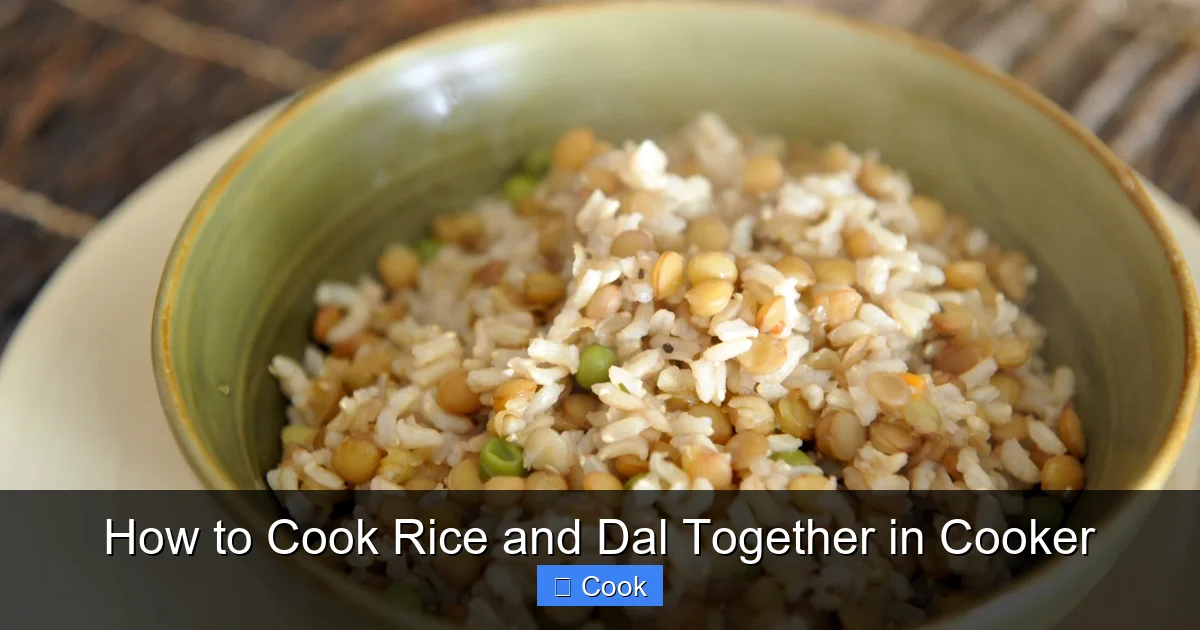
Visual guide about How to Cook Rice and Dal Together in Cooker
Image source: wikihow.com
Time-Saving Magic
Separate cooking means boiling rice for 15-20 minutes while simultaneously simmering dal for 25-30 minutes. With the combined method, both cook in sync under pressure. Most recipes finish in 15-20 minutes total—cutting your active cooking time by half. For example, if you’re using a stovetop pressure cooker, you’ll typically get 3 whistles (about 12-15 minutes) for the entire dish. Electric cookers like Instant Pots take 8-10 minutes on high pressure. That’s less time than it takes to chop onions for a curry!
Flavor Fusion Like Never Before
When rice and dal cook side by side, their flavors mingle beautifully. The dal’s natural creaminess coats the rice grains, while spices like turmeric and cumin permeate both components. This isn’t just convenient—it’s culinary alchemy. Try adding a pinch of asafoetida (hing) to the water; it reacts with the lentils to create a savory depth you can’t achieve when cooking separately. The result is a dish that tastes like it simmered for hours, even though it took minutes.
Effortless Cleanup
One pot means one scrub. No sticky rice pots, no dal splatters on the stove. For apartment dwellers or anyone short on sink space, this is a blessing. Plus, modern cookers are non-stick or stainless steel, so residue wipes off easily. Just rinse, soak, and you’re done—no more wrestling with burnt-bottomed pans.
Nutritional Powerhouse
Combining rice and dal creates a complete protein profile, essential for vegetarians and vegans. Brown rice or parboiled varieties add extra fiber, while lentils provide iron and folate. By cooking them together, you retain more nutrients since there’s no excess water draining away (unlike boiling rice separately). It’s a meal that fuels your body without weighing you down.
Essential Ingredients and Tools You’ll Need
Before we jump into the step-by-step, let’s gather your arsenal. The beauty of cooking rice and dal together in cooker is its simplicity—you likely have most items already. No fancy gadgets required!

Visual guide about How to Cook Rice and Dal Together in Cooker
Image source: twosleevers.com
Core Ingredients
- Rice: Basmati is classic for its fragrance and fluffy texture, but sona masoori or even brown rice work great. Avoid sticky varieties like sushi rice—they’ll turn mushy.
- Dal: Toor dal (pigeon peas) is traditional for sambar, but masoor dal (red lentils) cooks faster and stays creamy. Moong dal (split mung beans) is another speedy option. For this recipe, we’ll use toor dal—it holds its shape well.
- Water: The golden ratio is 2.5 cups water per 1 cup combined rice and dal. Adjust slightly based on your cooker (electric cookers need less water).
- Spices: Turmeric (for color and health benefits), cumin seeds, mustard seeds, asafoetida (hing), and salt. Optional: curry leaves, green chilies, or ginger for extra zing.
- Fat: 1-2 tbsp oil or ghee—this prevents sticking and adds richness.
Must-Have Tools
- Pressure Cooker: Stovetop (like Hawkins) or electric (Instant Pot). Both work, but timing differs slightly.
- Measuring Cup: Consistency is key! Use the same cup for rice, dal, and water.
- Strainer: For rinsing rice and dal to remove debris.
- Spatula: To gently mix ingredients without breaking grains.
Pro Tip: Always rinse rice and dal until the water runs clear. This removes starch (for rice) and dust (for dal), ensuring a clean taste. For dal, soaking 20-30 minutes is non-negotiable—it cuts cooking time and makes lentils easier to digest.
Step-by-Step Guide to Cooking Rice and Dal Together in Cooker
Ready to become a one-pot wizard? Follow these steps for foolproof results. We’ll use a standard stovetop pressure cooker, but adjustments for electric models are noted.
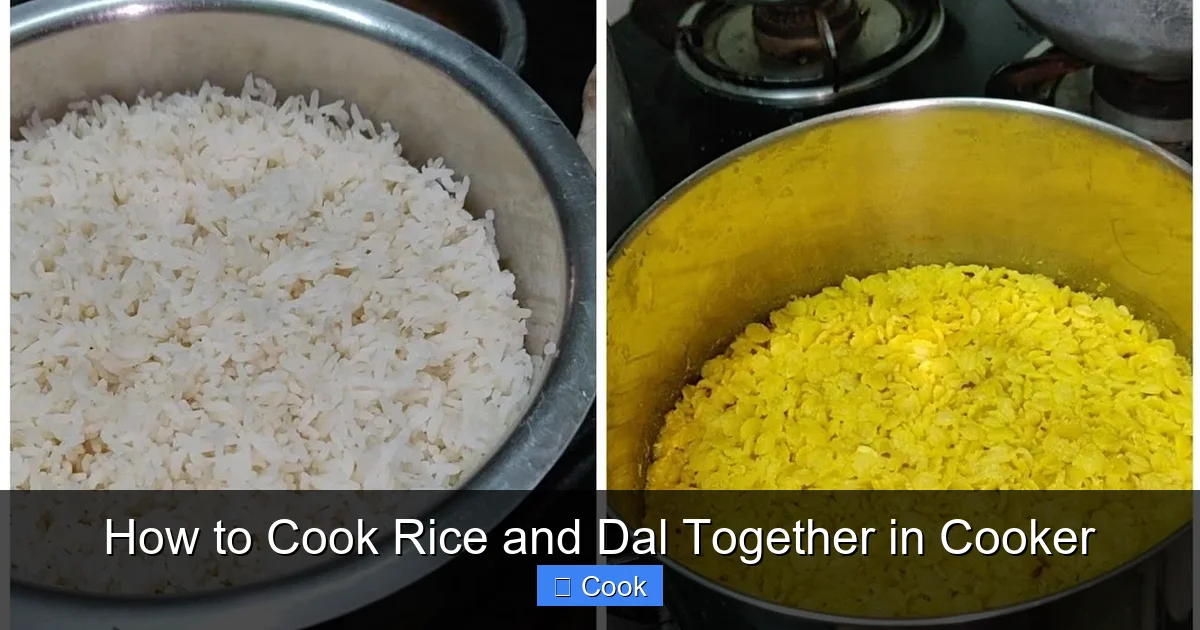
Visual guide about How to Cook Rice and Dal Together in Cooker
Image source: i.ytimg.com
Prep Work: Setting Up for Success
Start by measuring 1 cup rice and 1 cup dal. Rinse both separately in cold water 3-4 times. Soak the dal in one bowl and rice in another for 20 minutes (rice can soak longer if needed). Drain completely—excess water throws off your liquid ratio. While they soak, prep your spices: crush 1 tsp cumin seeds, ½ tsp mustard seeds, and a pinch of asafoetida. Chop 2-3 green chilies and 1-inch ginger if using.
Layering Like a Pro
Here’s where most beginners go wrong: never dump everything in at once. Proper layering prevents burnt dal and undercooked rice. Follow this order:
- Heat 2 tbsp oil/ghee in the cooker on medium. Add mustard seeds—they should splutter immediately.
- Toss in cumin seeds, asafoetida, curry leaves, ginger, and green chilies. Sauté 30 seconds until fragrant.
- Add the drained dal first. Stir for 1-2 minutes to coat in spices. This step “toasts” the dal, enhancing flavor.
- Layer the drained rice on top. Do not stir—this keeps the dal at the bottom where heat is strongest.
- Pour in 2.5 cups water and 1 tsp salt. Gently shake the cooker to level the rice (no stirring!).
Cooking and Resting: The Pressure Game
Secure the lid and bring to high pressure. For stovetop cookers:
- Medium-high heat until you hear 1 whistle (about 3-4 minutes).
- Reduce heat to low and cook for 2 more whistles (total 3 whistles).
- Turn off heat and let pressure release naturally for 10 minutes (NPR).
- Carefully quick-release remaining pressure.
For electric cookers like Instant Pot:
- Set to “Pressure Cook” for 8 minutes on high.
- Allow 10 minutes NPR, then quick-release.
Critical Step: After cooking, do not open immediately. Let the cooker sit 10 minutes off-heat. This “resting” period lets steam redistribute, ensuring fluffy rice and creamy dal. Skipping this causes sogginess.
Fluffing and Serving
Open the lid away from you (steam is hot!). Use a fork to gently fluff the rice from top to bottom—don’t stir vigorously, or you’ll break grains. The dal should be tender but not mushy; rice should be separate and glossy. If water pools at the bottom, cook uncovered for 2-3 minutes to evaporate excess moisture.
Serve hot with a dollop of ghee, a side of pickle, or fresh cucumber slices. For extra flair, drizzle with tempering (tadka): heat 1 tbsp oil, add 1 tsp cumin and 2 dried red chilies, pour over the dish.
Mastering the Art: Pro Tips and Common Pitfalls
Even with perfect steps, small tweaks elevate your dish from good to great. Let’s troubleshoot like a pro.
The Liquid Ratio Secret
Too much water = mush. Too little = crunchy rice. Start with 2.5:1 (water to rice/dal). If using:
- Electric cookers: Reduce water by ¼ cup (they retain more moisture).
- Brown rice or older lentils: Add ½ cup extra water (they absorb more).
- High altitude: Increase water by 2-3 tbsp (water boils at lower temps).
Test with a pinch of rice—if it’s tender but not sticky after cooking, your ratio is perfect.
Soaking: Your Secret Weapon
Skipping dal soaking? Big mistake. Soaked dal cooks 30% faster and splits evenly, creating that signature creamy texture. For rice, soaking 20-30 minutes prevents breakage. Pro move: Soak dal in warm water with a pinch of salt—it softens skins faster.
Avoiding the Burnt Bottom
If your dal sticks to the cooker bottom:
- Always sauté dal in oil before adding water.
- Use medium heat—not high—after the first whistle.
- Place a heat diffuser under stovetop cookers for even heating.
Burnt bits add a smoky flavor some love, but if it’s bitter, discard the bottom layer.
Texture Troubleshooting
- Rice too hard: Add 2 tbsp hot water, close lid, and steam 5 minutes.
- Rice too soft: Spread on a tray; fan for 2 minutes to evaporate moisture.
- Dal not creamy: Mash slightly with a spoon after cooking, or add 1 tbsp coconut milk.
Delicious Variations to Elevate Your Dish
Once you’ve mastered the basics, experiment! These twists keep things exciting.
Veggie-Packed Power Bowl
Add ½ cup diced carrots, peas, or beans to the dal layer before rice. They’ll cook perfectly in the steam. For leafy greens like spinach, stir in after cooking to retain color and nutrients.
Coconut Milk Creaminess
Replace ½ cup water with coconut milk. It adds subtle sweetness that pairs beautifully with toor dal. Garnish with fresh cilantro for a Thai-inspired twist.
Spice It Up with Tadka
After cooking, heat 2 tbsp oil with 1 tsp mustard seeds, 10 curry leaves, and 2 slit green chilies. Pour over the rice-dal mix. The sizzle releases incredible aromas—restaurant-style in minutes!
Protein Boost
Stir in 2 beaten eggs after cooking (like a kedgeree). Or top with pan-fried tofu for extra protein. For non-vegetarians, add cooked chicken to the tadka.
Regional Twists
- South Indian: Add 1 tsp tamarind paste and ½ tsp jaggery to the water for tangy-sweet sambar rice.
- Punjabi: Mix in 2 tbsp yogurt before pressure cooking for a creamy, tangy dal chawal.
- Gujarati: Add 1 tsp sugar and ¼ cup chopped tomatoes for a sweet-savory version.
Conclusion: Your Go-To Comfort Food, Perfected
Cooking rice and dal together in cooker isn’t just a recipe—it’s a ritual that brings warmth and nourishment to your table with minimal effort. Whether you’re a student burning midnight oil, a parent juggling after-school chaos, or simply craving a taste of home, this one-pot wonder delivers every time. The beauty lies in its adaptability: tweak spices for heat, swap lentils for variety, or toss in seasonal veggies to keep things fresh.
Remember, the key to success is respecting the process—soak your dal, layer wisely, and let the cooker rest. Don’t fear mistakes; even if your first attempt is slightly off, you’re learning. In a world of complex recipes and endless cleanup, this method is a reminder that simplicity often yields the deepest satisfaction. So grab your cooker, measure your ingredients, and discover why generations of Indian families have trusted this humble dish to feed bodies and souls. Your perfect bowl of rice and dal is just 20 minutes away.
Frequently Asked Questions
Can I use any type of dal for this recipe?
Yes! Toor dal and masoor dal work best due to their quick cooking time and creamy texture. Avoid whole lentils like chana dal—they take too long and may not soften properly. Split lentils (without skin) are ideal for one-pot cooking.
Why is my rice sticky after cooking?
Sticky rice usually means excess water or insufficient rinsing. Always rinse rice until water runs clear to remove surface starch. Also, ensure you’re using the right water ratio (2.5 cups per cup of rice/dal) and let the dish rest 10 minutes post-cooking before fluffing.
Can I cook brown rice with dal in a pressure cooker?
Absolutely! Brown rice takes longer, so increase cooking time by 5-7 minutes (stovetop: 4 whistles; electric: 15 minutes). Add ¼ cup extra water since brown rice absorbs more liquid. Soak both rice and dal for 30 minutes first for best results.
How do I prevent dal from burning at the bottom?
Always sauté dal in oil for 1-2 minutes before adding water—this creates a protective layer. Cook on medium-low heat after the first whistle, and never fill the cooker beyond 2/3 capacity. Using a heat diffuser under stovetop models also helps distribute heat evenly.
Can I add vegetables to the rice and dal?
Yes! Hard veggies like carrots, beans, or potatoes go in with the dal layer. Soft veggies like spinach or peas should be added after cooking. Avoid watery vegetables (e.g., tomatoes) unless you reduce added liquid by 2-3 tbsp to compensate.
Is it safe to cook rice and dal together in an electric pressure cooker?
Definitely! Electric cookers like Instant Pots are perfect for this method. Use the “Pressure Cook” or “Bean/Chili” setting for 8 minutes on high pressure, followed by 10 minutes natural release. Always ensure the liquid ratio is slightly reduced (2.25 cups per cup of rice/dal) to account for less evaporation.