
Discover the foolproof method to revive soggy fries into crispy perfection using your air fryer oven. This technique locks in crunch without drying them out, taking just minutes. Say goodbye to microwave mush and hello to restaurant-quality reheated fries at home!
Key Takeaways
- Preheat is non-negotiable: Always preheat your air fryer oven to 375°F (190°C) for 3-5 minutes before adding fries to ensure immediate crispness.
- Don’t overcrowd the basket: Spread fries in a single layer with space between them; overcrowding traps steam and guarantees sogginess.
- Shake halfway through: Gently toss or shake the basket at the 3-4 minute mark for even reheating and consistent browning.
- Check early, check often: Start checking at 4 minutes; total time rarely exceeds 8 minutes to prevent burning.
- Light oil spray boosts crispness: A *very light* mist of oil (avocado, canola) on cold fries before reheating revives texture significantly.
- Avoid the microwave: Microwaves steam fries, making them limp; the air fryer’s circulating hot air is essential for crunch.
- Serve immediately: Fries lose crispness fast after reheating; enjoy them right out of the basket for best results.
Quick Answers to Common Questions
Can I reheat frozen French fries in an air fryer oven?
Absolutely! Frozen fries reheat beautifully in an air fryer oven. Follow the same steps: preheat to 375°F, spread in a single layer, cook for 8-12 minutes (shaking halfway), checking for crispness. No need to thaw first.
Do I need to add oil when reheating fries?
A very light spritz of oil (avocado, canola) significantly boosts crispness by helping conduct heat, especially if the original fries were lean. It’s not strictly necessary, but highly recommended for best results. Avoid drenching them.
Why are my reheated fries still cold in the middle?
This usually means they were overcrowded (trapping cold air) or the air fryer wasn’t preheated enough. Ensure a single layer and always preheat for 3-5 minutes before adding cold fries.
How long do reheated fries stay crispy?
Reheated fries are best enjoyed immediately. They will start to lose crispness within 5-10 minutes of removal from the air fryer due to ambient moisture. Serve them right away for peak texture.
Can I reheat fries without an air fryer basket (using the oven function)?
Yes! Place fries on a rack set over a baking sheet (to allow air circulation) in the air fryer oven’s bake mode at 375°F. Cook time may be slightly longer (10-15 mins), and shaking is still crucial. The basket method is generally faster and crispier.
📑 Table of Contents
- Why Your Air Fryer Oven is the Secret Weapon for Perfect Reheated Fries
- Why the Air Fryer Oven Beats Every Other Method (Hands Down)
- Essential Prep: Setting Up for Reheating Success
- Step-by-Step: Your Foolproof Reheating Guide
- Troubleshooting Common Reheating Problems
- Pro Tips and Variations for Next-Level Reheated Fries
- Conclusion: Crispy Fries Are Always Within Reach
Why Your Air Fryer Oven is the Secret Weapon for Perfect Reheated Fries
We’ve all been there. You ordered takeout, got distracted, and now those once-golden, irresistible French fries are sitting cold and sad in the container. The microwave seems like the obvious fix, but we all know that sad, soggy, slightly rubbery outcome. It’s a culinary tragedy. But what if I told you there’s a way to bring those fries back to life – not just warm them up, but actually restore that coveted crispy exterior and fluffy interior? Enter the air fryer oven. This countertop marvel isn’t just for cooking from scratch; it’s the undisputed champion for reheating leftovers, especially French fries. Forget the microwave’s steamy demise. The air fryer oven uses rapid, superheated air circulation to mimic the intense heat of a deep fryer, but without the oil bath. This process rapidly evaporates surface moisture, re-crisping the exterior while gently warming the inside. The result? Fries that taste remarkably close to fresh-out-of-the-fryer perfection. It’s fast, it’s easy, and it transforms disappointment into delight. In this guide, we’ll dive deep into exactly how to reheat French fries in an air fryer oven, step-by-step, ensuring you never suffer through limp leftovers again.
The magic lies in the physics of the air fryer. Unlike an oven that heats the surrounding air slowly (leading to dried-out fries) or a microwave that excites water molecules internally (causing sogginess), the air fryer oven blasts food with concentrated, swirling hot air. This intense, direct heat quickly zaps the surface moisture that makes fries limp. Crucially, it does this *before* the interior overheats and dries out. Think of it as a targeted crisping action. The perforated basket allows the hot air to flow *all around* the fries, ensuring even heating from every angle. This is why a single layer is so critical – it gives the air space to work its magic on each individual fry. The air fryer oven’s efficiency means you’re typically looking at a reheating time of just 4-8 minutes, making it incredibly convenient for a quick snack or side dish revival. It’s the difference between a sad side and a star attraction.
Why the Air Fryer Oven Beats Every Other Method (Hands Down)
Let’s be honest: reheating fries is a common problem, and most of us have tried multiple methods. But why does the air fryer oven consistently come out on top? Understanding the weaknesses of other methods highlights just how perfectly suited the air fryer is for this task. The microwave is the go-to for speed, but it’s fundamentally flawed for crispy foods. Microwaves heat food by agitating water molecules *inside* the fry. This creates steam, which then condenses on the surface, turning that once-crisp exterior into a soggy, unappetizing mess. You might get warmth, but you sacrifice all texture. It’s a trade-off no fry lover should accept.
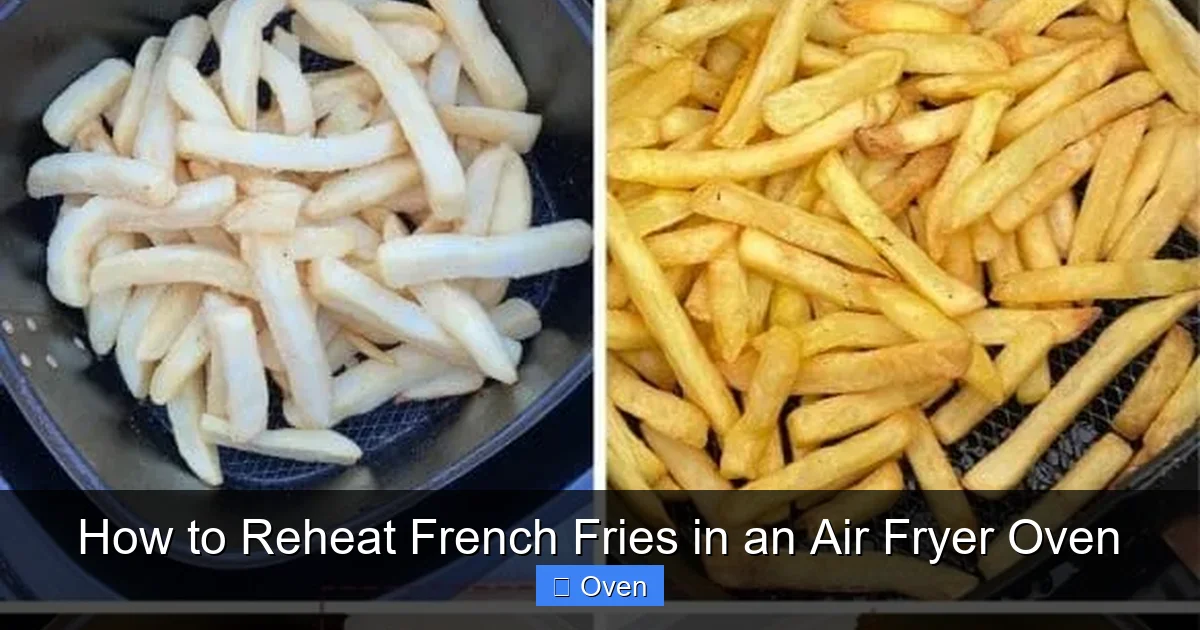
Visual guide about How to Reheat French Fries in an Air Fryer Oven
Image source: recipethis.com
Conventional ovens are better than microwaves but still fall short. While they can crisp fries, the process is slow (often 15-20 minutes preheating plus cooking time) and inefficient. The ambient heat takes longer to penetrate and dry the surface, often leading to fries that are dried out on the outside and still cold in the middle, or worse, burnt edges with a raw center. You also risk heating up your entire kitchen unnecessarily for such a small task. Stovetop methods, like a skillet with a tiny bit of oil, *can* work well but require constant attention, stirring, and carry a higher risk of burning or uneven cooking. They also add extra cleanup. The air fryer oven solves all these issues: it’s lightning-fast (preheats in minutes, cooks in under 10), uses focused energy efficiently, requires minimal attention (just a shake halfway), and delivers consistent, even results with that essential crunch. It’s simply the most effective tool for the job.
The Science of Crisp: How Hot Air Revives Your Fries
To truly master reheating, it helps to understand *why* the air fryer works so well. French fries get soggy primarily because moisture migrates to the surface as they cool. The starch on the exterior, once crispy from frying, absorbs this moisture and softens. Reheating them effectively requires rapidly evaporating that surface moisture *before* the heat penetrates too deeply and dries out the potato interior. This is where the air fryer’s rapid air circulation shines. The powerful fan pushes extremely hot air (typically 375°F-400°F) directly onto the fries at high speed. This intense, direct heat flash-evaporates the surface moisture almost instantly. Simultaneously, the hot air begins to gently warm the interior. Because the process is so fast, the interior doesn’t have time to overheat and lose its fluffy texture before the exterior is re-crisped. It’s a delicate balance achieved perfectly by the air fryer’s design. The key takeaway? Speed and direct heat are paramount, and the air fryer delivers both in spades.
What Makes an Air Fryer Oven Different (and Better) Than a Standard Air Fryer?
You might be wondering, “Isn’t this the same as using a regular air fryer basket?” While the core principle (rapid air circulation) is identical, air fryer ovens often have distinct advantages for reheating fries, especially larger quantities or specific types. Standard basket air fryers are fantastic, but their compact size can make it harder to achieve that crucial single layer without overcrowding, especially if you have a lot of fries. Air fryer ovens typically feature a larger, rectangular baking chamber with multiple rack positions. This gives you more flexibility. You can use the included basket *or* place fries on a rack (lined with foil or a mat for easy cleanup), allowing hot air to circulate *above and below* the fries for even more uniform heating and crispness. Some models also have dedicated “reheat” or “crisp” functions that optimize temperature and fan speed specifically for tasks like this, though the manual method we’ll describe works perfectly on any model. The larger cavity also makes shaking or tossing the fries much easier without spilling. If you have an air fryer oven, you likely have the ideal tool already sitting on your counter.
Essential Prep: Setting Up for Reheating Success
Success starts *before* you even turn on the air fryer. Skipping these simple prep steps is the fastest route to disappointing, soggy results. Think of it as laying the foundation for crispy perfection. The most critical step is achieving a single layer. Piling fries on top of each other creates pockets of trapped steam. This steam is the enemy of crispness – it prevents the hot air from reaching the surfaces of the fries buried underneath, leaving them limp and cold in the middle while the top layer might overcook. Spread your cold fries out in the basket or on the rack so they aren’t touching each other as much as possible. If you absolutely must reheat a large amount, do it in multiple batches. It’s far better to reheat twice than to ruin a whole portion with sogginess. Don’t worry about perfection; just aim for minimal overlap.

Visual guide about How to Reheat French Fries in an Air Fryer Oven
Image source: natashaskitchen.com
Another often-overlooked prep step is a *very light* application of oil. Cold, leftover fries have lost some of their surface oil, which contributed to their original crispness. A tiny mist of oil (use an oil sprayer for control – avocado, canola, or light olive oil work well) helps conduct heat more effectively and aids in re-crisping. Crucially, this is **not** about drenching them. A light, even spritz from about 6-8 inches away is sufficient. Too much oil will make them greasy, not crisp. If your fries were already very oily or you’re avoiding extra fat, you can skip this step, but it does make a noticeable difference in texture revival. Finally, ensure your air fryer oven basket or rack is clean and dry. Any residual grease or moisture can interfere with the reheating process. Taking these 60 seconds for prep makes a massive difference in your final outcome.
Preheating: The Non-Negotiable First Step
You wouldn’t put a cold steak on a hot grill and expect a good sear, right? The same principle applies to reheating fries in an air fryer oven. Preheating is absolutely essential and cannot be skipped. Why? Because when you add cold fries to a cold basket, the air fryer has to spend the first few minutes just heating up the basket and the surrounding air, not the fries themselves. This slow start means the fries sit in a lukewarm environment, allowing surface moisture to linger and potentially get steamed, leading to sogginess. Preheating the air fryer oven to your target temperature (usually 375°F/190°C) for 3-5 minutes ensures that the moment your cold fries hit the basket, they are hit with intense, dry heat. This immediate blast of hot air is what flash-evaporates that surface moisture and kickstarts the re-crisping process instantly. It’s the difference between fries that are merely warmed through and fries that are genuinely revived with a satisfying crunch. Set your timer, walk away, and let the oven get ready for action.
Choosing the Right Temperature and Time (It’s Simpler Than You Think)
While specific models might have slight variations, the sweet spot for reheating French fries in an air fryer oven is remarkably consistent: **375°F (190°C)**. This temperature is high enough to rapidly evaporate surface moisture and re-crisp the exterior, but not so high that it risks burning the fries before the interior is warmed through. It strikes the perfect balance between speed and safety. Avoid the temptation to crank it up to 400°F+ hoping for faster results – you’ll likely end up with burnt exteriors and cold centers. Conversely, going too low (like 325°F) will take much longer and may not achieve the desired crispness, potentially leaving fries greasy or soggy.
Timing is equally straightforward but requires a bit of attention. **Start checking at 4 minutes.** Total reheating time rarely exceeds 6-8 minutes for standard leftover fries. Factors like the initial temperature of the fries (straight from the fridge vs. room temp), the thickness of the fries (thin shoestrings vs. thick steak fries), and how crowded the basket is will cause minor variations. The key is to **check early and check often.** Look for golden brown color, listen for the sizzle (a sign of moisture evaporating), and most importantly, *taste one*. They should be hot throughout, with a crisp exterior yielding to a fluffy interior. If they need more time, add 1-2 minute increments. Overcooking is the enemy here – it leads to dry, tough fries. Remember, they will continue to cook slightly from residual heat after removal.
Step-by-Step: Your Foolproof Reheating Guide
Now that you understand the why and the prep, let’s walk through the actual process. Following these steps precisely will guarantee crispy, hot, delicious reheated fries every single time. It’s incredibly simple, but attention to detail makes all the difference.
Step 1: Prep Your Fries & Preheat
Take your cold French fries out of the refrigerator. If they’ve been sitting in a container, give them a gentle toss in a bowl to separate any that are stuck together. Spread them out in a single layer in your clean air fryer oven basket or on a rack (lined with foil or a silicone mat if desired). If using oil, give them a *very light* mist from your sprayer. Set your air fryer oven to 375°F (190°C) and preheat for 3-5 minutes. This step is crucial – don’t skip it!
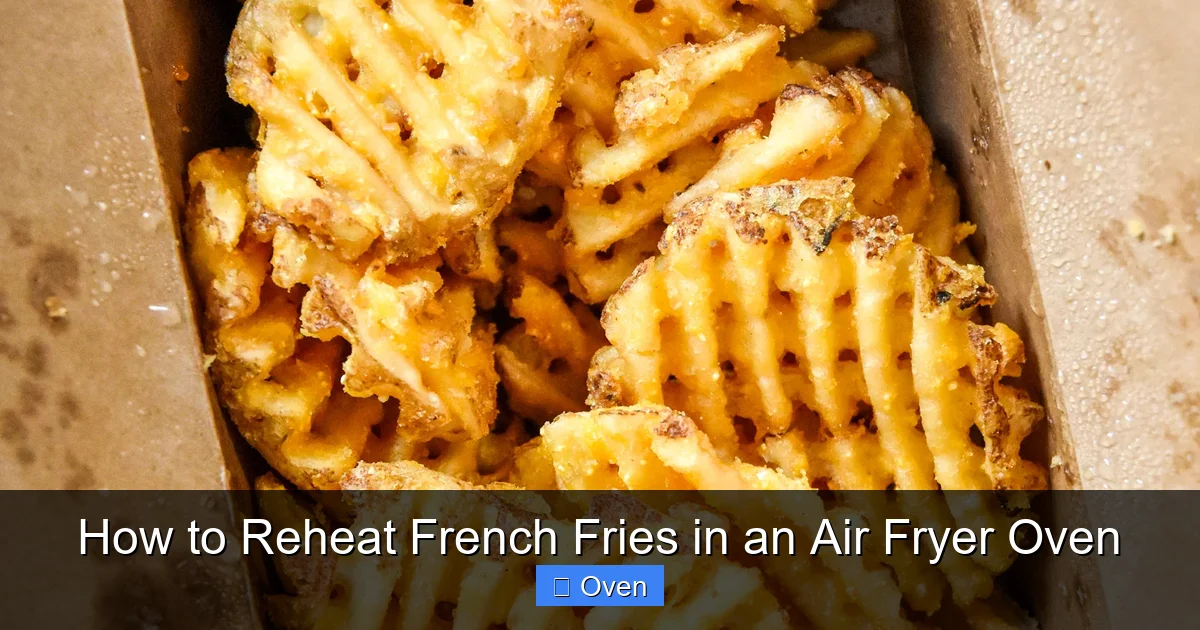
Visual guide about How to Reheat French Fries in an Air Fryer Oven
Image source: cdn5.projectmealplan.com
Step 2: Load and Reheat
Once preheated, carefully place the basket or rack with the fries into the air fryer oven. Close the door securely. Set the timer for **4 minutes**. Resist the urge to open the door during this first phase – you need that consistent heat to start the crisping process.
Step 3: The Critical Shake/Toss
When the timer beeps at 4 minutes, **pause the cooking**. Carefully pull out the basket or rack. Using tongs or by gently shaking the basket (if safe to do so), toss or flip the fries. This ensures even exposure to the hot air on all sides, preventing some fries from browning too much while others remain pale and soggy. If using a rack, you might need to gently flip individual fries with tongs. This step is vital for uniform results.
Step 4: Finish Cooking & Check
Return the basket or rack to the air fryer oven. Close the door and cook for another **2-4 minutes**. Start checking at the 6-minute total mark (2 minutes after the shake). Look for deep golden brown color and listen for that satisfying sizzle. The fries should feel hot and look crisp. **This is the most important step:** Taste one! It should be hot throughout, with a crisp exterior and a fluffy, tender interior. If they need more time, cook in 1-minute increments, checking after each.
Step 5: Serve Immediately
Once perfectly reheated, immediately remove the fries from the air fryer oven. They will continue to cook slightly from residual heat, so don’t leave them sitting in the basket. Transfer them to a serving plate or bowl. Sprinkle with a pinch of salt if desired (though most leftover fries are already seasoned). **Serve right away!** Fries lose their crispness rapidly once removed from the intense heat. The window for peak enjoyment is narrow – savor them while they’re hot and crunchy.
Troubleshooting Common Reheating Problems
Even with the best method, things can occasionally go slightly off track. Don’t worry – most issues have simple fixes. Here’s how to diagnose and solve the most common reheating hiccups.
Problem: Fries are Still Soggy or Limp
This is almost always due to **overcrowding the basket** or **skipping the preheat**. Steam trapped between crowded fries prevents proper crisping. Solution: Always use a single layer, even if it means multiple batches. Ensure you preheat thoroughly. If they’re still soggy after the first cycle, try a *very light* extra spritz of oil and cook for another 1-2 minutes, shaking well.
Problem: Fries are Dry, Tough, or Burnt
This usually means **cooking too long** or at **too high a temperature**. Solution: Start checking much earlier next time (at 3.5-4 minutes total). Reduce the temperature slightly (to 365°F) if your model runs hot. Remember, residual heat continues cooking them after removal. Pull them out *just* before they look perfectly done.
Problem: Fries are Unevenly Cooked (Some Burnt, Some Cold)
The primary culprit is **not shaking/tossing halfway**. Fries on the bottom or edges get more direct heat. Solution: Make the shake/toss at the 4-minute mark non-negotiable. Ensure your basket isn’t overloaded, allowing air to circulate freely around all fries.
Problem: Fries Taste Greasy
This can happen if you **used too much oil** during prep or if the original fries were excessively oily. Solution: Skip the oil spray next time, or use an even lighter mist. Ensure you’re using a rack (not just the basket) to allow excess oil to drip away during reheating.
Problem: Fries Stick to the Basket/Rack
Usually due to **not preheating enough** or **using too much oil** (making them sticky). Solution: Ensure thorough preheating. For the rack, use a light coating of cooking spray *before* adding fries, or line with parchment paper (cut to fit) or a silicone mat. Avoid over-oiling the fries themselves.
Pro Tips and Variations for Next-Level Reheated Fries
You’ve mastered the basics – now let’s elevate your reheated fry game with some expert-level tips and fun variations. These small tweaks can make a big difference in flavor and texture.
Flavor Boosters: Beyond Basic Salt
While salt is classic, reheating is a perfect opportunity to add a flavor twist. After the final shake (around the 4-minute mark), sprinkle lightly with:
- Garlic Powder & Onion Powder: Classic savory goodness.
- Parmesan Cheese: Adds a salty, nutty richness (sprinkle in the last minute to melt).
- Smoked Paprika or Chili Powder: For a touch of smokiness or heat.
- Everything Bagel Seasoning: Unexpected but delicious!
- Truffle Salt: For a luxurious finish (use sparingly).
Remember: Less is more. You don’t want to weigh down the fries or make them soggy.
Reheating Different Types of Fries
Not all fries are created equal. Adjust your method slightly for:
- Thin Shoestring Fries: Cook at 375°F for 3-5 minutes total. They reheat very quickly and burn easily. Check at 3 minutes.
- Thick Steak Fries or Wedges: May need 6-9 minutes total at 375°F. Ensure they are in a single layer; thicker cuts take longer to heat through.
- Sweet Potato Fries: Often benefit from a slightly lower temp (365°F) for 5-7 minutes to prevent burning their natural sugars. A light oil spray is especially helpful.
- Frozen Fries (Leftover from a bag): Follow the same method! They reheat beautifully. No need to thaw.
- Crispy Seasoned Fries (e.g., from a restaurant):strong> Be extra careful with timing (start checking at 3.5 min) as the seasoning can burn. Skip extra oil.
Oil-Free Reheating: Is It Possible?
Yes, but manage expectations. Without the light oil spray, achieving *maximum* crispness is harder, especially if the original fries were lean. The air fryer’s hot air will still warm and slightly crisp them, but they might lack that deep, restaurant-style crunch. To maximize results oil-free: ensure perfect single layer, preheat meticulously, and consider adding a tiny pinch of cornstarch to the cold fries before reheating (it helps absorb moisture). However, for the absolute best texture revival, that light oil mist is highly recommended.
Storing Leftovers for Optimal Reheating
How you store fries initially impacts how well they reheat. For best results:
- Cool Quickly: Don’t let hot fries sit in a sealed container; spread them out on a baking sheet to cool completely before storing. This prevents condensation (steam) inside the container, which leads to sogginess.
- Store Airy: Transfer cooled fries to an airtight container or resealable bag. Don’t pack them tightly; leave a little air space. You can also place a paper towel inside the container to absorb any residual moisture.
- Refrigerate Promptly: Get them in the fridge within 2 hours of cooking.
- Consume Within 3 Days: Fries reheat best within 2-3 days. Beyond that, quality degrades significantly.
Conclusion: Crispy Fries Are Always Within Reach
Reheating French fries doesn’t have to be a gamble ending in soggy disappointment. Your air fryer oven is the ultimate tool to transform cold, limp leftovers back into hot, crispy, crave-worthy perfection. It’s fast, incredibly easy, and delivers results that simply can’t be matched by microwaves or conventional ovens. By understanding the core principles – the importance of preheating, the critical need for a single layer, the magic of the halfway shake, and the precise timing – you unlock a superpower for your leftovers. Remember the golden rules: preheat to 375°F, spread fries out, shake at 4 minutes, check early, and serve immediately. It takes less time than reheating in a microwave, and the payoff is exponentially better.
Don’t let another batch of fries go to waste. The next time you have leftovers, skip the microwave and fire up your air fryer oven. In just 5-8 minutes, you’ll be enjoying fries that taste remarkably close to fresh. It’s a small effort for a huge reward – that satisfying crunch, the fluffy interior, the hot, salty goodness. Whether it’s a quick snack, a side for dinner, or reviving takeout, mastering how to reheat French fries in an air fryer oven ensures you always have a delicious option at hand. So, go ahead, give it a try. Your taste buds (and your future self, facing leftover fries) will thank you. Crispy fries are no longer a luxury reserved for the restaurant – they’re just a few minutes away in your own kitchen.
Frequently Asked Questions
What’s the best temperature to reheat French fries in an air fryer oven?
The ideal temperature is 375°F (190°C). This high heat rapidly evaporates surface moisture to re-crisp the exterior without overcooking the interior. Avoid higher temps to prevent burning.
How long does it take to reheat fries in an air fryer oven?
Typically 5-8 minutes total. Start checking at 4 minutes after a shake/toss. Time varies based on fry thickness and quantity, but rarely exceeds 8 minutes for standard leftovers.
Why shouldn’t I use the microwave to reheat fries?
Microwaves heat food by exciting internal water molecules, creating steam that condenses on the fry’s surface, making it soggy. They cannot restore crispness like the dry, circulating hot air of an air fryer oven.
Can I reheat fries that have been in the fridge for 4 days?
While technically possible, fries stored beyond 3 days often lose quality and may not reheat well, potentially developing off-flavors. For best results and safety, consume reheated fries within 3 days of initial cooking.
Do I need to preheat the air fryer oven for reheating fries?
Yes, preheating for 3-5 minutes is essential. Adding cold fries to a cold basket delays the crisping process, allowing moisture to linger and cause sogginess. Preheating ensures immediate, effective re-crisping.
Why is shaking the basket halfway through so important?
Shaking or tossing the fries at the 4-minute mark ensures even exposure to the hot air on all sides. Without it, fries on the bottom or edges overcook while others remain pale and soggy, leading to inconsistent results.