Roasting Brussels sprouts at 425°F typically takes 20-25 minutes for perfect results: crispy caramelized edges with tender centers. Key factors include halving larger sprouts, tossing generously with oil, and avoiding overcrowding the pan. Always check for doneness by piercing with a fork – they should yield easily but hold shape.
Key Takeaways
- 20-25 Minutes is the Sweet Spot: This is the standard roasting time range for halved Brussels sprouts at 425°F, yielding ideal texture and caramelization.
- Prep is Non-Negotiable: Trim stems, remove loose leaves, and halve larger sprouts for even cooking and maximum crispiness.
- Oil is Essential for Crispness: Toss sprouts thoroughly with 1-2 tablespoons of high-heat oil (like avocado or olive oil) per pound to achieve that coveted golden-brown exterior.
- Don’t Crowd the Pan: Spread sprouts in a single layer with space between them on a large rimmed baking sheet; overcrowding steams them instead of roasting.
- Check for Doneness Early: Start testing at 18 minutes by piercing a sprout with a fork; it should slide in easily but the sprout should still hold its shape.
- Season Generously Before Roasting: Salt and pepper (or other dry spices) applied before cooking penetrate better than adding after.
- Shake the Pan Midway: Gently toss or shake the pan at the 10-12 minute mark to ensure even browning on all sides.
Quick Answers to Common Questions
Can I roast frozen Brussels sprouts at 425°F?
Yes, but add 5-8 minutes to the cooking time. Spread frozen sprouts in a single layer on the pan (no need to thaw), toss with oil and seasonings, and roast. They may release more moisture initially, so ensure they aren’t overcrowded. Check for doneness starting at 25 minutes.
What oil is best for roasting Brussels sprouts at 425°F?
Avocado oil is ideal due to its high smoke point and neutral flavor. Good quality extra virgin olive oil works well too, adding pleasant flavor (use one you enjoy tasting). Avoid oils with low smoke points like unrefined walnut or flaxseed oil.
Should I cover the pan with foil while roasting?
No, never cover the pan! Covering traps steam, which prevents the sprouts from crisping up and leads to soggy, steamed results. Roasting requires dry heat for caramelization.
Can I roast Brussels sprouts whole at 425°F?
You can, but it takes significantly longer (35-45+ minutes) and often results in uneven cooking – the outside may overcook before the center is tender. Halving is strongly recommended for best texture and flavor in the standard 20-25 minute timeframe.
Why are my roasted Brussels sprouts mushy?
Mushiness is almost always caused by overcrowding the pan (steaming instead of roasting) or overcooking. Ensure sprouts are in a single layer with space, use enough oil, and pull them out as soon as they are tender when pierced with a fork.
📑 Table of Contents
- The Crispy, Caramelized Dream: Mastering Brussels Sprouts at 425°F
- Why 425°F is the Magic Temperature for Roasted Brussels Sprouts
- Prepping Your Sprouts: The Foundation for Perfect Roasting
- The Golden Rule: How Long to Cook Brussels Sprouts in Oven 425
- How to Know They’re Perfectly Done: The Doneness Test
- Troubleshooting Common Roasting Problems
- Beyond the Basics: Flavor Boosters and Serving Ideas
- Conclusion: Your Path to Roasted Brussels Sprout Perfection
The Crispy, Caramelized Dream: Mastering Brussels Sprouts at 425°F
Let’s be honest: Brussels sprouts used to have a serious PR problem. Remember those sad, boiled, sulfurous little cabbages from childhood? Yeah, me too. They were the vegetable equivalent of homework – something you endured, not enjoyed. But then came roasting. Specifically, roasting at a high temperature like 425°F. This simple technique transformed the humble sprout from a chore into a crispy, caramelized, deeply flavorful superstar side dish that even picky eaters devour. There’s something almost magical about the way the intense heat transforms the sprout’s natural sugars, creating a delightful contrast between a shatteringly crisp, golden-brown exterior and a tender, almost melting interior. It’s no longer just a vegetable; it’s a textural and flavor experience.
The beauty of roasting Brussels sprouts at 425°F lies in its simplicity and reliability. Unlike boiling or steaming, which can easily lead to mush, roasting gives you control and predictable results. The high heat rapidly evaporates surface moisture, which is crucial for achieving that essential crispness – water is the enemy of browning! It also promotes the Maillard reaction, that magical chemical process responsible for the complex, savory, roasted flavors we crave in everything from seared steaks to toasted bread. At 425°F, the oven is hot enough to work this magic quickly without burning the outside before the inside cooks through. It’s the Goldilocks zone for sprouts: hot enough for crispness, not so hot that they scorch. But the million-dollar question remains: exactly how long do you need to leave them in that hot oven to achieve perfection? The answer isn’t one rigid number, but a sweet spot range, and understanding the factors that influence it is key to your success.
Why 425°F is the Magic Temperature for Roasted Brussels Sprouts
Visual guide about How Long to Cook Brussel Sprouts in Oven 425
Image source: i.pinimg.com
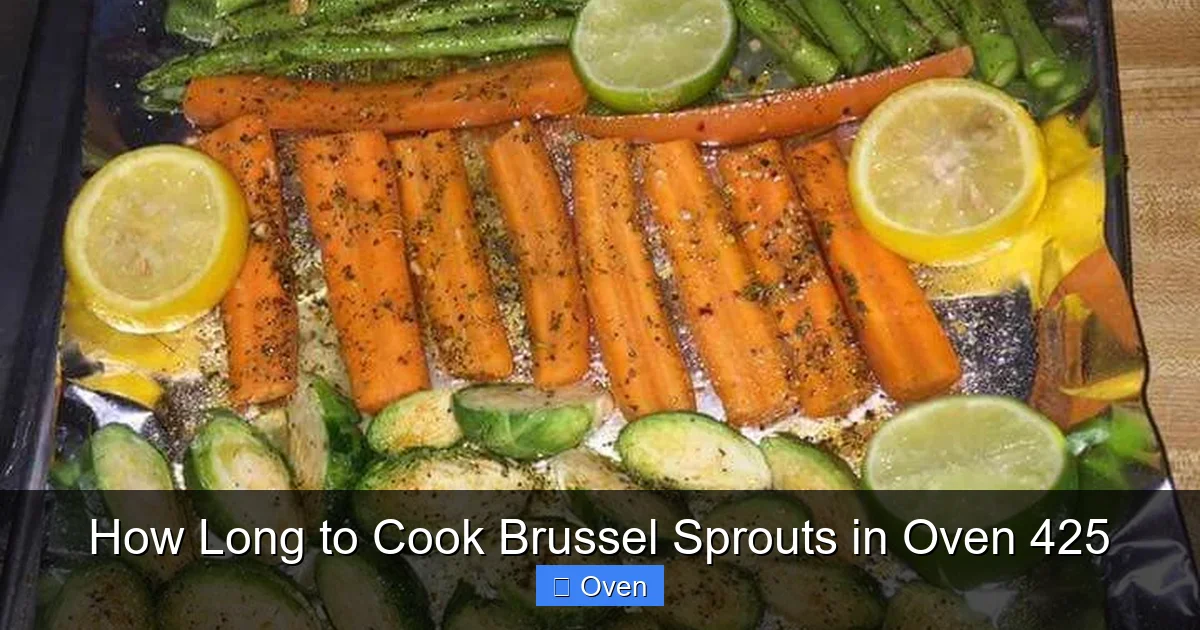
You might wonder, why 425°F specifically? Couldn’t you roast them at 400°F or 450°F? While those temperatures *can* work, 425°F hits a sweet spot for several important reasons. Firstly, it’s hot enough to efficiently drive off the surface moisture on the sprouts. Remember, water boils at 212°F, so any moisture on the sprout’s surface needs to evaporate before browning can occur. At 425°F, this evaporation happens rapidly, allowing the Maillard reaction (browning) to kick in much sooner than at lower temperatures like 375°F. Lower temperatures often result in sprouts that are steamed or baked rather than roasted, leading to a softer, less appealing texture and less developed flavor.
Secondly, 425°F provides enough thermal energy to cook the sprout through relatively quickly without excessive drying or burning. Brussels sprouts are dense little vegetables. At very high temperatures like 475°F or 500°F, the outside can char dramatically before the inside has a chance to soften properly. You end up with bitter, blackened exteriors and undercooked, almost raw centers – a disappointing outcome. Conversely, at 350°F or 375°F, the cooking process is much slower. While you might eventually get tender sprouts, the extended time often means they lose too much moisture, becoming leathery or shriveled rather than achieving that perfect balance of crisp outside and tender inside. The 20-25 minute window at 425°F is generally sufficient to cook the sprout through while maximizing caramelization. This temperature also works beautifully with standard home ovens, which often heat most evenly in this range, reducing the risk of hot spots causing uneven cooking.
Prepping Your Sprouts: The Foundation for Perfect Roasting
Visual guide about How Long to Cook Brussel Sprouts in Oven 425
Image source: wellplated.com
The Critical First Steps: Trimming and Halving
You absolutely cannot skip proper prep if you want great results. It’s the difference between good roasted sprouts and *great* roasted sprouts. Start by giving your Brussels sprouts a good rinse under cool running water. Shake off excess water, but don’t worry about making them bone dry – a little moisture is okay, though patting them *very* dry with a clean kitchen towel *before* oiling can give you a slight edge for crispness. Now, inspect each sprout. Trim off the tough, woody stem end. This part is fibrous and unpleasant to eat. If there are any loose, bruised, or discolored outer leaves, peel those off and discard them. These leaves often burn quickly and can impart a bitter taste.
Why Halving (or Quartering) is Non-Optional
This is where many people go wrong. Leaving small sprouts whole might be okay, but for anything larger than about 1 inch in diameter, **halving is essential**. Why? Two main reasons. First, it dramatically reduces cooking time. A whole sprout has to cook from the outside in, which takes longer and often results in the outside being overcooked before the center is tender. Halving exposes the dense core to direct heat, allowing it to cook much more quickly and evenly. Second, and crucially, halving creates maximum surface area for caramelization. That flat cut side? It’s going to get beautifully crispy and golden brown, adding incredible texture and flavor that you simply cannot achieve with a whole sprout. For very large sprouts (over 1.5 inches), consider quartering them. Place the sprout cut-side down on the baking sheet – this ensures maximum contact with the hot pan for optimal browning on that crucial flat surface. Consistent size matters too; try to pick sprouts that are relatively similar in size so they all finish cooking at the same time. If you have a mix, put the smaller ones towards the center of the pan (which gets slightly less direct heat) and larger ones towards the edges.
Oil: Your Crispness Catalyst
Don’t be shy with the oil! Tossing your halved sprouts thoroughly with oil is absolutely critical for achieving that signature roasted crispness. Oil conducts heat efficiently and helps transfer the oven’s intense heat directly to the sprout’s surface. It also prevents sticking and aids in the Maillard reaction. Aim for about 1.5 to 2 tablespoons of oil per pound of Brussels sprouts. Good choices include:
- Avocado Oil: High smoke point, neutral flavor, excellent for high-heat roasting.
- Extra Virgin Olive Oil: Adds lovely flavor, but use a good quality one you enjoy the taste of (some can be bitter when heated). Its smoke point is lower than avocado oil but generally sufficient for 425°F if you avoid excessive smoking.
- Refined Coconut Oil (melted): Neutral flavor, high smoke point.
- Grapeseed Oil: Neutral flavor, high smoke point.
Avoid oils with low smoke points like unrefined flaxseed or walnut oil, as they can burn and turn bitter. Toss the sprouts in a large bowl with the oil, salt, and any other dry seasonings (like garlic powder, onion powder, smoked paprika, or black pepper) until they are evenly and generously coated. Every nook and cranny should have a thin layer of oil – this is what makes them crisp!
The Golden Rule: How Long to Cook Brussels Sprouts in Oven 425
Visual guide about How Long to Cook Brussel Sprouts in Oven 425
Image source: i.pinimg.com
The Standard Timeframe: 20-25 Minutes
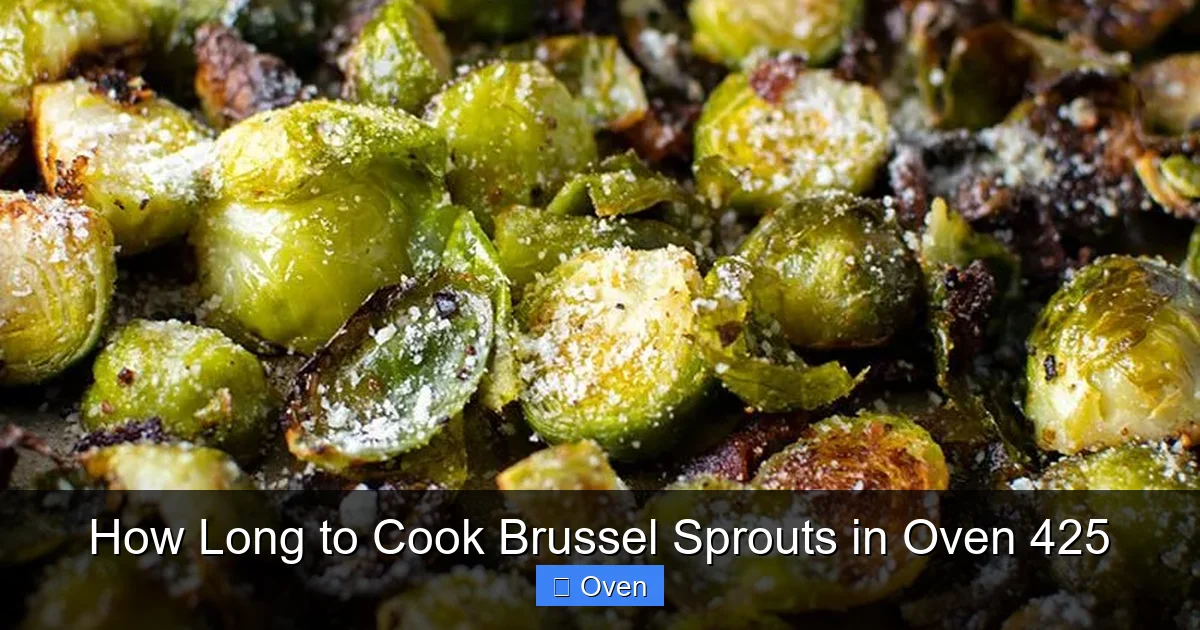
So, drumroll please… for properly prepped (halved, oiled, seasoned) Brussels sprouts spread in a single layer on a large rimmed baking sheet, **roasting at 425°F typically takes 20 to 25 minutes**. This is the sweet spot for achieving that elusive perfect texture: deeply caramelized, crispy, golden-brown exteriors with tender, almost creamy interiors that still hold their shape. The exact time within this range depends on several factors we’ll cover next, but this is your starting point.
Factors That Influence Your Roasting Time
Why isn’t it always exactly 22 minutes? Because a few variables can nudge your timing:
- Sprout Size: This is the biggest factor. Small sprouts (under 1 inch) might be done in 18-22 minutes. Large sprouts (over 1.5 inches, especially if quartered) might need 25-28 minutes. Always base doneness on visual and textural cues, not just the clock.
- Oven Hot Spots & Accuracy: Home ovens vary! Some run hot, some run cool. Know your oven. If it tends to run hot, check earlier (around 18 mins). If it runs cool, you might need the full 25+ minutes. An oven thermometer is a worthwhile investment.
- Pan Type & Size: A dark, heavy-duty rimmed baking sheet (like a half-sheet pan) heats up well and promotes browning. A lighter pan might cook slightly slower. Crucially, **using a pan that’s too small** forces overcrowding, which steams the sprouts and drastically increases cooking time while preventing crispness. Always use a large pan (at least 18×13 inches) and give the sprouts space!
- Starting Temperature: Room temperature sprouts will cook slightly faster than ones straight from the fridge. While not a huge difference, it’s a minor factor.
- Desired Level of Crispness: Do you like them just tender-crisp with light browning? Or deeply caramelized and almost shatteringly crisp? The latter takes the full 25 minutes (or slightly more for very large ones).
The Midway Toss: Essential for Even Browning
Resist the urge to just set it and forget it! **Around the 10-12 minute mark, pull the pan out of the oven and gently toss or shake the sprouts.** Use tongs or a spatula to flip them over, ensuring the cut sides that were facing up now get some direct heat. This step is vital for even cooking and browning. Without it, the sprouts on the bottom will brown much more quickly than those on top, and the cut sides might not get as crispy as they should. It only takes 15 seconds, but it makes a massive difference in the final result. Be careful of the hot oven and pan!
How to Know They’re Perfectly Done: The Doneness Test
Visual Cues: The Golden-Brown Glow
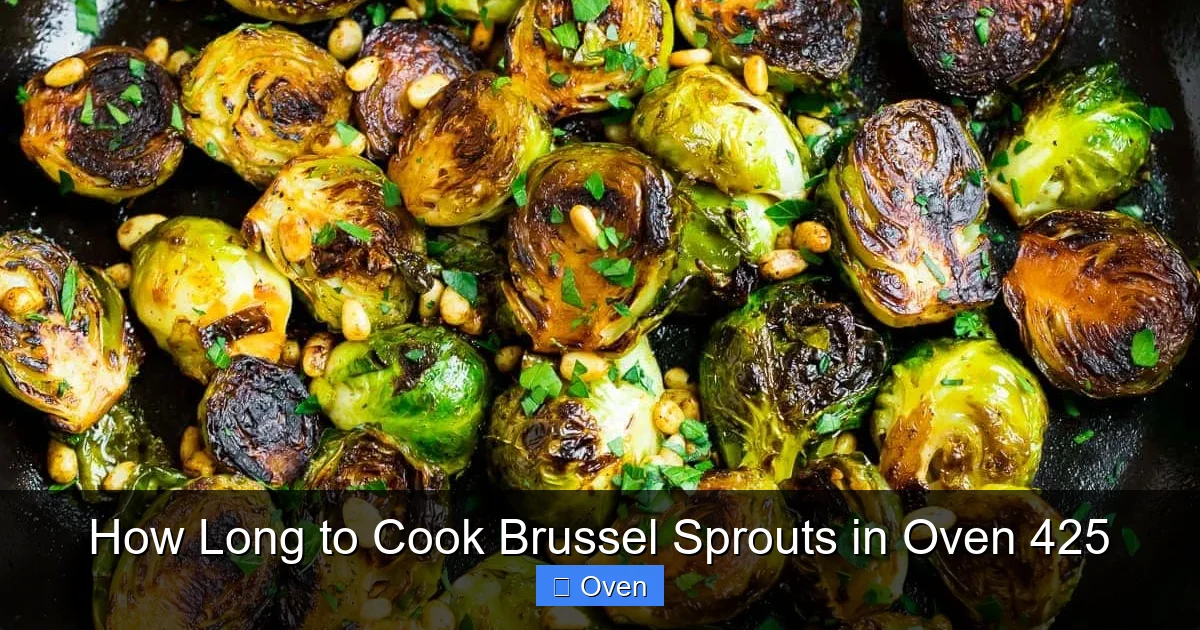
Your eyes are your first guide. Properly roasted Brussels sprouts at 425°F should be a beautiful, deep golden brown, often with darker, almost caramelized edges and spots, especially on the cut sides facing the pan. You might see some crispy, lacy bits where leaves have separated and crisped up – that’s a sign of great roasting! Avoid sprouts that are pale yellow or white; they haven’t caramelized enough and will lack flavor and crispness. Conversely, if you see significant blackening or charring *before* the 20-minute mark, your oven might be too hot, or the sprouts are too close to the heating element.
The Fork Test: The Ultimate Texture Check
The most reliable method is the fork test. **Starting at 18 minutes, pierce a sprout (preferably a larger one) with a fork or the tip of a sharp knife.** This is what you’re looking for:
- Undercooked: The fork meets significant resistance. The sprout feels very firm and dense inside. It needs more time.
- Perfectly Done: The fork slides in with *some* resistance but yields easily, especially towards the center. The sprout feels tender throughout but still holds its shape – it shouldn’t be mushy or falling apart. The interior should be creamy, not watery or raw.
- Overcooked: The fork slides in with almost no resistance, and the sprout feels very soft, potentially collapsing or becoming mushy. It might also start to look shriveled.
Remember, they will continue to cook slightly from residual heat after coming out of the oven (carryover cooking), so pull them out when they are *just* tender. It’s always better to slightly undercook them than overcook them, as you can always pop them back in for a minute or two if needed, but you can’t fix mush.
The Taste Test (Optional but Recommended)
If you’re unsure after the fork test, take a small bite (careful, they’re hot!). Perfectly roasted sprouts should be tender, flavorful, and slightly sweet with a pleasant nuttiness from the caramelization. They should not taste raw, sulfurous (like boiled sprouts), or excessively bitter (which can happen with burning). If they taste bland, they likely need more salt or roasting time for flavor development.
Troubleshooting Common Roasting Problems
Problem: Sprouts are Soggy or Steamed, Not Crispy
This is the most common issue. The culprit is almost always **overcrowding the pan**. When sprouts are packed tightly together, they release moisture that turns to steam, surrounding the sprouts and preventing browning. Steam = soggy. Solution: Use a larger baking sheet (or roast in batches) and ensure sprouts are in a single layer with at least 1/2 inch of space between them. Also, double-check you used enough oil and that your oven is fully preheated.
Problem: Sprouts are Burnt on the Outside, Raw Inside
This usually means your oven temperature is too high, or the sprouts are too close to the top heating element (broiler). Solution: Invest in an oven thermometer to verify accuracy. If your oven runs hot, reduce the temperature to 400°F and add a few extra minutes to the cooking time. Ensure the oven rack is positioned in the center, not too close to the top. For very large sprouts, quartering them (instead of just halving) helps the heat penetrate faster.
Problem: Sprouts are Pale and Lack Flavor
This indicates insufficient caramelization, often due to:
- Not enough oil: Re-toss with a bit more oil next time.
- Oven not fully preheated: Always preheat for at least 15-20 minutes.
- Underseasoned: Salt is crucial for flavor development. Season generously before roasting.
- Cooking time too short: Give them the full 20-25 minutes, or until deeply browned.
- Pan too cold: Use a heavy-duty pan and ensure it’s in the preheated oven.
Adding acid (like balsamic vinegar or lemon juice) *after* roasting can brighten flavor, but won’t fix lack of caramelization.
Problem: Sprouts are Too Bitter
Bitterness is often inherent in very mature or stressed sprouts, but can be exacerbated by:
- Burning: Burnt bits taste bitter. Avoid charring by not overcooking and ensuring even heat.
- Lack of salt: Salt counteracts bitterness. Season well before roasting.
- Old sprouts: Use fresh, firm sprouts. Older sprouts tend to be more bitter.
Pairing with sweet elements (like maple syrup, honey, or roasted apples) or umami (like bacon, Parmesan, or soy sauce) after roasting can also balance any residual bitterness.
Problem: Leaves Won’t Crisp Up
Those loose outer leaves are tricky! They cook much faster than the sprout itself. Solution: Remove any large, loose outer leaves *before* halving and roasting. Toss these leaves separately in a little oil and salt, and roast them on a small piece of foil on top of the sprout pan for the last 5-8 minutes, or until crisp. They make a delicious, lacy garnish!
Beyond the Basics: Flavor Boosters and Serving Ideas
Elevate Your Roast: Simple Seasoning Variations
While salt, pepper, and oil are the foundation, a few extra touches transform your sprouts:
- Garlic & Herb: Toss with minced garlic (add in the last 5 minutes to prevent burning) and dried herbs like thyme, rosemary, or oregano.
- Spicy Kick: Add red pepper flakes, chili powder, or cayenne pepper to the oil before tossing.
- Sweet & Savory: Toss with a tablespoon of maple syrup or honey *before* roasting (adds caramelization), or drizzle with balsamic glaze *after* roasting.
- Umami Bomb: Add a splash of soy sauce or Worcestershire sauce to the oil, or toss with crumbled bacon after roasting.
- Citrus Zest: Finely grated lemon or orange zest added after roasting brightens the flavor.
- Cheesy Finish: Sprinkle with grated Parmesan, Pecorino Romano, or crumbled feta in the last 2-3 minutes of roasting, or immediately after.
Remember: Add delicate ingredients (fresh herbs, lemon zest) *after* roasting. Add robust spices and garlic *before* or *during* (garlic late).
Creative Serving Suggestions
Roasted Brussels sprouts are incredibly versatile:
- Simple Side: Toss with a squeeze of fresh lemon juice and extra virgin olive oil right before serving.
- Salad Base: Let cool slightly, then toss with bitter greens (arugula, radicchio), toasted nuts (pecans, walnuts), dried fruit (cranberries, cherries), and a vinaigrette.
- grain Bowl Star: Serve over quinoa, farro, or brown rice, topped with roasted sweet potatoes, chickpeas, and tahini dressing.
- Breakfast Boost: Add to scrambled eggs, omelets, or avocado toast.
- Pasta Perfection: Toss with cooked pasta, olive oil, garlic, red pepper flakes, and Parmesan.
- Appetizer: Serve whole small roasted sprouts on toothpicks with a dipping sauce (honey mustard, sriracha mayo).
The crispy bits are pure gold – don’t leave them behind!
Conclusion: Your Path to Roasted Brussels Sprout Perfection
Mastering how long to cook Brussels sprouts in oven 425 is less about memorizing a single magic number and more about understanding the process and trusting your senses. That 20-25 minute window is your reliable guide, but the real secret lies in the preparation: halving for even cooking and maximum caramelization, generous oiling for crispness, and giving them space on the pan to avoid steaming. Remember the midway toss – it’s a small effort for huge rewards in even browning.
The fork test is your most trustworthy ally. Pierce a sprout at 18 minutes; if it yields easily but holds shape, they’re done. Don’t fear pulling them out a minute early – carryover cooking will finish the job, and it’s far better than overcooking into mush. Embrace the variables: sprout size, your specific oven, and your personal preference for crispness will微调 the exact timing, but the core principles remain constant.
Roasting Brussels sprouts at 425°F is a simple technique with transformative results. It turns a once-dreaded vegetable into a crispy, caramelized, deeply satisfying dish that’s worthy of any meal. It’s quick enough for weeknights, impressive enough for holidays, and endlessly adaptable. So preheat that oven, prep those sprouts, and get ready to convert even the staunchest sprout skeptic. That perfect balance of shatteringly crisp exterior and tender, flavorful interior is just 20-25 minutes away. Happy roasting!
Frequently Asked Questions
How long to cook Brussels sprouts in oven at 425 for crispy results?
For perfectly crispy roasted Brussels sprouts at 425°F, aim for 20-25 minutes. Start checking at 18 minutes using the fork test – they should be tender inside with deeply caramelized, golden-brown exteriors. Proper prep (halving, oiling, spacing) is crucial for achieving crispness.
Do Brussels sprouts need to be covered when roasting?
No, Brussels sprouts should never be covered while roasting. Covering traps steam, which prevents the essential caramelization and crisping process. Roasting requires dry, circulating heat to evaporate moisture and brown the sprouts effectively.
Can I roast Brussels sprouts at 425°F with other vegetables?
Yes, but choose vegetables with similar cooking times and densities. Good companions include cubed sweet potatoes, carrots, or red onions (add them at the same time). Avoid adding quick-cooking veggies like zucchini or asparagus – add those in the last 10-15 minutes.
Why are my roasted Brussels sprouts bitter?
Bitterness can come from overcooking/burning, very mature sprouts, or lack of salt. Ensure you don’t char them, use fresh sprouts, and season generously with salt before roasting. Pairing with sweet elements (maple, honey) or umami (bacon, cheese) after roasting can also balance any bitterness.
How do I store and reheat leftover roasted Brussels sprouts?
Store leftovers in an airtight container in the refrigerator for up to 3-4 days. Reheat in a 400°F oven for 5-10 minutes until heated through and recrisped, or in a dry skillet over medium heat. Microwaving often makes them soggy.
Can I roast Brussels sprouts ahead of time?
Yes! Roast them until just tender-crisp (about 18-20 minutes), then cool completely and refrigerate. When ready to serve, spread them back on a pan and roast at 425°F for 8-12 minutes until recrisped and heated through. This prevents them from becoming mushy during initial cooking if you’re short on time later.