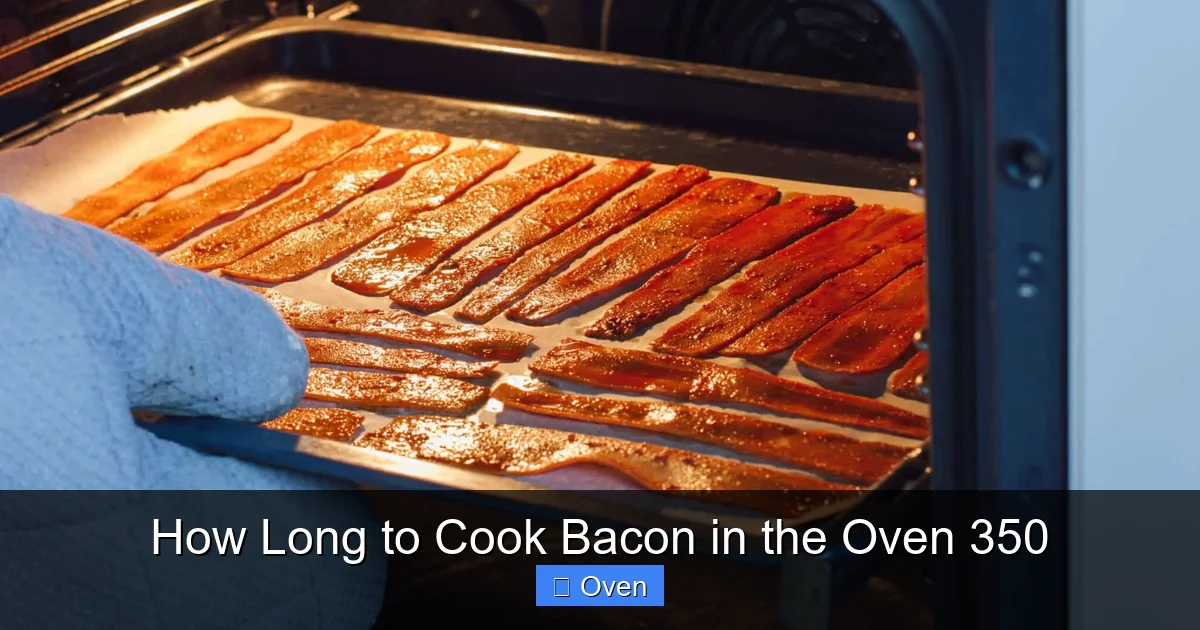
Master oven-baked bacon at 350°F with precise timing for perfect crispness every single time. This method eliminates splatters and flipping, delivering evenly cooked strips ideal for breakfast, salads, or burgers. Stop guessing and start enjoying consistently delicious bacon in just 12-20 minutes!
Key Takeaways
- Standard Timing: Most bacon cooks perfectly at 350°F in 12-18 minutes, but thickness and desired crispness are crucial factors.
- Rack Position Matters: Always use the oven’s center rack for even heat distribution and consistent cooking.
- Prep is Key: Line your baking sheet with foil or parchment and use a wire rack to prevent sogginess and promote crispness.
- Thickness Dictates Time: Thick-cut bacon needs 18-25 minutes, while thin-cut cooks faster (10-15 minutes).
- Check Early, Check Often: Start checking at 10 minutes to avoid burning, especially near the end of the cooking window.
- Rest Before Serving: Let bacon rest on paper towels for 2-3 minutes after baking; it crisps up further as it cools.
- Safety First: Always use oven mitts and handle the hot baking sheet carefully; bacon grease is extremely hot.
Quick Answers to Common Questions
Can I cook bacon straight from the refrigerator?
Yes, but it may take 1-3 minutes longer to cook. Letting it sit at room temperature for 10-15 minutes ensures more even cooking, but it’s not essential. Just add a couple of extra minutes to your estimated time.
Do I really need a wire rack?
Absolutely! The wire rack allows rendered fat to drip away from the bacon, preventing it from sitting in grease and becoming soggy. It’s the single most important tool for achieving crispy oven bacon.
How do I know when the bacon is done without burning it?
Start checking 2-3 minutes before your minimum estimated time. Look for deep golden brown color, mostly rendered (translucent) fat, and edges that are curling and crisp. It should look flexible but firm. Remember, it crisps more as it rests!
Can I cook different thicknesses of bacon together?
It’s not ideal. Thinner strips will cook much faster than thicker ones. If you must, put the thicker bacon on one side of the pan and check the thinner strips several minutes earlier. Cooking in separate batches is best for perfect results.
What’s the best way to dispose of the bacon grease?
Never pour hot grease down the drain! Let it cool completely in the pan. Once solid, scrape it into a sealable container (like an old coffee can or jar) and throw it in the trash. Alternatively, pour cooled liquid grease into a container and discard with trash.
📑 Table of Contents
- The Ultimate Guide to Perfect Oven-Baked Bacon at 350°F
- Why 350°F is the Sweet Spot for Oven Bacon
- Factors That Seriously Impact Your Bacon Cooking Time
- Step-by-Step: How to Cook Bacon Perfectly in the Oven at 350°F
- Troubleshooting Common Oven Bacon Problems
- Storing and Reheating Oven-Baked Bacon
- Beyond Breakfast: Creative Ways to Use Perfect Oven Bacon
- Conclusion: Your Foolproof Path to Perfect Oven Bacon
The Ultimate Guide to Perfect Oven-Baked Bacon at 350°F
Let’s be honest: stovetop bacon is a messy, splattery, attention-demanding nightmare. You’re constantly flipping, dodging grease pops, and praying you don’t end up with a mix of burnt ends and chewy middles. What if I told you there’s a better way? A method that delivers consistently crispy, perfectly cooked bacon with minimal effort and zero splatter? That’s the magic of baking bacon in the oven at 350°F. It’s the hands-off, foolproof technique that busy home cooks and breakfast enthusiasts swear by. Forget the guesswork and the grease burns – oven-baked bacon is about to become your new go-to.
This isn’t just about convenience; it’s about results. The oven provides gentle, even heat that renders the fat slowly and evenly, transforming tough strips into tender, crispy perfection. You get uniform cooking from edge to edge, no more flipping required, and the excess grease drains away neatly onto a baking sheet. Plus, your stovetop stays clean, and your kitchen stays splatter-free. Whether you’re cooking for a hungry family on a weekend morning, prepping bacon for a big brunch, or just craving a perfect slice for your burger, mastering the oven method at 350°F is a game-changer. The best part? It’s incredibly simple once you know the timing secrets.
Why 350°F is the Sweet Spot for Oven Bacon
You might wonder, “Why 350°F specifically? Can’t I just crank it up to 400°F for faster results?” While higher temperatures *will* cook bacon faster, they often lead to uneven cooking – the outside burns before the inside renders properly. Lower temperatures, like 300°F, take too long and can result in greasy, limp bacon. 350°F hits the perfect balance. It’s hot enough to render the fat efficiently and crisp the meat without scorching it, but gentle enough to allow the bacon to cook through evenly. This temperature mimics the ideal stovetop medium heat but without the constant monitoring.
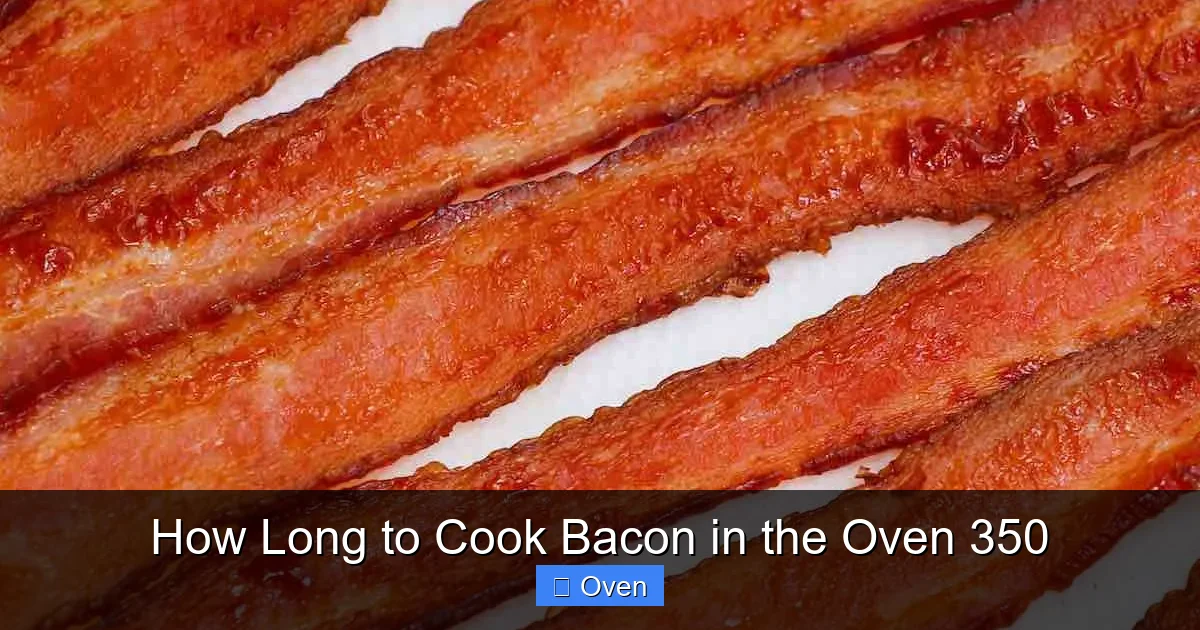
Visual guide about How Long to Cook Bacon in the Oven 350
Image source: tipbuzz.com
The Science Behind the Temperature
Bacon cooking is all about rendering fat and dehydrating the meat. Fat renders best between 250°F and 350°F. At 350°F, the oven environment provides consistent radiant heat that gently coaxes the fat out of the bacon strips. Simultaneously, the dry heat of the oven evaporates surface moisture, which is essential for achieving that signature crispness. If the heat is too high, the moisture evaporates too quickly on the surface, sealing it off and trapping steam inside, leading to chewy bacon. Too low, and the fat renders slowly, leaving the bacon greasy and undercooked. 350°F strikes the ideal equilibrium for perfect texture.
Benefits Beyond Perfect Crispness
Choosing 350°F offers practical advantages beyond just taste and texture. It’s energy-efficient compared to cranking the oven to 425°F. It minimizes the risk of smoke and unpleasant odors filling your kitchen, which can happen with higher temps or if grease drips onto the oven floor. Most importantly, it gives you a reliable, predictable cooking window – typically 12-20 minutes for standard slices – making it easy to plan your meal. You can set a timer, prep other breakfast components, or simply relax, knowing your bacon is cooking steadily towards perfection without constant supervision.
Factors That Seriously Impact Your Bacon Cooking Time
Here’s the crucial truth: there is no single magic number for “how long to cook bacon in the oven 350.” While 12-18 minutes is a solid starting point for standard bacon, several factors can significantly shorten or lengthen that time. Ignoring these variables is the #1 reason people end up with burnt or undercooked bacon. Let’s break down what truly matters.
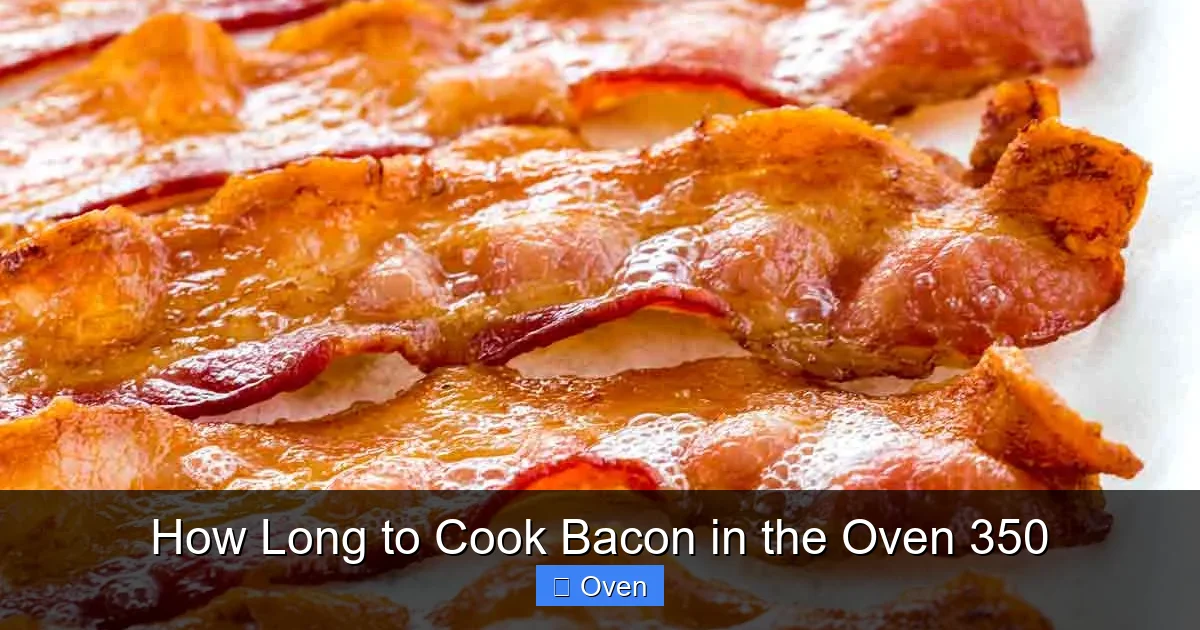
Visual guide about How Long to Cook Bacon in the Oven 350
Image source: jessicagavin.com
Bacon Thickness: The Biggest Variable
This is paramount. Bacon thickness varies wildly between brands and types:
- Thin-Cut Bacon (e.g., Oscar Mayer Thin): Cooks fastest. Expect 10-15 minutes at 350°F. It renders quickly and can go from perfect to burnt in seconds. Start checking at 8-10 minutes.
- Standard/Regular Cut Bacon (e.g., most store brands, Applegate): The most common type. This is where the classic 12-18 minute window applies. Aim for 14-16 minutes as a baseline, but always verify.
- Thick-Cut Bacon (e.g., Applegate Naturals Thick Cut, Wright Brand): Needs significantly more time. Plan for 18-25 minutes at 350°F. The extra meat takes longer to render and crisp. Don’t be tempted to increase the temp – patience is key for even cooking.
- Artisanal or Heritage Breed Bacon: Often thicker and fattier than standard. Treat it like thick-cut, starting at 20 minutes and checking frequently.
Always check the package if possible, but visually assessing thickness is your best guide when cooking.
Your Oven’s Quirks and Rack Position
No two ovens are identical. Some run hot, some run cool. Convection ovens cook faster than conventional ones (reduce time by 2-5 minutes if using convection). More importantly, rack position is critical. Always bake bacon on the center rack of your oven. The top rack gets too close to the heating element, risking burnt tops. The bottom rack is too far from the heat source, leading to slower rendering and potentially greasier results. The center rack provides the most balanced, even heat distribution for perfect cooking.
Desired Level of Crispness: It’s Personal (But Timing Changes)
How crispy do you like your bacon? This directly impacts your cook time:
- Chewy/Soft: Cook for the lower end of the time range (e.g., 10-12 mins for standard). The bacon will be pliable, with some residual moisture.
- Medium Crisp: The sweet spot for most. Cook for the middle of the range (e.g., 14-16 mins for standard). Edges are crisp, center has a slight give.
- Extra Crispy/Hard: Cook for the higher end (e.g., 17-20+ mins for standard). The bacon will be very rigid, almost brittle. Requires vigilant checking near the end to avoid burning.
Remember, bacon continues to crisp slightly as it rests on the paper towels after baking. Factor this in – pull it out when it’s *almost* as crispy as you want it to be.
Starting Temperature and Quantity
Cooking bacon straight from the fridge takes slightly longer (add 1-3 minutes) than bacon that’s been at room temperature for 10-15 minutes. More importantly, overcrowding the pan is a major mistake. Bacon needs space for heat and air circulation. If strips are touching or piled up, they steam instead of bake, resulting in soggy, unevenly cooked bacon. Use a large enough baking sheet (rimmed jelly roll pan is ideal) and arrange strips in a single layer with space between them. Cook in batches if necessary – it’s worth the extra pan!
Step-by-Step: How to Cook Bacon Perfectly in the Oven at 350°F
Now that you understand the variables, let’s walk through the foolproof process for oven-baked bacon perfection. This method guarantees crispy results with minimal effort.
Visual guide about How Long to Cook Bacon in the Oven 350
Image source: insanelygoodrecipes.com
Gather Your Tools and Prep
You’ll need:
- A sturdy, rimmed baking sheet (jelly roll pan)
- Heavy-duty aluminum foil or parchment paper (for easy cleanup)
- A wire cooling rack that fits inside your baking sheet (this is NON-NEGOTIABLE for crispness)
- Tongs or a fork
- Paper towels
- Oven mitts (safety first!)
Prep is crucial: Line your baking sheet completely with foil or parchment. Place the wire rack inside the lined pan. This setup allows rendered fat to drip away from the bacon, preventing it from sitting in grease and becoming soggy. Preheat your oven to 350°F (175°C) – ensure it’s fully preheated before putting the bacon in.
Arrange the Bacon and Bake
Unroll your bacon strips. Arrange them in a single layer on the wire rack, leaving a little space (about 1/4 to 1/2 inch) between each strip. Do NOT overlap or crowd them. Place the baking sheet on the center rack of your preheated oven. Set your timer for the minimum time based on your bacon’s thickness and desired crispness (e.g., 10 minutes for thin-cut, 12 minutes for standard, 18 minutes for thick-cut).
The Critical Checking Phase
This is where most people fail. Start checking your bacon 2-3 minutes BEFORE the minimum time is up. Carefully open the oven door (watch for steam!) and visually assess:
- Is the bacon curling at the edges?
- Is the fat mostly rendered (shiny and translucent, not white and opaque)?
- Is the color a deep, rich golden brown? (Avoid dark brown/black spots).
- Does it look flexible but starting to firm up?
If it needs more time, close the oven and check again every 1-2 minutes. Bacon cooks rapidly in the final minutes. For standard bacon aiming for medium crisp, 14-16 minutes is often perfect. Thick-cut might need 20-22 minutes. Thin-cut could be done in 11-12 minutes. Trust your eyes more than the timer!
Finishing and Resting: The Secret Step
Once your bacon reaches the desired crispness, carefully remove the baking sheet from the oven using oven mitts – the pan and grease will be extremely hot. Using tongs, immediately transfer the bacon strips to a plate or tray lined with paper towels. This absorbs excess surface grease. Let the bacon rest for 2-3 minutes. This resting period allows residual heat to finish crisping the bacon and lets the fat solidify slightly, making it easier to handle. Don’t skip this step – it makes a noticeable difference in texture!
Troubleshooting Common Oven Bacon Problems
Even with the best method, things can occasionally go sideways. Here’s how to diagnose and fix the most common oven bacon issues.
Why is My Bacon Still Chewy or Greasy?
This is usually caused by one of three things:
- Undercooked: The most common culprit. Bacon needs sufficient time for fat to render and moisture to evaporate. Next time, add 2-3 minutes to your cook time. Remember to check early and often!
- Overcrowded Pan: Bacon strips touching each other create steam, preventing proper crisping. Always use a large enough pan and leave space between strips. Cook in batches if needed.
- No Wire Rack: Bacon sitting directly in its own grease steams instead of bakes. The wire rack is essential for allowing fat to drain away. Never skip it!
- Oven Temperature Too Low: If your oven isn’t fully preheated or runs cool, rendering takes much longer. Use an oven thermometer to verify your 350°F is accurate.
Fix: Ensure proper spacing, use the rack, verify oven temp, and cook slightly longer next time. Pat excess grease with paper towels after baking.
Why is My Bacon Burnt on the Edges but Raw in the Middle?
This classic problem screams oven temperature too high or rack position wrong. If the oven is hotter than 350°F (or if you used a higher temp), the edges cook and burn before the center has a chance to render. Similarly, placing the pan on the top rack exposes the bacon directly to the intense upper heating element.
- Solution: Always bake on the center rack. Double-check your oven temperature with a standalone thermometer – many built-in dials are inaccurate. If your oven runs hot, reduce the temp to 325°F and add a few minutes to the cook time. Avoid opening the oven door too frequently, as this causes temperature fluctuations.
Why is My Bacon Soggy or Limp?
Sogginess almost always traces back to lack of drainage or overcrowding. Bacon needs to be elevated above its rendered fat.
- Solution: The wire rack is non-negotiable. Ensure it’s sitting properly inside the foil-lined pan so fat can drip down. Never pile bacon on top of itself. If you cooked a large batch and the pan got too full of grease, carefully pour off excess fat halfway through cooking (use extreme caution – hot grease!). Also, ensure your oven is fully preheated; starting in a cold oven leads to greasier results.
Why Did My Bacon Shrink Up So Much?
Some shrinkage is normal as fat renders and the meat contracts. However, excessive curling and shrinking usually happens because the bacon was cooked at too high a temperature or the oven door was opened too often during cooking, causing rapid temperature changes that make the bacon contract violently.
- Solution: Stick to 350°F. Minimize opening the oven door, especially in the first 10 minutes. Using a wire rack helps minimize curling by allowing heat to circulate underneath. Slight curling is perfectly normal and doesn’t affect taste or texture.
Storing and Reheating Oven-Baked Bacon
Got leftovers? Oven-baked bacon stores and reheats beautifully, making it perfect for meal prep!
Proper Storage for Maximum Freshness
Let cooked bacon cool completely on paper towels. Once cool, place strips in a single layer between sheets of parchment paper or paper towels inside an airtight container. Alternatively, use a resealable plastic bag, squeezing out as much air as possible. Properly stored, cooked bacon will keep well in the refrigerator for 4-5 days. For longer storage, freeze it! Place cooled bacon in a single layer on a baking sheet and freeze until solid (about 2 hours). Then transfer to a heavy-duty freezer bag or container, removing excess air. Frozen cooked bacon lasts for 1-2 months with minimal quality loss.
Best Methods for Reheating Without Ruining Crispness
Reheating bacon properly is key to maintaining that crispy texture. Avoid the microwave for more than a single slice, as it often makes bacon tough and chewy.
- Oven Method (Best for Crispness): Preheat oven to 325°F. Place bacon strips on a wire rack set over a baking sheet. Heat for 5-10 minutes, until warmed through and recrisped. This is the gold standard.
- Toaster Oven: Perfect for small batches. Use the same rack-over-pan setup at 325°F for 5-8 minutes.
- Air Fryer (Excellent Alternative): Place bacon in a single layer in the basket. Cook at 350°F for 3-5 minutes, checking frequently. Very effective at restoring crispness.
- Stovetop (Quick Fix): Heat a dry non-stick skillet over medium-low heat. Add bacon and cook for 1-2 minutes per side, pressing gently with a spatula to recrisp. Watch closely to avoid burning.
- Microwave (Last Resort for Singles): Place bacon on a microwave-safe plate lined with paper towels. Cover with another paper towel. Microwave on medium power (50%) for 20-30 seconds. Check and repeat in 10-second intervals if needed. High power makes it tough.
Never reheat bacon in its own grease – it will become soggy. Always use a dry method or the oven/air fryer.
Beyond Breakfast: Creative Ways to Use Perfect Oven Bacon
Your perfectly cooked oven bacon at 350°F is incredibly versatile. Move beyond the breakfast plate and elevate your meals!
Salads That Shine
Crispy bacon is a salad superstar. Crumble it over a classic Cobb salad, add strips to a hearty kale salad with apples and pecans, or toss it into a simple green salad with a warm bacon vinaigrette. The salty, smoky crunch cuts through greens and complements sweet, tangy, or creamy elements perfectly. Try it in a BLT wedge salad or chopped egg salad.
Burgers and Sandwiches Elevated
Take your burgers to the next level. Layer crispy bacon strips onto a juicy beef, turkey, or veggie burger. It adds essential saltiness, fat, and texture. For sandwiches, bacon is transformative: the classic BLT (use thick-cut for substance), a bacon, avocado, and sprouts on sourdough, or even a bacon, egg, and cheese breakfast sandwich. The oven method ensures your bacon is perfectly crisp, not greasy, so it holds up well in sandwiches.
Soups, Sides, and Savory Bakes
Crumbled bacon adds depth to countless dishes:
- Soups: Stir into clam chowder, baked potato soup, or creamy mushroom soup just before serving.
- Mashed Potatoes: Fold crumbled bacon and chives into your mash for a decadent side.
- Mac and Cheese: Mix crumbled bacon into the cheese sauce or sprinkle generously on top before baking.
- Green Beans or Brussels Sprouts: Toss roasted veggies with crumbled bacon and a splash of balsamic.
- Quiches and Frittatas: Add cooked bacon pieces before pouring in the egg mixture.
The rendered bacon fat is also liquid gold! Use it to sauté onions, potatoes, or greens for incredible flavor.
Sweet and Savory Surprises
Don’t be afraid to bridge the sweet-savory gap:
- Maple-Bacon Treats: Drizzle cooked bacon with maple syrup and a pinch of black pepper before the final minute of baking for a simple appetizer.
- Bacon-Wrapped Dates: Stuff Medjool dates with goat cheese or almond paste, wrap in half a strip of bacon, and bake at 350°F for 15-20 minutes until bacon is crisp.
- Bacon in Desserts (Yes!): Crumble high-quality bacon over vanilla ice cream, chocolate pudding, or even into brownie batter for a sophisticated salty-sweet contrast.
Your perfectly cooked oven bacon is a flavor powerhouse waiting to be used creatively.
Conclusion: Your Foolproof Path to Perfect Oven Bacon
Cooking bacon in the oven at 350°F is more than just a convenient method; it’s the secret to achieving consistently perfect results every single time. By understanding the key factors – primarily bacon thickness, rack position, and your desired crispness level – you can confidently navigate the 12-20 minute window and eliminate the guesswork that plagues stovetop cooking. Remember the non-negotiables: always use a wire rack over a foil-lined pan, bake on the center rack, start checking early, and let it rest on paper towels.
The beauty of this technique lies in its simplicity and reliability. No more splatters, no constant flipping, no uneven cooking. Just set it, forget it (well, check it!), and enjoy incredibly crispy, flavorful bacon that’s ready to elevate any meal – from a simple breakfast plate to gourmet salads, burgers, and beyond. Whether you’re a weekend warrior cooking for a crowd or just treating yourself to a perfect slice, mastering “how long to cook bacon in the oven 350” transforms a mundane task into a reliable source of deliciousness. So preheat that oven, line that pan, and get ready to experience bacon the way it was meant to be: perfectly crisp, consistently delicious, and utterly hassle-free. Your taste buds (and your stovetop) will thank you.
Frequently Asked Questions
How long to cook bacon in the oven at 350 for standard slices?
For standard-cut bacon, the typical cooking time at 350°F is 12-18 minutes. Start checking at 10-12 minutes for medium crispness. Thickness and your oven’s accuracy can cause variations, so visual cues are more reliable than a strict timer.
Can I bake bacon at a higher temperature to cook it faster?
While you can bake at 400°F or higher, it significantly increases the risk of burning the edges before the center renders properly. 350°F provides the best balance for even cooking and perfect crispness without constant monitoring. Higher temps often lead to greasy or uneven results.
Why is my oven bacon always greasy?
Greasy bacon is usually caused by not using a wire rack (so it sits in its own fat), overcrowding the pan (trapping steam), or undercooking (not enough time for fat to render). Ensure you use a rack, leave space between strips, and cook long enough for the fat to fully render and the bacon to crisp.
How do I reheat oven-baked bacon to keep it crispy?
The best methods are the oven (325°F for 5-10 minutes on a rack) or air fryer (350°F for 3-5 minutes). These dry-heat methods restore crispness effectively. Avoid microwaving if possible, as it often makes bacon tough; if necessary, use medium power and short bursts.
Can I cook bacon in a toaster oven at 350°F?
Yes, toaster ovens work great for small batches of bacon at 350°F. Use the same method: rack over a foil-lined pan, center rack position. Cooking time may be slightly shorter (10-15 minutes for standard) due to the smaller, more concentrated heat. Check early and often.
Is oven-baked bacon healthier than pan-fried?
Oven-baking allows more fat to drain away from the bacon compared to pan-frying, where it often sits in its own grease. While bacon is still high in fat and sodium, the oven method results in slightly less fat absorbed by the meat itself, making it a marginally better option. The main health benefit is avoiding the splatter and potential for burning associated with stovetop cooking.