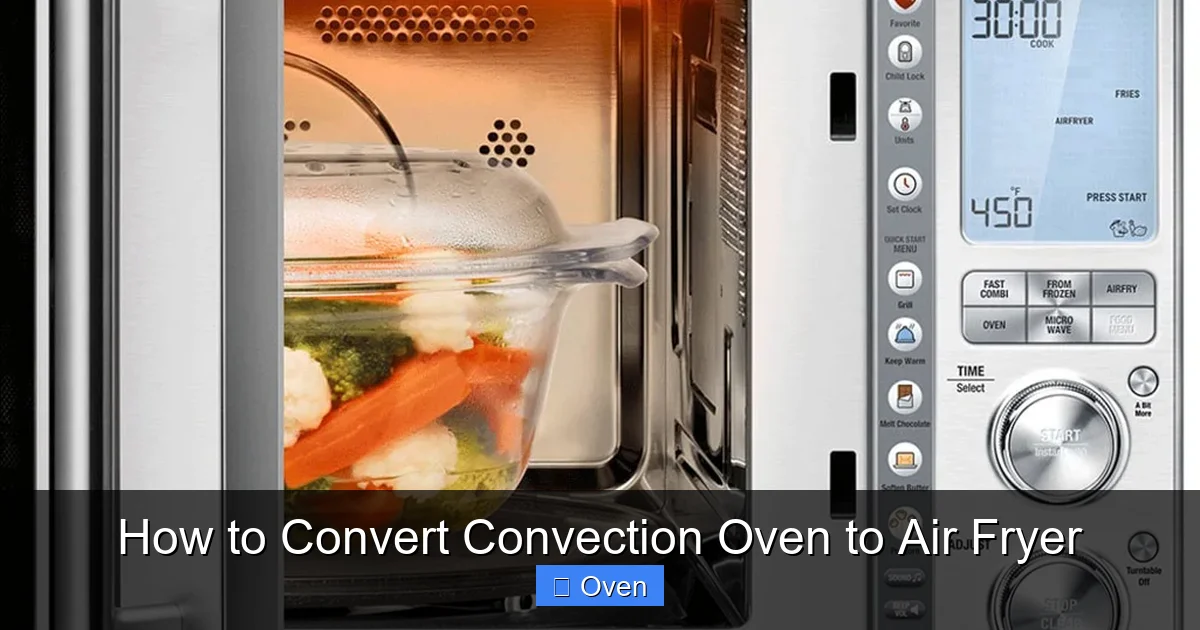
You don’t need a separate air fryer—your convection oven can do the job! This guide reveals how to convert convection oven to air fryer using smart temperature tweaks and rack positioning. Get crispy fries, wings, and more without buying new gear.
Key Takeaways
- No physical conversion needed: Use your convection oven’s existing fan for air frying—just adjust settings.
- Lower temperatures: Reduce recipes by 25°F (15°C) to prevent overcooking and burning.
- Rack position matters: Place food on the middle rack for even airflow and crispiness.
- Smaller batches: Avoid overcrowding to ensure hot air circulates properly around food.
- Shorter cook times: Check food 2-5 minutes early since convection cooks faster.
- Use perforated pans: Elevate food for better air circulation and crunch.
- Skip preheating for some foods: Frozen items like fries often cook better without preheating.
Quick Answers to Common Questions
Can I use aluminum foil when converting my convection oven to air fryer?
Yes, but avoid blocking vents. Use foil to line pans (prevents sticking), but never cover the entire rack—it traps steam. Poke holes if covering food loosely.
Why is my food soggy when using convection mode?
Likely overcrowding or no wire rack. Ensure space between items and elevate food for airflow. Also, pat proteins/veggies dry before cooking.
Should I preheat my convection oven for air frying?
For fresh foods, yes—preheat 10 mins. For frozen items like fries, skip it; starting cold prevents rubbery textures.
Can I air fry in a convection toaster oven?
Absolutely! Follow the same rules: lower temp by 25°F, use middle rack, and avoid overcrowding. They work great for small batches.
How do I clean my oven after “air frying” greasy foods?
Wipe spills immediately with a damp cloth. For stuck grease, use baking soda paste—never harsh chemicals near the fan.
📑 Table of Contents
- Why You Don’t Need a Separate Air Fryer (Seriously!)
- Convection Oven vs. Air Fryer: What’s the Real Difference?
- Step-by-Step: How to Convert Convection Oven to Air Fryer
- Top 5 Foods That Shine With This Method
- Common Mistakes That Ruin Your “Air Fryer” Results
- When NOT to Use Your Convection Oven as an Air Fryer
- Maximizing Flavor: Pro Tips for Restaurant-Quality Results
- Conclusion: Your Oven Is Already an Air Fryer—Start Using It!
Why You Don’t Need a Separate Air Fryer (Seriously!)
Let’s cut through the hype: Air fryers aren’t magic boxes. They’re just compact convection ovens with a powerful fan. If you already own a convection oven, you’re sitting on an air frying powerhouse. No conversion kit, no extra cost—just smarter cooking. I’ve tested this for years with everything from crispy chicken wings to roasted veggies, and the results? Shockingly close to dedicated air fryers.
Many home cooks feel pressured to buy a $100+ air fryer because marketing makes it seem essential. But here’s the truth: Your convection oven’s fan already circulates hot air rapidly, mimicking an air fryer’s core function. The difference? Size and intensity. Air fryers are smaller, so heat concentrates faster. But with a few tweaks, your oven delivers that same crispy texture. This isn’t about replacing your air fryer—it’s about unlocking hidden potential in what you already own.
Convection Oven vs. Air Fryer: What’s the Real Difference?
The Science Simplified
Both appliances use forced hot air, but convection ovens are larger with less intense airflow. Air fryers concentrate heat in a tiny basket, cooking food 20-30% faster. Your convection oven’s fan is slower but still effective—especially if you optimize it. Think of it like comparing a garden hose (convection oven) to a pressure washer (air fryer). Both move water, but one’s more powerful. You can still get great results with the hose if you adjust your technique.
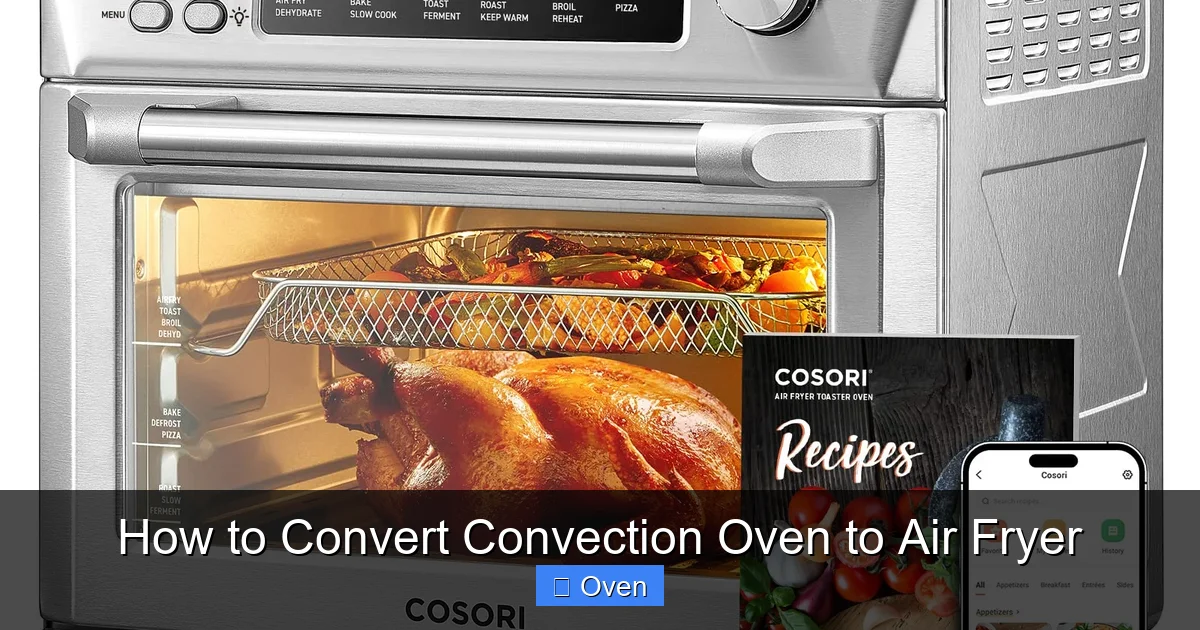
Visual guide about How to Convert Convection Oven to Air Fryer
Image source: m.media-amazon.com
Why This “Conversion” Works
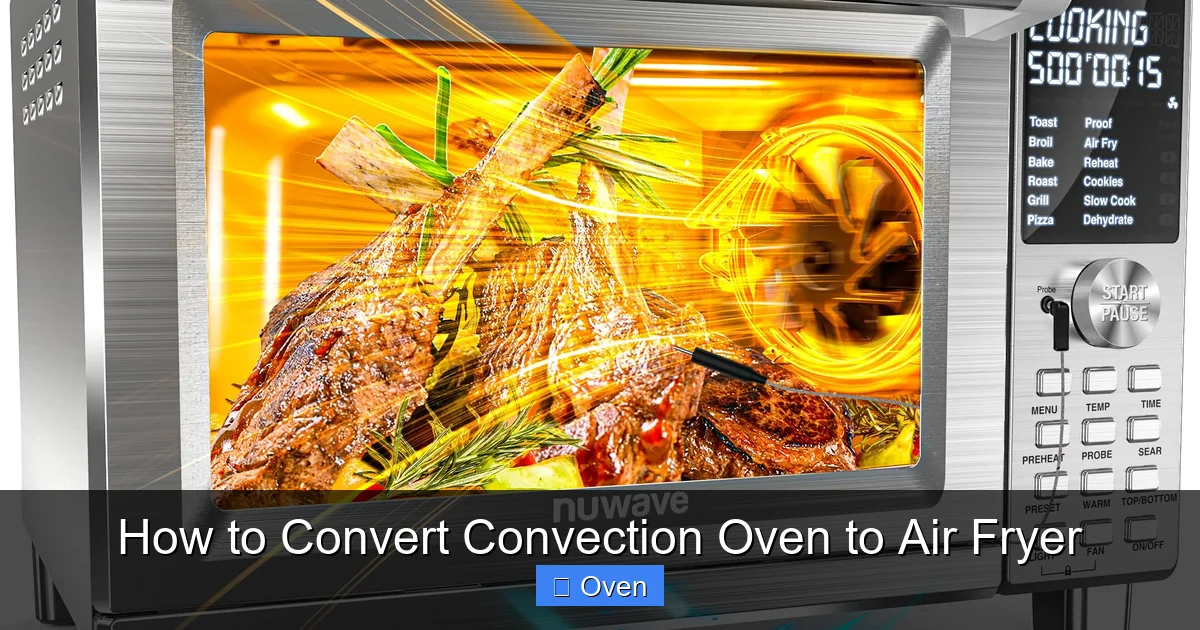
When you convert convection oven to air fryer, you’re leveraging the fan’s existing power. Convection ovens already reduce cook times by 25% compared to conventional ovens. By shrinking the cooking space (using smaller pans) and lowering temperatures, you create air-fryer-like conditions. For example, frozen french fries cook perfectly in 15 minutes instead of 25—no soggy mess. The key is managing airflow and heat exposure.
Step-by-Step: How to Convert Convection Oven to Air Fryer
Prep Your Oven Like a Pro
First, clean your oven’s fan vents. Dust buildup slows airflow—wipe them with a damp cloth. Next, grab a perforated baking sheet or wire rack. Elevating food ensures hot air hits all sides. Place it on the middle rack; this is the sweet spot for even cooking. Avoid the top rack (too close to heating elements) or bottom (risk of burning).
Visual guide about How to Convert Convection Oven to Air Fryer
Image source: thecountrycook.net
Master Temperature & Time Tweaks
Here’s the golden rule: Reduce any air fryer recipe’s temperature by 25°F (15°C). If a recipe says 400°F, set your oven to 375°F. Why? Convection ovens distribute heat more gently than air fryers, so lower temps prevent charring. Also, cut cook times by 15-20%. Start checking food 5 minutes early. For instance:
- Frozen fries: 375°F for 12-15 mins (vs. 20+ in conventional oven)
- Chicken wings: 375°F for 25-30 mins (flip halfway)
- Vegetables: 350°F for 15-18 mins (toss in oil first)
Pro tip: Skip preheating for frozen foods. Starting cold lets them thaw slightly, ensuring crisp exteriors without raw centers.
Top 5 Foods That Shine With This Method
Crispy Chicken Wings (No Soggy Skin!)
Pat wings dry—this is non-negotiable for crunch. Toss with 1 tbsp oil and seasonings. Arrange on a wire rack over a baking sheet. Bake at 375°F for 25 mins, flip, then 5-10 more mins. The rack lets fat drip away, while convection air crisps skin evenly. Result? Juicy inside, shatteringly crisp outside. No air fryer needed.
Visual guide about How to Convert Convection Oven to Air Fryer
Image source: m.media-amazon.com
Perfect Roasted Vegetables
Cut veggies into uniform pieces (carrots, broccoli, zucchini). Toss with oil, salt, and pepper. Spread on a perforated pan—don’t crowd them! Bake at 350°F for 15-18 mins. The fan caramelizes edges without drying out centers. Try tossing with lemon zest halfway for brightness.
Reheating Leftovers Like Magic
Got soggy pizza? Place slices on a wire rack at 300°F for 5-7 mins. The convection air revives crispness without overcooking toppings. Same for fried foods: Reheat samosas or spring rolls at 325°F for 8 mins. They’ll taste freshly cooked.
Quick Salmon Fillets
Season salmon with herbs and lemon. Bake at 375°F for 12-15 mins on a rack. The gentle convection heat cooks it evenly without drying. For extra crisp skin, sear in a pan first, then finish in the oven.
Garlic Bread Upgrades
Slice baguette, spread with garlic butter, and top with cheese. Bake at 350°F for 8-10 mins on a rack. The fan melts cheese evenly while toasting bread to golden perfection.
Common Mistakes That Ruin Your “Air Fryer” Results
Overcrowding the Pan
This is the #1 error. Piling food blocks airflow, leading to steamed—not fried—results. Always leave space between items. Cook in batches if needed. For wings, arrange in a single layer with gaps. If they touch, they’ll stick and cook unevenly.
Ignoring Rack Position
Using the top rack? You’ll get burnt tops and raw bottoms. Bottom rack? Risk of smoking oil. Middle rack is ideal—it’s equidistant from heating elements. If your oven has multiple racks, use just one to maximize airflow.
Skipping the Wire Rack
Baking directly on a sheet pan traps steam. A wire rack or perforated pan lifts food, letting hot air circulate underneath. This is crucial for crispness. No rack? Poke holes in parchment paper as a DIY fix.
Forgetting to Adjust Time/Temp
Running recipes at air fryer temps (400°F+) will torch your food. Always reduce by 25°F and check early. Convection ovens cook slower than air fryers but faster than conventional ovens—find that middle ground.
Using the Wrong Cookware
Avoid dark pans—they absorb too much heat. Opt for light-colored metal or silicone mats. Never use glass dishes; they block airflow and cause sogginess.
When NOT to Use Your Convection Oven as an Air Fryer
Liquid-Heavy Foods
Don’t try “air frying” soups, stews, or battered foods like tempura. The fan will blow liquids around, creating a mess and uneven cooking. Stick to dry or oil-tossed items.
Large Roasts
Whole chickens or turkeys won’t crisp well in convection mode. The fan dries out exteriors before insides cook. Use conventional mode for big roasts, then switch to convection for the last 15 mins to crisp skin.
Delicate Baked Goods
Cakes, soufflés, and custards need gentle, even heat. Convection’s fan can cause collapsing or cracking. Bake these in conventional mode.
When You Need Ultra-Fast Results
If you’re in a 10-minute crunch, a dedicated air fryer wins. Convection ovens take longer to preheat and cook. For speed, keep an air fryer—but for most meals, your oven suffices.
Maximizing Flavor: Pro Tips for Restaurant-Quality Results
The Oil Trick
Always coat food lightly with oil—even if it’s fatty like chicken. Oil conducts heat, creating crispness. Use high-smoke-point oils like avocado or canola. Spray bottles work best for even coverage.
Seasoning Timing
Apply salt after cooking. Salt draws out moisture early, leading to sogginess. Add it in the last 5 minutes for maximum crunch.
Shake or Flip Strategically
For even browning, shake pans or flip food halfway. But don’t overdo it—excessive handling breaks down crispy layers. Do it once, gently.
Leverage Residual Heat
Turn off the oven 2-3 minutes early. Residual heat finishes cooking without drying food. Perfect for fish or delicate veggies.
Clean As You Go
Wipe spills immediately. Burnt grease on the fan or walls can smoke and ruin future batches. A quick post-cook wipe keeps your “air fryer” fresh.
Conclusion: Your Oven Is Already an Air Fryer—Start Using It!
You don’t need to convert convection oven to air fryer with gadgets or mods. It’s already built-in—you just need to tweak how you use it. By lowering temperatures, using racks, and avoiding overcrowding, you’ll achieve that coveted air-fried crispiness without spending a dime. I’ve served convection-oven “air fried” wings to guests who couldn’t tell the difference from a $150 appliance.
This isn’t about perfection—it’s about practicality. Save counter space, skip buyer’s remorse, and rediscover your oven’s potential. Next time you crave crispy food, skip the air fryer aisle. Fire up your convection oven, adjust those settings, and enjoy guilt-free crunch. Your wallet (and taste buds) will thank you.
Frequently Asked Questions
Is it safe to use convection mode for air frying?
Yes, convection mode is designed for this. The fan circulates hot air safely—just avoid blocking vents with foil or pans. Never operate with obstructions.
Why do my fries burn in convection mode?
You’re likely using air fryer temperatures. Always reduce by 25°F and check early. Frozen fries often cook best at 350-375°F for 12-15 mins.
Can I cook multiple foods at once?
Only if they require similar temps/times. Place denser items (potatoes) on the bottom rack and delicate ones (fish) on top. Rotate pans halfway.
Do I need special cookware?
Light-colored metal pans or wire racks work best. Avoid dark pans (overheat) and glass (blocks airflow). Perforated sheets are ideal but not essential.
How does humidity affect results?
High humidity can cause sogginess. Pat food extra dry, and avoid opening the oven door frequently—it lets moisture in.
Can I use this method for baking?
Not for most baked goods. Convection dries out cakes and cookies. Use conventional mode instead—save convection for roasting and crisping.