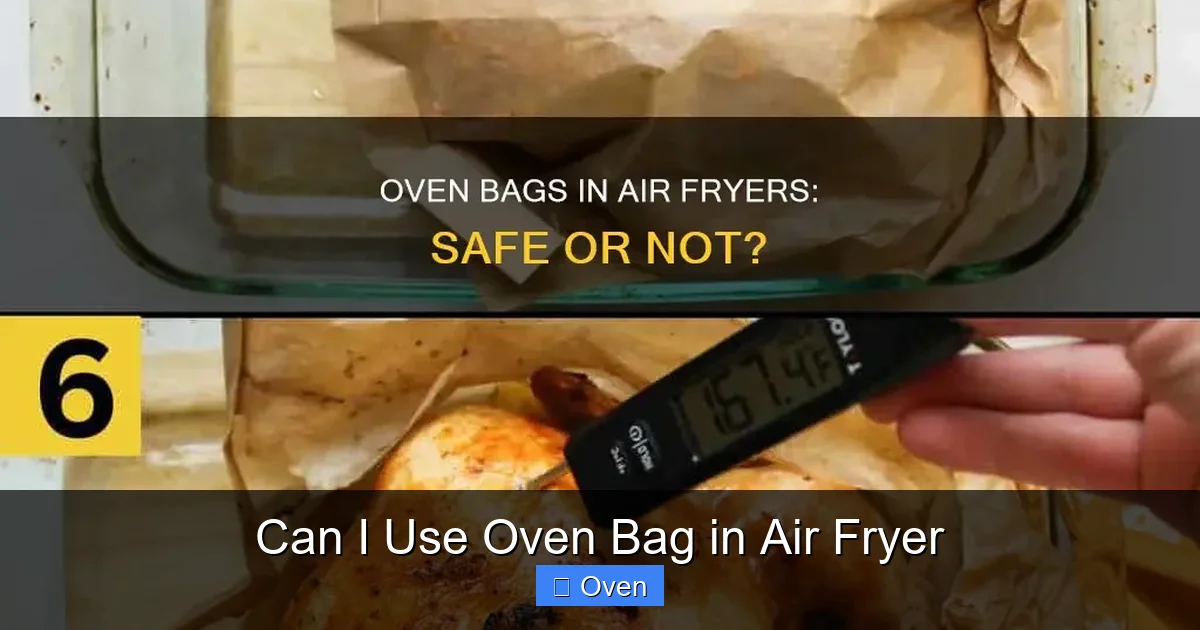
Most oven bags are NOT safe for air fryers due to extreme heat and airflow differences. Using them risks melting plastic into your food, creating toxic fumes, and damaging your appliance. Always check manufacturer labels and opt for air-fryer-specific alternatives like parchment paper or silicone bags for safe, convenient cooking.
Key Takeaways
- Material Mismatch: Oven bags (usually nylon/polyester) melt at air fryer temperatures (400-450°F+), unlike oven-safe up to 400°F. This releases toxic chemicals into food.
- Airflow Blockage: Air fryers rely on rapid, circulating hot air. Oven bags trap steam and block airflow, causing uneven cooking, soggy results, and potential fire hazards.
- Safety First: Never use standard oven bags in air fryers. The risk of melted plastic contamination and appliance damage is extremely high. Prioritize manufacturer instructions.
- Safer Alternatives: Use air-fryer-specific parchment paper (with holes), silicone baking bags, or simply cook food directly on the basket rack for best results and safety.
- Check Labels Religiously: If a bag *must* be used, verify it explicitly states “Air Fryer Safe” and lists a max temp exceeding your air fryer’s highest setting (usually 450°F+).
- Convenience vs. Risk: The minor convenience of an oven bag isn’t worth the severe health and safety risks. Safer methods are just as easy.
Quick Answers to Common Questions
Can I use Reynolds oven bags in my air fryer?
No, absolutely not. Reynolds oven bags are designed for conventional ovens (max 400°F) and are not safe for air fryers, which operate at higher temperatures (up to 450°F+) with intense airflow. They will melt, release toxins, and damage your appliance.
What happens if I cook chicken in an oven bag in the air fryer?
The bag will likely melt due to the high heat, trapping steam and making the chicken soggy instead of crispy. Toxic plastic chemicals will leach into the chicken, and melted plastic will ruin your air fryer basket, creating smoke and a fire hazard.
Can I use parchment paper instead of an oven bag in my air fryer?
Yes! Use perforated parchment paper specifically made for air fryers. The holes allow crucial airflow for crispiness while preventing messes. Regular parchment can work if you poke holes in it, but avoid wax paper.
Why does my oven bag melt in the air fryer but not the oven?
Air fryers hit higher temperatures (often 425-450°F) faster than conventional ovens (typically max 400°F), and the powerful, direct airflow accelerates plastic degradation. Oven bags aren’t rated for this intense, sustained heat and airflow combination.
How do I clean melted plastic out of my air fryer basket?
Soak the basket in hot, soapy water for several hours. Scrub gently with a non-abrasive sponge or brush. For stubborn residue, try a paste of baking soda and water, or a specialized oven cleaner (test first!). Avoid steel wool. Prevention (not using oven bags) is always best!
📑 Table of Contents
- Can I Use Oven Bag in Air Fryer? The Shocking Truth You Need to Know
- Why Oven Bags and Air Fryers Are a Dangerous Mismatch
- The Airflow Nightmare: Why Oven Bags Ruin Air Fryer Cooking
- Safety First: The Real Dangers of Using Oven Bags in Air Fryers
- Safe & Effective Alternatives to Oven Bags in Your Air Fryer
- When *Might* an Oven Bag Be Okay? (Spoiler: Rarely!)
- Your Air Fryer, Your Rules: Making Safe & Smart Choices
Can I Use Oven Bag in Air Fryer? The Shocking Truth You Need to Know
So, you’ve got a shiny new air fryer promising crispy fries, juicy chicken, and faster meals. You’re also staring at that trusty box of Reynolds oven bags in your pantry – the ones that made Thanksgiving turkey cleanup a breeze for years. A lightbulb goes off: “Can I use oven bag in air fryer? It’d be so convenient for messy foods like wings or fish!” Hold on right there. That seemingly brilliant idea could turn into a kitchen nightmare faster than you can say “smoke alarm.” Let’s cut through the confusion and get to the absolute truth about oven bags and air fryers. Spoiler alert: **It’s almost always a terrible idea, and here’s why.**
The allure is totally understandable. Oven bags promise easy cleanup, lock in moisture for tender results, and prevent messy splatters. Air fryers are all about speed and crispiness. Combining them *sounds* like the ultimate hack. But air fryers and traditional ovens work in fundamentally different ways. What works perfectly in your conventional oven can be disastrous in the intense, fast-moving environment of an air fryer. Ignoring this difference isn’t just about ruining dinner – it’s a serious safety hazard. We’re talking melted plastic contaminating your food, toxic fumes filling your kitchen, and potentially damaging your expensive appliance. Before you toss that bag into the basket, let’s dive deep into the science, the risks, and the safe alternatives that actually work.
Why Oven Bags and Air Fryers Are a Dangerous Mismatch
The Core Problem: Different Cooking Environments
Think of your conventional oven as a gentle, enclosed sauna. Heat radiates slowly from the top and bottom elements, cooking food gradually. Oven bags are designed for this environment. They’re typically made from heat-resistant nylon or polyester blends, rated for temperatures up to around 400°F (204°C) – the standard max for most home ovens. They trap steam, which helps keep large roasts moist during long cooking times.
Visual guide about Can I Use Oven Bag in Air Fryer
Image source: everythingairfryer.com
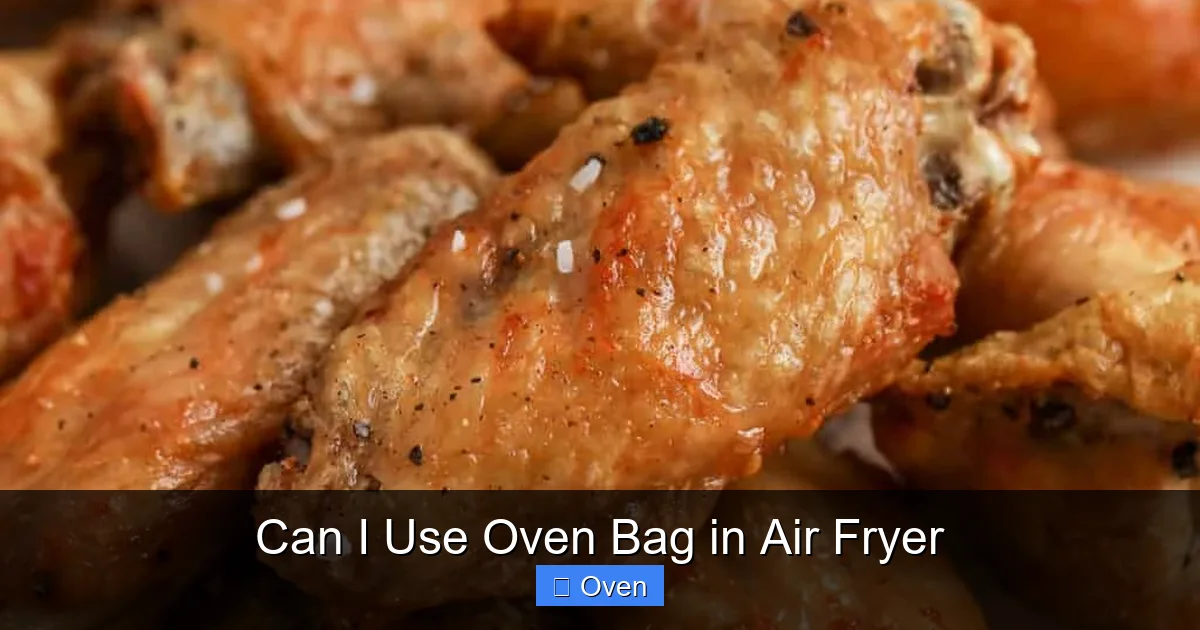
Now, picture your air fryer. It’s more like a high-powered, focused hurricane of hot air. A powerful heating element (often up to 1800W or more) sits directly above the food, and a large fan blasts intensely hot air (typically 350°F to 450°F / 177°C to 232°C) *rapidly* in a circular motion around the food basket. This rapid circulation is what creates the signature “fried” crispiness without deep frying. The key difference? **Speed and intensity.** Air fryers achieve high temperatures much faster and maintain them with relentless airflow.
Material Science: Why Oven Bags Melt (and Why It’s Bad)
Here’s where the rubber meets the road – or rather, where the plastic meets the heat. Standard oven bags are not built for the sustained, high-velocity heat of an air fryer. Their maximum safe temperature (usually 400°F) is often *below* the operating temperature of many air fryers, especially during preheating or when cooking at high settings for crispy results. When exposed to temperatures exceeding their rating:
- Melting Occurs: The plastic bag literally starts to melt, warp, and deform. You might see it drooping, bubbling, or even tearing.
- Toxic Chemical Release: As the plastic melts, it releases chemical compounds (like plasticizers and stabilizers used in manufacturing) into the hot air and directly onto your food. These are not substances you want ingesting. Studies show certain plastics can leach endocrine disruptors and other harmful chemicals when overheated.
- Foul Odors and Smoke: Melting plastic creates acrid, toxic smoke and a horrible burning plastic smell. This smoke can permeate your entire kitchen and set off smoke alarms.
- Appliance Damage: Melted plastic can drip onto the heating element or fan, causing permanent damage, electrical shorts, or even fire. Cleaning melted plastic out of the basket and fan housing is incredibly difficult and often impossible without professional help.
It’s not just about the temperature number. The *combination* of high heat *plus* the constant, forceful airflow hitting the bag directly accelerates the degradation process far beyond what happens in a still oven environment. What might survive 400°F for an hour in a conventional oven could catastrophically fail at 425°F in an air fryer in minutes.
The Airflow Nightmare: Why Oven Bags Ruin Air Fryer Cooking
How Air Fryers Actually Work (It’s All About the Air!)
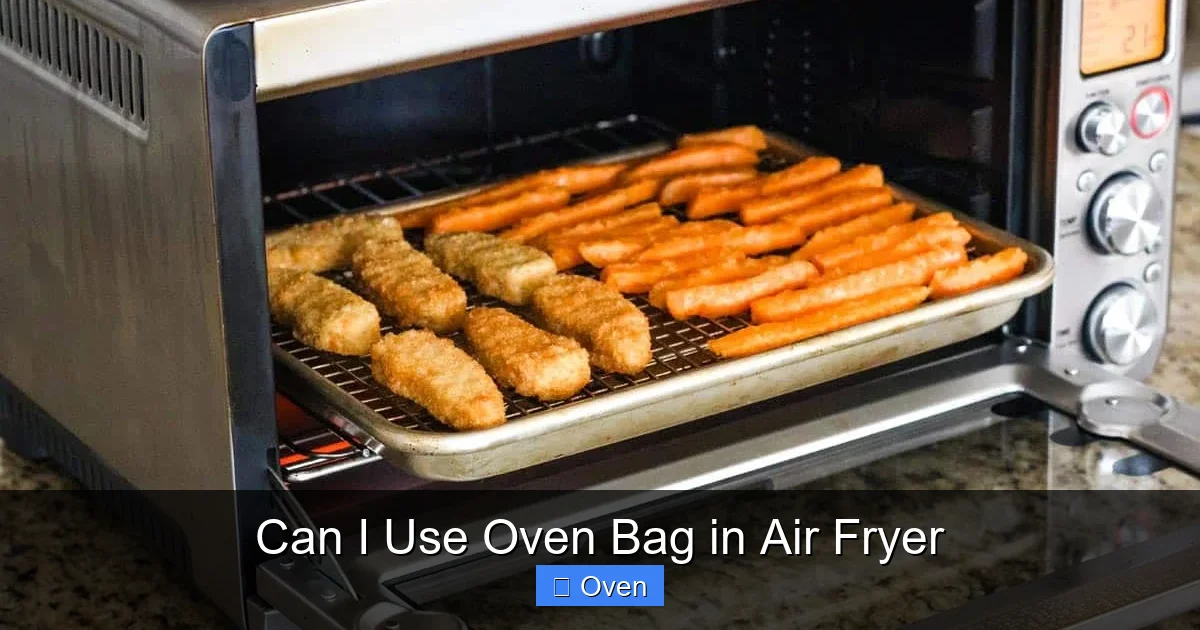
To understand why oven bags are so problematic, you need to grasp the core principle of air frying: **convection.** Unlike an oven’s radiant heat, an air fryer’s magic happens because of that powerful fan. It circulates superheated air around the food at high speed. This rapid airflow:
Visual guide about Can I Use Oven Bag in Air Fryer
Image source: toasterovenlove.com
- Transfers heat efficiently to the food’s surface.
- Evaporates surface moisture quickly, which is essential for achieving crispiness.
- Ensures even cooking by constantly moving the hot air.
Blocking this airflow is like trying to blow out a candle with your hand covering the flame – it just doesn’t work. The air needs a clear path to circulate around *all* sides of the food.
How Oven Bags Sabotage the Process
Placing an oven bag inside your air fryer basket is like putting a brick wall in front of that powerful fan. Here’s what happens:
- Trapped Steam & Moisture: Oven bags are designed to *retain* steam. In an air fryer, this trapped steam has nowhere to go. Instead of evaporating to create crispness, it condenses back onto the food, making it soggy, steamed, or boiled – the absolute opposite of the crispy texture you’re after. Imagine trying to fry chicken in a sealed plastic bag; it just steams.
- Blocked Air Circulation: The bag physically obstructs the hot air from flowing freely around the food. Air gets trapped *inside* the bag, creating a humid microclimate, while the air *outside* the bag might circulate normally but can’t effectively cook the food inside. This leads to wildly uneven cooking – parts might be raw while others are overcooked or burnt where the bag touches the basket.
- Hot Spots and Cold Spots: The bag creates barriers. Areas where the bag touches the hot basket might scorch, while areas shielded by the bag remain undercooked. The fan struggles to push air *through* the bag material, leading to inconsistent results.
- Reduced Efficiency: Your air fryer has to work much harder to try and cook the food through the barrier of the bag. This can lead to longer cooking times, higher energy use, and potentially overheating the appliance as it fights against the obstruction.
The result? Instead of the golden, crispy, evenly cooked food you expect from an air fryer, you’re likely to get a disappointing, soggy, unevenly cooked mess that took longer than cooking it directly on the rack. All that convenience you were hoping for? It backfires spectacularly.
Safety First: The Real Dangers of Using Oven Bags in Air Fryers
Beyond Ruined Food: Health and Fire Hazards
While soggy chicken is frustrating, the real reasons to avoid oven bags in air fryers are serious safety concerns. Let’s break down the risks:
Visual guide about Can I Use Oven Bag in Air Fryer
Image source: m.media-amazon.com
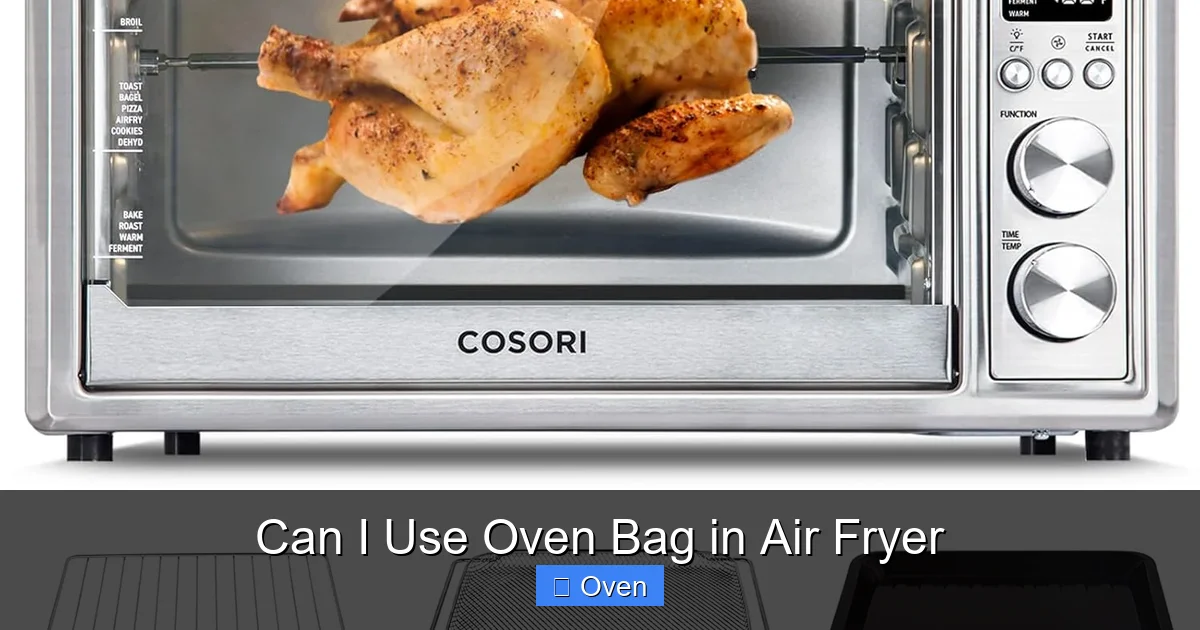
- Chemical Contamination: As the plastic melts (and it likely will at air fryer temps), harmful chemicals leach directly into your food. These can include bisphenol A (BPA – though many bags are now BPA-free, other chemicals remain), phthalates (plasticizers), and various stabilizers. Ingesting these, especially repeatedly, poses potential long-term health risks, including hormonal disruption and other toxic effects. **This is the most critical health risk.**
- Toxic Fumes: Melting plastic produces dense, acrid smoke containing volatile organic compounds (VOCs) and other toxic particulates. Breathing this in is harmful and can cause immediate respiratory irritation, headaches, and nausea. It’s a major indoor air quality hazard.
- Fire Risk: Melted plastic dripping onto the high-wattage heating element is a significant fire hazard. Plastic is flammable. If it ignites, it can cause a serious fire inside your appliance, potentially spreading to your kitchen. The intense heat combined with trapped grease or food particles inside a melting bag creates a perfect storm for ignition.
- Appliance Damage: As mentioned, melted plastic is incredibly difficult to remove from the intricate parts of an air fryer basket, the fan housing, and the heating element. It can clog the fan, insulate the heating element (causing it to overheat and fail), or create electrical shorts. Repairing this damage is often more expensive than replacing the air fryer.
- Smoke Alarm Symphony: Be prepared for your smoke detectors to blare loudly and persistently. The smoke from melting plastic is thick and pungent, guaranteeing a noisy, stressful interruption to your cooking (and possibly your evening).
Real-World Examples: When Good Hacks Go Bad
Don’t just take our word for it. Online forums and customer reviews are filled with horror stories:
- A user tried cooking salmon in a Reynolds oven bag at 400°F. Within 5 minutes, the bag melted onto the basket, releasing thick black smoke and a burning plastic smell. The salmon was inedible, and the basket required hours of scrubbing with harsh chemicals to remove the residue.
- Someone attempted “easy” BBQ ribs in an oven bag. The bag ruptured from steam pressure, spilling sticky sauce all over the heating element, causing a small flare-up and filling the kitchen with smoke.
- Many report the bag simply collapsing and melting into a gooey mess around the food, making cleanup a nightmare and ruining the meal.
These aren’t isolated incidents. They are the predictable outcome of using a product outside its designed operating parameters. The convenience of an oven bag simply isn’t worth gambling with your health, your appliance, or your kitchen’s safety.
Safe & Effective Alternatives to Oven Bags in Your Air Fryer
Why Ditch the Bag? Embrace Air Fryer-Friendly Methods
The good news is, you don’t need an oven bag to enjoy easy, delicious air fryer meals. In fact, the *best* air fryer results come from cooking food directly exposed to that circulating hot air. Here are safe, effective, and often just-as-convenient alternatives:
Parchment Paper: The Crispness Champion
This is the **gold standard** alternative for many air fryer users. Look for perforated parchment paper specifically designed for air fryers (available online and in kitchen stores). Here’s why it works:
- Airflow Friendly: The perforations allow hot air to circulate *through* the paper, ensuring your food crisps up beautifully on the bottom while still protecting the basket from drips.
- Non-Stick & Easy Cleanup: Food rarely sticks to parchment. Simply lift the paper out with the food for effortless serving and cleanup. No scrubbing baked-on grease!
- Heat Safe: Quality air-fryer parchment is rated for temperatures well above 450°F, making it safe for all air fryer settings.
- Versatile: Perfect for wings, fries, veggies, fish fillets, and even small baked goods. Just cut it to fit your basket.
Pro Tip: If you only have regular parchment (no holes), poke a few small holes in it yourself with a toothpick before placing it in the basket. Avoid wax paper – it’s NOT heat safe and will melt!
Silicone Baking Bags/Reusable Bags: The Eco-Friendly Option
Reusable silicone bags (like Stasher bags or similar air-fryer-specific versions) are a fantastic sustainable choice:
- True Air Fryer Safe: High-quality food-grade silicone is rated for temperatures up to 450°F or even 500°F+, exceeding air fryer demands.
- Steam Venting: Many have built-in steam release valves or are designed to allow *some* steam escape, preventing sogginess while still containing messes.
- Reusable & Durable: Wash them by hand or in the dishwasher. They last for years, saving money and reducing waste compared to disposable bags.
- Great for Specific Tasks: Ideal for cooking items that might roll around (like shrimp or small veggies) or for marinating directly in the bag before cooking.
Important: **Only use silicone bags explicitly labeled “Air Fryer Safe” or “Oven Safe to 450°F+”.** Not all silicone bags are created equal. Check the manufacturer’s temperature rating.
Cooking Directly on the Rack: The Simplest Solution
For most foods, **this is the absolute best method.** Air fryers are designed for it!
- Maximum Crispness: Uninterrupted airflow around all sides of the food delivers the signature air-fried texture.
- Zero Risk: No melting plastic, no blocked airflow, no chemical leaching.
- Easy Cleanup: Simply wipe the basket with a damp cloth after cooking, or wash it with warm soapy water (most baskets are dishwasher safe). For stubborn grease, soak briefly before washing.
- Works for Almost Everything: Chicken, fish, burgers, veggies, fries, tofu – the list is endless. Toss food in a little oil and seasoning for best results.
Pro Tip: For very greasy foods (like bacon or fatty sausages), place a small piece of crumpled foil or a silicone mat *under* the food on the rack to catch drips and make cleanup even easier. Avoid covering the entire rack, as this blocks airflow.
Aluminum Foil: Use with Caution
Aluminum foil *can* be used in air fryers, but **with significant limitations and precautions:**
- Never Cover the Entire Basket: This blocks airflow completely. Only use small pieces to loosely tent food *after* cooking to keep it warm, or to cover *very* small items that might blow around (like loose herbs).
- Secure Loosely: If using a small piece to catch drips under food, make sure it’s weighted down by the food and doesn’t flap in the airflow, which could damage the fan.
- Avoid Direct Contact with Heating Element: Don’t let foil touch the top heating element.
- Not for Long Cooking: Best for short-term use (like the last few minutes of cooking). Prolonged use can potentially cause issues.
Bottom Line: Foil is generally less ideal than parchment or direct cooking for most air fryer tasks due to airflow concerns. Parchment is almost always a better choice for lining.
When *Might* an Oven Bag Be Okay? (Spoiler: Rarely!)
The Critical “Check the Label” Rule
We’ve been very clear: **standard oven bags (like Reynolds, Ziploc oven bags, generic brands) are NOT safe for air fryers.** However, there is a tiny, highly specific exception:
- Explicit “Air Fryer Safe” Labeling: If a bag *specifically* states on the packaging “Safe for Air Fryers” or “Air Fryer Approved,” and crucially, **lists a maximum temperature rating of 450°F (232°C) or HIGHER**, then it *might* be suitable.
- Material Matters: These specialized bags are usually made from different, higher-temperature-resistant materials (like specific food-grade silicones or advanced polymers) designed for the intense environment.
Why This Exception is Extremely Rare
Don’t hold your breath. The vast majority of oven bags on the market are designed for conventional ovens (max 400°F) and lack the necessary certifications for air fryer use. Finding a bag explicitly labeled for air fryers with a 450°F+ rating is uncommon. Reynolds, the dominant brand, does not currently offer an air-fryer-specific bag. Their standard oven bags are explicitly *not* for air fryers.
If You *Must* Try (Strongly Discouraged, But Here’s How)
If you somehow find a bag meeting the strict criteria above, and you’re still determined to try it:
- Verify Temp Rating: Double and triple-check the packaging. It must say 450°F+.
- Use LOWEST Possible Temp: Cook at the absolute lowest temperature your recipe allows (e.g., 350°F instead of 400°F).
- Shortest Time Possible: Monitor constantly. Remove food as soon as it’s done.
- NO Preheating with Bag Inside: Preheat the *empty* air fryer basket first. Only add the bag with food once the preheat is complete.
- Leave Space: Ensure the bag doesn’t touch the sides, top, or heating element. Don’t overcrowd.
- Ventilate: Crack a window and have your smoke alarm ready (seriously).
- Have a Fire Extinguisher Nearby: This is not hyperbole; it’s a real risk.
Honest Advice: The hassle, risk, and near-guaranteed subpar results make this “exception” not worth pursuing. The safe alternatives (parchment, silicone bags, direct cooking) are easier, safer, and deliver better food. Save the oven bag for your conventional oven where it belongs.
Your Air Fryer, Your Rules: Making Safe & Smart Choices
Prioritize Safety and Performance
Your air fryer is a fantastic tool, but like any appliance, it demands respect for its operating principles. The core takeaway is simple: **Oven bags and air fryers are fundamentally incompatible due to material science and airflow requirements.** The risks of chemical contamination, toxic fumes, fire, and appliance damage are far too great to justify the minor convenience of avoiding basket scrubbing.
Remember the golden rules:
- Never use standard oven bags (Reynolds, Ziploc oven bags, generic) in your air fryer. It’s not a question of “if” they’ll melt, but “when” and “how badly.”
- Always prioritize airflow. Anything you put in the basket must allow hot air to circulate freely around the food.
- Check labels religiously. If it doesn’t explicitly say “Air Fryer Safe” and list a max temp of 450°F+, don’t use it.
- Embrace the alternatives. Perforated parchment paper, air-fryer-safe silicone bags, and cooking directly on the rack are safer, more effective, and often just as convenient.
Enjoy the Real Convenience of Your Air Fryer
The true convenience of an air fryer isn’t found in risky hacks, but in its speed, energy efficiency, and ability to deliver delicious, crispy results with minimal oil. By cooking food directly on the rack or using safe liners like perforated parchment, you unlock its full potential without compromising safety. Cleanup is usually straightforward – a quick wipe or wash of the basket is a small price to pay for peace of mind and healthy, tasty meals.
So, the next time you’re tempted to reach for that oven bag, pause. Think about the soggy food, the melted plastic, the smoke alarm, and the potential health risks. Instead, grab a piece of perforated parchment or simply place your food on the rack. Your taste buds, your health, your air fryer, and your smoke alarm will thank you. Happy (and safe) air frying!
Frequently Asked Questions
Are there any oven bags specifically made for air fryers?
Very few exist. Some reusable silicone bags are marketed as “air fryer safe” if they explicitly state a maximum temperature of 450°F or higher. However, standard disposable oven bags (like Reynolds) are never air fryer safe. Always verify the temperature rating on the packaging.
What’s the main difference between oven bag temperatures and air fryer temperatures?
Conventional ovens typically max out around 400°F (204°C), which is the safe limit for standard oven bags. Most air fryers can reach 400°F to 450°F (204°C to 232°C) or higher, especially during preheating or high-heat cooking, exceeding the safe threshold for oven bag materials.
If a small piece of oven bag melted onto my food, is it safe to eat?
No, discard the food immediately. Melted plastic leaches harmful chemicals into food. Even if the visible plastic is removed, toxins have likely contaminated the food. It’s not worth the health risk.
What’s the best alternative to an oven bag for easy cleanup in an air fryer?
Perforated parchment paper designed for air fryers is the top choice. It allows airflow for crispness, prevents sticking, and lifts out with the food for effortless cleanup. Air-fryer-safe reusable silicone bags are another excellent option for specific tasks.
Can I use aluminum foil as a liner instead of an oven bag?
Use aluminum foil sparingly and cautiously. Never cover the entire basket, as this blocks airflow. Small pieces can be used loosely under very greasy food to catch drips, but ensure it’s weighted down and doesn’t touch the heating element. Perforated parchment is generally a safer and more effective liner.
Why do oven bags cause soggy food in air fryers?
Oven bags trap steam and block the rapid, circulating hot air essential for air frying. Instead of evaporating moisture to create crispness, the trapped steam condenses back onto the food, resulting in steamed or boiled textures rather than the desired crispy finish.