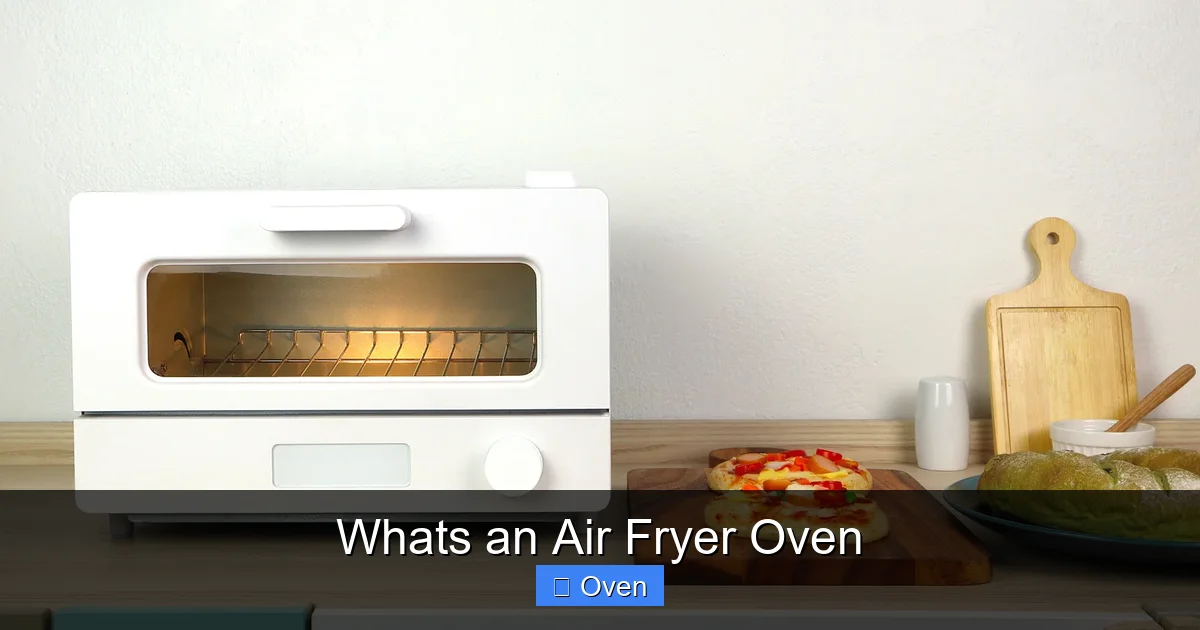
An air fryer oven is a versatile countertop appliance that cooks food using rapid hot air circulation, mimicking deep frying with little to no oil. It delivers crispy, delicious results for everything from fries to roasts, often faster and healthier than traditional methods. Think of it as a compact convection oven with supercharged air flow for amazing texture.
Key Takeaways
- Rapid Air Circulation: Uses a powerful fan and heating element to circulate superheated air, cooking food quickly and creating a crispy exterior without submerging in oil.
- Healthier Cooking: Achieves deep-fried texture with up to 80% less fat, making it ideal for health-conscious cooks seeking indulgent flavors.
- Versatile Functions: Goes beyond “frying” – bake, roast, reheat, dehydrate, and even proof dough, replacing multiple appliances.
- Faster & Energy Efficient: Cooks 20-30% faster than conventional ovens and uses less energy, saving time and lowering utility bills.
- Compact Countertop Size: Fits easily on most kitchen counters, offering oven-like capacity without needing a full-sized appliance.
- Easy Cleanup: Most parts (basket, tray, crisper plate) are dishwasher safe, simplifying post-cooking maintenance.
- Not Just for “Frying”: Excels at roasting vegetables, baking small batches, reheating leftovers crisply, and cooking proteins perfectly.
Quick Answers to Common Questions
Is an air fryer oven really healthier than deep frying?
Yes, significantly! It achieves that crispy texture using up to 80% less oil than traditional deep frying. You get the taste and crunch you love with far fewer calories and unhealthy fats, making it a much better option for regular indulgence.
Can an air fryer oven replace my regular oven?
Not completely, but it can handle many tasks! It’s perfect for small batches, crispy foods, reheating, and quick roasts/bakes. However, it lacks the capacity for large roasts, big casseroles, or baking multiple trays at once like a full-sized oven. Think of it as a powerful complement, not a full replacement.
Do I need to preheat my air fryer oven?
Most of the time, no! Unlike conventional ovens, air fryer ovens heat up incredibly fast (often in 2-5 minutes). Many recipes skip preheating altogether, especially for shorter cooks like fries or wings. Preheating might be beneficial for very precise baking tasks, but it’s generally not necessary.
Why is my food not getting crispy in the air fryer?
The most common reasons are overcrowding the basket (blocking airflow), not drying the food surface enough before cooking, or using too much oil (which can cause steaming). Ensure food is in a single layer, patted very dry, and use only a light spritz of oil if needed.
Can I put aluminum foil or parchment paper in my air fryer oven?
Yes, but with caution. Use only parchment paper (not wax paper!) or aluminum foil that fits *loosely* inside the basket/tray, allowing air to circulate underneath and around the food. Never cover the entire bottom tightly, as this blocks airflow. Avoid using foil if it could touch the heating element.
📑 Table of Contents
- What Exactly is an Air Fryer Oven? Your Kitchen’s New Best Friend
- How Does an Air Fryer Oven Actually Work? The Science of Crisp
- Why Choose an Air Fryer Oven? Top Benefits You’ll Love
- What Can You Actually Cook in an Air Fryer Oven? Endless Possibilities
- Choosing Your Perfect Air Fryer Oven: Key Features to Consider
- Mastering Your Air Fryer Oven: Pro Tips for Perfect Results Every Time
- Air Fryer Oven vs. Regular Oven vs. Microwave: Knowing When to Use Which
- Conclusion: Is an Air Fryer Oven Right for You?
What Exactly is an Air Fryer Oven? Your Kitchen’s New Best Friend
You’ve probably seen them everywhere – on social media feeds showcasing impossibly crispy chicken wings, in your neighbor’s kitchen humming away, or maybe even sitting temptingly on a store shelf. But what is an air fryer oven, really? Is it just a fancy deep fryer? A mini oven? Something else entirely? Let’s cut through the hype and get to the delicious truth.
At its core, an air fryer oven is a compact, countertop convection oven designed specifically for rapid air circulation cooking. Forget the image of a bubbling vat of oil. This clever appliance uses a powerful heating element (usually located at the top) and a high-speed fan to blast superheated air around your food in a tightly sealed chamber. This intense, circulating hot air cooks the food quickly from all sides, creating that coveted crispy, golden-brown exterior we love from deep-fried foods – but using little to no oil. The result? Food that tastes indulgent but is significantly healthier. It’s like giving your traditional oven a superhero upgrade focused on speed and crispiness.
Think of it as the lovechild of a convection oven and a deep fryer, but without the oil mess. While standard convection ovens also use fans to circulate air for more even cooking, air fryer ovens take it to the next level. They operate at higher fan speeds and often higher temperatures, specifically engineered to rapidly dehydrate the surface of food, triggering the Maillard reaction (that magical browning process) much faster than a regular oven. This is the secret sauce behind achieving that perfect crunch on fries, wings, or even roasted Brussels sprouts without turning your kitchen into a smoky mess or your waistline into a disaster zone. It’s not magic, it’s smart engineering for your everyday meals.
How Does an Air Fryer Oven Actually Work? The Science of Crisp
Understanding the mechanics makes it even more impressive. Forget submerging food in hot oil – that’s the old way. The air fryer oven’s genius lies in its intense, focused airflow. Here’s the step-by-step magic:
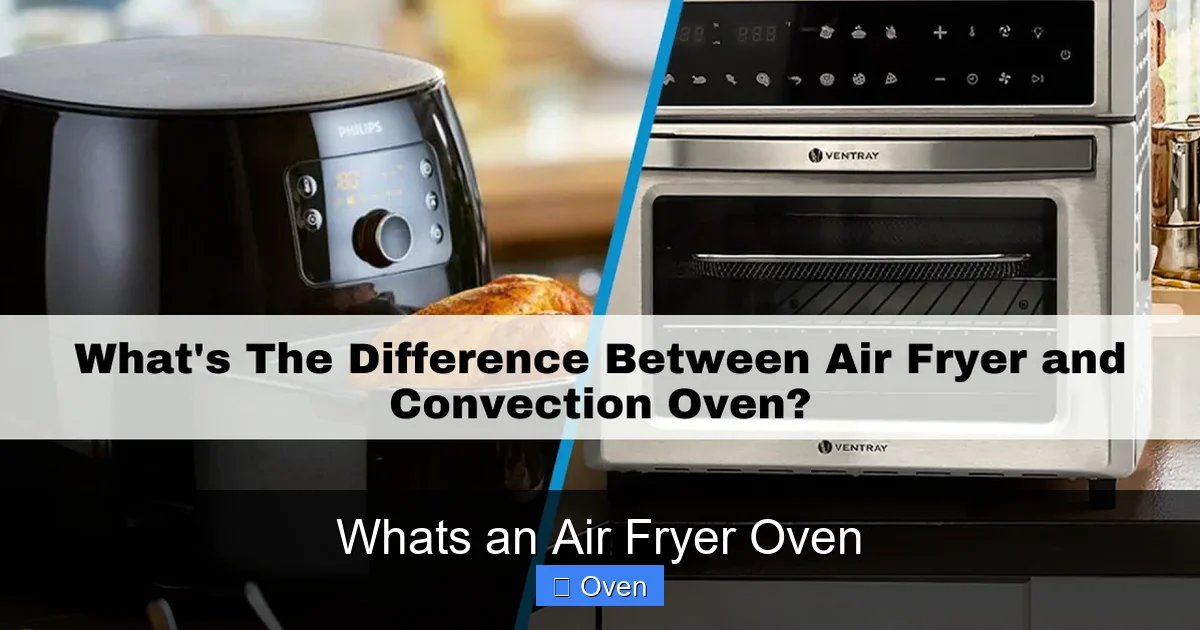
Visual guide about Whats an Air Fryer Oven
Image source: goodhousecleaner.com
The Powerhouse: Heating Element & Turbo Fan
When you turn it on and set your temperature and time, the heating element (usually a coil or quartz element near the top) rapidly heats up to your desired temperature – often ranging from a low 100°F (38°C) for dehydrating jerky to a sizzling 400°F (200°C) or higher for crisping. But the real star is the powerful fan, typically located just behind or above the heating element. This isn’t your average oven fan; it’s a high-speed turbine designed to move a massive volume of air very quickly.
Rapid Air Circulation: The Crisp Creator
The fan sucks in hot air from the heating chamber and forcefully blows it down and around the food basket or tray. This creates a vortex of superheated air that constantly bombards the surface of your food. This intense, direct heat rapidly evaporates surface moisture. Why is that important? Water is the enemy of crispiness! When food is wet on the outside, it steams instead of browning. By quickly removing that surface moisture, the air fryer oven allows the Maillard reaction to kick in almost immediately. This reaction between amino acids and sugars creates complex flavors and that beautiful, appetizing brown crust we associate with fried foods. The constant circulation ensures even cooking and browning from all angles, eliminating hot spots common in regular ovens.
The Chamber: Contained Chaos for Perfect Results
The cooking chamber is designed to be relatively small and sealed (except for the door). This containment is crucial. It prevents the hot air from escaping, maintaining high temperature and pressure within the chamber. This dense, hot environment is what allows the rapid moisture evaporation and intense surface heating to happen so efficiently. The perforated basket or tray your food sits on is key – it allows the hot air to flow freely *through* the food, not just around it, ensuring even cooking and crispiness on all sides. Some models even have a rotating basket or a shake reminder to flip food manually for ultimate uniformity.
Why Choose an Air Fryer Oven? Top Benefits You’ll Love
So, why should you clear counter space for this gadget? It’s not just a trend; air fryer ovens offer real, practical advantages that solve common kitchen headaches:
Healthier Indulgence: Guilt-Free Crisp
This is the headline benefit. Traditional deep frying requires submerging food in several inches of oil, absorbing significant amounts of fat. An air fryer oven achieves that same satisfying crunch with just a light spritz of oil (or sometimes none at all!). Studies and countless user experiences show you can reduce fat content by up to 80% compared to deep frying. Craving crispy french fries? Toss them in a teaspoon of oil, air fry, and enjoy. Want golden chicken wings? A light coating is all you need. It’s a game-changer for anyone watching their fat intake or trying to eat cleaner without sacrificing flavor and texture. You get the taste you crave with far fewer calories from oil.
Speed Demon: Dinner in a Flash
Forget preheating your massive conventional oven for 20 minutes just to cook a small batch of something. Air fryer ovens heat up incredibly fast – often in 2-5 minutes – and cook food significantly quicker due to the intense, direct airflow. Need to reheat pizza? 3-5 minutes and it’s crispy again, not soggy. Cooking frozen fries? Often ready in 10-15 minutes instead of 20-25 in a regular oven. Roasting a whole chicken? You might shave 20-30% off the cooking time. This speed is invaluable on busy weeknights or when you need a quick side dish. It’s like having a kitchen shortcut built-in.
Energy Saver: Lower Bills, Smaller Footprint
Because they are compact and heat up/cook much faster, air fryer ovens use considerably less electricity than heating up your entire conventional oven, especially for small meals. Running your air fryer for 20 minutes uses far less energy than preheating and running your big oven for the same duration. Over time, this translates to noticeable savings on your utility bill. Plus, their countertop size means you avoid the energy drain of a preheating large oven cavity you’re only using a fraction of.
Versatility King: More Than Just “Frying”
Don’t let the name fool you! While it excels at replicating fried foods, an air fryer oven is a true multi-tasker. It can:
- Bake: Perfect for small batches of cookies, muffins, or even a personal pizza. The intense heat gives baked goods a lovely crust.
- Roast: Vegetables (broccoli, asparagus, potatoes) come out caramelized and tender-crisp beautifully. Roast chicken, pork chops, or salmon perfectly.
- Reheat: Revive leftovers like pizza, fried chicken, or even french fries to their original crispy glory – something microwaves utterly fail at.
- Dehydrate: Make your own jerky, fruit leathers, or dried herbs at low temperatures over several hours.
- Proof Dough: Use the warm, gentle setting to help bread dough rise.
- Toast: Some models have a dedicated toast setting for bagels or bread slices.
This versatility means it can often replace several single-purpose appliances, freeing up cabinet space.
Easy Peasy Cleanup
Most air fryer ovens feature non-stick coated baskets, trays, and crisper plates that are dishwasher safe. No scrubbing burnt-on grease from deep fryer baskets or oven racks. After cooking, let the parts cool, give them a quick rinse (often food slides right off), and pop them in the dishwasher. The interior cavity is usually smooth and easy to wipe down. This simplicity is a huge win after a meal.
What Can You Actually Cook in an Air Fryer Oven? Endless Possibilities
The beauty of an air fryer oven is its adaptability. It’s not limited to frozen fries (though it does those brilliantly!). Here’s a taste of what you can whip up:
Classic “Fried” Favorites (The Healthier Way)
- Crispy French Fries: Toss frozen or fresh-cut potatoes with a tiny bit of oil and your favorite seasonings (paprika, garlic powder). Air fry at 400°F (200°C) for 15-20 minutes, shaking halfway. Golden, crispy perfection.
- Chicken Wings & Drumsticks: Pat dry, toss with baking powder (secret for extra crisp!) and seasonings. Air fry at 380°F (195°C) for 25-30 minutes, flipping halfway. Serve with your favorite sauce.
- Onion Rings & Mozzarella Sticks: Coat frozen or homemade versions lightly in oil or cooking spray. Air fry at 390°F (200°C) for 8-12 minutes until golden and bubbly.
- Fish Fillets: Lightly coat in seasoned breadcrumbs or panko. Air fry at 400°F (200°C) for 8-12 minutes depending on thickness. Flaky and crispy skin!
Roasting & Baking Powerhouse
- Vegetables: Toss broccoli, cauliflower, zucchini, bell peppers, or Brussels sprouts with olive oil, salt, and pepper. Roast at 390°F (200°C) for 12-18 minutes until tender and caramelized. Add nuts like almonds or pecans in the last 3-5 minutes.
- Proteins: Cook chicken breasts, pork chops, or salmon fillets perfectly. Season simply, air fry at 375-400°F (190-200°C) for 12-18 minutes (time varies by thickness). Use a meat thermometer for accuracy.
- Small Batch Baking: Bake cookies (place dough balls on a tray, air fry at 350°F/175°C for 8-10 mins), muffins, or even a small cake. Great for singles or couples.
- Reheating Leftovers: Pizza slices? 3-5 mins at 350°F (175°C) restores crisp crust. Fried chicken? 5-8 mins at 375°F (190°C) brings back crunch. Soggy fries? 5 mins at 400°F (200°C) fixes them.
Unexpected Delights
- Dehydrating: Make apple chips (sliced thin, sprinkle cinnamon, air fry at 120°F/50°C for 2-3 hours), beef jerky, or dried herbs.
- Crisping Up Tofu: Press extra-firm tofu, cube, toss with cornstarch and seasoning. Air fry at 400°F (200°C) for 15-20 mins until golden and firm. Perfect for stir-fries or salads.
- Making “Fried” Eggs: Crack eggs into a greased ramekin or small oven-safe dish. Air fry at 320°F (160°C) for 5-8 minutes for sunny-side up perfection.
- Roasting Nuts & Seeds: Toss raw nuts or seeds with oil and salt. Air fry at 300°F (150°C) for 5-10 minutes, shaking often, until golden and fragrant.
The key to success? Don’t overcrowd the basket! Air needs space to circulate. Cook in batches if necessary for the best results.
Choosing Your Perfect Air Fryer Oven: Key Features to Consider
Walk into any store or browse online, and you’ll be overwhelmed by choices. To find the best air fryer oven for *your* kitchen, focus on these crucial factors:
Capacity: How Much Do You Need?
This is paramount. Air fryer ovens range from compact 2-3 quart models (ideal for 1-2 people, perfect for fries, wings, or small chicken pieces) to larger 5-8+ quart capacity units (great for families, roasting whole chickens, or cooking multiple items). Consider:
- Household Size: Solo cook or couple? 3-4 quarts is often sufficient. Family of 4+? Look for 5 quarts or more.
- What You Cook: Roasting a whole chicken needs significant space (5+ quarts). Mostly reheating pizza or making small batches? A 3-quart might suffice.
- Counter Space: Measure your available space! Larger capacities mean bigger footprints. Ensure it fits comfortably where you plan to keep it.
Remember, bigger isn’t always better if you rarely use the extra space – it just takes longer to heat up and uses more energy for small loads.
Power & Performance: Wattage Matters
Wattage directly impacts heating speed and cooking power. Most good air fryer ovens range from 1200 to 1800 watts.
- 1200-1400W: Adequate for basic tasks, but may cook slower, especially with larger loads or frozen foods.
- 1500-1800W: The sweet spot for most users. Heats up faster, cooks more evenly and quickly, handles larger quantities better. Worth the slight premium for performance.
Higher wattage generally means better performance, especially for achieving that deep-fry level crisp.
Controls & Ease of Use: Simplicity is Key
Look for intuitive controls:
- Digital vs. Analog: Digital displays with preset programs (fries, chicken, bake, roast, reheat) are very user-friendly, especially for beginners. Analog dials are simpler but lack presets.
- Presets: Useful for common tasks, but ensure you can still adjust time and temperature manually for flexibility.
- Ease of Reading: Can you easily see the display and controls? Backlit displays are helpful.
- Shake/Flip Reminder: A timer that beeps to remind you to shake the basket or flip food is incredibly helpful for even cooking.
Test the controls if possible – they should feel responsive and logical.
Design & Build Quality: Durability Counts
You want something that lasts:
- Basket/Tray Material: Non-stick coating is essential. Look for PFOA-free ceramic or durable Teflon coatings. Stainless steel baskets are durable but harder to clean.
- Ease of Cleaning: Dishwasher-safe parts are a huge plus. Check if the basket handle stays cool and if the interior is smooth.
- Build Feel: Does it feel sturdy? Cheap plastic feels flimsy and may warp. A heavier base often indicates better quality.
- Safety Features: Auto-shutoff, cool-touch handles, and a secure locking mechanism are important, especially with kids around.
Read reviews focusing on long-term durability.
Extra Features: Nice-to-Haves
- Rotating Basket: Automatically turns food for even cooking without shaking (less common in ovens vs. basket models).
- Multiple Racks: Allows cooking different foods simultaneously (e.g., chicken on bottom rack, veggies on top).
- Viewing Window: Lets you check progress without opening the door and losing heat.
- Dehydrate Function: Dedicated low-temperature setting for making jerky or fruit chips.
- Keep Warm Function: Holds food at serving temperature after cooking.
Prioritize core performance (capacity, wattage, ease of use) over fancy extras, but some can add significant convenience.
Mastering Your Air Fryer Oven: Pro Tips for Perfect Results Every Time
Owning an air fryer oven is one thing; using it like a pro is another. Avoid common pitfalls and unlock its full potential with these essential tips:
Prep is Paramount: The Crispiness Secret
Surface moisture is the enemy! Always pat proteins (chicken, fish, tofu) and vegetables *thoroughly* dry with paper towels before seasoning or adding oil. This simple step makes a massive difference in achieving that golden crust. For extra-crispy results, especially on chicken skin or tofu, toss the dried food in a *tiny* bit of cornstarch or baking powder (1/2 tsp per pound of chicken) before adding oil and seasonings. The cornstarch/baking powder helps draw out moisture and creates a drier surface for better browning.
Don’t Crowd the Basket: Air Needs Space!
This is the #1 mistake beginners make. Overfilling the basket blocks airflow, leading to steaming instead of crisping. Food cooks unevenly, stays soggy, and takes much longer. Cook in batches if necessary. You want food arranged in a single layer with space between pieces. It might feel like you’re not using the full capacity, but the results will be infinitely better. Patience pays off with crispiness!
Shake, Flip, or Rotate: Ensuring Even Cooking
Even with powerful airflow, food benefits from being moved halfway through cooking. Set a timer for the halfway point (or use the built-in shake reminder) to:
- Shake the basket vigorously (for fries, wings, nuggets).
- Flip larger items like chicken breasts, fish fillets, or pork chops.
- Rotate the tray if using multiple racks.
This ensures all sides get equal exposure to the hot air for uniform browning and cooking. Skipping this step often results in one side being perfect and the other pale or undercooked.
Oil: Less is More (But Sometimes Necessary)
You often need far less oil than you think. A light spritz from an oil mister (avocado, canola, or olive oil) is usually sufficient to help with browning and prevent sticking, especially for lean proteins or vegetables. For foods with natural fat (chicken skin, fatty fish), you might need no oil at all. Avoid drowning food in oil – it defeats the health benefit and can cause smoking. Never use aerosol cooking sprays directly inside the hot chamber; they can damage non-stick coatings. Use a mister bottle instead.
Temperature & Time Tweaks: It’s Not One-Size-Fits-All
Presets are a great starting point, but don’t be afraid to adjust! Frozen foods often need a slightly higher temperature or longer time than fresh. Thicker cuts need lower temps for longer to cook through without burning the outside. Always use a meat thermometer for proteins (chicken 165°F/74°C, pork 145°F/63°C) – visual cues can be misleading. If food is browning too quickly but isn’t cooked through, reduce the temperature by 25°F (15°C) and add a few more minutes. Check food a few minutes before the suggested time ends.
Let it Rest (Sometimes)
Just like with oven-roasted meat, letting proteins rest for 5-10 minutes after air frying allows juices to redistribute, resulting in moister results. Cover loosely with foil. For things like fries or wings where maximum crisp is key, you can serve immediately.
Air Fryer Oven vs. Regular Oven vs. Microwave: Knowing When to Use Which
It’s not about replacing your main oven; it’s about knowing which tool is best for the job:
Air Fryer Oven vs. Conventional Oven
- Speed: Air fryer wins hands-down for small batches and reheating. Preheats and cooks much faster.
- Crispiness: Air fryer is superior for achieving a deep-fry level crunch on the surface with minimal oil.
- Even Cooking (Small Items): Air fryer’s intense airflow often cooks small items like fries or wings more evenly than a large oven.
- Capacity & Large Roasts: Conventional oven wins for baking large casseroles, roasting whole turkeys, or cooking multiple large dishes simultaneously. Air fryer ovens have limited capacity.
- Energy Use (Small Loads): Air fryer is significantly more energy-efficient for cooking small amounts.
- Best For: Air fryer: Small batches, crispy foods, reheating, quick roasts/bakes. Conventional Oven: Large meals, baking bread/cakes, roasting large meats, dishes needing precise low/slow temps.
Air Fryer Oven vs. Microwave
- Texture: Microwave = soggy, steamed. Air fryer = crispy, browned. Air fryer is vastly superior for texture, especially reheating.
- Speed (Reheating): Microwave is faster for *warming* soup or coffee. Air fryer is faster for *reheating* and *recrisping* fried foods, pizza, etc.
- Cooking Ability: Microwave is for reheating, defrosting, simple steaming. Air fryer can actually *cook* a wide variety of foods from raw.
- Best For: Microwave: Quick warming, defrosting, steaming veggies. Air Fryer: Cooking crispy foods, reheating leftovers to perfection, roasting, baking small items.
The ideal kitchen has both a conventional oven and an air fryer oven, each used for their strengths. The microwave remains handy for specific quick tasks.
Conclusion: Is an Air Fryer Oven Right for You?
So, what’s an air fryer oven? It’s far more than just a trendy gadget. It’s a practical, versatile, and genuinely useful countertop appliance that solves real problems: craving crispy food without the oil guilt, needing dinner fast on a busy night, wanting to reheat leftovers that don’t turn to mush, or simply seeking a more energy-efficient way to cook small meals. By harnessing the power of rapid, superheated air circulation, it delivers results that are hard to achieve with other common kitchen tools.
The benefits – healthier cooking, impressive speed, energy savings, versatility, and easy cleanup – are substantial and backed by millions of satisfied users. While it won’t replace your full-sized oven for Sunday roasts or large baking projects, it will quickly become your go-to for countless everyday cooking tasks. From perfectly crisped fries and juicy chicken wings to tender roasted vegetables and revived pizza, the possibilities are deliciously endless.
If you value convenience, flavor, and a bit of healthy indulgence in your cooking routine, an air fryer oven is a fantastic investment. Take the time to choose one that fits your household size and cooking style (capacity and wattage are key!), master the simple pro tips like drying food and not overcrowding, and get ready to transform how you cook. It might just be the most-used appliance in your kitchen, proving that sometimes, the best innovations are the ones that make healthy eating deliciously easy. Give it a try – your taste buds (and maybe even your waistline) will thank you!
Frequently Asked Questions
What’s the difference between an air fryer and an air fryer oven?
The main difference is shape and capacity. A traditional “air fryer” is usually a single-basket, vertical design, great for smaller batches of one food. An “air fryer oven” has a larger, box-like shape with a pull-out drawer or door, often featuring multiple racks, a larger capacity, and more versatile functions like baking and roasting, making it better for families or diverse cooking tasks.
Are air fryer ovens difficult to clean?
Generally, no! Most models have dishwasher-safe parts like the cooking basket, tray, and crisper plate. The non-stick coating makes food residue easy to wipe off. The main interior cavity is usually smooth and can be cleaned with a damp cloth. Avoid abrasive scrubbers to protect the non-stick surface.
Can I cook a whole chicken in an air fryer oven?
Yes, many larger air fryer ovens (typically 5 quarts or more) are designed to cook a whole chicken (usually up to 4-5 lbs). Place it on a rack or tray, season well, and cook at around 375°F (190°C) for 45-60 minutes, or until the internal temperature reaches 165°F (74°C) in the thickest part. It cooks faster and often results in crispier skin than a conventional oven.
Do air fryer ovens use a lot of electricity?
Compared to a full-sized conventional oven, air fryer ovens are much more energy-efficient, especially for small meals. While they have high wattage (1500-1800W), they heat up and cook food significantly faster, so the total energy used per cooking session is usually lower than running a large oven for the same task.
Can I use my air fryer oven to reheat pizza?
Absolutely! This is one of its best uses. Place pizza slices directly on the rack or tray. Reheat at 350°F (175°C) for 3-5 minutes. The intense hot air quickly restores the crispness to the crust that microwaves destroy, giving you pizza that tastes almost freshly baked.
Is the non-stick coating safe in air fryer ovens?
Reputable brands use PFOA-free non-stick coatings (like ceramic or newer PTFE formulas) that are safe for normal use at the temperatures air fryers operate (typically up to 400-450°F / 200-230°C). Avoid overheating an empty basket and never use metal utensils that could scratch the coating. Follow the manufacturer’s care instructions for longevity and safety.