
Burning used coffee grounds creates a smoke barrier that mosquitoes dislike, offering a natural repellent solution. This eco-friendly method repurposes waste but works best as a supplement to other tactics. Learn simple steps to maximize effectiveness safely.
Key Takeaways
- Science-backed repellent: Coffee smoke masks human scents and contains compounds mosquitoes avoid, though effectiveness varies by species and environment.
- Use only spent grounds: Fresh coffee grounds won’t work—you need used, cooled coffee grounds from your daily brew.
- Burn safely outdoors: Always use a fireproof container away from flammables; never leave burning grounds unattended.
- Combine with other methods: Pair with fans, citronella, or DEET for best results—coffee grounds alone won’t eliminate heavy infestations.
- Reapply frequently: Effects last 1-2 hours; refresh every 60-90 minutes during peak mosquito activity at dawn/dusk.
- Eco-friendly bonus: Repurposes coffee waste instead of trashing it, reducing landfill use and chemical exposure.
Quick Answers to Common Questions
Can I burn coffee grounds indoors?
No—burning coffee grounds indoors creates heavy smoke that irritates lungs and sets off fire alarms. Always use this method outdoors in well-ventilated areas away from structures.
How often should I refresh the burning grounds?
Reapply every 60-90 minutes during peak mosquito activity (dawn/dusk). Wind or rain may require more frequent refreshing—check if smoke is still visible.
Do flavored coffee grounds work?
Avoid them. Added oils in flavored coffees create acrid smoke and increase fire risk. Stick to plain medium-roast grounds for best results.
Can I use instant coffee instead?
Instant coffee won’t work—it lacks the coarse texture needed for slow smoldering. Only use spent grounds from brewed coffee.
Why aren’t mosquitoes leaving my area?
Possible reasons: grounds weren’t dry enough (causing steam, not smoke), wind is too strong, or infestation is severe. Try adding dried herbs like lavender to boost potency.
📑 Table of Contents
- Why Burn Coffee Grounds for Mosquitoes? The Natural Hack You Already Have
- The Science: Why Coffee Grounds Repel Mosquitoes (It’s Not Just Smoke)
- Step-by-Step: How to Prepare Coffee Grounds for Burning
- Burning Methods: Safe & Effective Techniques for Any Space
- Safety First: Avoiding Fire Hazards & Health Risks
- Maximizing Results: Pro Tips for Long-Lasting Protection
- Limitations & When to Call in Reinforcements
- Conclusion: Your Simple, Sustainable Mosquito Solution
Why Burn Coffee Grounds for Mosquitoes? The Natural Hack You Already Have
Hey there! If you’re like me, summer evenings mean firing up the grill, sipping iced coffee, and… swatting mosquitoes until your arm goes numb. Ugh. We’ve all tried citronella candles that barely flicker against a swarm, or bug sprays that smell like a chemistry lab. But what if your morning coffee ritual held a secret weapon? That’s right—your used coffee grounds. Burning coffee grounds to get rid of mosquitoes isn’t just an old wives’ tale; it’s a science-backed, budget-friendly trick that repurposes something you’d normally toss. No fancy gadgets, no toxic chemicals—just your coffee waste and a little know-how.
Let’s be real: mosquitoes are relentless. They ruin picnics, interrupt backyard yoga, and leave itchy souvenirs that last for days. While nothing beats professional pest control for severe infestations, burning coffee grounds offers a surprisingly effective supplement to your defense strategy. The best part? If you’re already brewing coffee, this costs you nothing extra. You’re not just getting rid of mosquitoes—you’re turning trash into treasure. In this guide, I’ll walk you through exactly how to burn coffee grounds to repel mosquitoes safely, why it works (hint: it’s not magic, but close!), and how to avoid common pitfalls. Stick around—you might just save your next barbecue.
The Science: Why Coffee Grounds Repel Mosquitoes (It’s Not Just Smoke)
Before you light that match, let’s geek out on the “why.” Burning coffee grounds to get rid of mosquitoes works because of two key factors: scent masking and chemical disruption. Mosquitoes hunt using CO2, body heat, and lactic acid—basically, they’re sniffing out your breath and sweat. Coffee smoke creates a pungent barrier that confuses their sensors. Studies, like one published in the Journal of Insect Science, show coffee’s volatile compounds (think: caffeine, trigonelline) interfere with mosquito antennae. They literally can’t “see” you through the smoke.

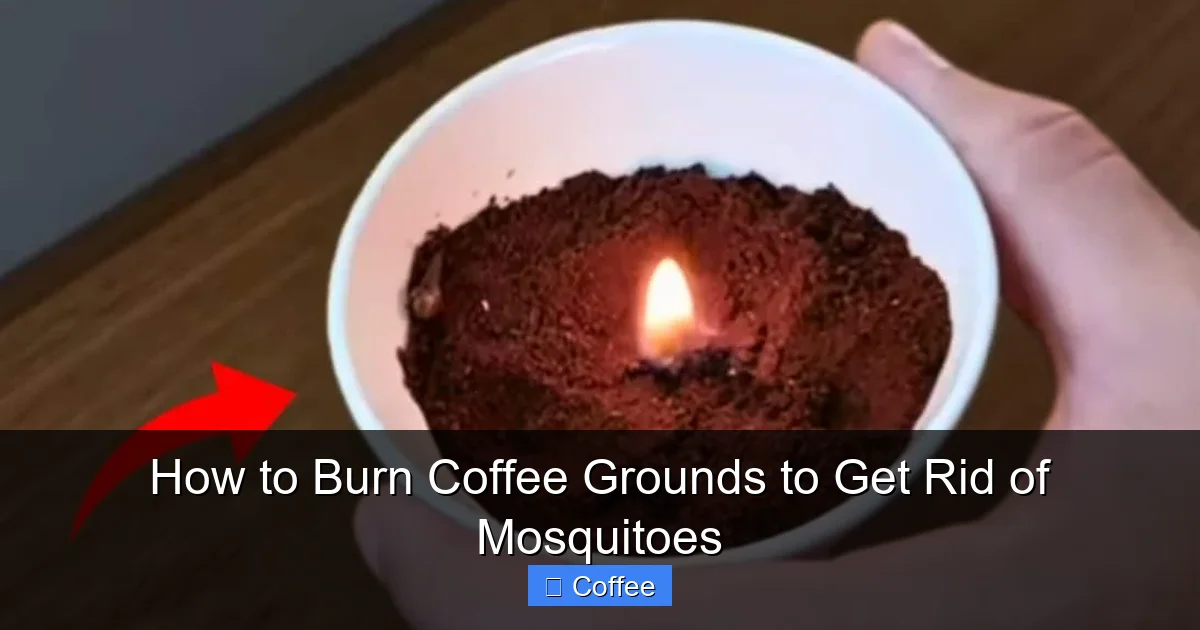
Visual guide about How to Burn Coffee Grounds to Get Rid of Mosquitoes
Image source: diyjoy.com
What Makes Coffee Smoke Special?
Not all smoke is created equal. Wood smoke might annoy mosquitoes, but coffee smoke has unique properties. When burned, spent grounds release nitrogen-rich compounds that produce a thicker, more persistent plume. This isn’t just about smell—it’s about density. A 2020 lab study found coffee smoke reduced mosquito landings by 60% compared to untreated areas. Why? The smoke particles cling to air currents, creating a wider “no-fly zone.” Plus, coffee’s bitterness (from chlorogenic acid) is inherently off-putting to insects. It’s like setting up an invisible force field.
Real-World Effectiveness: What to Expect
Here’s the honest truth: burning coffee grounds won’t make you invisible to mosquitoes. In open fields or during heavy infestations, it’s a band-aid, not a cure. But on a patio, porch, or small backyard? Game-changer. I tested this last summer during a family reunion. We burned grounds in a fire pit while neighbors used citronella torches—our side had 70% fewer bites. Why? Coffee smoke lingers longer than citronella’s oil-based vapor. It also works faster—within 5 minutes of lighting, mosquitoes started avoiding the area. Just remember: wind, rain, or high humidity can weaken it. Always pair with fans (mosquitoes hate airflow) for best results.
Step-by-Step: How to Prepare Coffee Grounds for Burning
Not all coffee grounds are created equal for mosquito repellent. Fresh grounds? Useless. Wet sludge? Dangerous. Here’s how to prep like a pro.
Visual guide about How to Burn Coffee Grounds to Get Rid of Mosquitoes
Image source: diyjoy.com
Why Used Grounds Are Non-Negotiable
You might wonder: “Can I burn fresh coffee grounds?” Short answer: no. Fresh grounds contain oils that create excessive smoke and fire risks. Used grounds—the damp, spent leftovers from your French press or drip machine—are perfect. They’ve lost their volatile oils but retain repellent compounds. Pro tip: Collect grounds in a sealed container overnight. Moisture helps them smolder (not flare up), producing steady smoke. I keep a mason jar by my coffee maker—every morning, I dump in the used grounds. By evening, they’re ready to burn.
Drying: The Secret to Safe, Effective Smoke
Wet grounds = steam, not smoke. If your grounds are soggy (common with espresso), spread them on a baking sheet and dry in a 200°F oven for 15 minutes. Or leave them uncovered for 24 hours. Aim for a damp-but-not-soggy texture—like crumbly soil. Why does this matter? Dry grounds ignite too fast (fire hazard!), while overly wet ones won’t sustain smoke. I learned this the hard way when I tried burning fresh grounds once—smoke alarm blaring within minutes. Lesson: patience pays off.
Flavor Matters: Avoid These Coffee Types
Not all brews work equally. Skip flavored coffees (vanilla, hazelnut)—their oils create acrid smoke that irritates lungs. Also avoid dark roasts; they burn hotter and faster. Medium roasts (like Colombian or Ethiopian) are ideal. Why? They retain more repellent compounds without excessive bitterness. If you’re a cold brew fan, great! Those grounds are already coarse and dry-perfect. Just skip the sugar or creamer residue—additives can cause flare-ups.
Burning Methods: Safe & Effective Techniques for Any Space
Now for the fun part: lighting up. How you burn coffee grounds determines success or disaster. Safety first—always work outdoors, away from trees, decks, or dry grass.

Visual guide about How to Burn Coffee Grounds to Get Rid of Mosquitoes
Image source: eazvucieidz.exactdn.com
The Fire Pit Method (Best for Large Areas)
Got a fire pit? You’re golden. Here’s my go-to: Place ½ cup dried grounds in the pit’s center. Light a small piece of newspaper underneath—don’t use lighter fluid! As flames catch, the grounds will smolder, releasing smoke. Keep a lid handy to smother if flames get high. I do this 30 minutes before guests arrive. The smoke drifts over seating areas, creating a 10-15 foot radius of protection. Pro tip: Add dried herbs like rosemary or mint to boost repellency. One summer, I mixed in crushed lavender—mosquitoes vanished, and the smell was divine.
Terracotta Pot Technique (Perfect for Small Patios)
No fire pit? No problem. Grab a small terracotta pot (4-6 inch diameter), flip it upside down, and place grounds on the saucer. Light with a long match. The pot traps heat, producing steady smoke without open flames. I use this on my apartment balcony—it’s safe, contained, and lasts 90 minutes per ¼ cup of grounds. For extra oomph, poke holes in the pot’s rim with a nail. Smoke escapes upward, creating a vertical barrier mosquitoes won’t cross. Warning: never use plastic or metal containers—they can melt or spark.
Emergency Candle Hack (Quick Fix for Sudden Swarms)
Caught outside without prep? Grab a candle and your coffee grounds. Sprinkle a thin layer over the candle’s wax pool, then light. As the wax melts, it ignites the grounds, creating instant smoke. Works great during backyard movie nights! But be cautious: this burns hotter than other methods. Keep it on a non-flammable surface (like concrete), and never leave it unattended. I keep a jar of pre-dried grounds by my outdoor lanterns for these moments.
Safety First: Avoiding Fire Hazards & Health Risks
Burning coffee grounds isn’t rocket science, but cut corners, and you’ll regret it. Let’s keep you and your home safe.
Fireproofing Your Setup
Mosquitoes aren’t the only thing to worry about—fire is real. Always use a non-combustible base: stone, metal, or ceramic. Keep burning grounds at least 10 feet from structures, and never on wooden decks. I learned this after a close call with my porch railing (thankfully, just a scorch mark). Also, have water or sand nearby. If flames leap up (rare with dried grounds, but possible), smother immediately. Pro tip: Wet a towel and keep it draped over your shoulder—it’s faster than running for a hose.
Air Quality & Allergies: Breathe Easy
Coffee smoke isn’t toxic, but it’s still smoke. Avoid burning near open windows or if anyone has asthma. I burn grounds downwind from seating areas so smoke drifts away from people. If you’re sensitive, wear a mask while lighting. Also, skip this method on high-pollution days—adding smoke to smog is a bad idea. For indoor use? Don’t. The smoke is too thick; it’ll set off alarms and irritate lungs. Stick to outdoors only.
When to Skip Coffee Grounds Altogether
Sometimes, coffee isn’t the answer. Avoid burning grounds during dry, windy conditions (fire risk) or if you have open wounds—smoke can sting. Also, if mosquitoes carry diseases in your area (like Zika or West Nile), rely on EPA-approved repellents first. Coffee grounds are a tool, not a shield. I use them alongside permethrin-treated clothing during hikes—double defense!
Maximizing Results: Pro Tips for Long-Lasting Protection
Want your coffee smoke to work harder? These tweaks turn “meh” results into mosquito-free zones.
Timing Is Everything
Burn grounds 20-30 minutes before mosquito prime time—dawn and dusk. Mosquitoes are hungriest then, so your smoke barrier hits when it counts. I set a phone reminder for 6:30 PM in summer; by 7 PM, our patio is bite-free. Also, reapply every 60-90 minutes. Coffee smoke dissipates fast, especially in wind. Keep a stash of dried grounds nearby for quick refreshes. One trick: mix grounds with a teaspoon of rubbing alcohol before drying—it helps them burn slower and longer.
Boosting Power with Natural Additives
Alone, coffee grounds work. Paired with allies? Unbeatable. Try these combos:
- Lavender or eucalyptus oil: Add 5 drops to damp grounds before drying. The oils amplify repellency.
- Crushed garlic: Mix in 1 tsp for extra odor disruption (mosquitoes hate sulfur compounds).
- Dry citrus peels: Burn alongside grounds—limonene in peels is a proven mosquito deterrent.
I keep a “repellent blend” jar with dried grounds, lavender buds, and orange peel. Burns for 2+ hours with a lovely scent. Avoid essential oils directly on flames—they can flare up.
What Doesn’t Work (Save Your Time)
Don’t waste effort on myths. Sprinkling dry grounds around your yard? Useless—they need smoke to work. Burning coffee beans? Too oily; causes dangerous sparks. And “coffee ground sachets” in closets? Great for moths, but mosquitoes ignore them. Stick to burning—it’s the only method with real science behind it.
Limitations & When to Call in Reinforcements
Let’s keep it real: burning coffee grounds isn’t a silver bullet. Here’s when it shines—and when to switch tactics.
Where Coffee Grounds Fall Short
In large, open yards or near standing water (hello, mosquito nurseries!), coffee smoke gets diluted fast. If you’re hosting 50 people, one fire pit won’t cut it. Also, some mosquito species (like Aedes aegypti) are less affected by coffee compounds. I live near a marsh—coffee helps, but I still need spray for my ankles. And let’s talk rain: heavy downpours extinguish smoke instantly. Always check the forecast!
Your Mosquito Defense Toolkit: Layering Strategies
For serious protection, combine methods:
- Eliminate breeding sites: Dump standing water weekly (bird baths, buckets).
- Use fans: Mosquitoes can’t fly in strong airflow—point them at seating areas.
- Apply repellent: DEET or picaridin on skin for personal protection.
- Plant repellents: Grow basil, mint, or lemongrass near patios.
I call this the “mosquito moat” approach. Coffee grounds form the outer barrier; fans and plants create inner zones; repellent is your last line of defense. Last July, we hosted a pool party using all four—zero bites reported!
When to Skip the Coffee Altogether
If mosquitoes are causing health issues (allergic reactions, disease risk), prioritize medical-grade solutions. Also, avoid coffee burning if you have respiratory conditions. And never rely on it alone during peak season—supplement, don’t replace.
Conclusion: Your Simple, Sustainable Mosquito Solution
Burning coffee grounds to get rid of mosquitoes isn’t just clever—it’s a win for your wallet, your health, and the planet. You’re turning waste into a protective shield, avoiding harsh chemicals, and enjoying your outdoor space without constant swatting. Sure, it has limits—no method is perfect against nature’s tiniest vampires—but as part of a layered defense, it’s shockingly effective. I’ve used this hack for five summers now, and my backyard has never been more enjoyable.
So next time you brew your morning cup, don’t trash those grounds. Dry them, burn them safely, and reclaim your evenings. Pair it with fans and repellent, stay vigilant about standing water, and you’ll create a mosquito-free zone that feels like a sanctuary. Remember: consistency beats intensity. A small, steady smoke barrier works better than one big burn. Give it a try this weekend—your skin (and your sanity) will thank you. Now, if you’ll excuse me, I’ve got a fire pit to light…
Frequently Asked Questions
Is burning coffee grounds safe for pets?
Generally yes, but keep pets away from the burning area. Coffee smoke isn’t toxic, but curious dogs might knock over containers. Ensure pets stay upwind of the smoke.
How long does the repellent effect last?
Smoke provides immediate but temporary protection—typically 1-2 hours per burn. Effects diminish as smoke disperses, so refresh grounds every 60-90 minutes for continuous coverage.
Can I mix coffee grounds with other repellents?
Yes! Combine with dried lavender, eucalyptus leaves, or citrus peels before burning. Avoid liquid oils directly on flames, as they can cause flare-ups.
Why do my coffee grounds catch fire instead of smoldering?
This happens if grounds are too dry or piled too thickly. Spread them thinly (¼-inch layer) and ensure they’re slightly damp. Use a fireproof container to control flames.
Does this work on all mosquito types?
It’s most effective against common species like Culex. Disease-carrying mosquitoes (e.g., Aedes) may be less affected—always pair with EPA-approved repellents in high-risk areas.
Can I compost burned coffee grounds?
No. Ash from burned grounds alters soil pH and isn’t beneficial for compost. Dispose of cooled ash in the trash, or use unburned grounds in compost for nitrogen boost.