
Adding protein to coffee transforms your daily brew into a powerhouse drink that supports muscle repair, keeps you full longer, and stabilizes energy levels. With simple methods like collagen peptides or protein powder, you can enhance nutrition without sacrificing taste. It’s a game-changer for busy mornings, post-workout recovery, or curbing sugar cravings.
Key Takeaways
- Why add protein? It combats coffee crashes, aids muscle recovery, and promotes satiety, making your morning ritual more functional.
- Best protein types: Collagen peptides dissolve invisibly, whey/casein offer complete protein, and plant-based options suit dietary needs.
- Timing matters: Add protein *after* brewing to prevent clumping and preserve heat-sensitive nutrients like collagen.
- Flavor is key: Use unsweetened protein, balance with spices (cinnamon, cocoa), and avoid over-mixing to keep coffee delicious.
- Start small: Begin with 10-15g protein (1 scoop) to avoid digestive upset and adjust based on your needs.
- Not a meal replacement: Pair with healthy fats (avocado, nuts) for a truly balanced breakfast.
Quick Answers to Common Questions
Can I add protein to iced coffee?
Absolutely! Iced coffee is perfect for protein. Use collagen peptides or plant-based powders—they dissolve well in cold liquid. Shake in a bottle for 20 seconds to avoid clumps.
Will protein make my coffee taste chalky?
Not if you choose the right type! Collagen is invisible, and instantized whey/plant proteins blend smoothly. Always make a slurry first and avoid cheap, gritty powders.
How much protein is too much in coffee?
Start with 10-15g (about 1 scoop). Most people tolerate up to 20-25g, but exceeding 30g in one sitting may cause digestive upset. Listen to your body!
Can I use protein powder in espresso?
Yes, but cool it slightly first. Add protein to the espresso shot, then stir vigorously with a spoon or frother. Avoid boiling-hot espresso to prevent clumping.
Is protein coffee good for weight loss?
Yes! It stabilizes blood sugar and reduces cravings. Pair with healthy fats (like avocado) for a balanced meal that keeps you full—no more 10 a.m. donut runs.
📑 Table of Contents
- Why Your Morning Coffee Needs a Protein Power-Up
- Why Add Protein to Coffee? The Science-Backed Benefits
- Choosing the Right Protein: Collagen, Whey, Plant-Based & More
- Step-by-Step: How to Add Protein to Coffee Without Ruining It
- Timing Your Protein Coffee for Maximum Impact
- Common Mistakes (and How to Fix Them)
- Making It a Sustainable Habit
- Conclusion: Your Coffee, Upgraded
Why Your Morning Coffee Needs a Protein Power-Up
That first sip of coffee is pure magic. It wakes you up, clears the fog, and gets you ready to tackle the day. But let’s be real: that initial buzz often crashes hard by mid-morning. You reach for sugary pastries or another cup, setting off a cycle of energy spikes and crashes. What if your coffee could do more than just wake you up? What if it could actually fuel you?
Adding protein to coffee isn’t just a trendy hack—it’s a smart upgrade for your health and energy. Protein helps slow the absorption of caffeine, smoothing out those jitters and crashes. It also supports muscle repair (especially if you work out in the morning), keeps you feeling full until lunch, and stabilizes blood sugar. Think of it as turning your daily ritual into a functional wellness tool. No more 10 a.m. hunger pangs or that desperate need for a second cup just to function. It’s about working smarter, not harder, with the coffee you already love.
You might be wondering: “Won’t protein ruin my coffee?” Fair question! The good news is, with the right approach, it blends seamlessly. No chalky texture, no weird aftertaste—just a richer, more satisfying brew that actually serves your body. Whether you’re a fitness enthusiast, a busy professional, or just someone tired of coffee crashes, this simple tweak can transform your mornings. Let’s dive into how to do it right.
Why Add Protein to Coffee? The Science-Backed Benefits
It’s easy to see coffee as just a caffeine delivery system. But when you add protein, you unlock a whole new level of benefits backed by nutrition science. Let’s break down why this combo is a win-win for your body and brain.
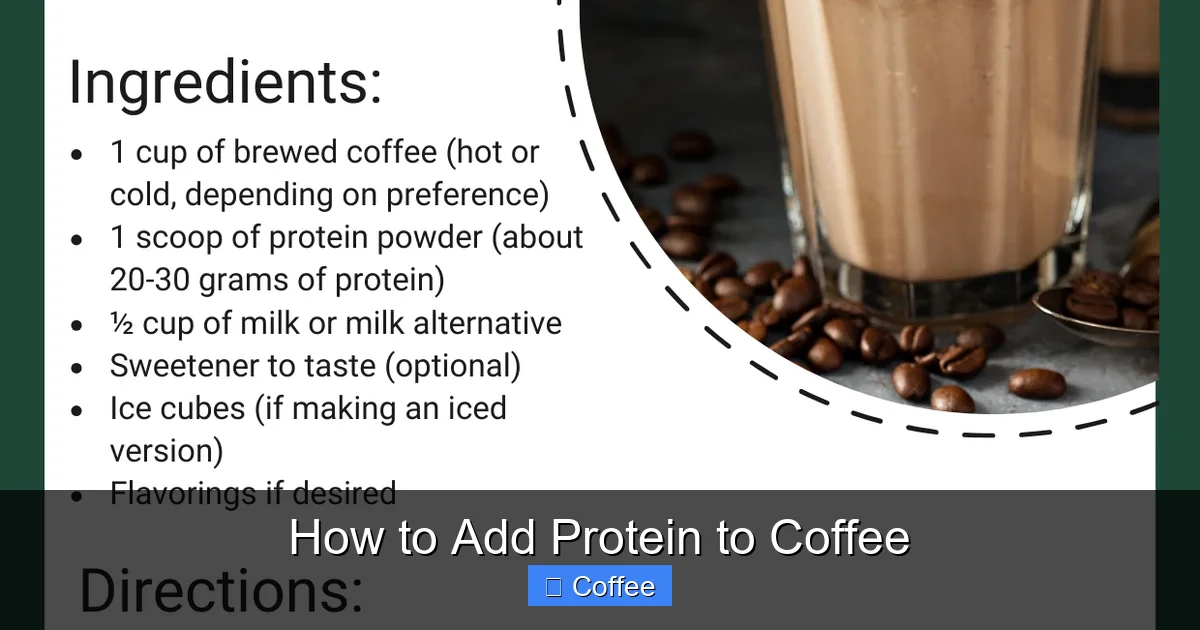
Visual guide about How to Add Protein to Coffee
Image source: images.surferseo.art
Stabilizes Energy and Crushes the Crash
Caffeine gives you a quick hit of energy by blocking adenosine (the “tiredness” chemical in your brain). But without protein, that energy surge is short-lived. Protein slows gastric emptying, meaning caffeine enters your bloodstream more gradually. This prevents the rollercoaster effect—no more 9 a.m. jitters followed by a 10 a.m. slump. Studies show protein-rich meals paired with caffeine improve sustained attention and reduce fatigue better than caffeine alone. Translation? You’ll feel alert for hours, not just minutes.
Boosts Muscle Recovery and Growth
If you exercise in the morning, adding protein to your post-workout coffee is genius. Protein provides amino acids—your muscles’ building blocks—to kickstart repair after a tough session. Collagen peptides, in particular, are rich in glycine and proline, which support joint and connective tissue health. Even if you’re not a gym rat, daily protein intake maintains muscle mass as you age. A 2020 study found that consuming 20-40g of protein within 2 hours of exercise maximizes muscle synthesis. Your coffee can be that convenient window!
Curbs Cravings and Supports Weight Management
Protein is the most satiating macronutrient. It triggers the release of hormones like GLP-1 and PYY that signal fullness to your brain. When you add protein to coffee, you’re less likely to raid the office snack drawer by 11 a.m. Research from the American Journal of Clinical Nutrition shows high-protein breakfasts reduce cravings and nighttime eating. For keto or low-carb folks, it’s an easy way to stay in fat-burning mode without sacrificing your coffee habit.
Enhances Nutrient Absorption
Here’s a bonus: coffee’s antioxidants (like chlorogenic acid) work better with protein. A 2018 study found that pairing coffee with milk (which contains protein) increased antioxidant activity in the body. While adding protein powder isn’t the same as dairy, the principle holds—protein helps your body utilize coffee’s beneficial compounds more effectively. It’s a synergy you didn’t know you needed!
Choosing the Right Protein: Collagen, Whey, Plant-Based & More
Not all proteins are created equal for coffee. Some dissolve smoothly, others clump, and a few might even curdle (looking at you, dairy-based options). The key is matching your protein type to your coffee style and health goals. Let’s compare the top contenders.

Visual guide about How to Add Protein to Coffee
Image source: coffeegeek.tv
Collagen Peptides: The Invisible Powerhouse
If you want protein that disappears into your cup, collagen is your best friend. Made from hydrolyzed collagen (broken into tiny peptides), it dissolves instantly in hot or cold coffee with zero grittiness or taste. It’s flavorless, odorless, and packed with glycine and proline for skin, joints, and gut health. Brands like Vital Proteins or Ancient Nutrition are popular. Pro tip: Start with 10-15g (about 1 scoop) per cup. It won’t alter your coffee’s texture—just add it after brewing and stir.
Whey Protein: The Muscle Builder
Whey is a complete protein (contains all 9 essential amino acids), making it ideal for post-workout recovery. Isolate whey (90%+ protein, low lactose) blends best in coffee since it’s less likely to curdle than concentrate. Look for unflavored or vanilla varieties to avoid overpowering your brew. Warning: Heat can denature whey, reducing its benefits. Always add it to cooled coffee (below 140°F/60°C) and whisk gently to prevent lumps. A blender bottle works wonders here!
Plant-Based Powders: Vegan & Allergy-Friendly
Pea, rice, or hemp protein are great for dairy-free diets. Pea protein is high in BCAAs (branched-chain amino acids) for muscle support, while hemp adds omega-3s. The catch? Plant proteins can be grittier. Choose “smooth” or “instantized” versions, and always blend with a little hot coffee first to create a slurry before adding to your full cup. Vanilla or chocolate flavors mask any earthy notes. Brands like Orgain or Naked Nutrition offer clean options.
Casein Protein: The Slow-Release Option
Casein digests slowly, providing a steady amino acid stream—perfect for overnight fasting or long workdays. But it’s thick and can make coffee chalky. Only recommended if you’re willing to shake it vigorously in a bottle. Best for cold brew or iced coffee where texture matters less.
What to Avoid
Skip dairy milk if you’re adding protein powder—it can curdle when heated. Avoid sugary protein shakes; they’ll turn your coffee into a dessert. And never use raw egg whites (yes, some try this!)—it’s a salmonella risk and tastes awful.
Step-by-Step: How to Add Protein to Coffee Without Ruining It
Adding protein seems simple, but a few tricks prevent clumping, curdling, and bad texture. Follow this foolproof method for coffee that’s creamy, smooth, and packed with nutrition.

Visual guide about How to Add Protein to Coffee
Image source: multivu.com
The Golden Rule: Timing Is Everything
Never add protein powder to brewing coffee. High heat destroys delicate proteins (like collagen) and causes whey to clump. Instead:
- Brew your coffee first. Let it cool for 1-2 minutes (to around 140°F/60°C).
- Add protein to the cup. Sprinkle powder or collagen over the coffee.
- Mix immediately. Use a small whisk, frother, or spoon. For powders, make a slurry: Mix 1 tbsp hot coffee with protein first, then stir into the full cup.
This prevents “fish eyes” (undissolved clumps) and keeps flavors intact.
Tools That Make It Effortless
You don’t need fancy gear, but these help:
- Milk frother: Creates a latte-like foam while blending protein smoothly.
- Blender bottle: Shake iced coffee + protein for 20 seconds—no clumps!
- Small whisk: The old-school way to emulsify powders.
Avoid regular spoons—they won’t break up lumps effectively.
Flavor Pairing Secrets
Protein powders can taste medicinal if not balanced. Here’s how to make it delicious:
- Unflavored is safest: Lets coffee shine. Add cinnamon, cocoa, or vanilla extract.
- Vanilla protein + cold brew: Tastes like a dessert (without sugar).
- Chocolate protein + espresso: For a mocha twist. Add a dash of almond milk.
- Spice it up: Turmeric, cardamom, or pumpkin spice mask any aftertaste.
Pro tip: Sweeten with stevia or monk fruit—not sugar—to keep it healthy.
Sample Recipes to Try Today
Not sure where to start? These take 2 minutes:
- Collagen Cold Brew: 1 cup cold brew + 1 scoop collagen + pinch of cinnamon. Stir.
- Vanilla Protein Latte: ½ cup brewed coffee (cooled) + 1 scoop vanilla whey + ½ cup unsweetened almond milk. Froth.
- Chocolate Mocha Boost: 1 shot espresso + 1 scoop chocolate plant protein + 1 tbsp cocoa powder + splash of oat milk. Blend.
Timing Your Protein Coffee for Maximum Impact
When you drink your protein coffee matters as much as what you add. Sync it with your body’s needs for the best results.
Morning Fuel: Beat the Crash
Drink it within 30 minutes of waking. Your body is in “fasting mode” overnight, so protein + caffeine jumpstarts metabolism without spiking blood sugar. Skip the pastry—this keeps you full until lunch. Ideal for desk jobs or busy parents.
Post-Workout Recovery
Consume within 45 minutes after exercise. The combo of caffeine (which reduces perceived muscle soreness) and protein (for repair) is scientifically proven to enhance recovery. Add 20g protein for optimal muscle synthesis.
Afternoon Slump Buster
Replace that 3 p.m. sugary latte with protein coffee. It stabilizes energy better than caffeine alone and prevents the post-lunch crash. Keep portions smaller (10-15g protein) to avoid interfering with dinner.
What to Avoid
Don’t drink protein coffee right before bed—caffeine disrupts sleep, and protein digestion can cause discomfort. Also, avoid pairing with high-fiber foods (like oatmeal) if you’re sensitive; fiber + protein can slow caffeine absorption too much.
Common Mistakes (and How to Fix Them)
Even protein coffee pros slip up. Here’s how to dodge the pitfalls.
Mistake: Clumpy, Gritty Texture
Why it happens: Adding powder to hot coffee without pre-mixing, or using low-quality protein.
Fix: Always make a slurry first. Choose instantized proteins (labeled “smooth” or “dissolves easily”). For collagen, ensure it’s hydrolyzed.
Mistake: Curdling or Separation
Why it happens: Adding dairy-based protein (like casein) to very hot coffee, or using acidic cold brew with whey.
Fix: Cool coffee slightly before adding protein. For cold brew, use collagen or plant-based powders instead of whey.
Mistake: Bitter or Medicinal Taste
Why it happens: Low-quality protein with fillers, or too much powder.
Fix: Start with 10g protein (less than a full scoop). Use flavored proteins sparingly, and mask with spices. Avoid “weight gainer” shakes—they’re loaded with sugar.
Mistake: Digestive Discomfort
Why it happens: Suddenly adding 20g+ protein to your diet, or using lactose-containing whey.
Fix: Begin with 5-10g protein and gradually increase. Choose lactose-free whey isolate or plant-based options if sensitive.
Mistake: Overdoing the Calories
Why it happens: Adding protein and sugar, creamers, or syrups.
Fix: Use unsweetened protein and unsweetened plant milks. Sweeten with zero-calorie options like stevia.
Making It a Sustainable Habit
Protein coffee shouldn’t feel like a chore. Integrate it smoothly into your routine with these tips.
Prep Ahead for Busy Mornings
Measure protein into small containers the night before. Pre-mix collagen with coffee grounds (it won’t dissolve until liquid hits it). Keep single-serve packets in your bag for office coffee.
Listen to Your Body
Some days you might crave black coffee—that’s okay! Don’t force protein if it causes bloating. Adjust portions based on activity: 15g on rest days, 20g after workouts.
Pair with Real Food
Protein coffee isn’t a full meal. Add healthy fats for balance: a handful of almonds, half an avocado, or chia seeds. This creates a complete breakfast that sustains energy for hours.
Track Your Wins
Notice differences: fewer cravings? Better focus? More stable mood? Journaling helps cement the habit. In 2 weeks, you’ll wonder how you lived without it.
Conclusion: Your Coffee, Upgraded
Adding protein to coffee isn’t about chasing trends—it’s about making your daily ritual work harder for you. That simple scoop of collagen or whey transforms a basic stimulant into a tool for sustained energy, muscle health, and appetite control. No more mid-morning crashes, no more sugary compromises. Just a richer, more intentional way to start your day.
The beauty is in the simplicity. You don’t need a fancy machine or hours of prep. A minute of stirring, a dash of cinnamon, and you’ve got a drink that fuels both body and mind. Whether you’re crushing a workout, powering through a work sprint, or just craving a steadier energy flow, protein coffee adapts to your life. It’s not about perfection—it’s about progress. Start small, tweak as needed, and let your coffee become the foundation of a healthier routine. Your future self (and your taste buds) will thank you.
Frequently Asked Questions
Does adding protein to coffee reduce caffeine benefits?
No—it actually enhances them! Protein slows caffeine absorption, giving you steady energy instead of a crash. You get the alertness without the jitters.
Can I use collagen in hot coffee?
Yes! Collagen peptides dissolve in hot liquids without losing benefits. Just avoid boiling temperatures (let coffee cool 1-2 minutes first).
What’s the best time to drink protein coffee?
Ideally within 30 minutes of waking for sustained energy, or within 45 minutes post-workout for muscle recovery. Avoid it close to bedtime due to caffeine.
Will protein coffee curdle?
Only if you add dairy-based protein (like casein) to very hot coffee. Use collagen, whey isolate, or plant-based powders instead, and cool coffee slightly first.
Is protein coffee safe for diabetics?
Yes, when using unsweetened protein and no added sugar. It helps stabilize blood sugar by slowing caffeine absorption and promoting satiety.
Can kids drink protein coffee?
Not recommended. Caffeine isn’t suitable for children, and protein needs differ. Stick to protein-fortified smoothies or milk for kids.