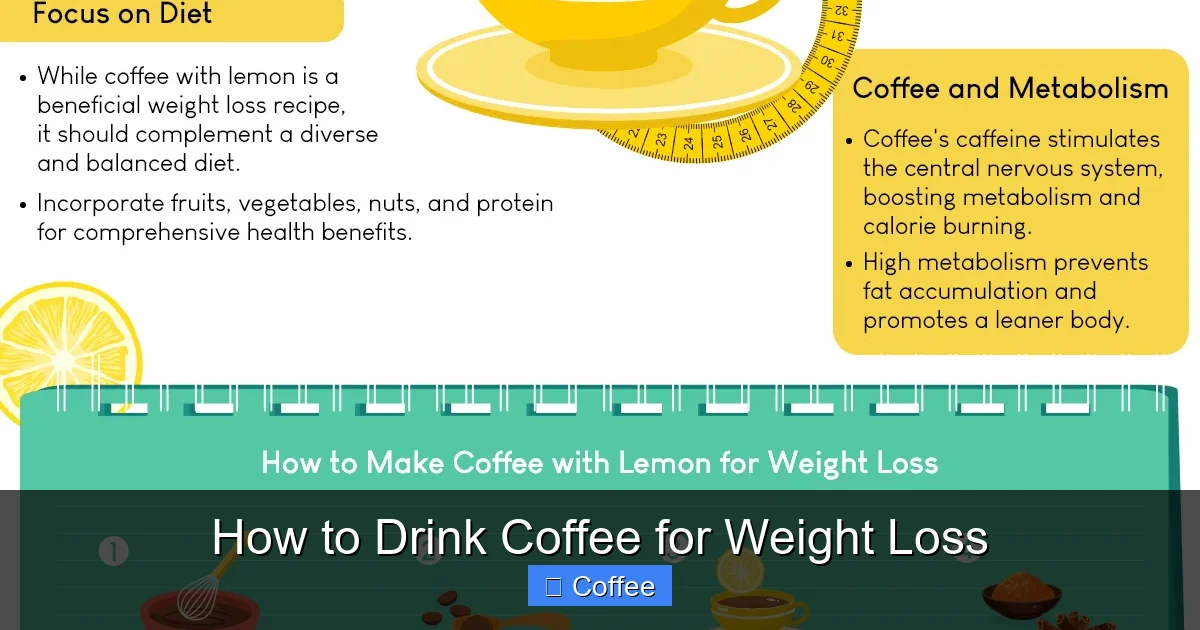
Drinking coffee for weight loss works best when you choose black or minimally sweetened options and time it strategically. Avoid loading it with sugar and cream, which sabotage your efforts. Pair it with protein and stay hydrated for maximum metabolism-boosting benefits.
Key Takeaways
- Timing is crucial: Drink coffee 30-60 minutes before workouts or meals to enhance fat burning and reduce appetite.
- Go black or near-black: Skip sugar, syrups, and heavy creamers; use unsweetened almond milk or a dash of cinnamon instead.
- Don’t overdo it: Stick to 3-4 cups daily max to avoid jitters, sleep issues, or reduced effectiveness.
- Pair with protein: Combine coffee with a protein-rich snack (like Greek yogurt) to stabilize blood sugar and prevent crashes.
- Hydrate alongside it: Drink a full glass of water with your coffee to counter mild dehydration and support metabolism.
- Choose quality beans: Opt for organic, light-to-medium roast beans rich in chlorogenic acid for better metabolic effects.
Quick Answers to Common Questions
Can I add cinnamon to my coffee for weight loss?
Yes! Cinnamon adds sweetness without calories and may help regulate blood sugar. Sprinkle 1/4 tsp in your black coffee daily.
How much coffee is too much for weight loss?
Limit to 3-4 cups (400mg caffeine) daily. More can cause jitters, anxiety, and sleep issues—which hinder weight loss.
Does cold brew help with weight loss more than hot coffee?
Cold brew has slightly less caffeine but similar chlorogenic acid. Both work—just avoid adding sugar or cream.
Can I drink coffee while intermittent fasting?
Yes! Black coffee (or with a splash of unsweetened almond milk) won’t break your fast and may boost fat burning.
Is bulletproof coffee good for weight loss?
No—it’s loaded with butter and MCT oil (150+ calories). It’s more for keto energy than weight loss.
📑 Table of Contents
- Can Your Morning Brew Actually Help You Lose Weight?
- How Coffee Actually Aids Weight Loss (The Science Simplified)
- The Best Coffee Types for Weight Loss (Skip the Sugar Traps!)
- When to Drink Coffee for Maximum Fat Burning
- What NOT to Add to Your Coffee (The Calorie Killers)
- Pairing Coffee with Other Weight Loss Habits
- Conclusion: Your Sustainable Coffee Weight Loss Plan
Can Your Morning Brew Actually Help You Lose Weight?
Let’s be real: we’ve all scrolled past those “coffee diet” ads promising effortless weight loss. It’s tempting to think your daily latte could magically melt fat. But here’s the truth—coffee can support weight loss, but only if you drink it the right way. No, you won’t drop pounds just by sipping a sugary frappuccino. The secret lies in how to drink coffee for weight loss strategically.
Think of coffee as a tool, not a magic potion. When used wisely, it boosts metabolism, curbs cravings, and even enhances workout performance. But drown it in caramel syrup and whipped cream? You’re basically drinking dessert. This guide cuts through the hype. We’ll explore the science, share practical tips, and show you exactly how to turn your coffee habit into a weight loss ally. No gimmicks—just real, actionable steps.
How Coffee Actually Aids Weight Loss (The Science Simplified)
You might wonder: “Why does coffee help with weight loss?” It’s not just caffeine. Coffee contains compounds that directly impact your body’s fat-burning machinery. Let’s break it down without the jargon.
Visual guide about How to Drink Coffee for Weight Loss
Image source: finecoffeecompany.com
The Metabolism Magic: Caffeine’s Fat-Burning Power
Caffeine is coffee’s superstar for weight loss. It stimulates your nervous system, signaling fat cells to break down fat. This releases fatty acids into your bloodstream, which your body then uses as fuel. Studies show caffeine can increase your metabolic rate by 3-11%—meaning you burn more calories even at rest. For example, drinking 3 cups of coffee daily might torch an extra 100-150 calories. Over a month, that’s like skipping a whole pizza!
But here’s the catch: this effect is strongest in people who aren’t regular coffee drinkers. If you’ve been chugging coffee for years, your body adapts. That’s why cycling your intake (e.g., taking weekends off) can keep the metabolic boost fresh.
Appetite Control: Your Secret Weapon Against Cravings
Ever noticed how a strong black coffee kills your 3 p.m. snack attack? Caffeine suppresses ghrelin (the “hungry hormone”) and boosts peptide YY (the “fullness hormone”). Research in the American Journal of Clinical Nutrition found people who drank coffee before meals ate 10% less. Imagine skipping that bag of chips daily—that’s 150+ calories saved!
Timing matters here. Drink coffee 30-60 minutes before a meal for maximum appetite suppression. Try it before lunch: sip a cup, then eat your salad. You’ll likely feel satisfied with smaller portions.
Chlorogenic Acid: The Hidden Gem in Coffee Beans
Light and medium roasts pack chlorogenic acid (CGA)—a compound that slows glucose absorption. This prevents blood sugar spikes that trigger cravings. A study in Journal of Nutrition showed people with higher CGA intake had lower body fat over 24 weeks. Dark roasts lose most CGA during roasting, so choose lighter beans for weight loss benefits.
Pro tip: Brew with a paper filter. It removes cafestol (a compound that raises cholesterol), keeping your heart healthy while you slim down.
The Best Coffee Types for Weight Loss (Skip the Sugar Traps!)
Not all coffee is created equal for weight loss. That vanilla latte? It’s basically liquid candy. Here’s how to choose wisely.
Visual guide about How to Drink Coffee for Weight Loss
Image source: perfectketo.com
Black Coffee: The Zero-Calorie Champion
Plain black coffee has 2-5 calories per cup. Yes, really! It’s the ultimate weight loss-friendly option. But if the bitterness bothers you, don’t dump sugar in it. Try these tweaks:
- Add a dash of cinnamon (burns fat and adds sweetness without calories).
- Stir in unsweetened cocoa powder for a mocha fix.
- Use almond milk or oat milk (unsweetened) instead of cream.
Example: Swap your 300-calorie caramel macchiato for black coffee + 2 tbsp unsweetened almond milk + cinnamon. You save 280 calories daily—that’s 2 pounds lost in a month!
Green Coffee Extract: Hype or Help?
Green coffee bean extract (from unroasted beans) is popular in supplements. It’s rich in chlorogenic acid, but studies are mixed. Some show modest weight loss (2-3 lbs over 12 weeks), but it’s not a game-changer. Save your cash—drink actual light-roast coffee instead. It’s cheaper, tastier, and gives you energy without pills.
Decaf vs. Regular: Which Wins for Weight Loss?
Decaf still contains chlorogenic acid and trace caffeine (2-15mg per cup). It won’t boost metabolism like regular coffee, but it helps with appetite control. Choose decaf if:
- You’re sensitive to caffeine.
- You drink coffee after 2 p.m. (to protect sleep).
- You’re pregnant or managing anxiety.
Just avoid “decaf” drinks loaded with sugar—like decaf frappes. Stick to black decaf for weight loss benefits.
When to Drink Coffee for Maximum Fat Burning
Timing turns coffee from a pleasant habit into a weight loss accelerator. Here’s your schedule:
Visual guide about How to Drink Coffee for Weight Loss
Image source: levista.in
Pre-Workout Power: 30-60 Minutes Before Exercise
Caffeine increases adrenaline, which mobilizes fat stores for energy. A study in Journal of the International Society of Sports Nutrition found cyclists burned 15% more fat when they drank coffee pre-workout. Try this:
- Drink 1 cup of black coffee 45 minutes before hitting the gym.
- Pair with a small protein snack (e.g., a hard-boiled egg).
Result? You’ll feel more energized and torch extra calories during your session.
Meal Timing: Before Breakfast or Lunch
Drinking coffee before meals reduces calorie intake. Research shows it works best before breakfast (when hunger hormones peak) or lunch. Avoid coffee right before dinner—it might disrupt sleep, which harms weight loss.
Sample routine:
- 7 a.m.: Black coffee + 1 scoop protein powder in water.
- 12 p.m.: Black coffee 30 mins before lunch.
This combo stabilizes blood sugar and prevents overeating.
Avoid the Late-Day Trap
Caffeine stays in your system for 6+ hours. Drinking coffee after 2 p.m. can wreck sleep quality. Poor sleep increases cortisol (stress hormone), which triggers belly fat storage. If you crave afternoon coffee, switch to decaf or herbal tea.
What NOT to Add to Your Coffee (The Calorie Killers)
One wrong addition can turn your weight loss coffee into a 500-calorie disaster. Here’s what to ditch:
Sugar and Syrups: The Silent Saboteurs
A single pump of vanilla syrup adds 25 calories. Four pumps? That’s 100 calories—like eating a doughnut. Sugar also spikes insulin, promoting fat storage. If you need sweetness:
- Use stevia or monk fruit (zero-calorie, natural sweeteners).
- Try unsweetened vanilla extract (5 calories per tsp).
Real talk: Train your palate to enjoy coffee’s natural flavors. Start with 1 tsp sweetener, then gradually reduce it over 2 weeks.
Creamers: Beyond the Basics
Heavy cream packs 50 calories per tbsp. Half-and-half? 20 calories. Even “light” creamers often hide sugar. Better options:
- Unsweetened almond milk (15 calories per 1/4 cup).
- Coconut milk (canned, light) (20 calories per 2 tbsp).
- Collagen peptides (adds protein without altering taste).
Avoid “sugar-free” creamers with artificial sweeteners—they can increase cravings.
The Whipped Cream Warning
That fluffy topping on your mocha? It’s pure sugar and fat—100+ calories per serving. Skip it entirely. If you want texture, blend coffee with ice for a “frappe” effect.
Pairing Coffee with Other Weight Loss Habits
Coffee alone won’t melt fat. Combine it with these science-backed strategies for explosive results.
Protein Power: The Coffee Combo
Protein keeps you full and preserves muscle mass during weight loss. Pair coffee with:
- A hard-boiled egg (70 calories, 6g protein).
- Greek yogurt (100 calories, 17g protein).
- Protein shake (made with water or unsweetened milk).
Example: Drink coffee while eating 1/2 cup Greek yogurt + berries. This combo stabilizes blood sugar for 3+ hours—no 10 a.m. crash!
Hydration: Coffee’s Best Friend
Coffee is a mild diuretic, but it doesn’t dehydrate you if you drink water too. Dehydration slows metabolism by 3%. Fix this:
- Drink 1 glass of water before your coffee.
- Follow each cup with another glass of water.
Try infusing water with lemon or cucumber for flavor. You’ll stay hydrated and feel fuller.
Sleep and Stress Management
Poor sleep and high stress sabotage weight loss. Coffee can help or hurt here:
- Stop caffeine by 2 p.m. to protect sleep quality.
- Practice 5 minutes of deep breathing with your morning coffee to lower cortisol.
Remember: No amount of coffee fixes chronic sleep deprivation. Prioritize 7-8 hours nightly.
Conclusion: Your Sustainable Coffee Weight Loss Plan
Drinking coffee for weight loss isn’t about quick fixes—it’s about smart habits. Choose black or minimally sweetened coffee, time it before meals or workouts, and avoid sugar traps. Pair it with protein and water to amplify results. Most importantly, listen to your body. If coffee makes you anxious or disrupts sleep, scale back.
This isn’t a diet; it’s a lifestyle tweak. Stick with it for 4-6 weeks, and you’ll notice fewer cravings, more energy, and steady progress on the scale. Coffee is your ally—not a magic solution—but when used right, it’s one of the simplest, most enjoyable tools in your weight loss toolkit. Now go brew a cup the right way!
Frequently Asked Questions
Does coffee dehydrate you and hurt weight loss?
Moderate coffee intake (3-4 cups) doesn’t dehydrate you. Pair each cup with water to stay hydrated and support metabolism.
Can I lose weight by drinking coffee instead of meals?
No—replacing meals with coffee causes muscle loss and slows metabolism. Always pair coffee with protein and veggies.
Why isn’t coffee working for my weight loss?
You might be adding sugar/cream, drinking too late (disrupting sleep), or expecting coffee alone to override poor diet habits.
Is decaf coffee effective for weight loss?
Decaf still helps with appetite control due to chlorogenic acid, but lacks caffeine’s metabolism boost. Best for afternoon sipping.
How soon before a workout should I drink coffee?
30-60 minutes pre-workout. This gives caffeine time to peak in your bloodstream for maximum fat-burning effects.
Can coffee reduce belly fat specifically?
Coffee aids overall fat loss, including belly fat, by boosting metabolism and reducing appetite. Spot reduction isn’t possible, but it helps!