
Yes, you can freeze coffee! But not all methods work equally well. This guide reveals the best ways to freeze coffee beans, grounds, and brewed coffee while preserving flavor. Learn expert tips to avoid freezer burn and maintain quality.
Key Takeaways
- Freezing works best for whole beans: They retain flavor longest when frozen properly in airtight containers, lasting up to 3 months.
- Ground coffee freezes poorly: Its increased surface area absorbs odors and moisture faster, leading to stale or off-flavors within weeks.
- Brewed coffee freezes well as ice cubes: Perfect for iced drinks, but avoid refreezing thawed liquid coffee to prevent texture loss.
- Prevent freezer burn with airtight packaging: Use vacuum-sealed bags or rigid containers; remove as much air as possible before freezing.
- Thaw coffee in the fridge, not on the counter: Slow thawing preserves texture and minimizes condensation that causes staleness.
- Never refreeze coffee: Repeated temperature changes degrade flavor and texture rapidly.
- Freezing isn’t always necessary: Store beans in a cool, dark place for 2-4 weeks; only freeze for long-term storage.
Quick Answers to Common Questions
Can I freeze coffee in its original bag?
No, never freeze coffee in its original bag. The bag isn’t airtight enough for long-term freezer storage, and opening it repeatedly introduces warm air, causing freezer burn. Always repackage into proper airtight containers or vacuum-sealed bags.
How long does frozen coffee last?
Properly frozen whole beans last 2-3 months at peak quality. Ground coffee should be used within 2-4 weeks if frozen. Brewed coffee ice cubes are best within 1-2 months. Always label with dates!
Does frozen coffee taste different?
When frozen correctly (whole beans, airtight, thawed properly), the taste difference is minimal – often indistinguishable from fresh beans stored well for the same period. Incorrect freezing (exposure to air/odors, bad thawing) causes noticeable staleness or off-flavors.
Can I put coffee in the freezer instead of the fridge?
Yes, the freezer is far superior to the fridge for long-term coffee storage. The fridge introduces moisture and odors, accelerating staling. The freezer’s stable, cold environment preserves coffee much better, but requires proper airtight packaging.
Should I grind coffee before freezing?
No! Always freeze whole beans. Grinding creates surface area that speeds up staling and makes coffee prone to absorbing freezer odors. Grind only after thawing the beans you need for immediate brewing.
📑 Table of Contents
- Can You Freeze Coffee? The Surprising Truth Every Coffee Lover Needs to Know
- Why Freeze Coffee? Understanding the Benefits and When It Makes Sense
- What Freezes Best? Beans, Grounds, or Brewed Coffee?
- How to Freeze Coffee Beans Like a Pro: Step-by-Step Guide
- Thawing Frozen Coffee: The Right Way to Preserve Flavor
- Common Freezing Mistakes That Ruin Your Coffee (And How to Avoid Them)
- Alternatives to Freezing: When Simpler Storage Works Better
- Conclusion: Freeze Smart, Savor Longer
Can You Freeze Coffee? The Surprising Truth Every Coffee Lover Needs to Know
Picture this: You scored an amazing deal on a big bag of specialty coffee beans. Or maybe you brewed a giant pot of cold brew concentrate and don’t want it to go to waste. Your first instinct? Toss it in the freezer. But then doubt creeps in: Will freezing ruin the flavor? Does it even work? You’re not alone. Coffee lovers everywhere wonder if freezing is a magic preservation trick or a one-way ticket to stale, flavorless brew.
The short answer? Yes, you absolutely can freeze coffee – but it’s not as simple as shoving your bag of beans into the freezer and forgetting about it. Done wrong, freezing can turn your precious coffee into a bland, cardboard-tasting disappointment. Done right, it’s a game-changer for preserving peak freshness, especially if you buy in bulk, travel often, or simply want to extend the life of your favorite roast. This guide cuts through the confusion. We’ll explore exactly what freezes well, how to do it properly, and why some methods are better than others. Get ready to unlock the secret to coffee that tastes just as vibrant weeks or even months later.
Why Freeze Coffee? Understanding the Benefits and When It Makes Sense
Freezing coffee isn’t just about convenience; it’s a science-backed method to slow down the natural degradation processes that rob coffee of its magic. Coffee beans and grounds are constantly reacting with oxygen, moisture, light, and heat – the “Four Horsemen of Staleness.” Freezing dramatically slows these reactions, acting like a pause button on freshness.

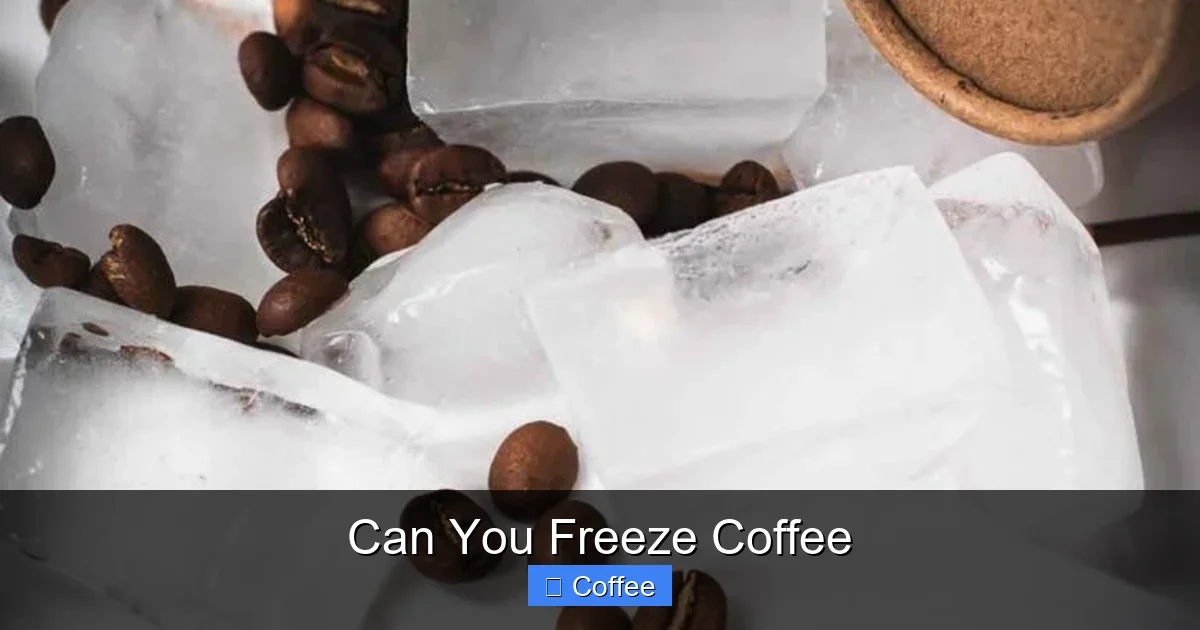
Visual guide about Can You Freeze Coffee
Image source: freezeit.net
The Science of Coffee Degradation (And How Freezing Helps)
Freshly roasted coffee beans release carbon dioxide (CO2) for days or even weeks – this is called degassing. While some degassing is good for brewing, excessive exposure to air leads to oxidation. Oxidation breaks down the complex oils and aromatic compounds that give coffee its unique flavor profile, resulting in a flat, lifeless taste. Moisture is another enemy; it can cause mold or simply make grounds clump and lose potency. Light and heat accelerate both oxidation and moisture absorption.
Freezing tackles these issues head-on. At sub-zero temperatures (0°F / -18°C or lower), molecular activity slows to a near standstill. Oxidation rates plummet, moisture migration halts, and the volatile aromatic compounds that define your coffee’s character get locked in. Think of it as putting your coffee into a state of suspended animation. This is why freezing is particularly valuable for:
- Specialty or Single-Origin Beans: Preserving nuanced flavors you paid a premium for.
- Bulk Purchases: Taking advantage of sales without worrying about beans going stale before you use them.
- Travel or Extended Absences: Keeping your coffee fresh while you’re away from home.
- Brewed Coffee Surplus: Saving leftover cold brew or strong brew for iced drinks later.
When Freezing Coffee is Actually Necessary (and When It’s Overkill)
Freezing isn’t always the best first line of defense. For most home brewers, proper pantry storage is sufficient for 2-4 weeks. Keep beans in an opaque, airtight container away from heat, light, and moisture (like a cool cupboard). Only consider freezing if:
- You have more coffee than you can realistically use within 3-4 weeks.
- You’ve purchased a large quantity of a favorite seasonal roast.
- You’re storing coffee for more than a month.
- You live in a very hot or humid climate where pantry storage accelerates staling.
Freezing ground coffee or brewed coffee daily is usually unnecessary and can introduce more problems (like freezer odors) than it solves. Reserve freezing for true long-term preservation needs.
What Freezes Best? Beans, Grounds, or Brewed Coffee?
Not all coffee forms are created equal when it comes to freezing. Understanding the differences is crucial for success.
Visual guide about Can You Freeze Coffee
Image source: coffeewithnora.com
Whole Coffee Beans: The Freezing Champion
Whole beans are the absolute best candidates for freezing. Their intact structure minimizes surface area exposed to air and moisture, making them far more resilient in the freezer than ground coffee. The protective bean hull acts as a natural barrier. When frozen correctly, whole beans can maintain exceptional flavor for 2-3 months, sometimes even longer for very dense, high-quality beans. This is the method specialty roasters often use for their own long-term storage.
Real-World Example: Imagine you buy a 12-ounce bag of Ethiopian Yirgacheffe. You use 2 ounces per week. Instead of letting the remaining 10 ounces slowly stale in your pantry over 5 weeks, portion out the unused beans into freezer bags right after opening the main bag. When you’re ready for your next batch, grab a portion and grind it fresh. The difference in brightness and floral notes will be noticeable compared to beans stored at room temperature for that long.
Ground Coffee: Proceed with Caution
Ground coffee is significantly trickier to freeze successfully. Grinding creates massive surface area, exponentially increasing exposure to oxygen and moisture. Even in the freezer, this makes grounds highly susceptible to:
- Rapid Oxidation: Flavor degrades much faster than whole beans.
- Odor Absorption: Coffee grounds are like flavor sponges. They’ll readily pick up smells from fish, garlic, or frozen veggies in your freezer, ruining their taste.
- Moisture Issues: Condensation forming when moving grounds between temperatures can cause clumping and staleness.
If you must freeze ground coffee (e.g., pre-ground beans you can’t use quickly), treat it as a short-term solution only – aim to use it within 2-4 weeks. The flavor loss will be more pronounced than with whole beans. Never freeze pre-ground coffee from the store unless absolutely necessary; it’s already lost significant freshness.
Brewed Coffee: Freezing for Iced Drinks (Not Hot Brewing)
Brewed coffee freezes exceptionally well, but almost exclusively as ice cubes for iced coffee or cold brew concentrate. Freezing liquid coffee prevents it from spoiling (which happens relatively quickly in the fridge) and locks in the flavor profile. However, there are important caveats:
- Texture Changes: Thawed liquid coffee can sometimes taste slightly “flat” or have a different mouthfeel compared to freshly brewed, especially if it’s not very strong. This is why it’s best used for iced drinks where dilution is expected.
- Never Refreeze: Once thawed, brewed coffee should be used immediately. Refreezing causes significant texture breakdown and flavor loss.
- Strength Matters: Brew your coffee stronger than usual (double strength) before freezing. Dilution from melting ice will bring it back to normal strength.
Practical Tip: Brew a large batch of cold brew concentrate. Pour it into an ice cube tray, freeze solid, then transfer the cubes to a labeled freezer bag. When you want iced coffee, just pop 2-3 cubes into a glass, add milk or water, and enjoy. It’s incredibly convenient and preserves that smooth cold brew flavor perfectly for 1-2 months.
How to Freeze Coffee Beans Like a Pro: Step-by-Step Guide
Freezing whole beans correctly is the key to preserving their vibrant flavor. Cutting corners here leads to freezer burn or odor contamination. Follow these steps for best results.

Visual guide about Can You Freeze Coffee
Image source: coffeewithnora.com
Step 1: Portion Wisely (The Golden Rule)
Never freeze a whole bag of coffee beans. Every time you open the bag to grab beans, you let warm, moist air into the freezer, causing ice crystals (freezer burn) and accelerating staling for the entire batch. Instead:
- Determine your typical usage (e.g., 1-2 ounces per brew).
- Divide the entire bag into single-use or weekly portions using a kitchen scale for accuracy.
- Portioning minimizes air exposure and ensures you only thaw what you need.
Pro Tip: If you brew 16oz of coffee daily using 1oz of beans, portion out 7oz bags for a week’s supply. Label each bag with the roast date and bean type.
Step 2: Choose the Right Airtight Container
The container is your first line of defense against freezer burn and odors. Avoid flimsy plastic bags alone. Opt for:
- Vacuum-Sealed Bags: The absolute best option. Removes nearly all air, providing maximum protection. Ideal for long-term storage (3+ months).
- Rigid Airtight Containers: High-quality plastic or glass containers with silicone gaskets (like Lock & Lock or OXO). Ensure they are truly airtight – test by closing and trying to pull the lid off; it should resist.
- Heavy-Duty Freezer Bags (Double Protection): If using bags, choose thick, BPA-free freezer bags. Squeeze out as much air as humanly possible before sealing. For extra security, place the sealed bag inside a larger rigid container.
Avoid: Thin plastic bags, paper bags, or containers that don’t seal tightly. Coffee will absorb odors and lose flavor rapidly.
Step 3: Seal Tightly and Label Clearly
Once portioned:
- Place beans into your chosen container/bag.
- Remove every last bit of air. For bags, use the “water displacement” method: Submerge the sealed bag (except the seal) in water, forcing air out before final sealing.
- Seal the container/bag completely.
- Label immediately: Include the bean type, roast date, and freezing date. This is crucial for tracking freshness. Use a permanent marker on the container or a freezer-safe label.
Step 4: Freeze Immediately and Store Smart
Place the sealed, labeled portions directly into the coldest part of your freezer – usually the back, away from the door (where temperature fluctuates most). Avoid stacking heavy items on top that could crush bags. Maintain your freezer at 0°F (-18°C) or lower for optimal preservation.
Critical Reminder: Only freeze coffee that is already fresh. Freezing won’t revive stale beans; it just pauses their current state. Start with beans that are within 1-2 weeks of their roast date for best results.
Thawing Frozen Coffee: The Right Way to Preserve Flavor
How you thaw frozen coffee is just as important as how you freeze it. Rushing this step can introduce moisture and cause staling. Patience is key.
Thawing Whole Beans: Slow and Steady Wins
Always thaw coffee beans in the refrigerator. This slow, cold thaw minimizes condensation forming on the beans as they warm up. Condensation introduces moisture, which is a major staling agent.
- Take your frozen portion out of the freezer.
- Place it, still sealed in its airtight container or bag, directly into the refrigerator.
- Allow it to thaw slowly for 12-24 hours.
- Once fully thawed, grind and brew immediately. Do not let thawed beans sit at room temperature for extended periods.
Why not counter thawing? Leaving beans on the counter creates a large temperature difference. Warm, humid air condenses on the cold beans, wetting them. This moisture speeds up oxidation and can cause clumping. Refrigerator thawing avoids this.
Using Frozen Brewed Coffee (Ice Cubes)
Thawing brewed coffee ice cubes is simple:
- Remove the desired number of cubes from the freezer bag.
- Place them directly into your glass or mug.
- Add cold water, milk, or your preferred dairy alternative.
- Stir gently as the cubes melt. No separate thawing step is needed – they melt directly into your drink.
Never microwave frozen coffee cubes to speed up melting. This can create uneven heating and alter the flavor. Let them melt naturally in your drink.
What NOT to Do When Thawing
- Do NOT thaw at room temperature: Causes condensation and staling.
- Do NOT refreeze thawed coffee: Repeated freezing/thawing cycles destroy texture and flavor.
- Do NOT grind frozen beans: Ice crystals make grinding inconsistent and can damage your grinder. Always thaw completely first.
- Do NOT leave thawed beans exposed: Once thawed, use them within 1-2 days for peak freshness.
Common Freezing Mistakes That Ruin Your Coffee (And How to Avoid Them)
Even with good intentions, small errors can turn your frozen coffee into a flavorless dud. Here’s what to watch out for.
Mistake 1: Freezing the Whole Original Bag
This is the #1 killer of frozen coffee quality. Every time you open the bag, warm air rushes in, causing ice crystals (freezer burn) on the beans and accelerating staling for the entire batch. Solution: Portion before freezing, as detailed earlier. Only thaw what you need.
Mistake 2: Using Inadequate Packaging
Thin plastic bags, containers with poor seals, or leaving bags loosely closed allow air and odors in. Result? Beans taste like frozen peas or develop a stale, papery flavor. Solution: Invest in true airtight containers or vacuum sealers. Double-bagging (bag inside a container) adds security.
Mistake 3: Ignoring Labeling
You freeze three different beans. Two months later, you have unlabeled mystery bags. Was it the Colombian or the Sumatra? How old is it? Solution: Label EVERY portion immediately with bean type, roast date, and freeze date. Use a permanent marker.
Mistake 4: Thawing Incorrectly
Thawing on the counter introduces moisture. Grinding frozen beans damages your grinder and yields inconsistent grounds. Solution: Thaw sealed portions in the fridge for 12-24 hours. Grind only when fully thawed.
Mistake 5: Freezing Ground Coffee Long-Term
Hoping your pre-ground coffee will stay fresh for months in the freezer? It won’t. The increased surface area makes it degrade much faster. Solution: Only freeze ground coffee if you’ll use it within 2-4 weeks. Better yet, grind fresh from frozen whole beans.
Mistake 6: Freezing Coffee That’s Already Stale
Freezing doesn’t magically restore freshness. If beans are already 2 months old and stale, freezing them just preserves that stale flavor. Solution: Only freeze coffee that is currently fresh (within 1-2 weeks of roast).
Alternatives to Freezing: When Simpler Storage Works Better
Freezing is powerful, but it’s not always the simplest or best solution. Consider these alternatives first.
The Perfect Pantry Setup for Short-Term Storage
For coffee you’ll use within 2-4 weeks, proper pantry storage is ideal and avoids freezer logistics:
- Container: Opaque, airtight container (ceramic, stainless steel, or thick plastic with a rubber gasket). Avoid clear glass – light degrades coffee.
- Location: Cool, dark cupboard away from the stove, oven, or dishwasher (heat sources). Not in the fridge – moisture and odors are problems.
- Quantity: Store only what you’ll use in the next few weeks. Buy smaller bags more frequently if possible.
This method preserves freshness effectively without the need for thawing. It’s the go-to for most daily coffee drinkers.
Vacuum Canisters: The Middle Ground
For those who buy larger bags but use coffee steadily, a vacuum-sealed canister (like Fellow Atmos or CoffeeVac) is excellent. It removes air from the container with a pump, significantly slowing oxidation at room temperature. Great for 4-6 week storage without freezing.
When to Choose Freezing Over Alternatives
Freezing shines when:
- You have a large quantity of high-quality beans you can’t use quickly.
- You want to preserve a specific seasonal roast for months.
- You live in an extremely hot/humid environment where pantry storage fails.
- You have brewed coffee (like cold brew) you want to save for iced drinks beyond 1-2 weeks.
If you’re using coffee within a month and have good pantry storage, freezing adds unnecessary complexity.
Conclusion: Freeze Smart, Savor Longer
So, can you freeze coffee? The resounding answer is yes – but with crucial caveats. Freezing is a powerful tool in your coffee preservation arsenal, not a universal fix. Whole beans, when portioned meticulously and stored in truly airtight conditions, can emerge from the freezer tasting remarkably close to their freshly roasted glory weeks or even months later. Brewed coffee transforms beautifully into convenient ice cubes for perfect iced drinks. Ground coffee, however, is a much tougher sell for freezing and should be approached with caution and only for short periods.
The magic lies in the details: portioning before freezing, banishing air with vacuum seals or rigid containers, thawing slowly in the fridge, and respecting the limits of each coffee form. Avoid the common pitfalls – the unlabeled bag, the counter-thawed beans, the pre-ground coffee shoved in a flimsy bag – and you’ll unlock a world of extended freshness. Remember, freezing isn’t about resurrecting stale coffee; it’s about pausing the clock on coffee that’s still vibrant. Use it strategically for those special beans or bulk buys, pair it with smart pantry storage for your daily grind, and you’ll savor that first, perfect cup for far longer. Your future self, reaching for a bag of frozen Ethiopian beans months after the roast date, will thank you with every aromatic, flavorful sip. Now go enjoy your coffee – frozen or fresh!
Frequently Asked Questions
Can you freeze coffee beans successfully?
Yes, freezing whole coffee beans is highly successful when done correctly. Portion beans into airtight containers or vacuum-sealed bags, removing all air, and freeze immediately. Thaw portions slowly in the refrigerator before grinding. This method preserves flavor for 2-3 months.
Does freezing coffee ruin the flavor?
Freezing itself doesn’t ruin flavor if done properly. However, common mistakes like using inadequate packaging (leading to freezer burn or odor absorption), thawing incorrectly (causing condensation), or freezing already stale coffee will negatively impact taste. Correct technique is essential.
How do you thaw frozen coffee beans?
Thaw frozen coffee beans slowly in the refrigerator. Place the sealed portion in the fridge for 12-24 hours. This prevents condensation from forming on the beans as they warm, which can cause staling. Never thaw at room temperature or grind while frozen.
Can you freeze brewed coffee for later use?
Yes, brewed coffee freezes very well, especially as ice cubes for iced coffee. Brew coffee stronger than usual, pour into an ice cube tray, freeze, then store cubes in a labeled freezer bag. Use within 1-2 months. Avoid refreezing thawed liquid coffee.
Is it better to freeze coffee beans or keep them in the pantry?
For coffee used within 2-4 weeks, a cool, dark pantry with an airtight container is best and simpler. Freezing is superior for long-term storage (beyond 4 weeks) or for preserving high-value beans. Freezing adds steps (thawing), so only use it when necessary for extended freshness.
Can you freeze ground coffee?
You can freeze ground coffee, but it’s less ideal than whole beans. The increased surface area makes it more susceptible to staling and odor absorption. If you must freeze it, use airtight packaging and consume within 2-4 weeks. For best results, freeze whole beans and grind fresh after thawing.