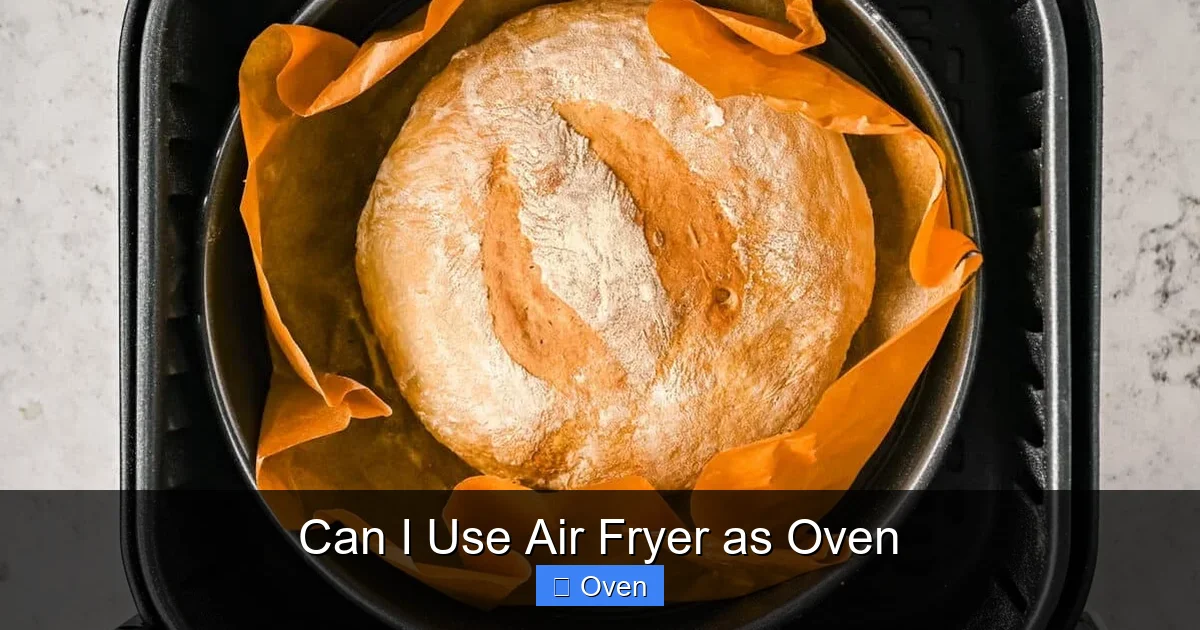
Yes, you can use an air fryer as an oven for many tasks—but not all. It excels at crisping, reheating, and small-batch baking while saving energy. However, large roasts or delicate pastries often still need a traditional oven. Understand the differences to maximize both appliances.
Key Takeaways
- Air fryers mimic oven functions for crispy results but use rapid hot air circulation instead of radiant heat.
- Energy efficiency shines—air fryers preheat faster and use 20-30% less energy than full-sized ovens.
- Size limitations matter: Ideal for 1-4 servings; avoid large roasts or multi-rack baking.
- Texture differences occur: Expect crispier exteriors but potentially drier interiors without adjustments.
- Always adjust cooking times: Reduce oven recipes by 25% time and 25°F (15°C) temperature.
- Not for all recipes: Avoid soufflés, yeast breads, or dishes needing precise humidity control.
- Safety first: Never overcrowd the basket—leave space for air circulation to prevent uneven cooking.
Quick Answers to Common Questions
Can I bake a cake in an air fryer?
Yes! Use a small oven-safe pan or silicone mold. Reduce oven baking time by 25% and temperature by 25°F. Add 1–2 tbsp extra liquid to prevent dryness.
Why is my air-fried food soggy?
Overcrowding the basket blocks airflow. Cook in batches and pat food dry before seasoning. Always preheat the air fryer for 2–3 minutes.
Can I cook a whole chicken in an air fryer?
Only if it fits upright (usually under 4 lbs). Otherwise, spatchcock it first. Cook at 375°F for 45–60 minutes, or until internal temp reaches 165°F.
Do air fryers use less electricity than ovens?
Yes! Air fryers consume 20–30% less energy for small meals due to faster preheating and smaller cooking space.
Can I put aluminum foil in an air fryer?
Yes, but ensure it doesn’t block airflow. Crimp edges to fit the basket, and avoid covering the entire bottom. Never use foil with acidic foods like tomatoes.
📑 Table of Contents
- What is an Air Fryer and How Does It Work?
- Comparing Air Fryers and Conventional Ovens: Key Differences
- Can You Actually Use an Air Fryer as an Oven? (The Core Question)
- Best Foods to Cook in an Air Fryer as an Oven Replacement
- Limitations: When You Should Stick to Your Oven
- Tips for Using Your Air Fryer Like an Oven (Maximizing Results)
- Conclusion: Your Air Fryer as a Smart Oven Sidekick
What is an Air Fryer and How Does It Work?
Let’s start with the basics. An air fryer is a compact countertop appliance that cooks food using rapid hot air circulation. Think of it as a mini convection oven with a turbocharged fan. It pulls in air, heats it to high temperatures (usually 180–400°F), and blasts it around your food at high speed. This creates that signature crispy texture we love—without needing to drown everything in oil.
Unlike traditional ovens that rely on radiant heat from heating elements, air fryers use a heating coil plus a powerful fan to circulate air. The result? Food cooks faster and gets that fried-food crunch with up to 80% less oil. Most models have a pull-out basket or tray where you place your food, and many include accessories like racks or skewers for versatility. Popular brands like Ninja, Instant Pot, and Cosori dominate the market, but the core technology remains consistent across devices.
Key Components That Enable Oven-Like Cooking
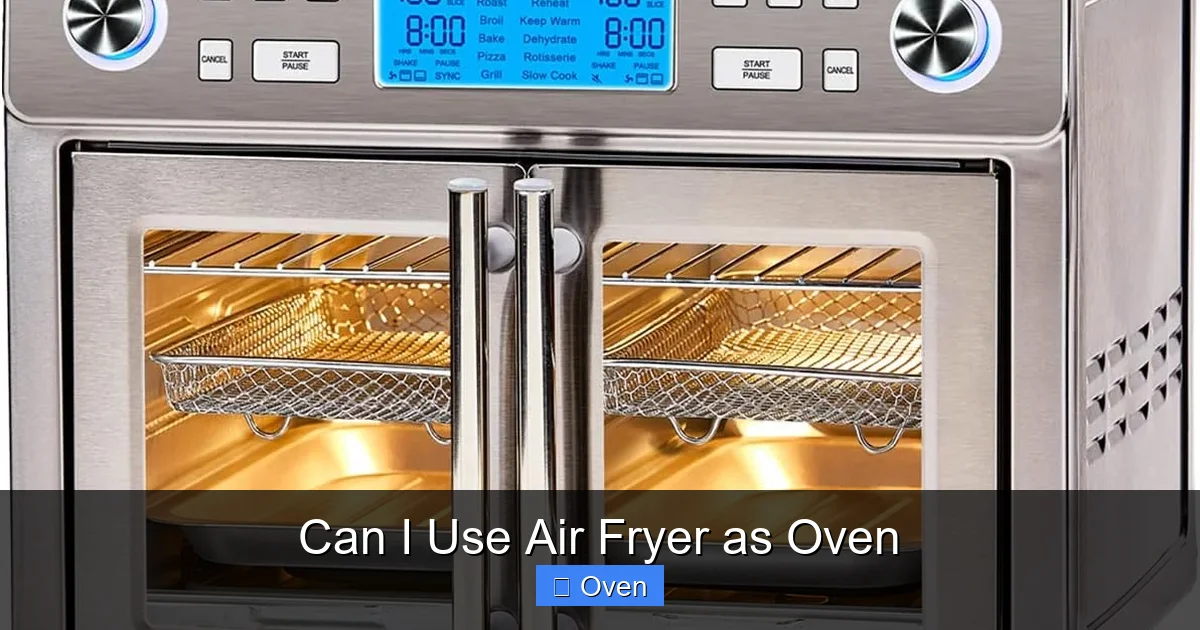
Three parts make air fryers surprisingly oven-like: the heating element, the high-speed fan, and the perforated basket. The heating coil (usually at the top) warms the air rapidly, while the fan ensures even circulation. The basket’s holes let hot air flow around food from all angles—mimicking convection ovens but on a smaller scale. Some premium models even have dual-zone cooking or rotisserie functions, expanding their oven-like capabilities.
For example, when you bake chicken wings in an air fryer, the fan circulates hot air to crisp the skin while cooking the meat through. Compare this to a static oven where heat radiates from the bottom—air fryers eliminate “cold spots” that cause uneven cooking. This design is why they’re perfect for reheating pizza (no soggy crust!) or roasting veggies to caramelized perfection.
Comparing Air Fryers and Conventional Ovens: Key Differences
Before we dive into using an air fryer as an oven, let’s clarify how they differ. Both appliances use heat to cook, but their methods lead to distinct results. A conventional oven heats air slowly, which then transfers warmth to your food via radiation and convection. Air fryers skip the “slow warm-up” phase—they blast food with concentrated hot air immediately. This speed is great for quick meals but changes how certain dishes behave.
Visual guide about Can I Use Air Fryer as Oven
Image source: m.media-amazon.com
Consider texture: Air fryers excel at creating crispy exteriors because the intense airflow evaporates surface moisture fast. Ovens, especially conventional ones, build crispness more gradually. That’s why air-fried french fries often turn out crunchier than oven-baked ones. But for delicate items like custards or flaky pastry, ovens provide gentler, more predictable heat.
Energy Use and Efficiency
Here’s where air fryers shine as oven alternatives. A full-sized oven can take 10–15 minutes to preheat and uses 2–5 kWh per hour. Air fryers preheat in 2–3 minutes and consume 0.8–1.5 kWh—making them 20–30% more energy-efficient for small batches. If you’re cooking for one or two people, firing up the oven for a single casserole is overkill. An air fryer heats only the basket space, not your entire kitchen.
Real-world example: Baking a tray of cookies in a 350°F oven might take 12 minutes and cost $0.30 in electricity. The same batch in an air fryer? 9 minutes at $0.12. Over a year, that adds up to significant savings—especially if you cook small portions often.
Size and Capacity Limitations
Air fryers typically hold 3–6 quarts—enough for 1–4 servings. Ovens, meanwhile, offer cubic feet of space. This makes air fryers ideal for reheating leftovers or roasting a chicken breast but impractical for holiday turkeys or multi-layer cakes. If your recipe calls for a 9×13-inch pan, you’ll likely need the oven.
Pro tip: Use the air fryer for components of a meal. Roast veggies and chicken in the air fryer while baking a casserole in the oven. This “divide and conquer” approach saves time without compromising results.
Can You Actually Use an Air Fryer as an Oven? (The Core Question)
The short answer: Yes, for many tasks—but not universally. Air fryers can replace ovens for crisping, reheating, roasting, and small-batch baking. However, they struggle with recipes requiring precise humidity control, large volumes, or gentle heat. Think of them as a specialized tool: perfect for certain jobs, but not a full oven clone.
Visual guide about Can I Use Air Fryer as Oven
Image source: assets.onegoodthingbyjillee.com
Why the confusion? Marketing often oversimplifies air fryers as “healthier fryers,” but their convection technology actually makes them versatile mini-ovens. In fact, many recipes labeled “air fryer” are just oven recipes with adjusted timings. The key is understanding when to swap appliances.
When It Works Like Magic
Air fryers outperform ovens for:
- Reheating fried foods: Revive soggy french fries or chicken tenders to crispy perfection in 3–5 minutes.
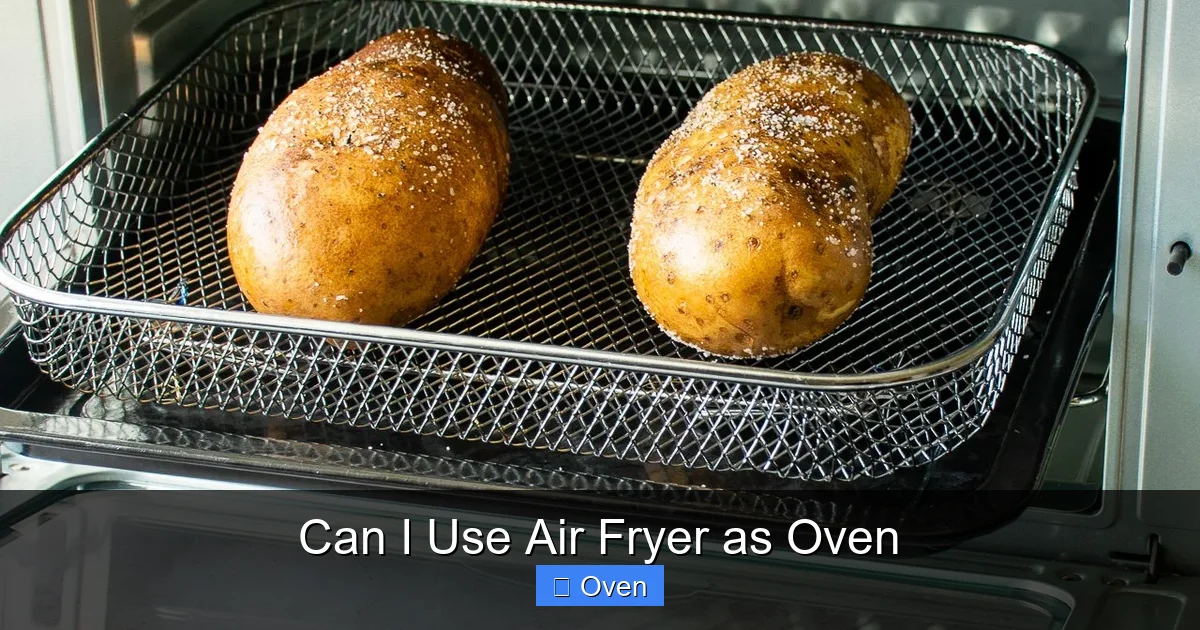
- Roasting vegetables: Broccoli, Brussels sprouts, or potatoes caramelize beautifully with minimal oil.
- Small-batch baking: Muffins, cookies, or personal pizzas cook evenly without drying out.
- Toasting and crisping: Bagels, sandwiches, or leftover pizza regain crunch instantly.
For instance, reheating pizza in an air fryer at 350°F for 3 minutes restores the crust’s crunch better than a microwave or oven. The focused airflow targets moisture without overcooking toppings.
When to Stick With Your Oven
Avoid using an air fryer as an oven for:
- Large roasts: Whole chickens or turkeys won’t fit and may cook unevenly.
- Yeast breads: The intense airflow can deflate dough before it sets.
- Soufflés or custards: These need stable, humid heat—air fryers dry them out.
- Multi-rack baking: Most air fryers only fit one tray at a time.
Picture this: You’re making a soufflé. In an oven, gentle radiant heat allows it to rise steadily. In an air fryer, the blast of air collapses the delicate structure. Not ideal!
Best Foods to Cook in an Air Fryer as an Oven Replacement
Now for the fun part—what actually works? Air fryers shine with foods that benefit from rapid, dry heat. Here’s your go-to guide for oven-to-air-fryer swaps:
Visual guide about Can I Use Air Fryer as Oven
Image source: bluejeanchef.com
Crispy Classics: Wings, Fries, and More
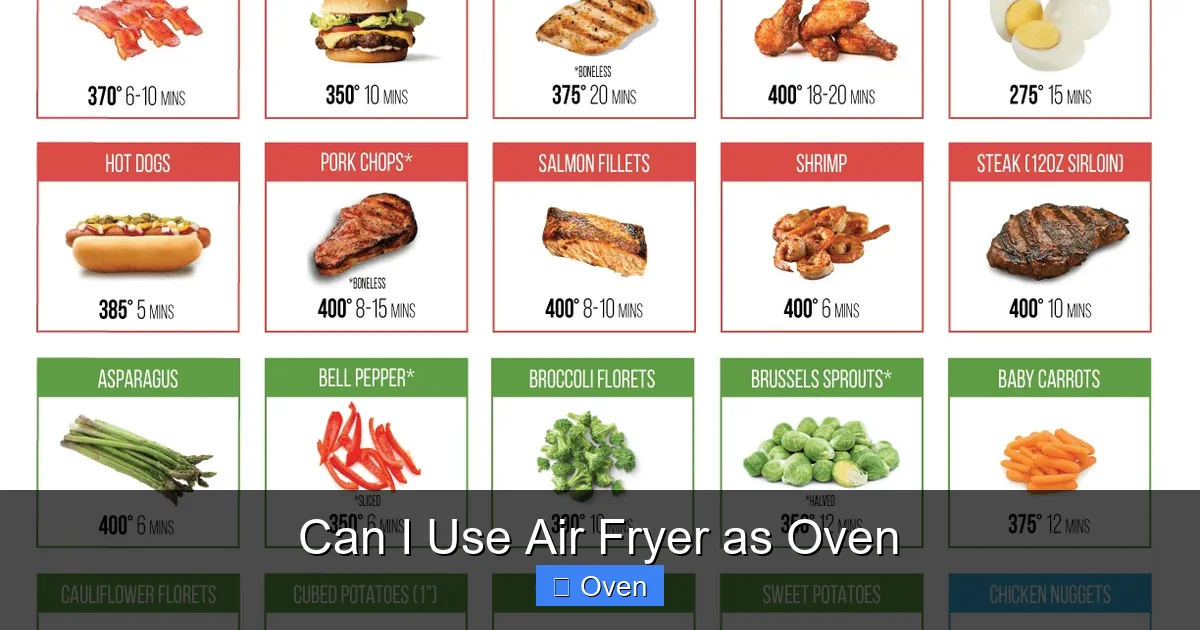
Crispy foods are air fryer superstars. Toss chicken wings with 1 tsp oil and seasonings, then cook at 380°F for 25–30 minutes (flip halfway). They’ll emerge golden and crunchy—no deep fryer needed. Similarly, frozen french fries cook in 12–15 minutes at 400°F, beating oven results for speed and texture.
Pro tip: Pat proteins dry before cooking. Moisture = steam = soggy results. For extra crispness, spray baskets lightly with oil (but skip heavy coatings).
Roasted Vegetables and Proteins
Roasting is where air fryers truly mimic ovens. Toss veggies like asparagus or zucchini with olive oil, salt, and pepper. Cook at 390°F for 8–12 minutes until charred at the edges. For proteins, salmon fillets or tofu cook in 10–14 minutes—faster than an oven’s 15–20 minutes.
Example: Roasted Brussels sprouts. Trim and halve 1 lb sprouts, toss with 1 tbsp oil, and air fry at 375°F for 15 minutes. Shake the basket at 8 minutes for even browning. Result: Crispy outsides, tender insides—no oven required.
Small-Batch Baking Successes
Yes, you can bake in an air fryer! Use oven-safe ramekins or pans that fit your basket. For chocolate lava cakes, pour batter into greased ramekins and cook at 350°F for 10–12 minutes. Cookies? Place dough balls on a lined tray and bake at 325°F for 8–10 minutes. They’ll spread less than in an oven but stay chewy.
Key adjustment: Reduce oven baking times by 25% and temperatures by 25°F (15°C). Always check early—air fryers cook faster!
Limitations: When You Should Stick to Your Oven
Air fryers aren’t magic boxes. Their limitations stem from size, airflow, and heat distribution. Ignoring these can lead to disappointing meals.
Size and Volume Constraints
Most air fryers max out at 6 quarts—enough for 4 chicken breasts but not a 12-inch pizza. If your recipe serves 6+, the oven wins. Also, overcrowding the basket blocks airflow, causing steaming instead of crisping. Always leave ½-inch space between items.
Real talk: Trying to cook a whole chicken? It won’t fit upright, and legs may cook faster than the breast. Use the oven for large roasts, then finish skin in the air fryer for crispness.
Texture and Moisture Challenges
Air fryers’ intense airflow can dry out lean proteins or delicate fish. A 6-oz salmon fillet might overcook in 12 minutes—whereas an oven’s gentler heat keeps it moist. Similarly, baked goods like cakes can turn dense if not adjusted properly.
Solution: Brush proteins with oil or sauce during cooking. For cakes, add 1–2 tbsp extra liquid to batter to counter dryness.
Recipes That Simply Won’t Translate
Some dishes rely on oven-specific physics:
- Bread with steam injection: Artisan loaves need humidity to develop crust—air fryers dry them out.
- Slow-cooked casseroles: Dishes like lasagna require even, prolonged heat to meld flavors.
- High-moisture batters: Pancakes or crepes spread too thin without oven stability.
When in doubt, ask: “Does this need gentle, ambient heat?” If yes, reach for the oven.
Tips for Using Your Air Fryer Like an Oven (Maximizing Results)
Ready to make your air fryer pull oven duty? Follow these pro strategies:
Master the Time and Temperature Tweak
Always reduce oven recipe temperatures by 25°F (15°C) and times by 20–25%. Why? Air fryers cook faster due to concentrated airflow. Example: A 350°F oven recipe becomes 325°F in the air fryer, with 10 minutes shaved off a 40-minute bake.
Use an instant-read thermometer for proteins. Chicken should hit 165°F internally—don’t rely solely on timers.
Prep Like a Pro
Never skip preheating—it ensures even cooking. Most air fryers take 2–3 minutes. Also, line baskets with parchment (with holes for airflow) to prevent sticking. For baking, use silicone molds or oven-safe dishes that fit snugly.
Pro move: Shake or flip food halfway through cooking. This mimics oven rotation for uniform results.
Troubleshoot Common Issues
- Food too dry? Brush with oil or sauce during cooking. Add 1 tbsp broth to baking dishes.
- Uneven cooking? Cut items to uniform sizes. Avoid overcrowding—cook in batches if needed.
- Smoke or burning? Lower the temperature by 25°F. Clean grease buildup from the basket regularly.
Remember: Air fryers excel at “set and forget” tasks like reheating, but active monitoring improves results for complex dishes.
Conclusion: Your Air Fryer as a Smart Oven Sidekick
So, can you use an air fryer as an oven? Absolutely—for the right tasks. It’s a powerhouse for crisping, roasting small batches, and reheating leftovers while saving energy and time. But it won’t replace your oven for large roasts, delicate pastries, or multi-rack baking. Think of it as a specialized tool: use the air fryer when speed and crispness matter, and the oven for volume and precision.
The real win? Using both appliances together. Roast veggies in the air fryer while baking a casserole in the oven. Reheat pizza in the air fryer while the oven preps dessert. This strategy maximizes efficiency without compromising quality. As air fryer technology evolves (hello, dual-zone models!), their oven-like capabilities will only grow. But for now, master these tips, and you’ll unlock a new level of kitchen versatility—one crispy, energy-smart meal at a time.
Frequently Asked Questions
Can I use an air fryer to replace my oven entirely?
Not completely. While great for small batches, crisping, and reheating, air fryers can’t handle large roasts, multi-rack baking, or recipes needing precise humidity. Use both appliances strategically for best results.
Why do air fryers make food crispier than ovens?
The high-speed fan circulates hot air rapidly, evaporating surface moisture faster than an oven’s radiant heat. This creates a drier environment ideal for Maillard reaction—the chemical process behind crispy, browned exteriors.
Are air fryers safe for baking?
Yes, but avoid non-oven-safe materials. Use silicone, ceramic, or metal bakeware that fits your basket. Never use plastic or paper liners that could melt or catch fire.
How do I adjust oven recipes for an air fryer?
Reduce temperature by 25°F (15°C) and cooking time by 20–25%. Always check food 5–10 minutes early, as air fryers cook faster. Use a meat thermometer for proteins.
Can air fryers cook raw dough?
Yes, but yeast doughs may not rise well due to intense airflow. For best results, par-bake crusts first or stick to quick breads like cornbread. Avoid delicate pastries like croissants.
Do air fryers work for dehydrating food?
Some models have dehydrate functions, but standard air fryers lack low-temperature precision. For jerky or fruit leather, use a dedicated dehydrator or oven set to its lowest setting (140–170°F).