
Good news: Coffee itself isn’t a direct cause of breakouts for most people. The real culprits are often the sugar, dairy, or sweeteners added to your cup. While caffeine might slightly stress your skin for some, moderate black coffee is generally acne-safe. Focus on what you *add* to your brew, not the brew itself.
Key Takeaways
- Coffee isn’t the main acne villain: Pure coffee (black) rarely causes breakouts; blame usually lies with additives like sugar or dairy.
- Sugar is the biggest trigger: High-sugar coffee drinks (frappes, sweetened lattes) spike blood sugar, increasing oil production and inflammation linked to acne.
- Dairy matters more than coffee: Milk and creamers, especially skim milk, contain hormones and growth factors that can worsen breakouts for acne-prone individuals.
- Caffeine’s effect is mild and indirect: While caffeine can slightly raise stress hormones (cortisol), which *might* affect some people’s skin, it’s not a primary cause for most.
- Hydration is key: Coffee’s mild diuretic effect isn’t dehydrating if you drink water too. Dehydration can actually make skin look worse and potentially worsen acne.
- Listen to your body: If you notice breakouts after *specific* coffee drinks (like a sugary latte), experiment by switching to black coffee or alternatives.
- Moderation and mindful additions win: Enjoy your coffee, but opt for unsweetened versions, plant-based milks, and prioritize overall hydration and a balanced diet.
Quick Answers to Common Questions
Is black coffee safe for acne-prone skin?
Yes, black coffee is generally considered safe for acne-prone skin. Pure coffee itself isn’t a direct cause of breakouts. The key is avoiding sugar and dairy additions that are the real culprits for many people.
Does decaf coffee cause breakouts?
Decaf coffee is even less likely to cause breakouts than regular coffee since it contains minimal caffeine. The same rules apply: black decaf is fine, but sugary or dairy-laden decaf drinks can still trigger breakouts.
Can coffee make existing acne worse?
Coffee itself probably won’t make existing acne significantly worse for most people. However, if your coffee habit includes lots of sugar or dairy, those additions *can* increase inflammation and oil production, potentially prolonging existing breakouts or triggering new ones.
What’s the best milk alternative for coffee if I have acne?
Unsweetened almond milk, oat milk, or soy milk are generally the best choices. They lack the hormones and growth factors found in dairy that can worsen acne. Avoid sweetened varieties and be mindful of potential sensitivities to soy or oats.
Should I stop drinking coffee before bed for better skin?
Stopping coffee before bed is more about improving sleep quality than directly preventing breakouts. Poor sleep increases stress hormones (cortisol), which *can* worsen acne. Aim to finish caffeine at least 6-8 hours before bedtime for better rest and skin health.
📑 Table of Contents
- The Great Coffee and Acne Debate: Separating Brew from Breakout
- Why the Myth Persists: The Origins of “Coffee Causes Breakouts”
- What Science *Actually* Says: Coffee’s Direct Impact on Skin
- The Real Breakout Culprits: What You Add to Your Coffee
- Practical Tips: Enjoying Coffee Without the Breakout Blues
- When Coffee *Might* Be a Factor (For Some)
- Conclusion: Sip Smart, Keep Your Skin Clear
The Great Coffee and Acne Debate: Separating Brew from Breakout
You wake up, stumble to the kitchen, and that first glorious sip of coffee is pure magic. It’s your fuel, your ritual, your moment of calm before the storm. But then, you glance in the mirror. A new pimple has gatecrashed your forehead. Instantly, a nagging thought hits: *Did my coffee cause this breakout?* It’s a question whispered in coffee shops and debated in skincare forums worldwide. The idea that coffee causes breakouts feels intuitive – it’s a strong, dark drink, right? And strong things must be harsh on delicate skin? But is this fear brewed from truth, or just leftover steam from a bad skin day?
Let’s be real. Coffee is practically a food group for millions. Giving it up feels like sacrilege. The thought that our daily cup of joe might be secretly sabotaging our complexion is enough to make anyone switch to decaf… or worse, tea. But before you pour out your precious pour-over, let’s dive deep into the science, the myths, and the *real* reasons your skin might be acting up after your morning ritual. The answer isn’t as simple as “coffee bad,” and understanding the nuances is key to keeping both your skin clear and your coffee habit intact. We’ll uncover why the culprit is rarely the coffee bean itself, but often what we stir into it.
Why the Myth Persists: The Origins of “Coffee Causes Breakouts”
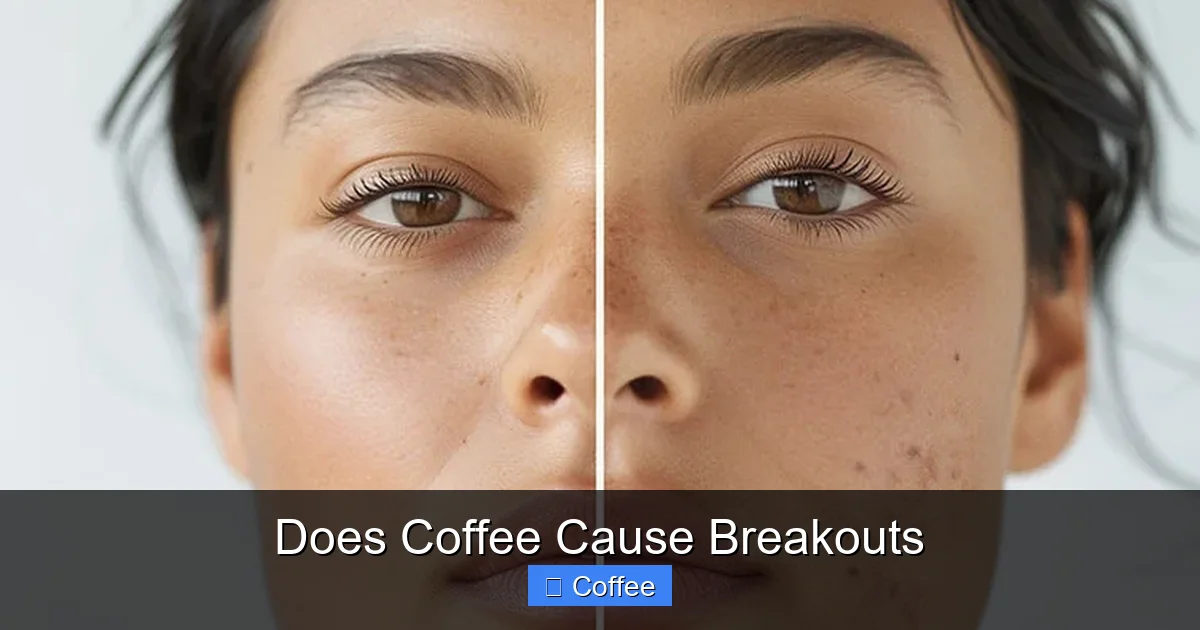
Visual guide about Does Coffee Cause Breakouts
Image source: static.wixstatic.com
It’s easy to see where the confusion starts. Coffee is acidic. It’s stimulating. It’s often consumed when we’re stressed (hello, Monday mornings!). And let’s face it, that post-coffee crash can leave us reaching for sugary snacks, which *definitely* don’t help our skin. Historically, doctors sometimes advised acne patients to avoid “acidic” or “stimulating” foods, and coffee fit the bill. Anecdotes abound: “My skin clears up when I skip coffee!” But correlation isn’t causation. Maybe skipping coffee coincided with better sleep, less stress, or cutting out that extra sugar in your latte.
The Stress Connection (It’s Complicated)
Caffeine, coffee’s star ingredient, is a stimulant. It tells your adrenal glands to pump out adrenaline and cortisol – your body’s stress hormones. Chronically high cortisol *can* contribute to inflammation and potentially increase oil (sebum) production in the skin, factors linked to acne. However, the dose makes the poison. The amount of cortisol spiked by your average cup of coffee is relatively small and short-lived for most people. It’s unlikely to be the *primary* driver of breakouts unless you’re consuming massive amounts (like 5+ strong cups daily) *and* are already highly stress-sensitive. For the average coffee drinker enjoying 1-3 cups, the stress hormone impact is minimal compared to major life stressors.
Acidity and Digestion: A Red Herring?
Coffee is acidic (pH around 5), leading some to believe it disrupts gut health or causes “inflammation” that manifests as acne. While gut health *is* linked to skin health (the gut-skin axis), the evidence that coffee’s acidity directly causes breakouts is weak. Many healthy, acne-free people drink coffee daily. Furthermore, coffee can actually *stimulate* digestion for some, which might be beneficial. The idea that coffee “toxifies” the body and causes acne is an outdated notion not supported by modern dermatology.
The Power of Anecdote (and Confirmation Bias)
We remember the times our skin flared after coffee and forget the countless times it didn’t. If you *believe* coffee causes breakouts, you’re more likely to notice and attribute any new pimple to your morning cup, reinforcing the myth. It’s human nature. Without controlled experiments (hard to do in real life!), it’s tough to isolate coffee as the sole cause.
What Science *Actually* Says: Coffee’s Direct Impact on Skin
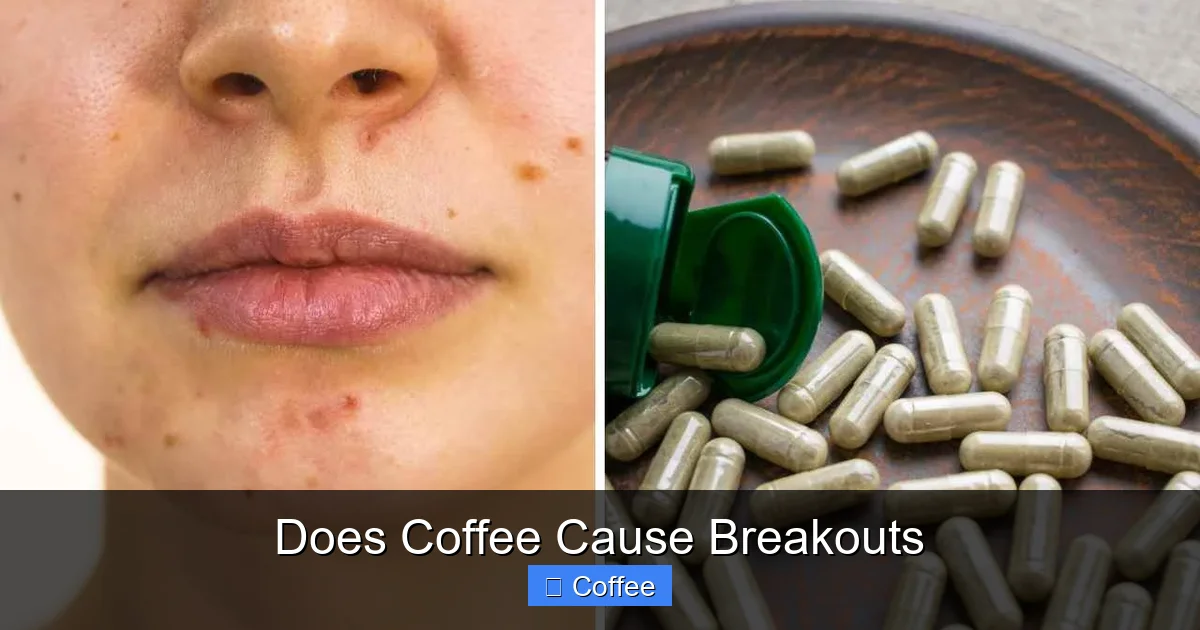
Visual guide about Does Coffee Cause Breakouts
Image source: fabhandbook.com
Let’s cut through the noise with what research tells us about coffee itself and acne.
Studies on Coffee and Acne: The Verdict is “Meh”
Surprisingly, large-scale, rigorous studies directly linking *black coffee consumption* to increased acne breakouts are scarce. Some observational studies have looked at diet and acne, but coffee often gets lumped in with other factors or isn’t isolated effectively. The research that *does* exist is mixed and generally doesn’t point to coffee as a major independent trigger. For instance, a study published in the *Journal of the American Academy of Dermatology* found no significant association between coffee consumption and acne severity in a large cohort of women. Another review concluded that while diet *can* play a role in acne for some individuals, coffee isn’t a prominent culprit.
Caffeine: More Than Just a Stimulant for Skin?
Caffeine isn’t all bad for skin! Topically, it’s a popular ingredient in eye creams and serums because it can temporarily reduce puffiness and improve circulation. When consumed, moderate caffeine might even have some antioxidant benefits. The key is *moderation*. The potential negative impact via stress hormones (cortisol) is the main theoretical concern, but as mentioned, it’s likely minor for most people drinking typical amounts. If you have very sensitive, inflamed skin or conditions like rosacea, the vasoconstrictive effect of caffeine *might* be a consideration, but this is different from typical acne.
The Hydration Paradox: Does Coffee Dehydrate You (and Your Skin)?
This is a big one people worry about. Coffee *is* a mild diuretic, meaning it can increase urine production slightly. However, the fluid you consume in the coffee more than offsets this effect. You don’t become dehydrated from drinking coffee *if* you’re drinking it as part of your normal fluid intake. In fact, coffee contributes to your daily hydration needs. True dehydration *can* make skin look dull and potentially exacerbate existing skin issues, but blaming coffee for dehydration (and thus breakouts) is largely a myth. The real hydration culprit for skin problems is often *not drinking enough water overall*, regardless of coffee consumption. So, keep sipping that H2O alongside your brew!
The Real Breakout Culprits: What You Add to Your Coffee

Visual guide about Does Coffee Cause Breakouts
Image source: fabhandbook.com
Here’s the plot twist: **The biggest offenders hiding in your coffee cup aren’t the coffee beans – they’re the additions.** This is where the science gets much clearer and the advice becomes actionable.
Sugar: The Silent Acne Aggravator
This is the heavyweight champion of coffee-related breakouts. Think about your typical coffee order: a grande caramel frappuccino? A latte with two pumps of vanilla syrup? A spoonful of sugar in your black coffee? Sugar is the enemy here. Here’s why:
* **Blood Sugar Spike:** Sugar causes a rapid rise in blood glucose. Your body responds by producing more insulin.
* **Insulin & IGF-1:** High insulin levels trigger the production of Insulin-like Growth Factor 1 (IGF-1).
* **Oil & Inflammation:** IGF-1 stimulates the sebaceous glands to produce more oil (sebum) and increases skin cell turnover. It also promotes inflammation. More oil + more dead skin cells + inflammation = clogged pores and breakouts. Studies consistently link high glycemic index (GI) diets, rich in sugar and refined carbs, to increased acne severity.
* **The Coffee Connection:** Sugary coffee drinks are essentially liquid sugar bombs. A single 16oz caramel macchiato can contain 30-50g of sugar – that’s 7-12 teaspoons! This is far more impactful on your skin than the coffee itself. **This is the single most common reason coffee is *associated* with breakouts.**
Dairy: The Hormonal Hurdle
Milk and creamers are another major suspect, and the evidence against them is stronger than against coffee itself.
* **Hormones & Growth Factors:** Cow’s milk contains natural hormones (like IGF-1) and growth factors. Even in small amounts, these can potentially influence human hormone pathways.
* **Insulin Response:** Dairy, particularly skim milk, can also cause a significant insulin spike, similar to sugar, due to its whey protein content.
* **Inflammation:** Some people are sensitive to dairy proteins (casein, whey), which can trigger low-grade inflammation in the body, potentially worsening acne.
* **The Coffee Connection:** Adding milk, cream, half-and-half, or flavored creamers introduces these potential triggers directly into your daily cup. Studies, including one in the *Journal of the American Academy of Dermatology*, have shown associations between dairy consumption (especially skim milk) and increased acne risk, particularly in adolescents and young adults. If you’re acne-prone, dairy in your coffee could be a significant factor.
Artificial Sweeteners & Flavorings: Hidden Triggers?
While less studied than sugar and dairy, some people report breakouts linked to artificial sweeteners (aspartame, sucralose) or even natural flavorings in syrups. The reasons aren’t always clear – it could be individual sensitivity, the chemical composition, or even the sugar alcohols (like maltitol) in some “sugar-free” syrups causing digestive upset that indirectly affects skin. If you notice breakouts specifically after using certain sweeteners or flavored creamers, it’s worth experimenting by eliminating them.
Practical Tips: Enjoying Coffee Without the Breakout Blues
The good news? You almost certainly don’t need to give up coffee to have clear skin. It’s about making smarter choices with what goes *into* your cup and supporting your skin holistically.
Master the Art of the Black Coffee (or Near-Black)
* **Embrace Black:** This is the gold standard for avoiding coffee-related breakouts. Enjoy the pure, rich flavor of your brew. Start by cutting back on sugar gradually if you’re used to sweetened coffee. Your taste buds will adjust!
* **Smart Substitutions:** If you need a little creaminess:
* **Unsweetened Plant Milks:** Almond, oat, soy, or coconut milk (unsweetened varieties) are generally better choices than dairy for acne-prone skin. They lack the hormones and growth factors of dairy. *Tip:* Oat milk froths well for lattes; almond milk is light and low-calorie.
* **A Splash of Nut Milk:** You often need far less than dairy to get creaminess.
* **Avoid “Coffee Mate” & Similar:** These are often high in sugar, unhealthy fats (hydrogenated oils), and artificial ingredients. Read labels carefully!
* **Ditch the Sugar:** Seriously. Try drinking your coffee unsweetened for a week. You might be surprised how much you enjoy it. If you absolutely need sweetness:
* **Minimal Natural Sweeteners:** A *tiny* pinch of cinnamon, a drop of pure vanilla extract (no sugar added), or a *very small* amount of pure maple syrup or honey *might* be better than refined sugar, but use sparingly. Avoid artificial sweeteners if they bother you.
Timing and Quantity Matter (A Little)
* **Moderation is Key:** Stick to 3-4 cups of coffee per day max. More than this *could* potentially stress your system for sensitive individuals.
* **Avoid Late-Day Caffeine:** While not directly causing breakouts, caffeine late in the day can disrupt sleep. Poor sleep is a *major* contributor to stress, inflammation, and worsened acne. Enjoy your coffee in the morning or early afternoon.
* **Pair with Protein/Fat:** Having coffee with a balanced breakfast (eggs, avocado, whole grains) can blunt the blood sugar spike compared to drinking it on an empty stomach, especially if you’ve added sugar.
Support Your Skin from the Outside (and Inside)
* **Hydrate Relentlessly:** Drink water throughout the day. Aim for 8 glasses. Coffee counts towards hydration, but water is essential for plump, healthy skin and flushing toxins.
* **Cleanse Gently:** Wash your face twice daily with a gentle, non-comedogenic cleanser. Avoid harsh scrubs that irritate skin.
* **Moisturize:** Even oily, acne-prone skin needs hydration. Use an oil-free, non-comedogenic moisturizer.
* **Sunscreen Daily:** UV damage worsens inflammation and can lead to post-acne marks. Use a mineral or non-comedogenic SPF 30+.
* **Manage Overall Diet:** Focus on whole foods, fruits, vegetables, lean proteins, and healthy fats. Limit processed foods and *excess* sugar (beyond just coffee!).
* **Stress Management:** Since stress *does* impact skin, find healthy outlets – exercise, meditation, hobbies. Your coffee ritual itself can be a mindful stress-reducer!
When Coffee *Might* Be a Factor (For Some)
While coffee itself isn’t a primary cause for most, there are specific scenarios where it could play a role:
The Highly Sensitive Individual
Some people have incredibly reactive skin or underlying conditions where even small triggers matter. If you notice a *consistent* pattern – breakouts reliably appearing 12-24 hours after your morning coffee, *especially* if it’s sugary or milky – then it’s worth experimenting. Try switching to strict black coffee for 4-6 weeks and see if your skin improves. Keep a simple journal to track.
Existing Inflammatory Skin Conditions
If you have conditions like rosacea or severe inflammatory acne, the vasoconstrictive effect of caffeine *might* be a minor irritant for some individuals, potentially causing redness or flushing. However, this is highly individual and not the norm for typical acne. Consult a dermatologist for personalized advice.
The “Everything in Moderation” Exception
If you’re drinking 5+ cups of strong, sweetened coffee daily, combined with a poor overall diet and high stress, then yes, your coffee habit could be *contributing* to an environment where breakouts thrive. It’s rarely the sole cause, but part of a bigger picture of lifestyle factors impacting skin health. Scaling back *all* potential triggers (sugar, dairy, stress, lack of sleep) is the solution.
Conclusion: Sip Smart, Keep Your Skin Clear
So, does coffee cause breakouts? The straightforward answer for the vast majority of people is **no, not directly.** That daily cup of black coffee is unlikely to be the reason you’re seeing new pimples. The real story is hidden in the additions: the sugar-laden syrups, the dairy creamers, and the artificial sweeteners we stir into our brew. These are the true breakout bandits, triggering blood sugar spikes, hormonal shifts, and inflammation that create the perfect storm for clogged pores.
The science is clear: focus your efforts on what you *add* to your coffee, not the coffee itself. Ditch the sugar, experiment with unsweetened plant milks, and savor your coffee black or nearly black. Remember to hydrate well with water, manage overall stress, and maintain a balanced diet. If you’re acne-prone and notice a clear link between *specific* coffee drinks (like that daily caramel latte) and breakouts, listen to your body and make the switch.
Your coffee ritual doesn’t have to be sacrificed for clear skin. It’s about mindful choices. Enjoy that rich, aromatic cup knowing you’re making choices that support both your love for coffee and your skin’s health. The perfect brew for your skin is out there – it’s often just a simpler, less sweetened version of what you’re already drinking. So go ahead, pour yourself a cup, and sip confidently towards clearer skin.
Frequently Asked Questions
Does coffee cause breakouts?
No, coffee itself is not a direct cause of breakouts for most people. The primary culprits are usually the sugar, dairy, or artificial sweeteners added to coffee drinks. Pure black coffee is generally acne-safe when consumed in moderation.
Why do I get pimples after drinking coffee?
If you get pimples after coffee, it’s most likely due to high sugar content (in syrups, sugar, or sweetened creamers) or dairy (milk, cream) in your drink. These trigger blood sugar spikes, insulin increases, and inflammation, leading to clogged pores. Caffeine’s mild stress effect is less common.
Is coffee bad for your skin?
Moderate black coffee isn’t inherently bad for skin. In fact, it contains antioxidants. However, sugary coffee drinks can negatively impact skin by promoting inflammation and oil production. The additives, not the coffee bean, are usually the problem.
Can I drink coffee if I have acne?
Absolutely! Enjoy coffee in moderation, ideally black or with unsweetened plant-based milk. Avoid added sugar and dairy if they trigger your breakouts. Focus on overall hydration, a balanced diet, and good skincare for clearer skin alongside your coffee habit.
Does caffeine cause acne?
Caffeine itself is not a major direct cause of acne. While it can slightly increase stress hormones (cortisol) which *might* affect some people’s skin, this effect is usually minimal with typical consumption (1-3 cups). Sugar and dairy in caffeinated drinks are far bigger concerns.
What coffee is best for acne-prone skin?
The best coffee for acne-prone skin is unsweetened black coffee. If you need creaminess, choose unsweetened almond, oat, or soy milk. Avoid sugar, flavored syrups, dairy creamers, and excessive amounts. Keep intake moderate (1-3 cups daily).