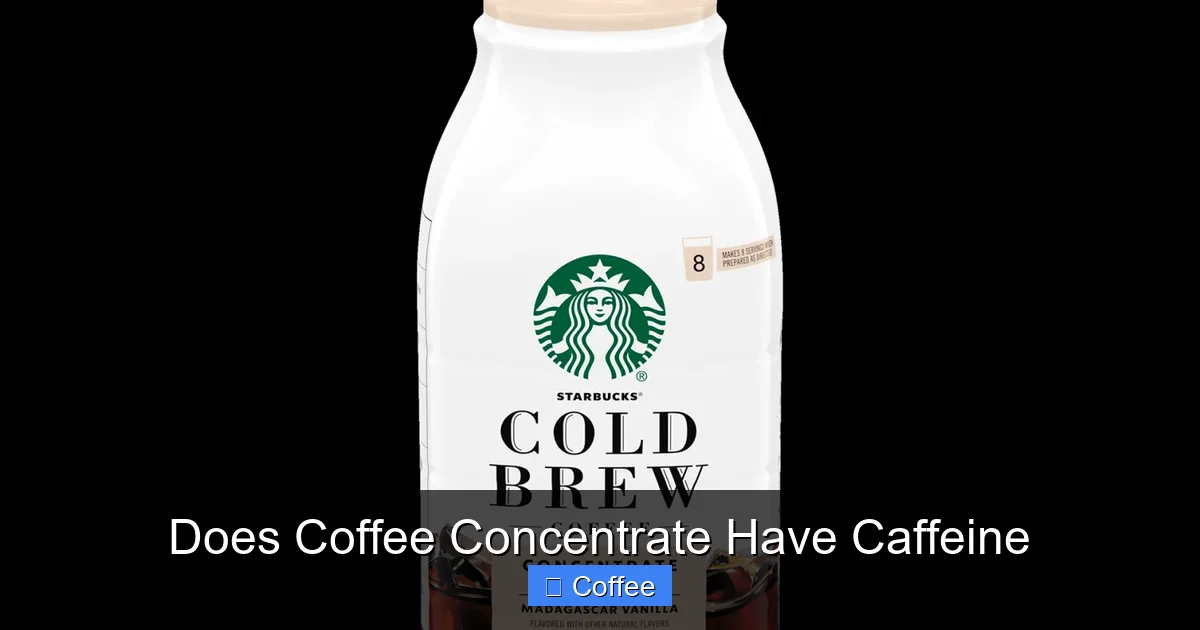
Yes, coffee concentrate absolutely contains caffeine—often in higher concentrations than regular brewed coffee. The exact amount varies based on beans, roast, and preparation, but it’s significantly more potent per ounce. Always dilute concentrates as directed to avoid excessive caffeine intake and potential side effects.
Key Takeaways
- Caffeine is present: All coffee concentrates contain caffeine unless specifically labeled “decaf,” as the extraction process preserves the stimulant.
- Higher concentration: Concentrates pack 2-5x more caffeine per ounce than standard drip coffee due to reduced water content.
- Variables matter: Bean type (Arabica vs. Robusta), roast level, grind size, and steep time dramatically impact caffeine levels.
- Dilution is key: Always mix concentrates with water/milk per instructions—drinking undiluted concentrate risks caffeine overdose.
- Check labels: Reputable brands disclose caffeine content (e.g., “1 tbsp = 60mg caffeine”), but artisanal options may not.
- Health considerations: Sensitive individuals should start with half-dilution and monitor effects; consult doctors if managing conditions.
- Decaf options exist: Some brands offer caffeine-removed concentrates, but trace amounts may remain (typically <5mg/serving).
Quick Answers to Common Questions
Can I drink coffee concentrate straight?
No! Drinking undiluted concentrate risks caffeine overdose (symptoms: racing heart, anxiety, nausea). Always mix with water or milk per label instructions—typically 1 part concentrate to 1-4 parts liquid.
Is coffee concentrate stronger than espresso?
Yes, in caffeine concentration. Espresso has ~63mg per 1oz shot, while coffee concentrate averages 100-200mg per 1oz. However, espresso is consumed in smaller volumes, so a single shot has less total caffeine than a diluted concentrate serving.
How long does caffeine from concentrate last?
Caffeine peaks in your bloodstream within 30-60 minutes and takes 5-6 hours to halve. With concentrate’s high dose, effects may last 8+ hours—avoid it after 2 p.m. if you’re sensitive to sleep disruption.
Can I make my own low-caffeine concentrate?
Yes! Use coarser grounds, shorter steep times (8-12 hours), and Arabica beans. Dilute more heavily (1:4 ratio). For very low caffeine, mix regular and decaf concentrates 50/50.
Does cold brew concentrate have more caffeine than hot brew?
Generally, yes. Cold brew’s long steep time (12-24 hours) extracts caffeine more thoroughly than hot brew’s 4-5 minute contact. However, hot brew concentrates (like some pour-over styles) can be equally strong if brewed with minimal water.
📑 Table of Contents
- Does Coffee Concentrate Have Caffeine? Let’s Spill the Beans
- What Exactly Is Coffee Concentrate?
- How Much Caffeine Is in Coffee Concentrate?
- What Affects Caffeine Levels in Coffee Concentrate?
- How to Use Coffee Concentrate Safely (Without the Jitters)
- Decaf Concentrate: Is It Truly Caffeine-Free?
- Health Considerations: Who Should Be Cautious?
- Conclusion: Enjoy Concentrate Wisely
Does Coffee Concentrate Have Caffeine? Let’s Spill the Beans
You’ve probably seen those sleek bottles of coffee concentrate at the grocery store or received a fancy pouch in a subscription box. They promise “bold flavor in seconds” or “barista-quality cold brew at home.” But as you unscrew the lid, a nagging question hits: Does this stuff actually have caffeine? After all, it looks thick, dark, and mysterious—almost like coffee syrup. If you’re trying to manage your caffeine intake (or just curious why your 3 p.m. concentrate shot made you feel like you’d mainlined espresso), you’re in the right place.
The short answer is a resounding yes. Coffee concentrate absolutely contains caffeine. In fact, it often packs a much bigger caffeine punch per ounce than your average cup of drip coffee. But why? And how much is too much? Let’s dive into the science, the variables, and the practical tips you need to enjoy coffee concentrate safely and deliciously. Whether you’re a cold brew newbie or a seasoned concentrate user, understanding caffeine content is crucial for avoiding jitters, crashes, or worse—caffeine overdose.
What Exactly Is Coffee Concentrate?
Before we tackle caffeine, let’s clarify what coffee concentrate is. Think of it as coffee’s “essence”—a highly brewed, undiluted liquid made by steeping coffee grounds in water for an extended period (usually 12-24 hours for cold brew). Unlike instant coffee (which is dehydrated brewed coffee), concentrate is liquid and requires dilution before drinking. It’s the secret weapon for busy folks who want rich, smooth coffee without the wait.
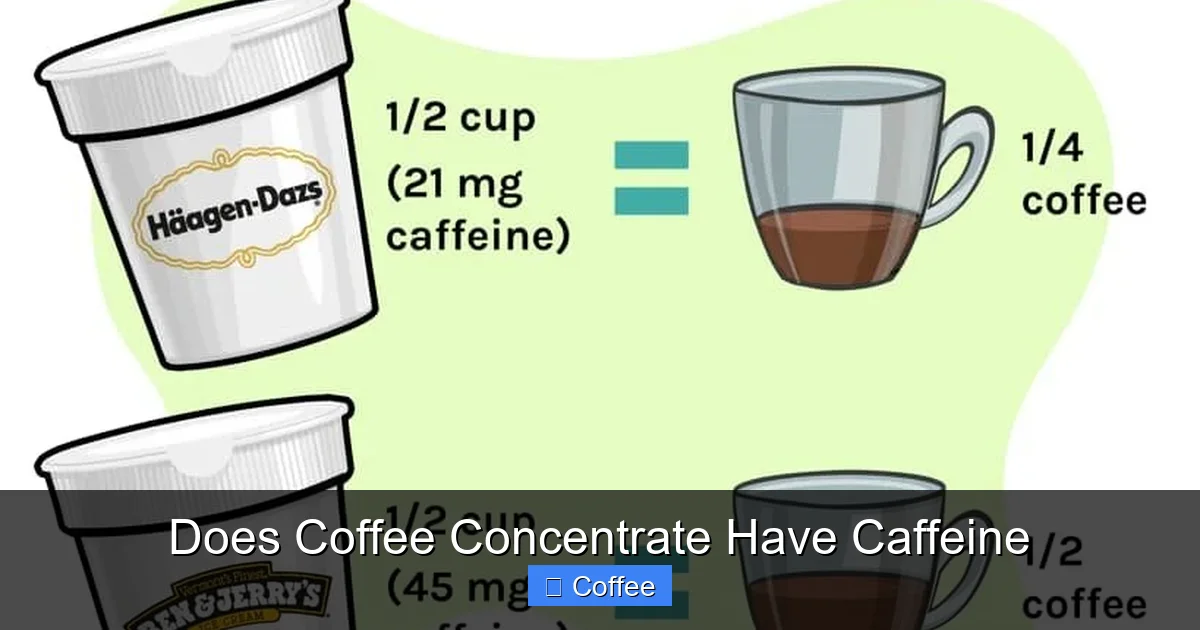
Visual guide about Does Coffee Concentrate Have Caffeine
Image source: homegrounds.co
Types of Coffee Concentrate
Not all concentrates are created equal. Here’s a quick rundown:
- Cold Brew Concentrate: The most common type. Made with cold or room-temperature water, it’s less acidic and smoother than hot-brewed coffee. Brands like Stumptown or Chameleon popularized this.
- Hot Brew Concentrate: Less common, but some artisanal roasters make it by brewing with minimal water. It’s closer to espresso in intensity but not pressure-extracted.
- Ready-to-Drink (RTD) Concentrate: Pre-diluted versions (like La Colombe Triple Shot) that you drink straight from the bottle. These still contain caffeine but are less concentrated than pure concentrates.
- Decaf Concentrate: Made from decaffeinated beans, but as we’ll see, “decaf” doesn’t mean zero caffeine.
The key takeaway? All non-decaf concentrates contain caffeine because caffeine is water-soluble and extracted during brewing. The longer the steep time and the finer the grind, the more caffeine gets pulled out.
How Much Caffeine Is in Coffee Concentrate?
This is where things get interesting—and variable. A standard 8-ounce cup of drip coffee averages 80-100mg of caffeine. But coffee concentrate? That same 8 ounces of diluted concentrate can range from 150mg to over 300mg. Why the huge spread? Let’s break it down.
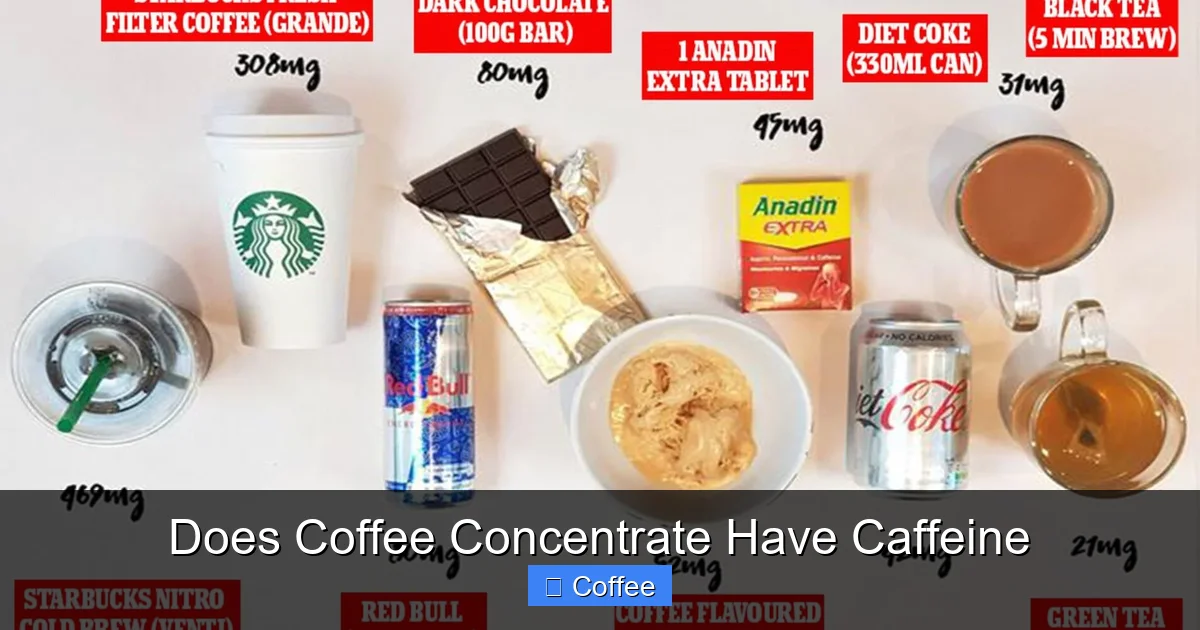
Visual guide about Does Coffee Concentrate Have Caffeine
Image source: gourmetcoffee4coffeelovers.com
Concentrate vs. Regular Coffee: The Math
Most concentrates are designed to be diluted 1:1 to 1:4 (concentrate to water/milk). For example:
- A typical cold brew concentrate might have 200mg of caffeine per 1-ounce serving.
- Dilute that 1 ounce with 3 ounces of water (a common ratio), and you get a 4-ounce “cup” with roughly 200mg of caffeine.
- Compare that to drip coffee: 8 ounces = 100mg. Your diluted concentrate “cup” has twice the caffeine in half the volume!
But here’s the kicker: Many people use more concentrate than recommended. Ever poured a heavy glug into your mug because it “looks weak”? That’s how you accidentally drink 400mg of caffeine before breakfast.
Real-World Examples
Let’s look at popular brands (caffeine content may vary by batch):
- Stumptown Cold Brew Concentrate: 1 fl oz = 140mg caffeine. Diluted 1:4, a 16oz drink = ~560mg (yes, that’s way above daily limits).
- Chameleon Cold Brew Concentrate: 2 tbsp = 120mg caffeine. Diluted 1:1, a 12oz drink = ~360mg.
- Starbucks Bottled Cold Brew Concentrate: 2 fl oz = 155mg caffeine. Diluted 1:1, a 16oz drink = ~310mg.
Compare those numbers to a standard Starbucks Pike Place (16oz = 310mg). A single diluted concentrate serving can match or exceed that—without the water volume making you feel full. It’s easy to overconsume.
What Affects Caffeine Levels in Coffee Concentrate?
Caffeine isn’t a fixed number—it’s a moving target. Several factors determine how much ends up in your bottle:
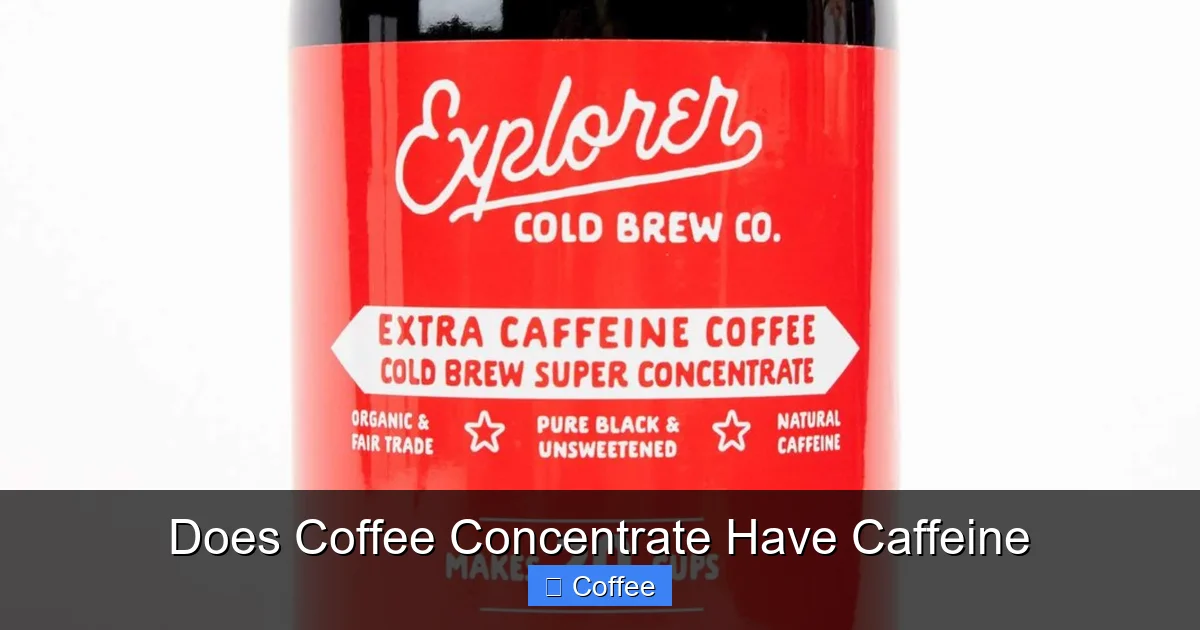
Visual guide about Does Coffee Concentrate Have Caffeine
Image source: m.media-amazon.com
Bean Type and Origin
Robusta beans contain almost double the caffeine of Arabica beans (2.2% vs. 1.2% by weight). Many concentrates use Arabica for smoothness, but some budget brands blend in Robusta for extra kick. Single-origin Ethiopian Arabica? Lower caffeine. Vietnamese Robusta blend? Higher. Always check the label if you’re caffeine-conscious.
Roast Level
Contrary to popular belief, lighter roasts have slightly more caffeine than dark roasts. Why? Caffeine breaks down at high temps, but the difference is minimal (about 5-10%). The bigger impact? Dark roasts taste bolder, so you might use more concentrate, accidentally upping your caffeine. Light roasts are milder, so you might use less—but the caffeine per bean is higher. It’s a trade-off!
Brewing Method and Time
Cold brew concentrates steep for 12-24 hours, extracting caffeine slowly but thoroughly. Hot brew concentrates (like some pour-over styles) extract faster but may miss some caffeine due to shorter contact time. Longer steep = more caffeine. Finer grind = more surface area = more caffeine. Coarse grind? Less. If your concentrate tastes weak, it might also be low-caffeine—but don’t assume!
Brand and Processing
Big brands standardize caffeine content (e.g., “1 tbsp = 60mg”), but small-batch roasters rarely test. Some “craft” concentrates are wildly inconsistent—today’s batch might be mild, tomorrow’s could knock you sideways. Always start with half the recommended dilution if you’re trying a new brand.
How to Use Coffee Concentrate Safely (Without the Jitters)
Knowing concentrate has caffeine is one thing; using it wisely is another. Here’s how to enjoy it without regret:
Dilute Like a Pro
Never drink concentrate straight—it’s not meant to be sipped like syrup. Follow the label’s ratio (usually 1 part concentrate to 1-4 parts liquid). For cold brew, try:
- Mild: 1:4 ratio (e.g., 1 oz concentrate + 4 oz water/milk). ~50-75mg caffeine per 5oz serving.
- Standard: 1:2 ratio (e.g., 1 oz concentrate + 2 oz water/milk). ~100-150mg per 3oz serving.
- Strong: 1:1 ratio (e.g., 1 oz concentrate + 1 oz water/milk). ~150-200mg per 2oz serving.
Pro tip: Use a shot glass to measure concentrate. Eyeballing leads to over-pouring!
Track Your Intake
The FDA suggests 400mg of caffeine daily is safe for most adults. But sensitivity varies wildly. If you’re pregnant, anxious, or on medication, aim for 200mg max. Use apps like Caffeine Zone to log your intake. Example:
- Morning: Diluted concentrate (1:2 ratio) = 120mg
- Lunch: Green tea = 30mg
- 3 p.m.: Another diluted concentrate (1:3 ratio) = 60mg
- Total: 210mg (safe for most, but skip the afternoon cup if you’re sensitive).
Watch for Overconsumption Signs
Too much caffeine? You’ll know. Symptoms include:
- Racing heart or palpitations
- Anxiety or restlessness
- Insomnia (even hours later)
- Upset stomach or headaches
If you feel these, stop consuming caffeine and hydrate. For severe reactions (chest pain, vomiting), seek medical help. Remember: Caffeine overdose is real—and concentrates make it easier to happen.
Decaf Concentrate: Is It Truly Caffeine-Free?
You might see “decaf” on a concentrate label and assume it’s safe for caffeine avoiders. Not quite. Decaffeination removes most caffeine (97%+), but trace amounts remain. Here’s the reality:
- FDA standard: Decaf must have ≤5mg caffeine per 8oz serving. But concentrates are stronger, so a 1-oz serving might have 2-3mg.
- Swiss Water Process: Chemical-free method used by brands like Kicking Horse. Leaves ~2-5mg per serving.
- Methylene Chloride/Ethyl Acetate: Common chemical methods. May leave slightly more caffeine (up to 5mg).
For most people, decaf concentrate is fine. But if you’re extremely sensitive (e.g., migraines triggered by 10mg), even decaf might cause issues. Always check labels—some brands disclose exact numbers.
Health Considerations: Who Should Be Cautious?
Coffee concentrate isn’t inherently “bad,” but it amplifies caffeine’s effects. Certain groups should tread carefully:
Pregnant or Breastfeeding Individuals
Medical guidelines recommend ≤200mg caffeine daily during pregnancy. One diluted concentrate serving (1:2 ratio) can hit 150mg—leaving little room for other sources. Opt for half-dilution or switch to decaf concentrate.
Anxiety or Sleep Disorders
Caffeine worsens anxiety and disrupts sleep. If you struggle with either, avoid concentrates after noon. Try half-caf blends (50% regular, 50% decaf concentrate) for a milder boost.
Medication Interactions
Caffeine interacts with ADHD meds, thyroid drugs, and some antibiotics. If you’re on medication, ask your doctor about safe caffeine limits. Concentrates’ potency makes timing crucial—don’t chase a pill with a concentrate shot!
Kids and Teens
The American Academy of Pediatrics says children should avoid caffeine, and teens should limit to ≤100mg daily. Skip concentrates entirely for this group—stick to milk or water.
Conclusion: Enjoy Concentrate Wisely
So, does coffee concentrate have caffeine? Absolutely—and that’s part of its magic. It delivers intense flavor and a serious energy lift in seconds, perfect for busy mornings or afternoon slumps. But with great power comes great responsibility. The concentrated nature means it’s easy to overdo it, turning a productivity boost into a jittery nightmare.
The key is mindful consumption. Dilute properly, track your intake, and respect your body’s limits. Start with half the recommended ratio if you’re new, and always prioritize quality brands that disclose caffeine content. And remember: if you’re sensitive, pregnant, or managing health conditions, decaf concentrate or half-caf blends are your friends.
Coffee concentrate isn’t just a trend—it’s a versatile tool for coffee lovers. Used wisely, it can elevate your routine without the crash. So go ahead, pour that shot, dilute it right, and savor the buzz—safely.
Frequently Asked Questions
How much caffeine is in 1 tablespoon of coffee concentrate?
Most brands contain 50-100mg per tablespoon, but it varies widely. Check the label—reputable companies disclose this. If unavailable, assume 75mg as a safe estimate for dilution calculations.
Can coffee concentrate cause caffeine addiction?
Yes, regular high-dose consumption can lead to dependence. Symptoms like headaches or fatigue when skipping it indicate withdrawal. Stick to ≤400mg daily and take caffeine-free days to avoid this.
Is coffee concentrate better for you than regular coffee?
Not necessarily. While cold brew concentrate has less acidity (easier on stomachs), its high caffeine concentration poses greater overdose risks. Nutritionally, both offer similar antioxidants—just consume concentrate in moderation.
What’s the safest way to try coffee concentrate for the first time?
Start with half the recommended dilution (e.g., 1:4 instead of 1:2). Sip slowly and wait 2 hours to assess effects. Avoid mixing with other caffeine sources like soda or energy drinks on the same day.
Do all coffee concentrates contain the same caffeine?
No! Caffeine levels depend on beans, roast, grind, and steep time. A Robusta-based concentrate can have 2x more caffeine than an Arabica one. Always verify per brand—don’t assume consistency.
Can I use coffee concentrate in recipes without extra caffeine?
Yes, but baked goods or sauces will still contain caffeine. For minimal impact, use decaf concentrate or heavily dilute regular concentrate (e.g., 1 tsp in a full cake recipe). Trace amounts remain, but it’s usually negligible.