Yes, coffee can contain mold if beans are improperly processed, stored, or roasted, but reputable brands rigorously test for harmful mycotoxins like ochratoxin A. While trace amounts exist in most agricultural products, high-quality coffee from trusted sources poses minimal health risk. Choosing fresh, properly stored coffee and avoiding visibly moldy beans keeps your cup safe.
Key Takeaways
- Mold happens naturally: Coffee beans can develop mold during growth, harvest, or storage if exposed to moisture and heat, producing mycotoxins like ochratoxin A.
- Industry testing is strict: Reputable coffee companies test for mycotoxins to meet safety standards (e.g., EU limits of 5 µg/kg for ochratoxin A), making store-bought coffee generally safe.
- Roasting reduces risk: Proper roasting (above 400°F) destroys most mold and mycotoxins, but under-roasted or stale beans pose higher risks.
- Storage matters at home: Keep coffee in airtight containers away from heat, light, and humidity to prevent mold growth after purchase.
- Trust your senses: Discard coffee with visible mold, musty smells, or slimy texture – these indicate spoilage.
- Dark roasts aren’t “safer”: Roast level doesn’t eliminate mycotoxins; bean quality and processing matter more.
- Moderation is key: Occasional exposure to low mycotoxin levels is unlikely harmful, but consistent high intake should be avoided.
Quick Answers to Common Questions
Can I see mold in my coffee beans?
Visible mold (fuzzy patches, unusual colors) in *fresh* beans is rare and indicates spoilage. Discard immediately. More common are off-smells or stale appearance, which signal aging, not necessarily mold.
Is dark roast coffee safer from mold?
No. Roast level itself doesn’t affect mycotoxin levels. A proper roast (any level) reduces them significantly. Safety depends on bean quality and roasting process, not darkness.
How long does coffee last before mold grows?
Properly stored whole beans last 4-6 weeks post-roast; ground coffee 2-4 weeks. Mold growth is unlikely within this timeframe if stored airtight in cool/dry conditions. Stale ≠ moldy – discard only if musty or visibly moldy.
Does freezing coffee prevent mold?
Freezing *can* extend shelf life for months in *truly* airtight containers, but it risks moisture absorption and flavor loss. For regular use (weeks), a cool cupboard is better. Never refreeze thawed coffee.
Are mycotoxins destroyed by brewing?
Brewing (hot water) doesn’t significantly reduce mycotoxins already present in the beans. Prevention happens earlier: through proper farming, drying, roasting, and storage. Safe beans make safe brew.
📑 Table of Contents
- Does Coffee Have Mold in It? The Honest Truth About Your Morning Brew
- How Mold Gets Into Coffee: From Farm to Cup
- Understanding Mycotoxins: The Real Health Concern
- How Safe is Store-Bought Coffee? Industry Standards Explained
- How to Choose and Store Coffee to Avoid Mold
- Mold in Coffee: Separating Fact from Fear
- Conclusion: Enjoy Your Coffee with Confidence
Does Coffee Have Mold in It? The Honest Truth About Your Morning Brew
That first sip of coffee is sacred. It’s your fuel, your moment of calm, your daily ritual. But lately, whispers about mold in coffee have left some drinkers uneasy. You might have seen alarming headlines or heard friends say, “I heard coffee is full of mold!” It’s enough to make you stare into your mug wondering: *Is there actually mold in my coffee?* Let’s cut through the noise. The short answer is: **yes, coffee *can* contain mold**, but it’s rarely the toxic, visible kind you’d panic over. Understanding *how* mold gets into coffee, *why* it matters, and *how to avoid it* will help you enjoy your brew with confidence. This isn’t about scaring you – it’s about empowering you with facts.
Coffee is an agricultural product. Like peanuts, grains, or dried fruit, it’s grown in warm, humid environments where mold naturally occurs. The real concern isn’t just the mold itself, but the invisible toxins it produces called **mycotoxins**. Ochratoxin A (OTA) is the most common mycotoxin linked to coffee. It’s a potential carcinogen and can harm kidneys with long-term, high-level exposure. But here’s the crucial part: **reputable coffee producers work hard to keep these levels extremely low**. The risk isn’t that your daily cup is poisoning you – it’s about understanding the sources and knowing how to choose and store coffee wisely. Let’s dive into where mold comes from and what you can do about it.
How Mold Gets Into Coffee: From Farm to Cup
Visual guide about Does Coffee Have Mold in It
Image source: equator.ca
Mold doesn’t magically appear in your coffee maker. It’s a journey that starts long before beans reach your bag. Understanding this process is key to knowing where risks lie.
The Harvest and Processing Stage: Where Mold Often Begins
Coffee cherries grow on trees in tropical regions. When ripe, they’re picked – ideally by hand to select only the ripest fruit. But if cherries are overripe, damaged, or left too long on the tree, they become mold magnets. Rain during harvest is a major culprit. Wet cherries ferment too quickly or develop mold on the surface. During processing (removing the bean from the cherry), beans can get bruised or cut, creating entry points for mold. If beans aren’t dried *fast enough* to below 12% moisture content – a critical step – mold thrives in the warm, damp environment. Poorly maintained drying beds or storage sacks can also introduce contamination. This is why **ethical, quality-focused farms prioritize careful harvesting, quick processing, and thorough drying** – it’s the first line of defense against mold.
Storage and Transportation: The Hidden Danger Zone
Once dried, green coffee beans are stored and shipped globally. This is another high-risk phase. Beans stored in humid warehouses, exposed to rain during transport, or packed in damaged bags can absorb moisture. Imagine a shipping container crossing the equator – temperatures and humidity soar. If beans aren’t properly ventilated or if storage conditions are subpar, mold can grow rapidly. This is why **reputable importers and roasters rigorously inspect green coffee upon arrival**, checking for musty odors, discoloration, or visible mold. They reject lots that don’t meet standards. Unfortunately, lower-quality coffee destined for instant products or cheap blends might skip these stringent checks, increasing potential risks.
Roasting: The Critical Mold-Killing Step (Mostly)
Here’s the good news: **roasting is a powerful mold and mycotoxin reducer**. The high heat (typically 350-450°F / 175-230°C) during roasting destroys most mold spores. More importantly, research shows roasting significantly degrades ochratoxin A. Studies indicate reductions of 40-90% depending on roast level and duration. A proper roast doesn’t just make coffee taste good – it’s a vital safety step. However, this only works if:
- The beans were *not* heavily contaminated *before* roasting (roasting can’t fix extreme mold growth).
- The roast is done correctly (under-roasted beans retain more mycotoxins).
- The roasting equipment is clean (old, dirty roasters can harbor mold).
This is why **choosing coffee from roasters who prioritize quality control and fresh roasting** matters immensely. They ensure the process effectively minimizes any pre-existing risks.
Understanding Mycotoxins: The Real Health Concern
Visual guide about Does Coffee Have Mold in It
Image source: mashed.com
When people ask “Does coffee have mold?”, they’re often really worried about **mycotoxins** – the toxic compounds mold produces. Mold itself might just make coffee taste bad, but mycotoxins pose potential health risks. Let’s demystify the science.
Ochratoxin A (OTA): Coffee’s Most Notorious Mycotoxin
OTA is the mycotoxin most associated with coffee. It’s produced mainly by *Aspergillus* and *Penicillium* molds. Why the concern?
- Kidney Toxicity: OTA is a known nephrotoxin. Long-term, high-level exposure in animals has caused kidney damage and is linked to Balkan Endemic Nephropathy in humans (though coffee isn’t the primary source there).
- Potential Carcinogen: The International Agency for Research on Cancer (IARC) classifies OTA as “possibly carcinogenic to humans” (Group 2B), based on animal studies.
- Immune & Developmental Effects: Some research suggests impacts on the immune system and fetal development at very high doses.
**Crucially, the risk from coffee is considered LOW for most people.** Why? Because:
- Dose Matters: The amounts typically found in *commercially roasted coffee* are very small. You’d need to drink *hundreds of cups daily* for years to reach levels of concern in studies.
- Multiple Sources: OTA is found in many foods: grains, wine, dried fruit, spices, even some meats. Coffee is just one contributor.
- Regulatory Limits: Strict limits exist globally (e.g., EU: 5 µg/kg for roasted coffee, 10 µg/kg for soluble coffee). Reputable brands test to stay far below these.
Other Mycotoxins: Less Common but Worth Knowing
While OTA is the main focus, other mycotoxins like aflatoxins (more common in nuts and corn) or fumonisins can rarely occur in coffee, usually if contamination is severe. However, OTA is the primary concern due to its prevalence in coffee-growing conditions and its specific toxicity profile. The good news is that **roasting and industry testing target OTA effectively, and other mycotoxins are even less common in properly handled coffee.**
How Safe is Store-Bought Coffee? Industry Standards Explained
Visual guide about Does Coffee Have Mold in It
Image source: carmelbaycoffee.com
Given the potential for mold, you might wonder: “Is the coffee I buy actually safe?” The answer is a reassuring **yes, for coffee from reputable sources.** Here’s how the industry keeps your cup safe:
Global Safety Regulations: Setting the Bar
Most developed countries have strict mycotoxin limits for coffee:
- European Union: The gold standard. Limits OTA to 5 micrograms per kilogram (µg/kg) for roasted coffee and 10 µg/kg for soluble (instant) coffee. Regular testing is mandatory.
- United States: The FDA doesn’t set a specific limit for OTA in coffee but uses “action levels” for other mycotoxins in foods. They monitor and can seize products exceeding safety thresholds. Reputable US roasters often adhere to EU standards voluntarily.
- Other Countries: Many nations follow Codex Alimentarius guidelines or have their own limits, generally aligned with EU standards.
These limits are set **well below levels known to cause harm**, incorporating large safety margins. Meeting them requires consistent quality control.
How Reputable Roasters Ensure Safety: Beyond the Basics
Quality-focused roasters go beyond just meeting minimum standards:
- Green Bean Sourcing: They partner with farms using good agricultural practices (GAPs) – careful harvesting, proper drying, clean storage. They often visit farms.
- Rigorous Incoming Inspection: Every lot of green coffee is checked for moisture content, visual defects, and smell. Suspect lots are rejected or tested.
- Mycotoxin Testing: Many top roasters test *every lot* of green coffee, or at least regularly, using accredited labs. They test for OTA and sometimes other mycotoxins. Results must be below internal limits (often stricter than regulations).
- Roast Profiling: They optimize roast curves to maximize mycotoxin reduction while developing flavor.
- Traceability: They track beans from farm to cup, so if an issue arises, they can quickly identify and address the source.
**This multi-layered approach makes commercially roasted coffee from trusted brands extremely safe.** The risk of consuming harmful levels of mycotoxins from your average bag of specialty or even good-quality supermarket coffee is minimal.
Where Risks Are Higher: Know the Red Flags
While most store-bought coffee is safe, risks increase with:
- Very Cheap, Low-Quality Coffee: Instant coffee blends or discount store brands might use lower-grade beans with less stringent testing.
- Stale or Improperly Stored Coffee: Coffee past its “best by” date, stored in humid environments, or left open for weeks can develop mold *after* purchase.
- Home-Roasted Beans (Without Knowledge):strong> If you roast your own beans but don’t understand moisture content, drying, or roasting profiles, you might inadvertently use moldy green beans or under-roast them.
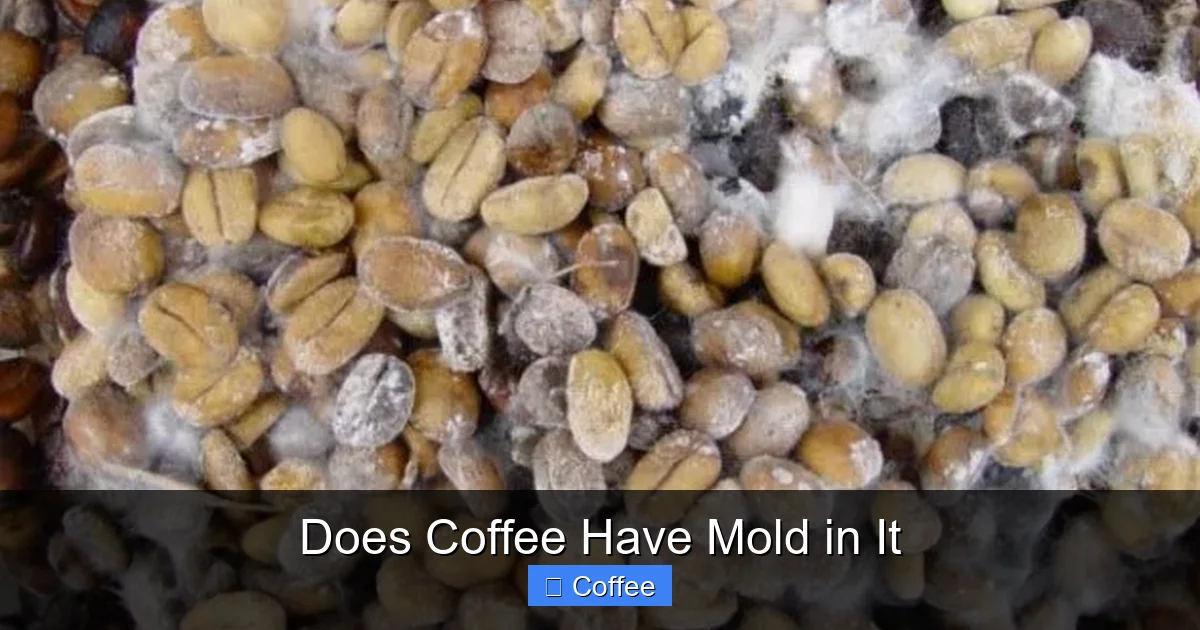
- Visibly Moldy Beans: Any coffee with fuzzy spots, unusual colors (blue, green, white), or a musty, earthy smell should be discarded immediately – this is obvious spoilage.
**The key takeaway: Source matters. Paying a little more for coffee from transparent, quality-focused roasters is the best safety investment.**
How to Choose and Store Coffee to Avoid Mold
You don’t need to become a mycotoxin expert to enjoy safe coffee. Simple, practical steps make a huge difference:
Choosing Mold-Free Coffee: Your Shopping Guide
- Prioritize Freshness: Look for a **roast date** on the bag, not just a “best by” date. Buy coffee roasted within the last 2-4 weeks for peak quality and safety. Fresher coffee has less time for potential post-roast issues.
- Choose Reputable Brands: Support roasters who are transparent about sourcing, processing, and testing. Check their website – do they mention quality control, farm relationships, or testing? Specialty coffee roasters (often found locally or online) typically excel here.
- Avoid “Mystery” Coffee: Be wary of very cheap coffee sold in bulk bins without origin info or roast dates. It’s more likely to be stale or low-grade.
- Consider Bean Type (Slightly): Arabica beans (most specialty coffee) generally have lower OTA levels than Robusta beans (common in instant coffee and espresso blends), partly due to growing altitudes. But quality processing matters more than bean type alone.
- Trust Your Nose (At the Store): If a bag smells musty, stale, or like wet cardboard *before* opening, skip it. Fresh coffee should smell fragrant and complex.
Storing Coffee at Home: The Mold Prevention Protocol
How you store coffee *after* purchase is critical to preventing mold growth:
- The Golden Rule: Airtight is Essential: Oxygen and moisture are coffee’s enemies. Use a container with a **tight-sealing lid**. Coffee cans, jars with rubber gaskets, or bags with one-way degassing valves (kept sealed) work best. *Avoid* leaving coffee in its original bag loosely folded – it’s not airtight.
- Cool, Dark, and Dry: Store your container in a **cool cupboard away from the stove, dishwasher, or sink**. Heat and humidity accelerate staling and mold growth. *Never* store coffee in the refrigerator – it absorbs moisture and odors. The freezer is only for *very* long-term storage (months) in *truly* airtight containers, and even then, it can degrade flavor.
- Buy Only What You’ll Use: Purchase coffee in quantities you’ll finish within 2-4 weeks of roasting. Coffee stales quickly after grinding, so grind only what you need for each brew.
- Keep It Clean: Regularly wash your coffee canister, grinder, and brewer parts. Residual oils and moisture harbor mold.
- When in Doubt, Throw It Out: If your coffee develops a musty smell, visible mold (fuzzy patches), or a slimy texture, **discard it immediately**. Don’t try to “salvage” it by scooping out the moldy bits – mycotoxins can permeate the entire batch.
Following these steps ensures your coffee stays fresh, flavorful, and mold-free long after you bring it home.
Mold in Coffee: Separating Fact from Fear
It’s easy to get swept up in alarming claims online. Let’s address some common myths and put the risk in perspective.
Myth: “All Coffee is Full of Toxic Mold”
**Fact:** While trace amounts of mycotoxins *can* be detected in *most* agricultural products (including coffee, grains, nuts), the levels in **properly produced and roasted coffee from reputable sources are consistently below safety limits**. Regulatory testing and industry practices keep consumer exposure very low. The presence of a tiny amount doesn’t equate to a health hazard. Comparing coffee to known high-risk sources (like improperly stored peanuts for aflatoxin) puts it in perspective – coffee is a relatively minor contributor to overall mycotoxin intake for most people.
Myth: “Dark Roast Coffee Has More Mold”
**Fact:** Roast level (light, medium, dark) **does not significantly impact mycotoxin levels**. The critical factor is the *roasting process itself* – the time and temperature applied. A well-executed light roast reduces mycotoxins just as effectively as a dark roast. The misconception might arise because darker roasts are often used for lower-quality beans, but the roast level itself isn’t the cause. Focus on the roaster’s quality control, not the color of the bean.
Myth: “I Can See Mold in My Ground Coffee”
**Fact:** Visible mold (fuzzy growth) in *freshly ground, properly stored* coffee is **extremely rare and indicates serious spoilage**. It usually means the coffee was already moldy before grinding, or it was stored in very humid conditions after grinding. More commonly, what people mistake for mold is:
- Oil droplets: Natural coffee oils that can look shiny or clump.
- Staling compounds: Off-flavors that might smell musty but aren’t visible mold.
- Old, stale coffee: Loses vibrancy and can develop unpleasant aromas.
**If you see *actual* fuzzy mold, discard the entire batch immediately.** Don’t risk it.
Myth: “Instant Coffee is Safer Because It’s Processed”
**Fact:** Instant coffee (soluble coffee) actually tends to have **slightly higher average OTA levels** than roasted bean coffee. Why? It often uses lower-grade Robusta beans, which can have higher initial contamination, and the processing (extraction, concentration, drying) might not reduce mycotoxins as effectively as roasting. However, reputable instant brands still test rigorously and stay within safety limits. The difference isn’t large enough to make instant inherently “safer” – quality sourcing and testing matter most.
Conclusion: Enjoy Your Coffee with Confidence
So, does coffee have mold in it? **Yes, it *can*, but the risk of harmful exposure from the coffee you buy and drink is very low when you make smart choices.** Mold is a natural part of coffee’s agricultural journey, and mycotoxins like ochratoxin A are the real concern. However, the coffee industry, especially reputable roasters, has robust systems in place – careful farming, strict drying, rigorous testing, and the powerful mold-killing effect of proper roasting – to keep these contaminants well below dangerous levels.
The key to a safe, delicious cup lies in **awareness and simple habits**:
- Choose wisely: Opt for coffee with a clear roast date from transparent, quality-focused roasters.
- Store smartly: Keep it airtight, cool, dark, and dry. Buy only what you’ll use soon.
- Trust your senses: Discard coffee that smells musty or shows visible mold.
- Don’t panic: The trace amounts found in safe coffee are unlikely to harm you, especially when consumed as part of a balanced diet.
Your morning coffee ritual shouldn’t be shrouded in fear. By understanding where mold comes from and how to avoid it, you empower yourself to enjoy one of life’s simple pleasures without worry. Focus on the aroma, the flavor, the warmth – that’s what truly matters. Brew confidently, sip slowly, and savor every moment. Your perfect cup is safe, delicious, and waiting.
Frequently Asked Questions
Is it safe to drink coffee with a little mold?
No. If you see visible mold in your coffee beans or grounds, discard the entire batch immediately. Mycotoxins can spread invisibly throughout the coffee, and consuming them poses health risks. Don’t risk it – throw it out and clean your storage container thoroughly.
Why does my coffee sometimes smell musty?
A musty smell usually indicates staleness or moisture exposure, not necessarily active mold growth. Coffee absorbs odors and loses volatile aromatics over time. Store it airtight in a cool, dark place to preserve freshness. If it also tastes flat or sour, it’s past its prime.
Do organic coffees have less mold?
Not necessarily. Mold growth depends on farming and processing conditions (moisture control, drying), not certification. However, organic coffees often come from farms with stronger overall quality practices, which *can* indirectly reduce mold risk. Look for quality indicators (roast date, origin info) rather than just the organic label.
Can mold in coffee make me sick immediately?
A single cup of coffee with low-level mycotoxins won’t cause acute illness. Health risks (like kidney damage) are associated with *long-term, high-level* exposure. The bigger immediate risk from moldy coffee is poor taste and potential gastrointestinal upset if visible mold is consumed.
How often should I clean my coffee maker to prevent mold?
Clean your coffee maker (especially the water reservoir and brew basket) weekly with vinegar or a manufacturer-recommended cleaner. Mold and bacteria thrive in damp, warm environments. Regular cleaning prevents buildup that could affect taste and safety.
Is coffee the biggest source of mycotoxins in my diet?
No. For most people, staple foods like grains (bread, pasta, cereal), corn, nuts (especially peanuts), and dried fruits are larger contributors to overall mycotoxin intake. Coffee is a relatively minor source when consumed from reputable sources within safety limits.