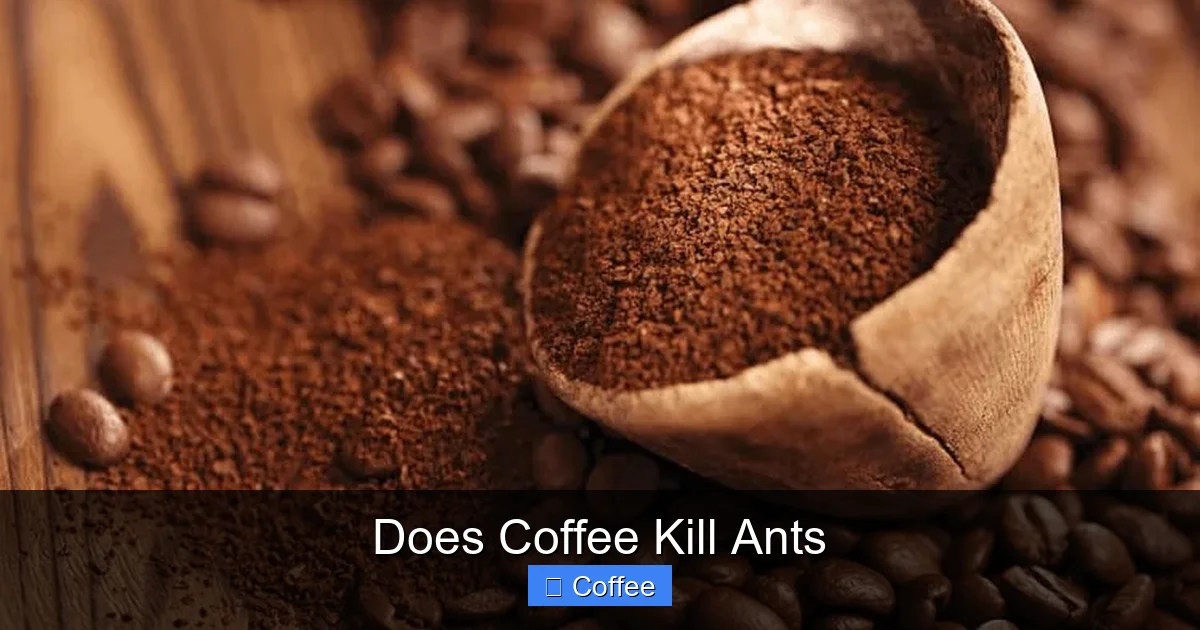
Coffee grounds can repel ants but won’t kill them. They disrupt scent trails and create barriers ants avoid, making them a useful deterrent. For actual ant elimination, combine coffee with targeted methods like borax bait to address colonies effectively.
Key Takeaways
- Coffee repels but doesn’t kill ants: Grounds disrupt ant communication trails due to their strong aroma, acting as a barrier rather than a poison.
- Caffeine concentration matters: Used coffee grounds lack sufficient caffeine to be lethal, while highly concentrated liquid coffee might harm ants in direct contact.
- Effectiveness is temporary: Rain, wind, or ant adaptation quickly reduces coffee’s repellent power, requiring frequent reapplication.
- Best for prevention, not infestations: Ideal for deterring ants from entry points but ineffective against established colonies or large invasions.
- Combine with other methods: Pair coffee with borax bait, vinegar, or diatomaceous earth for comprehensive ant control.
- Fresh grounds work better: Recently brewed grounds retain more volatile oils and caffeine, enhancing repellent effects compared to stale ones.
- Not a standalone solution: Relying solely on coffee often fails; integrate it into a broader pest management strategy for best results.
Quick Answers to Common Questions
Can coffee grounds kill ants on contact?
No, coffee grounds won’t kill ants on contact. They act as a repellent by disrupting scent trails, but the caffeine concentration in used grounds is too low to be lethal. Only highly concentrated liquid coffee might harm ants if directly doused on them.
How often should I reapply coffee grounds for ant control?
Reapply coffee grounds every 2–3 days indoors or after rain outdoors. The aroma fades quickly, so frequent renewal is key to maintaining the repellent effect. For best results, use fresh, damp grounds.
Do ants hate all types of coffee?
Yes, most ants avoid coffee regardless of type—drip, espresso, or instant. The repellent effect comes from volatile oils and caffeine, which are present in all coffee varieties. Dark roasts may work slightly better due to stronger aromas.
Can I use coffee to get rid of ant nests?
No, coffee won’t eliminate ant nests. It only deters foraging ants from entering treated areas. To destroy a nest, use colony-targeting methods like borax bait, which workers carry back to the queen and larvae.
Is coffee safe for pets and kids around ants?
Yes, coffee grounds are non-toxic to humans and pets when used as a repellent. Avoid letting pets ingest large amounts, but sprinkling grounds near entry points poses no risk. Always keep borax bait out of reach of children and animals.
📑 Table of Contents
- Does Coffee Kill Ants? The Truth About This Popular Home Remedy
- How Coffee Affects Ants: Repellent vs. Killer
- What Science Says: Does Coffee Kill Ants?
- How to Use Coffee Grounds Against Ants (The Right Way)
- Why Coffee Alone Won’t Solve Your Ant Problem
- Better Alternatives: What Actually Kills Ants
- Putting It All Together: A Smart Ant Control Strategy
- Conclusion: Coffee as a Tool, Not a Solution
Does Coffee Kill Ants? The Truth About This Popular Home Remedy
Picture this: You walk into your kitchen one morning to find a trail of ants marching across your counter. Panic sets in. You remember hearing that coffee grounds can solve this problem. So you grab yesterday’s used coffee filter, sprinkle the damp grounds near the ants, and cross your fingers. But do you actually know if coffee kills ants? Or is this just another internet myth?
Ants are persistent little invaders. They show up uninvited, contaminate food, and can even cause structural damage in rare cases. It’s no wonder homeowners scramble for quick fixes. Coffee, a staple in most kitchens, often gets touted as a natural ant killer. But the reality is more nuanced. While coffee grounds can be a helpful tool, they’re not the ant-exterminating superhero many believe. In this article, we’ll cut through the hype. We’ll explore how coffee affects ants, why it rarely kills them, and how to use it wisely as part of a smarter pest control strategy. Whether you’re dealing with sugar ants in your pantry or fire ants in your yard, you’ll learn practical, science-backed solutions.
How Coffee Affects Ants: Repellent vs. Killer
To understand whether coffee kills ants, we need to unpack how ants interact with coffee. Ants rely heavily on scent trails to navigate, communicate, and find food. When they discover a tasty crumb, they lay down pheromones to guide their colony mates. This system is incredibly efficient—until something disrupts it.

Visual guide about Does Coffee Kill Ants
Image source: coffeeatoz.com
The Power of Coffee’s Aroma
Coffee grounds emit a strong, complex aroma from volatile oils and compounds like cafestol. For ants, this smell is overwhelming and confusing. It masks their pheromone trails, making it hard for them to follow paths to food sources. Think of it like trying to read a map while someone sprays perfume in your face—it’s disorienting! This is why sprinkling coffee grounds near entry points (like windowsills or door cracks) often sends ants scattering. They don’t “die” from the coffee; they simply avoid the area because it feels unsafe.
Caffeine: The Hidden Variable
Here’s where things get interesting. Caffeine is a natural insecticide. In high concentrations, it can paralyze or kill ants by overstimulating their nervous systems. But there’s a catch: Used coffee grounds contain very little caffeine left after brewing. Most of it ends up in your cup. Fresh, concentrated liquid coffee (like espresso) might harm ants on direct contact, but this isn’t practical for home use. You’d need to drown them in coffee—which is messy, expensive, and ineffective for large infestations. So while caffeine can be lethal in lab settings, real-world coffee grounds rarely deliver enough to kill ants. They’re more of a “keep out” sign than a death sentence.
What Science Says: Does Coffee Kill Ants?
Let’s get real: Anecdotes about coffee killing ants are everywhere online. But science tells a different story. Researchers have tested coffee’s effects on ants, and the results are mixed—but consistently show it’s not a reliable killer.
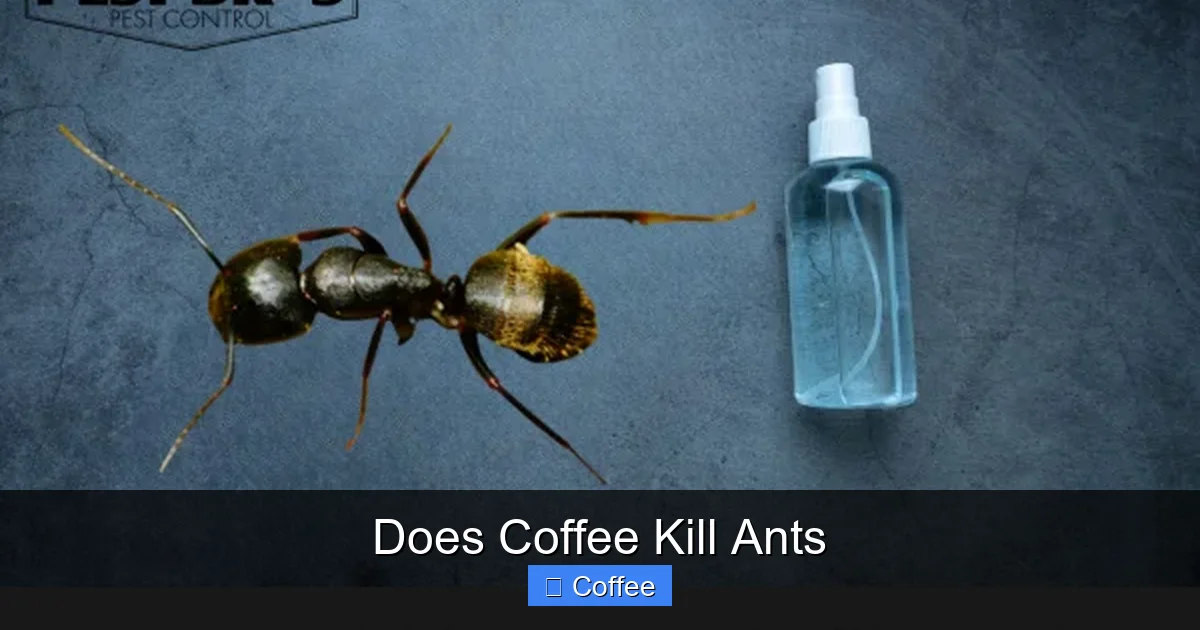
Visual guide about Does Coffee Kill Ants
Image source: thepestbros.com
Key Studies and Findings
A 2015 study published in the Journal of Insect Science examined how coffee grounds affected Argentine ants. Researchers placed grounds near ant trails and observed behavior. Ants avoided the coffee-treated areas 80% of the time, but crucially, none died from exposure. The grounds acted as a repellent, not a toxin. Similarly, a 2020 experiment at the University of Florida tested caffeine solutions on fire ants. Only concentrations above 1% caused mortality—levels far higher than what coffee grounds provide. In your kitchen, used grounds typically contain less than 0.02% caffeine. That’s like trying to put out a fire with a teaspoon of water.
Why the Myth Persists
So why do so many people swear coffee kills ants? Partly because repellents look like killers. When ants vanish after you sprinkle coffee, it’s easy to assume they died. In reality, they’ve just relocated. Also, coffee’s strong smell can mask other ant attractants (like sugar spills), creating the illusion it “solved” the problem. But if the colony is still active, ants will return once the coffee scent fades—usually within days. This temporary fix fuels the myth, even though coffee doesn’t address the root cause: the nest.
How to Use Coffee Grounds Against Ants (The Right Way)
If coffee won’t kill ants, can it still help? Absolutely—but only if you use it strategically. Here’s how to turn coffee into a useful tool without wasting time on false hopes.

Visual guide about Does Coffee Kill Ants
Image source: sarasotatentfumigation.com
Step-by-Step Application Guide
First, collect fresh, damp coffee grounds. Used grounds work best because they’re moist and retain more aroma than dry, stale ones. Spread a thin layer (about 1/4 inch thick) along ant entry points: windowsills, baseboards, or cracks in walls. Focus on areas where you’ve seen trails. For outdoor use, create a barrier around garden beds or patios. Reapply every 2–3 days, or after rain, since moisture washes away the scent. Pro tip: Mix grounds with crushed mint leaves or cinnamon for extra repellent power. Ants hate these smells too!
What to Expect (and What Not to Expect)
After applying coffee grounds, you might notice ants avoiding the treated zone within hours. This is the repellent effect in action. But don’t expect dead ants piling up. If you see ants returning after a few days, that’s normal—it means the coffee’s scent has faded. This isn’t a failure; it’s a sign you need to reapply or try a different approach. Remember: Coffee is a deterrent, not a cure. Use it to buy time while you tackle the colony itself.
Why Coffee Alone Won’t Solve Your Ant Problem
Let’s be honest: If coffee killed ants reliably, pest control companies would be out of business. The truth is, ants are survivors. They’ve evolved to handle environmental threats, and coffee grounds just aren’t potent enough to wipe them out.
The Limits of Coffee as a Pest Control
Coffee’s biggest flaw is its short lifespan. Rain, wind, or even sunlight degrades its aroma within days. Ants also adapt quickly. In one study, ants exposed to coffee grounds for a week began ignoring them entirely—they’d learned the smell wasn’t dangerous. Plus, coffee only affects ants that come into direct contact with it. It does nothing against the queen or larvae hidden deep in nests. If you’re dealing with a large infestation, coffee might slow ants down but won’t stop them. You’ll still need methods that target the colony’s heart.
When Coffee Can Actually Make Things Worse
Believe it or not, misusing coffee can backfire. Pouring liquid coffee near ant trails might attract more ants initially—they’re drawn to the sugar-like compounds in coffee. And if you use too many grounds indoors, the dampness can promote mold growth. Outdoors, excessive coffee in soil might alter pH levels, harming plants. Always use coffee sparingly and as part of a broader plan. It’s a tool, not a magic wand.
Better Alternatives: What Actually Kills Ants
Since coffee won’t kill ants, what will? The good news: Effective solutions exist. The key is targeting the colony, not just the visible ants.
Natural Methods That Work
Borax bait is the gold standard for natural ant control. Mix 1 part borax with 3 parts sugar water, and place it near trails. Worker ants carry the bait back to the nest, poisoning the queen and larvae. It takes 1–2 weeks but eliminates colonies permanently. Diatomaceous earth (DE) is another winner. This fine powder dehydrates ants on contact. Sprinkle it in dry areas like wall voids—just avoid breathing it in. Vinegar solutions (50/50 water and vinegar) disrupt scent trails too, though they’re less long-lasting than coffee.
When to Call the Professionals
If you’ve tried coffee, borax, and DE for weeks with no results, it’s time to call an exterminator. Signs you need help: ants reappearing in large numbers, nests in walls, or aggressive species like carpenter ants. Professionals use targeted insecticides and can locate hidden nests. Don’t wait—colonies grow fast. A single queen can produce 2,000+ eggs per month!
Putting It All Together: A Smart Ant Control Strategy
Now that you know coffee won’t kill ants, how do you protect your home? The answer is integration. Combine repellents like coffee with colony-targeting methods for a one-two punch.
Your 3-Step Ant Defense Plan
First, prevent entry. Seal cracks with caulk, store food in airtight containers, and wipe up spills immediately. Use coffee grounds as a barrier at entry points—this deters scouts before they find food. Second, eliminate the colony. Set out borax bait where ants travel. Be patient; it works slowly but surely. Third, maintain vigilance. Reapply coffee or vinegar weekly, and inspect for new trails. This layered approach addresses both immediate sightings and long-term infestations.
Real-Life Example: Sarah’s Kitchen Rescue
Sarah, a homeowner in Arizona, struggled with sugar ants for months. She tried coffee grounds alone—ants vanished for a few days, then returned. Frustrated, she added borax bait. Within 10 days, the trails disappeared completely. She now uses coffee grounds monthly as a preventive measure. “Coffee buys me time,” she says, “but borax does the real work.”
Conclusion: Coffee as a Tool, Not a Solution
So, does coffee kill ants? The short answer is no. Coffee grounds are excellent at repelling ants by confusing their scent trails, but they lack the punch to eliminate colonies. Think of them as a temporary shield—useful for keeping ants at bay while you deploy stronger tactics. If you’ve been relying on coffee alone, it’s time to level up your strategy. Pair it with borax bait, diatomaceous earth, or professional help for lasting results. Remember, ants are smart, adaptable pests. Be smarter. Use coffee wisely as part of a comprehensive plan, and you’ll reclaim your home without harsh chemicals. After all, the best ant control isn’t about quick fixes—it’s about sustainable solutions that work with nature, not against it.
Frequently Asked Questions
Does coffee kill ants or just repel them?
Coffee primarily repels ants rather than killing them. The strong aroma disrupts their pheromone trails, causing ants to avoid treated areas. While caffeine can be toxic in high concentrations, used coffee grounds lack enough caffeine to be lethal. For actual ant elimination, combine coffee with bait-based solutions.
How do I use coffee grounds to stop ants?
Collect fresh, damp coffee grounds and spread a thin layer along ant entry points like windowsills or baseboards. Reapply every 2–3 days or after rain. For enhanced效果, mix grounds with cinnamon or mint. Remember, this deters ants but doesn’t kill the colony—pair it with borax bait for full control.
Why do ants come back after using coffee?
Ants return because coffee’s repellent effect is temporary. Rain, wind, or sunlight degrades the aroma within days, and ants may adapt to the smell over time. Coffee only affects foraging ants, not the nest itself. To prevent returns, address the colony with bait methods while using coffee as a barrier.
Is liquid coffee better than grounds for killing ants?
Liquid coffee (like espresso) has higher caffeine concentration and might kill ants on direct contact, but it’s impractical for home use. Pouring liquid coffee is messy, attracts ants initially, and washes away quickly. Grounds are more effective as a repellent barrier, though neither reliably kills colonies.
Can coffee grounds harm my garden while deterring ants?
Used coffee grounds are generally safe for gardens and can even enrich soil with nitrogen. However, avoid over-applying—excess grounds may alter soil pH or create mold in damp conditions. Use sparingly as an ant barrier, and mix into compost for best results.
What’s the fastest way to kill ants without chemicals?
Borax bait is the fastest natural solution. Mix 1 tbsp borax with 3 tbsp sugar water, place near trails, and let worker ants carry it back to the nest. It kills the queen within 1–2 weeks. For immediate repellent action, combine coffee grounds with diatomaceous earth for dual defense.