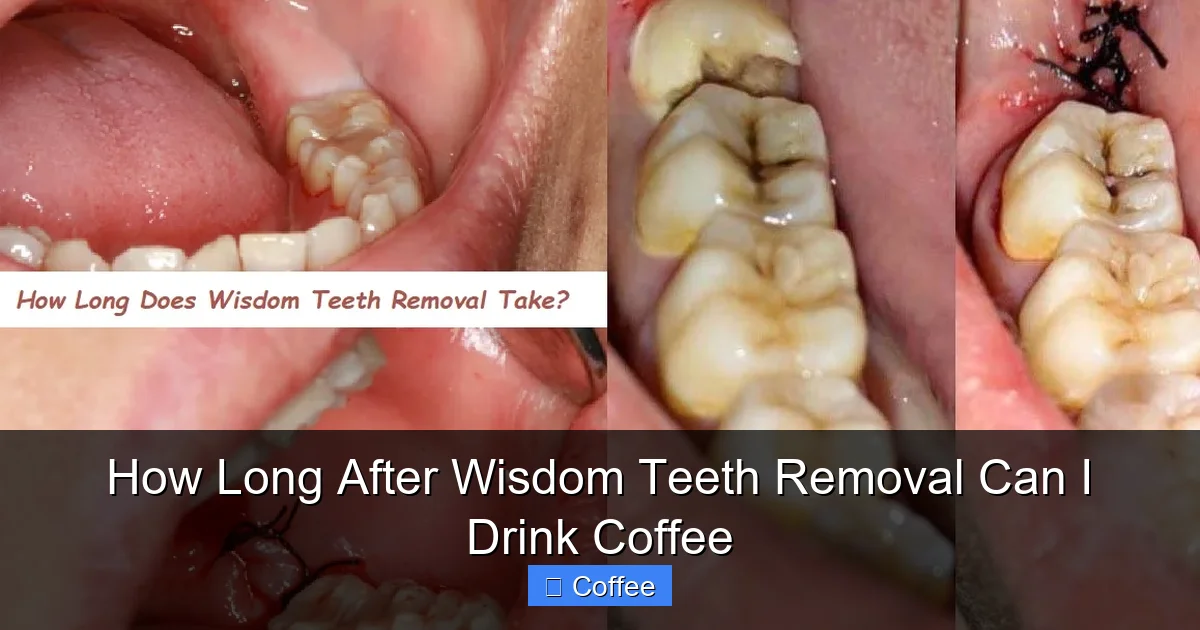
Wait at least 24-48 hours before drinking coffee after wisdom teeth removal to protect your healing sockets and prevent painful dry socket. Always skip straws, avoid hot temperatures, and start with lukewarm, black coffee before adding milk or sugar. Listen to your dentist’s specific advice and prioritize healing over your caffeine fix for the first few days.
Key Takeaways
- Minimum 24-48 Hour Wait: Never drink coffee in the first day or two after surgery. This critical period is when blood clots form and stabilize – coffee can disrupt them.
- Temperature is Crucial: Hot coffee can dissolve clots and cause bleeding. Start with lukewarm or cool coffee only after the initial healing phase.
- Skip the Straw (and Sipping Hard): Suction from straws or forceful sipping can dislodge clots, leading to dry socket. Drink gently from a cup.
- Begin Simple: When you first reintroduce coffee, drink it black and lukewarm. Avoid milk, sugar, or creamers initially as they can irritate sockets or cause infection.
- Caffeine’s Hidden Impact: Caffeine can constrict blood vessels and potentially slow healing. Consider decaf options once you’re cleared for coffee.
- Listen to Your Body & Dentist: If you feel pain, see unusual discharge, or have swelling after drinking coffee, stop immediately and contact your dentist. Your specific healing timeline matters most.
- Patience Pays Off: Rushing coffee can lead to complications requiring extra dental visits. Waiting a few extra days ensures a smoother, faster recovery.
Quick Answers to Common Questions
Can I drink iced coffee right after wisdom teeth removal?
No, absolutely not. While cold temperature is better than hot, iced coffee still poses risks in the first 48 hours. The cold can cause discomfort, and if it contains milk/sugar, it can introduce bacteria or irritants. Stick to cool water and clear broths initially. Wait at least 72 hours before considering *unsweetened, black* iced coffee, and sip gently without a straw.
What if I accidentally used a straw for my coffee?
Stop using the straw immediately. Gently rinse your mouth with cool water or salt water (if cleared by your dentist). Monitor the extraction sites closely for the next 24-48 hours for signs of dry socket (severe throbbing pain, visible empty socket, bad taste). Contact your dentist if you develop significant pain or suspect the clot was dislodged. Accidents happen, but vigilance is key.
Is decaf coffee safer to drink sooner after surgery?
Decaf coffee eliminates the potential issues related to caffeine (like vasoconstriction), making it a *better* option than regular coffee when you are cleared to drink it. However, it still has heat, acidity, and potential for residue. You still need to wait the full 48-72 hours, drink it lukewarm/black initially, and avoid straws. Decaf is safer *once* the initial healing window has passed.
Can I add milk to my coffee after 2 days?
It’s generally best to wait a bit longer. While 48 hours is the minimum wait for coffee itself, adding milk, cream, or sugar introduces extra variables (bacteria, irritation, residue). Wait until you’ve had a couple of successful cups of black, lukewarm coffee (usually around day 3-4) before adding a small amount of milk. Always rinse gently afterwards.
How long should I avoid hot coffee completely?
Avoid *hot* coffee for at least the first 5-7 days after surgery. Stick to lukewarm or cool coffee during this period. Only after you’ve had several days of successful lukewarm coffee consumption without issues (typically around day 5-7) should you *very gradually* start letting your coffee get warmer, but never scalding hot. Warm is perfectly fine long-term.
📑 Table of Contents
- The Great Coffee Dilemma: When Can You Sip Again After Wisdom Teeth Surgery?
- Why Coffee is a No-Go Immediately After Surgery (It’s Not Just the Heat!)
- The Critical First 24-48 Hours: Strict Coffee Abstinence
- Gradual Reintroduction: When and How to Safely Enjoy Coffee Again
- Special Considerations: Your Extraction Type Matters
- Beyond the First Cup: Building Back Your Coffee Habit Safely
- Red Flags: When Coffee Might Be Causing Trouble
- Conclusion: Patience is the Best Brew for Healing
The Great Coffee Dilemma: When Can You Sip Again After Wisdom Teeth Surgery?
Hey there, coffee lover! You’ve just survived wisdom teeth removal. Congratulations! Now, the burning question (pun intended) is probably screaming in your head: “When can I finally have my beloved coffee again?” We get it. That first cup of joe is practically a ritual. But right now, your mouth is healing from a significant procedure. Rushing back to your daily brew too soon isn’t just uncomfortable – it could seriously mess up your recovery and land you back in the dentist’s chair with a painful complication called dry socket.
It’s totally normal to crave that caffeine boost, especially when you’re dealing with post-surgery fatigue. But your healing sockets (those holes where your teeth were) are incredibly vulnerable in the first few days. Think of them like delicate, open wounds that need a stable blood clot to protect the underlying bone and nerves. Anything that disturbs that clot – like heat, suction, or certain chemicals – can cause major problems. Coffee, unfortunately, ticks several of those boxes. So, while we know it’s tough, patience is absolutely key here. Let’s dive into exactly why coffee is tricky right now and, most importantly, when it’s safe to reintroduce your favorite beverage without jeopardizing your healing.
Why Coffee is a No-Go Immediately After Surgery (It’s Not Just the Heat!)

Visual guide about How Long After Wisdom Teeth Removal Can I Drink Coffee
Image source: dentistpeshawar.pk
It’s easy to blame the temperature, but coffee poses multiple threats to your fresh extraction sites in the critical first 48-72 hours. Understanding *why* you need to wait makes it easier to resist that urge.
The Blood Clot: Your Healing Superhero (That Coffee Can Knock Out)
Right after your wisdom teeth are pulled, your body springs into action. Blood fills the socket and forms a protective clot. This clot is like a scab for your mouth – it shields the sensitive bone and nerve endings underneath while new tissue grows. This clot is incredibly fragile for the first few days. Anything that creates suction in your mouth (like using a straw or sipping forcefully) or introduces extreme heat can literally suck or dissolve this vital clot. If the clot gets dislodged, you’re at high risk for **dry socket** (alveolar osteitis). This isn’t just a little soreness; it’s severe, throbbing pain that can radiate to your ear or temple, often starting 2-5 days after surgery. It happens because the bone and nerves are exposed. Dry socket is painful, delays healing significantly, and requires your dentist to clean the socket and place a medicated dressing – definitely not how you want to spend your recovery time! Coffee, especially hot coffee sipped quickly, is a prime candidate for causing this disaster.
Heat: The Clot’s Worst Enemy
Hot liquids are a major no-no immediately after surgery. Why? Heat increases blood flow to the area. While good blood flow is essential for healing *later*, right now, it can cause the delicate clot to break down or lead to excessive bleeding. Imagine pouring hot water on a scab – it softens and breaks it apart. The same principle applies to your socket clot. Hot coffee can literally melt the clot’s structure, leaving the socket unprotected. Even lukewarm coffee too soon can be problematic if the clot isn’t fully stabilized. Your dentist will almost certainly tell you to stick to cool or cold foods and drinks for the first 24-48 hours. This isn’t just about comfort; it’s about protecting that crucial clot.
Caffeine and Acidity: The Sneaky Saboteurs
Beyond heat and suction, coffee has two other properties that aren’t ideal for fresh sockets:
* **Caffeine:** This stimulant can cause blood vessels to constrict (vasoconstriction). While this might seem minor, reduced blood flow to the healing area can potentially slow down the delivery of oxygen and nutrients needed for tissue repair. Some studies also suggest caffeine might interfere with certain pain medications or increase anxiety, which isn’t helpful when you’re already recovering.
* **Acidity:** Coffee is naturally acidic. Introducing an acidic substance directly into a healing wound can cause irritation, stinging, and discomfort. It might also create an environment less conducive to optimal healing compared to neutral pH fluids like water or saline rinses. While not as immediately dangerous as dislodging the clot, acidity can definitely make your sockets feel more sensitive and sore.
The Critical First 24-48 Hours: Strict Coffee Abstinence

Visual guide about How Long After Wisdom Teeth Removal Can I Drink Coffee
Image source: expertdental.in
This is non-negotiable. **Do not drink coffee during the first 24 to 48 hours after your wisdom teeth removal.** This initial period is the most fragile for clot formation and stabilization. Your focus during these first two days should be entirely on protecting those sockets.
What to Drink Instead (The Healing Hydration Plan)
Your primary beverages for the first 48 hours should be:
* **Cool Water:** Sip gently. Stay hydrated, but avoid swishing vigorously.
* **Cold Broth or Soup (Sipped, Not Blended):** Lukewarm is okay after the very first 24 hours, but avoid hot. Bone broth offers great nutrients.
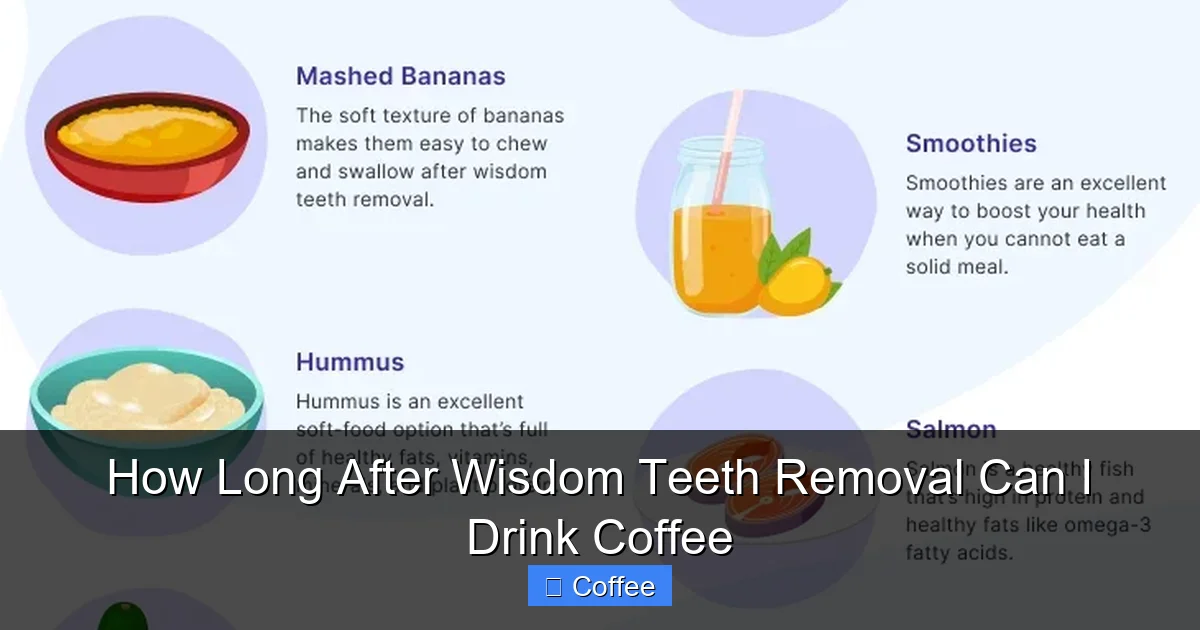
* **Milkshakes or Smoothies (NO STRAWS!):** Blend soft fruits with yogurt or milk. Drink slowly from a cup. Avoid seeds (berries) or chunks.
* **Salt Water Rinses (After 24 Hours):** Gently swish with warm (not hot!) salt water (1/2 tsp salt in 8oz water) after meals and before bed to keep the area clean. *Do not spit forcefully; let it dribble out.*
Why This Timeframe is Sacred
During the first 24 hours, the initial clot is forming but is extremely unstable. By 48 hours, the clot should be more established, though still vulnerable. Rushing coffee in this window dramatically increases your dry socket risk. Think of it like building a sandcastle right at the water’s edge – the first waves (coffee) will wash it away before it’s solid. Your dentist’s instructions will almost always emphasize this strict no-coffee rule for the initial recovery phase. Ignoring this is the single biggest mistake people make that leads to complications. Seriously, find a temporary substitute like chicory root “coffee” (check with your dentist first) or just embrace the water for a couple of days. Your future self will thank you.
Gradual Reintroduction: When and How to Safely Enjoy Coffee Again
Visual guide about How Long After Wisdom Teeth Removal Can I Drink Coffee
Image source: i.pinimg.com
Okay, you’ve made it past the critical 48-hour mark. The acute pain might be subsiding, and you’re probably feeling a bit more human. Now, the question is: *How* do you bring coffee back into your life without causing trouble? It’s not just about *when*, but *how* you drink it.
The Minimum Wait: 24-48 Hours is the Absolute Start
While 48 hours is a common benchmark, **always prioritize your dentist’s specific advice.** Some dentists might say 72 hours, especially for complex surgical extractions (like impacted teeth). Factors like how many teeth were removed, your age, smoking status, and overall healing progress influence the timeline. If your dentist gave you a specific timeframe, follow that over general online advice. If they didn’t specify, erring on the side of caution and waiting a full 72 hours is wise, particularly if you had significant bone removal.
Your First Coffee: The Gentle Approach
When you *do* decide to have that first post-surgery coffee, treat it like a delicate reintroduction:
1. **Temperature is EVERYTHING:** This cannot be stressed enough. **Your first coffee MUST be lukewarm or cool, never hot.** Let it sit for a while after brewing, or even try cold brew (see below). Test it on the inside of your wrist first – it should feel neutral, not warm.
2. **Go Black (At First):** Skip the milk, cream, sugar, or sweeteners for your very first cup. These additives can:
* Coat the socket and trap bacteria, increasing infection risk.
* Cause irritation or stinging in the sensitive area.
* Make it harder to see if there’s any bleeding or discharge.
* Start simple: just coffee and water.
3. **Sip Gently, No Straws, No Force:** Drink slowly and calmly from a regular cup. Avoid using a straw *at all costs* – the suction is a dry socket guarantee. Don’t slurp or sip forcefully. Let the liquid flow gently into your mouth.
4. **Small Amounts:** Have just a small cup (4-6 oz) for your first attempt. See how your mouth reacts over the next hour or two before considering a second cup.
5. **Rinse Afterwards:** Gently rinse your mouth with cool water or a salt water rinse (if cleared by your dentist) after drinking to remove any coffee residue from the socket area.
Cold Brew: A Potentially Safer Option?
Cold brew coffee, made by steeping grounds in cold water for 12-24 hours, has gained popularity for a reason post-surgery:
* **Naturally Less Acidic:** The cold brewing process extracts fewer acidic compounds than hot brewing, making it potentially gentler on sensitive sockets.
* **Served Cold:** It’s inherently cool, eliminating the heat risk entirely.
* **Smoother Taste:** Many find it less harsh, which is good when your mouth is tender.
If you’re eager to try coffee around the 48-72 hour mark, a small cup of *unsweetened, black cold brew* might be a slightly safer starting point than hot coffee. However, **still avoid straws and sip gently.** Don’t assume cold brew is “risk-free” – the caffeine and potential for residue still exist, so proceed cautiously.
Special Considerations: Your Extraction Type Matters
Not all wisdom teeth removals are created equal. The complexity of your surgery significantly impacts your safe coffee timeline.
Simple Extraction vs. Surgical Extraction: A Big Difference
* **Simple Extraction:** If your wisdom teeth were fully erupted (visible above the gum line) and easily accessible, the procedure might have been relatively straightforward, like pulling a regular tooth. Healing might be faster. You *might* be able to cautiously try lukewarm coffee closer to the 48-hour mark, but **still strictly avoid heat, straws, and additives initially.**
* **Surgical Extraction (Impacted Teeth):** This is the most common scenario for wisdom teeth. It involves cutting gum tissue, possibly removing bone, and sectioning the tooth. This is major surgery with larger wounds, more trauma to the area, and a significantly higher risk of complications like dry socket. **For surgical extractions, waiting a full 72 hours (3 days) before even *thinking* about coffee is strongly recommended.** Some dentists advise waiting up to 5-7 days, especially if the surgery was complex or you have risk factors (like smoking). Rushing coffee after surgical extraction is playing with fire.
Other Risk Factors That Might Delay Your Coffee Return
Even if your extraction was straightforward, certain factors mean you should be extra cautious and potentially wait longer:
* **Smoking/Vaping:** This is a HUGE dry socket risk factor due to suction and chemicals. If you smoke, you absolutely must wait *at least* 72 hours, and ideally longer (5-7 days), before coffee. Quitting smoking entirely during recovery is best.
* **Oral Contraceptives:** Some studies suggest a slightly higher dry socket risk for women on certain birth control pills. Be extra vigilant.
* **Poor Oral Hygiene:** If you struggle to keep the area clean, adding coffee (with its potential for residue) too soon increases infection risk.
* **History of Dry Socket:** If you’ve had dry socket before, you’re at much higher risk again. Be extremely conservative – wait 5-7 days minimum.
* **Signs of Infection:** If you have increasing pain, swelling, fever, or pus *before* you try coffee, contact your dentist immediately. Don’t introduce coffee until the infection is resolved.
Beyond the First Cup: Building Back Your Coffee Habit Safely
You’ve successfully had that first cautious cup of lukewarm black coffee. Great! Now, how do you gradually get back to your normal coffee routine without setbacks?
Adding Back Milk, Cream, and Sweeteners
* **Wait Another Day or Two:** Don’t add dairy or sugar to your second cup. Wait at least 24-48 hours after your first successful coffee sip before introducing additives.
* **Start Small:** Add just a splash of milk or a tiny bit of sugar initially. See how your sockets react.
* **Choose Wisely:** Opt for plain milk or a neutral creamer. Avoid heavily sweetened creamers, flavored syrups, or acidic additions like citrus initially. If using plant-based milks, choose unsweetened varieties (almond, oat).
* **Rinse Afterwards:** Always rinse gently with water after drinking coffee with additives to clear residue.
Gradually Increasing Temperature (Carefully!)
* **Lukewarm is King for Several Days:** Stick to lukewarm coffee for at least the first 3-5 days after reintroduction.
* **Slowly Introduce Warmth:** Only after you’ve had several successful cups of lukewarm coffee without issues (usually around day 5-7 post-op), you can *very gradually* start letting your coffee get a bit warmer. Test it frequently.
* **Never Go Back to “Piping Hot”:** Even after full healing, avoid scalding hot coffee as it’s generally not great for oral health and can irritate sensitive areas. Warm is perfectly fine.
Managing Caffeine Intake During Healing
* **Consider Decaf:** Once you’re cleared for coffee (after 48-72 hours), decaffeinated coffee is a fantastic option. It provides the familiar taste and ritual without the potential vasoconstrictive effects of caffeine, which might subtly support better blood flow for healing. Many find it just as satisfying, especially when you’re not feeling 100%.
* **Limit Quantity:** Don’t jump straight back to multiple large cups. Stick to 1-2 moderate cups per day initially.
* **Hydrate with Water:** Balance your coffee intake with plenty of water throughout the day. Dehydration can slow healing.
Red Flags: When Coffee Might Be Causing Trouble
Even if you follow the timeline, it’s crucial to know the warning signs that coffee (or something else) is interfering with your healing. Stop drinking coffee immediately and contact your dentist if you experience:
Pain That Worsens After Drinking Coffee
Some initial soreness is normal, but if you have a significant *increase* in throbbing pain, especially deep pain radiating to your ear or temple, within a few hours of drinking coffee, it could indicate irritation or the early stages of dry socket. Don’t ignore this.
Visible Changes in the Socket
Take a peek (gently!) in the mirror. If you see:
* The blood clot looks missing, dislodged, or has a greyish, empty appearance (classic dry socket sign).
* Pus or unusual discharge coming from the socket.
* Significant, fresh bleeding that doesn’t stop with gentle pressure.
These are red flags requiring dental attention.
Increased Swelling or Fever
While some swelling peaks around day 2-3, it should gradually improve. If swelling suddenly gets worse *after* you start drinking coffee, or if you develop a fever, it could signal an infection potentially aggravated by the coffee or its additives.
Persistent Bad Taste or Odor
A foul taste or bad breath that doesn’t improve with salt water rinses could indicate food debris trapped in the socket (which coffee residue might contribute to) or an infection.
Conclusion: Patience is the Best Brew for Healing
So, how long after wisdom teeth removal can you drink coffee? The clear, evidence-based answer is: **Wait a minimum of 24-48 hours, but ideally 72 hours (3 days), especially after surgical extraction, and always follow your dentist’s specific instructions.** Rushing this process is simply not worth the risk of dry socket, infection, or delayed healing. That first cup back is going to taste amazing, but only if you’ve given your mouth the time it needs to heal properly.
Remember the golden rules: **Lukewarm or cool only. Black coffee first. No straws, ever. Sip gently.** Start small, listen to your body, and don’t hesitate to choose decaf as a safer alternative during the initial healing phase. Your coffee habit is important, but your oral health and a smooth recovery are paramount. By being patient and cautious for those first critical days, you’ll be savoring your favorite brew without complications much sooner than if you rushed it and ended up with a painful setback. Your future caffeinated self will be incredibly grateful you played it safe! Now, go enjoy that well-earned cup – responsibly.
Frequently Asked Questions
Can I drink coffee the day after wisdom teeth removal?
No, drinking coffee the day after surgery is strongly discouraged. The first 24-48 hours are critical for blood clot formation and stabilization. Coffee, especially hot coffee, can dissolve the clot, cause bleeding, and significantly increase your risk of developing a painful dry socket. Stick to cool water, broth, and other dentist-approved cool/cold liquids during this initial period.
Why can’t I use a straw for coffee after wisdom teeth removal?
Using a straw creates suction in your mouth. This suction force can literally pull the fragile blood clot out of the extraction socket. Without this protective clot, the underlying bone and nerves are exposed, leading to dry socket – a very painful condition that delays healing and requires dental treatment. Avoid straws for *all* drinks for at least the first week.
Is cold brew coffee okay sooner than hot coffee?
Cold brew *might* be a slightly safer option to try first due to its lower acidity and cool temperature, but it’s not risk-free. You still need to wait the full 48-72 hours minimum. When you do try it, ensure it’s unsweetened, black, and sipped gently from a cup (no straw). It eliminates the heat risk but still contains caffeine and can leave residue, so proceed with the same caution as lukewarm coffee.
Can I drink coffee if I had a simple extraction (not surgical)?
Even with a simple extraction, you should still wait at least 48 hours before drinking coffee. While the healing might be slightly faster than surgical extraction, the risk of dislodging the blood clot with heat, suction, or additives remains significant in the first couple of days. Always prioritize your dentist’s specific advice, but erring on the side of caution (waiting 48-72 hours) is wise for any extraction.
What should I do if my socket hurts after drinking coffee?
If you experience increased pain in the extraction site after drinking coffee, stop consuming it immediately. Gently rinse your mouth with cool water or a salt water rinse (1/2 tsp salt in 8oz warm water). Monitor the area closely. If the pain is severe, throbbing, radiates to your ear, or is accompanied by visible changes in the socket (like an empty appearance or pus), contact your dentist right away as it could indicate dry socket or infection.
How long until I can drink coffee normally after wisdom teeth removal?
Most people can return to drinking coffee “normally” (including warmer temperatures and additives) within 7-10 days after surgery, provided healing is progressing well without complications. However, “normally” still means avoiding scalding hot temperatures and never using straws. Always listen to your body and your dentist. If you had a complex surgical extraction or develop any issues, it may take 2 weeks or longer to feel completely comfortable with your regular coffee routine.