
Stop guessing bean cook times! This guide reveals precise Ninja Pressure Cooker settings for every bean type—no soaking required. Get tender, flavorful beans in 20-45 minutes, not hours. Plus, essential tips to avoid mushy or hard beans every time.
Key Takeaways
- No soaking needed: Cook dried beans directly in your Ninja Pressure Cooker—save 8+ hours of prep time.
- Bean type matters: Cooking times range from 20 minutes (black beans) to 45 minutes (kidney beans) on high pressure.
- Natural release is crucial: Let pressure drop naturally for 10-20 minutes to prevent split beans and ensure even cooking.
- Liquid ratio is key: Always use 1 cup liquid per 1 cup dried beans (water or broth) for perfect texture.
- Old beans need more time: Beans stored over a year may require 5-10 extra minutes of cooking.
- Flavor after cooking: Add salt, acid, or herbs only after pressure release to avoid tough beans.
- Safety first: Never force the lid open—wait for the float valve to drop completely.
📑 Table of Contents
- Why Your Ninja Pressure Cooker is the Ultimate Bean Hero
- Why Skip the Soak? The Ninja Pressure Cooker Advantage
- Prep Like a Pro: The 5-Minute Bean Setup
- Cook Times Demystified: Your Bean-by-Bean Cheat Sheet
- The Pressure Release Secret: Why Timing is Everything
- Troubleshooting Like a Ninja: Fix Common Bean Blunders
- Pro Tips to Elevate Your Bean Game
- Conclusion: Beans So Easy, You’ll Cook Them Weekly
Why Your Ninja Pressure Cooker is the Ultimate Bean Hero
Hey there! Let’s talk beans. You know the drill: soak them overnight, simmer for hours, cross your fingers they’re tender. Sound familiar? Ugh. But what if I told you your Ninja Pressure Cooker could slash that time to minutes—with zero soaking? That’s right. No more planning dinner 12 hours in advance. No more wasted energy. Just dump, press, and walk away while your kitchen fills with that cozy, earthy aroma.
Beans are nutritional powerhouses—packed with protein, fiber, and vitamins. But let’s be real: traditional cooking is a chore. That’s where your Ninja Pressure Cooker shines. It uses steam pressure to break down tough bean skins fast, locking in flavor and nutrients. And the best part? You get consistent, restaurant-quality results every single time. Whether you’re making chili, hummus, or a simple side, this guide will turn you into a bean-cooking ninja. (Pun totally intended!)
Why Skip the Soak? The Ninja Pressure Cooker Advantage
Remember those sad, split beans from rushed cooking? Or the ones that stayed stubbornly hard after hours on the stove? Pressure cooking solves both. Here’s why your Ninja is perfect for beans:
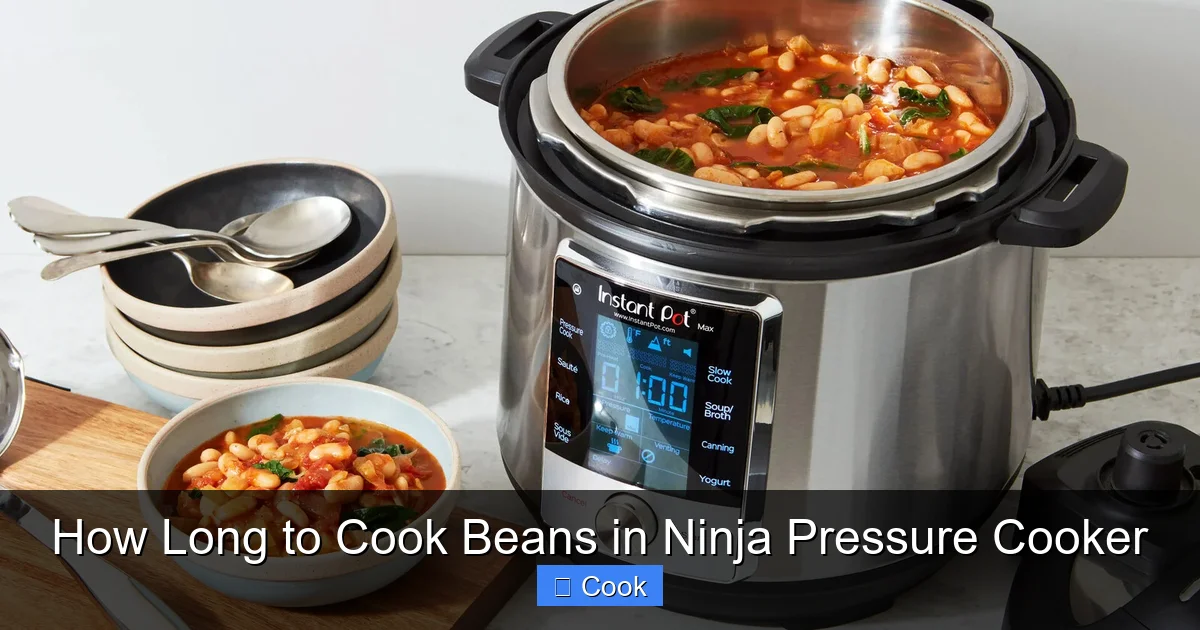
Visual guide about How Long to Cook Beans in Ninja Pressure Cooker
Image source: storables.com
Science Made Simple: How Pressure Cooking Transforms Beans
Beans have tough outer skins and dense interiors. Boiling alone takes forever because heat penetrates slowly. But pressure cooking? It cranks up the heat (to 250°F/121°C!) and traps steam, forcing liquid deep into the beans. This breaks down pectin and cellulose fast—without overcooking. The result? Creamy interiors and intact skins in record time.
Time Savings You’ll Actually Notice
Let’s compare:
- Traditional method: 8+ hours soaking + 1.5-2 hours simmering = 10+ hours total
- Ninja Pressure Cooker: 0 soaking + 20-45 minutes cooking + 10-20 minutes natural release = Under 1 hour total
That’s nine hours saved. Imagine making last-minute taco Tuesday beans or whipping up emergency soup on a busy weeknight. Game. Changer.
No More “Bean Roulette”
Stovetop beans are unpredictable. Too much water? Mushy mess. Too little? Burnt bottom. Your Ninja’s sealed environment prevents evaporation, so liquid ratios are foolproof. Plus, the “Keep Warm” function holds beans perfectly if you get distracted. Say goodbye to guesswork!
Prep Like a Pro: The 5-Minute Bean Setup
Great beans start with smart prep. Don’t skip these steps—they take less time than scrolling Instagram!
Visual guide about How Long to Cook Beans in Ninja Pressure Cooker
Image source: i.ytimg.com
Rinse & Sort: Non-Negotiable First Steps
Always rinse dried beans in a colander under cold water. Why? To remove dust, debris, and those tiny pebbles that somehow make it into the bag. Spread beans on a towel and pick out any discolored or shriveled ones. A single bad bean can ruin a whole batch!
Liquid Ratios: The Golden Rule
Here’s the magic formula: 1 cup liquid per 1 cup dried beans. Use water, broth, or even coconut milk for extra flavor. Why this ratio? Too little liquid = burnt beans. Too much = watery, bland results. Pro tip: Add 1 tsp salt after cooking (salt too early can toughen beans).
Optional But Awesome: Flavor Boosters
While beans cook, infuse your liquid with:
- A bay leaf or two
- 1-2 garlic cloves (smashed)
- A strip of kombu (seaweed—reduces gas and adds minerals!)
- 1 tbsp tomato paste (for depth)
Crucial: Avoid acidic ingredients (vinegar, tomatoes) or dairy until after pressure release. They can prevent beans from softening properly.
Cook Times Demystified: Your Bean-by-Bean Cheat Sheet
Not all beans are created equal. Here’s your exact timing guide for common varieties. All times are for HIGH pressure + natural release (NR).

Visual guide about How Long to Cook Beans in Ninja Pressure Cooker
Image source: homechefninja.com
Quick-Cooking Beans (20-30 Minutes)
- Black beans: 25 mins high pressure + 10 min NR. Perfect for tacos or black bean soup.
- Pinto beans: 28 mins high pressure + 10 min NR. Ideal for refried beans or chili.
- Black-eyed peas: 22 mins high pressure + 10 min NR. Great in salads or Hoppin’ John.
Medium-Cooking Beans (30-40 Minutes)
- Cannellini beans: 32 mins high pressure + 15 min NR. Creamy in pasta dishes or minestrone.
- Great Northern beans: 30 mins high pressure + 15 min NR. Versatile for soups or baked beans.
- Garbanzo beans (chickpeas): 35 mins high pressure + 15 min NR. Essential for hummus or curries.
Long-Cooking Beans (40-45 Minutes)
- Kidney beans: 45 mins high pressure + 20 min NR. Classic in chili—never skip NR or they’ll split!
- Lima beans: 40 mins high pressure + 15 min NR. Buttery in succotash or stews.
Pro Adjustments for Perfection
- Older beans? Add 5-10 mins cooking time. Test by biting one—if it’s still firm, cook 5 mins more.
- Soaked beans? Reduce time by 30% (e.g., soaked kidney beans: 30 mins + 15 min NR).
- Half-full pot? Don’t reduce liquid—always use the 1:1 ratio. Beans expand!
The Pressure Release Secret: Why Timing is Everything
This is where most people mess up. Rushing the release = exploded beans. Here’s how to do it right:
Natural Release (NR) vs. Quick Release (QR): Know the Difference
- Natural Release (NR): Let pressure drop on its own (10-20 mins). Use for ALL beans. Why? Beans are fragile under pressure. Sudden steam release makes them burst.
- Quick Release (QR): Manually vent steam immediately. Never use for beans! Save QR for veggies or grains.
Step-by-Step Release Guide
- Cook time ends → Switch to “Keep Warm” or turn off.
- Wait for float valve to drop (takes 10-20 mins).
- Only then carefully twist the vent knob to “Seal” → “Vent.”
- Remove lid away from you (steam is HOT).
Troubleshooting Release Issues
- Float valve won’t drop? Check for food clogging the vent. Clean the seal and vent pipe.
- Beans still hard after NR? Return to “Pressure Cook,” seal lid, cook 5 more mins + 10 min NR.
- Liquid too thin? Simmer on “Sauté” mode 5-10 mins to thicken.
Troubleshooting Like a Ninja: Fix Common Bean Blunders
Even pros have off days. Here’s how to rescue your beans:
Problem: Beans Are Still Hard
- Cause: Old beans, insufficient liquid, or rushed release.
- Fix: Return to pressure cook for 5-10 more mins + 10 min NR. Always use fresh beans (check “best by” date).
Problem: Beans Are Mushy or Split
- Cause: Overcooking, too much liquid, or quick release.
- Fix: Next time, reduce cook time by 5 mins and always use natural release. For split beans, blend into soup or hummus.
Problem: Beans Taste Bland
- Cause: Salt added too early or no flavor boosters.
- Fix: Stir in salt, herbs, or a splash of vinegar after cooking. Try smoked paprika or cumin for depth.
Problem: Foam Overflow During Cooking
- Cause: Beans naturally create foam, which can clog vents.
- Fix: Add 1 tsp oil to liquid OR use the “Steam” function with a trivet (less common but effective).
Pro Tips to Elevate Your Bean Game
Ready to go from good to gourmet? These tricks make beans irresistible:
Flavor Layering 101
- After cooking: Stir in lemon juice, olive oil, or fresh herbs (parsley, cilantro).
- For richness: Mash 1/4 of the beans and stir back in (creamy texture without dairy).
- Umami boost: Add 1 tbsp miso paste or nutritional yeast.
Storage & Reheating Like a Boss
- Fridge: Store in cooking liquid for up to 5 days. Liquid keeps them moist!
- Freezer: Portion in ice cube trays, then transfer to bags (up to 3 months). Thaw in fridge.
- Reheating: Simmer in a pot with a splash of water or microwave with 2 tbsp liquid.
Creative Uses Beyond the Basics
- Blend cooked white beans into “ricotta” for lasagna.
- Mix black beans with corn and avocado for quick tacos.
- Use chickpea cooking liquid (“aquafaba”) to whip meringues!
Conclusion: Beans So Easy, You’ll Cook Them Weekly
Let’s recap: Your Ninja Pressure Cooker transforms dried beans into tender, flavorful perfection in under an hour—no soaking, no babysitting. Whether you’re a busy parent, a meal-prep pro, or just tired of bean fails, this method is your new secret weapon. Remember: 1 cup liquid per 1 cup beans, natural release is non-negotiable, and flavor comes after cooking.
Beans are cheap, healthy, and endlessly versatile. With these times and tips, you’ll never buy canned again (unless you’re in a pinch!). So grab that bag of dried beans, fire up your Ninja, and get ready to taste the difference. Your future self—and your taste buds—will thank you. Now go cook some beans like the ninja you are!
Frequently Asked Questions
Can I cook dried beans in a Ninja Pressure Cooker without soaking?
Absolutely! One of the biggest perks of pressure cooking is skipping the soak. Just rinse, add liquid, and cook. This saves 8+ hours of prep time. Always use the 1:1 liquid-to-bean ratio for best results.
Why are my beans still hard after cooking?
Hard beans usually mean they’re old (over a year stored) or undercooked. Add 5-10 more minutes of pressure cooking + 10 min natural release. Always check “best by” dates—fresh beans cook faster!
How much liquid should I use for beans in the Ninja?
Stick to 1 cup liquid (water or broth) per 1 cup dried beans. Too little risks burning; too much makes beans watery. Never fill past the 2/3 max fill line—beans expand!
Can I add salt or acid while cooking beans?
Add salt AFTER pressure release—it can toughen beans if added early. Avoid acidic ingredients (tomatoes, vinegar) until cooking is done, as they prevent softening.
How long do cooked beans last in the fridge?
Store beans in their cooking liquid for up to 5 days. The liquid keeps them moist and flavorful. For longer storage, freeze portions for up to 3 months.
Why do my beans split or get mushy?
Splitting happens from quick release or overcooking. Always use natural release (10-20 mins). Mushy beans mean too much liquid or excessive cook time—reduce both next time.