
Master oven-baked salmon at 375°F with our precise timing guide! Most fillets cook in 12-15 minutes, but thickness is key—always check for 145°F internal temperature. Resting for 5 minutes ensures succulent, restaurant-quality results every single time.
Key Takeaways
- Thickness dictates timing: A 1-inch salmon fillet typically cooks in 12-15 minutes at 375°F, while thicker cuts need 18-22 minutes.
- Internal temperature is non-negotiable: Always verify doneness with a meat thermometer at 145°F for safe, perfect salmon.
- Resting is essential: Let salmon rest 5 minutes after baking—it continues cooking and locks in juices.
- Preheat your oven: Skipping this step causes uneven cooking and inaccurate timing.
- Skin-on vs. skin-off matters: Skin-on fillets cook slightly faster and stay moister; skin-off needs extra oil or butter.
- Frozen salmon requires adjustment: Add 5-7 minutes to cooking time and pat dry thoroughly before baking.
Quick Answers to Common Questions
How long to cook salmon in oven 375 for a 1-inch fillet?
Bake a 1-inch salmon fillet at 375°F for 12-15 minutes. Always verify with a meat thermometer—it should reach 145°F internally.
Can I cook salmon from frozen at 375°F?
Yes! Add 5-7 minutes to standard timing. Pat frozen salmon dry, cover loosely with foil for the first 10 minutes, then bake uncovered until 145°F.
Why does my salmon stick to the pan?
This usually happens if the pan isn’t lined with parchment/foil or if salmon isn’t patted dry. Skin-on salmon also sticks if the skin isn’t crisped properly—let it rest 2 minutes before removing.
How do I know salmon is done without a thermometer?
Check for opaque pink color throughout and easy flaking with a fork. Gently press the center—it should feel slightly springy with a shallow indentation.
Should I cover salmon with foil when baking?
Only cover for the first 10 minutes if using frozen salmon or very thick cuts. Otherwise, bake uncovered to allow skin to crisp and moisture to evaporate.
📑 Table of Contents
The Ultimate Guide to Perfect Oven-Baked Salmon at 375°F
Ever pulled salmon from the oven only to find it dry as sawdust or suspiciously raw in the middle? You’re not alone. Salmon is notoriously tricky—it goes from perfect to overcooked in seconds. But here’s the good news: baking it at 375°F is one of the easiest ways to nail it consistently. No fancy equipment, no constant monitoring. Just set it, forget it (well, almost), and enjoy restaurant-quality fish at home. In this guide, we’ll crack the code on how long to cook salmon in oven 375—so you never gamble with your dinner again.
Why 375°F? It’s the Goldilocks zone for salmon. Lower temperatures (like 350°F) risk undercooking, while higher heat (400°F+) can scorch the delicate flesh before the center cooks through. At 375°F, the salmon renders its natural fats gently, creating that signature crispy skin (if you leave it on) and locking in moisture. Plus, it’s fast—most fillets cook in under 20 minutes. Whether you’re a weeknight warrior or hosting a dinner party, this method delivers foolproof results. Let’s dive into the details.
Why 375°F Is the Sweet Spot for Salmon
You might wonder: Why not just crank up the heat for faster cooking? Great question! Salmon’s high fat content makes it uniquely sensitive to temperature. Too hot, and the exterior overcooks while the center stays raw. Too cool, and it steams instead of baking, losing that beautiful caramelized texture. At 375°F, you get the best of both worlds:
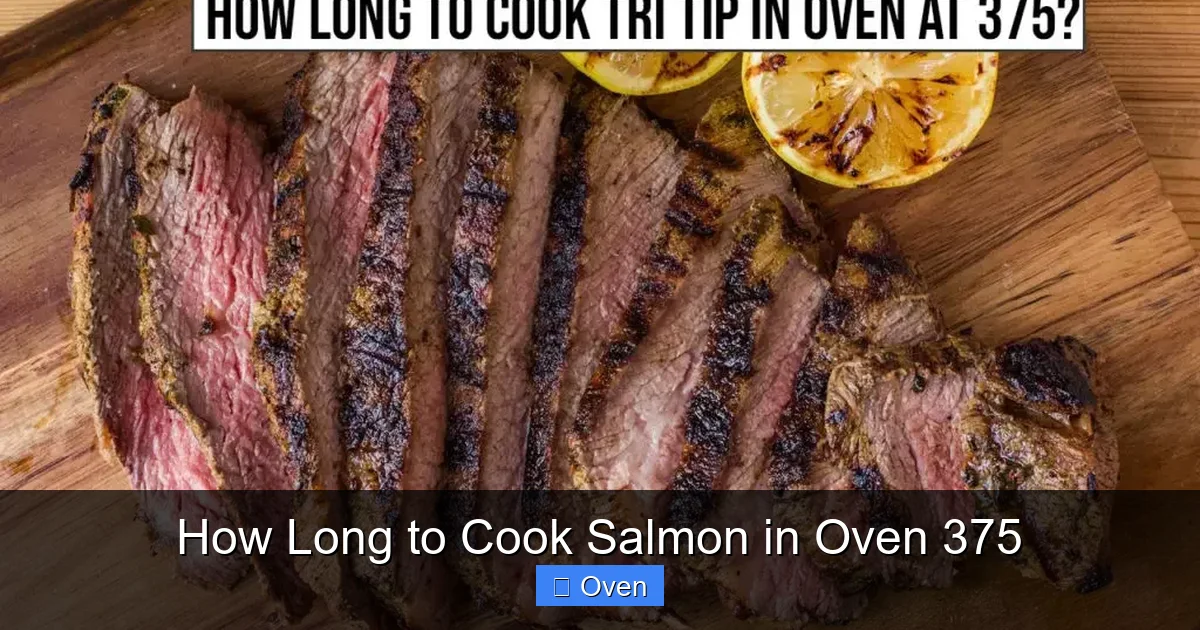
Visual guide about How Long to Cook Salmon in Oven 375
Image source: acadiahouseprovisions.com
- Even heat distribution: The moderate temperature allows heat to penetrate the fish gradually, cooking it uniformly from edge to center.
- Fat rendering: Salmon’s natural oils melt slowly, basting the fish from within and preventing dryness.
- Maillard reaction magic: That golden-brown sear on the skin or surface? It happens perfectly at 375°F without burning.
Science backs this up. The USDA recommends cooking fish to 145°F internally—a temperature easily achieved at 375°F without drying out the protein. Compare this to pan-searing (which requires constant attention) or grilling (where flare-ups are common), and oven-baking at 375°F is a stress-free winner. Plus, it’s versatile: you can roast veggies on the same tray, making it a one-pan meal superstar.
The Role of Salmon Thickness in Cooking Time
Here’s the golden rule: Thickness is everything when determining how long to cook salmon in oven 375. A thin ¾-inch fillet cooks in 10-12 minutes, while a thick 2-inch steak might need 20+ minutes. Why? Heat travels slowly through dense protein. If you ignore thickness, you’ll either undercook thick cuts or turn thin ones into jerky.
Let’s break it down with real examples:
- Thin fillets (¾ inch or less): Think wild-caught sockeye or pre-portioned grocery store packs. These cook in 10-12 minutes. Perfect for quick dinners!
- Standard fillets (1 inch): Most farmed Atlantic salmon falls here. Aim for 12-15 minutes.
- Thick cuts (1.5-2 inches): Often sold as “salmon steaks” or center-cut fillets. These need 18-22 minutes.
Pro tip: Measure your salmon at its thickest point with a ruler. If you’re unsure, err on the side of slightly undercooking—you can always pop it back in for 2 more minutes. Overcooking is forever.
Step-by-Step: How to Cook Salmon at 375°F
Ready to bake like a pro? Follow this simple method for flawless salmon every time. No guesswork, no stress.
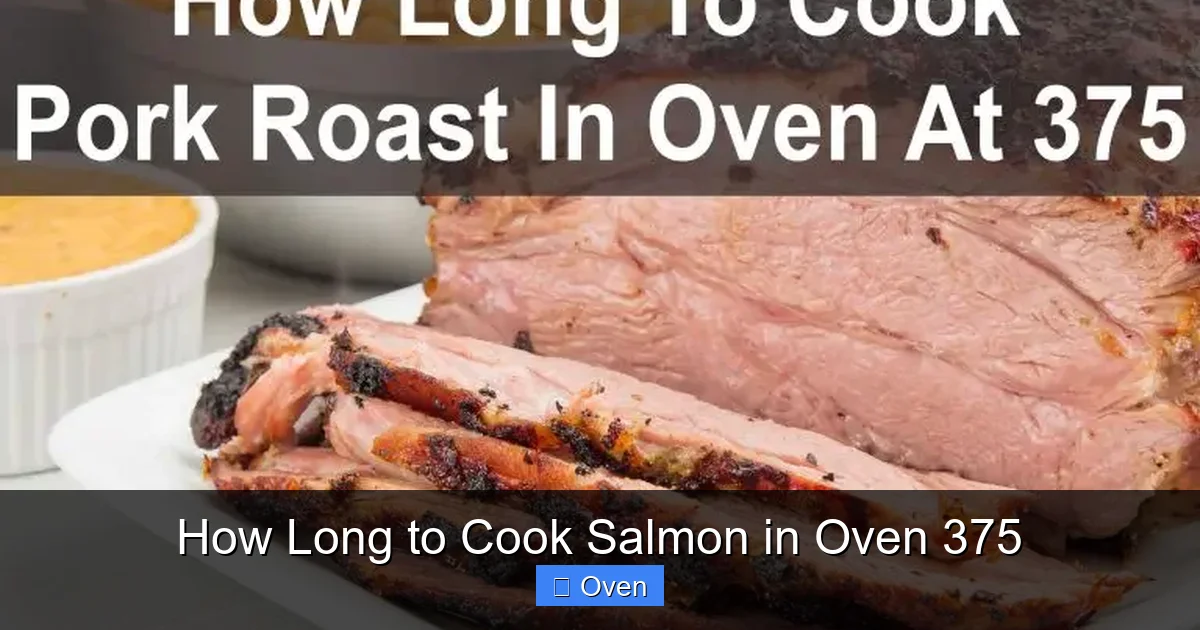
Visual guide about How Long to Cook Salmon in Oven 375
Image source: swartzsdeli.com
Prep Work: Setting Up for Success
Don’t skip these steps—they make or break your timing:
- Preheat your oven to 375°F: This is non-negotiable. A cold oven throws off timing by 3-5 minutes. Give it 15 minutes to fully heat.
- Pat salmon dry: Moisture is the enemy of crisp skin. Use paper towels to soak up surface water—this ensures even cooking.
- Season generously: Drizzle with olive oil, then sprinkle salt, pepper, and your favorite herbs (dill, lemon zest, or garlic powder work wonders). For skin-on salmon, score the skin lightly to prevent curling.
- Choose your pan: A rimmed baking sheet lined with parchment paper or foil is ideal. Avoid overcrowding—salmon needs space to roast, not steam.
The Baking Process: Timing Made Simple
Now for the main event: how long to cook salmon in oven 375. Here’s your cheat sheet:
- Thin fillets (¾ inch): 10-12 minutes
- Standard fillets (1 inch): 12-15 minutes
- Thick cuts (1.5-2 inches): 18-22 minutes
But timing alone isn’t enough. Always verify doneness with a meat thermometer inserted into the thickest part. It should read 145°F. If you don’t have a thermometer, check visually: the salmon should flake easily with a fork and look opaque pink throughout (no translucent areas).
The Critical Resting Phase
Pull salmon from the oven when it hits 140°F—it will carryover cook to 145°F while resting. Then, let it rest for 5 minutes. This step is magic:
- Juices redistribute, preventing a dry bite.
- Residual heat finishes cooking without overdoing it.
- The texture firms up for cleaner slices.
Skip resting, and you’ll lose precious moisture. Trust us—this 5 minutes is worth the wait.
Pro Tips for Next-Level Oven-Baked Salmon
Want to transform good salmon into great salmon? These insider tricks elevate your bake:
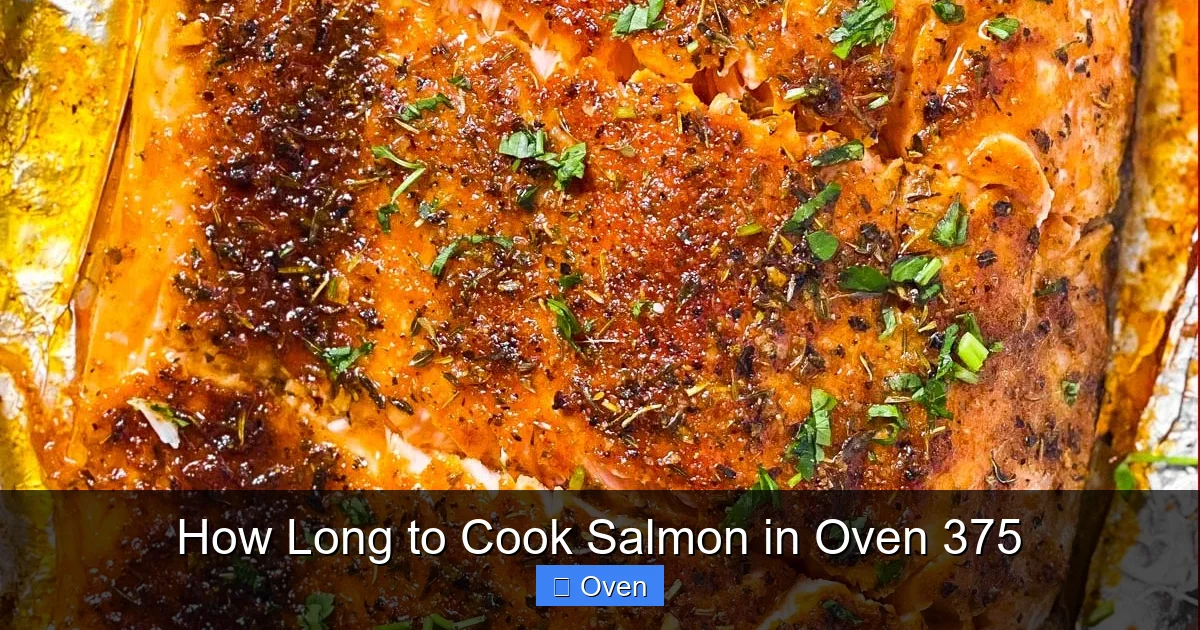
Visual guide about How Long to Cook Salmon in Oven 375
Image source: savorynothings.com
Skin-On vs. Skin-Off: What’s Best?
Skin-on salmon is a game-changer. The skin crisps up beautifully at 375°F, acting like a natural moisture barrier. Plus, it’s packed with omega-3s! To cook it perfectly:
- Place skin-side down on the pan—no oil needed (the fat renders out).
- Bake for the same time as skin-off fillets, but check skin crispness at the 10-minute mark.
- If skin isn’t crispy, switch to broil for 1-2 minutes (watch closely!).
Skin-off salmon? Brush it with melted butter or olive oil to prevent sticking and add richness.
Flavor Boosters That Take Minutes
375°F baking is a blank canvas for flavors. Try these combos:
- Mediterranean: Lemon slices, capers, and fresh dill.
- Asian-inspired: Soy sauce, ginger, and a honey glaze (add glaze in the last 5 minutes).
- Herb-crusted: Mix breadcrumbs with parsley, garlic, and Parmesan; press onto salmon before baking.
Avoid heavy sauces early on—they can steam the fish instead of roasting it. Save wet glazes for the final minutes.
Frozen Salmon? Yes, You Can!
Forgot to thaw your salmon? No panic. Bake frozen salmon at 375°F with these tweaks:
- Pat dry thoroughly—ice crystals cause splatter.
- Add 5-7 minutes to standard timing (e.g., 1-inch frozen fillet = 17-22 minutes).
- Cover loosely with foil for the first 10 minutes to prevent drying.
Thawed salmon always cooks more evenly, but frozen works in a pinch!
Troubleshooting Common Salmon Problems
Even with perfect timing, things can go sideways. Here’s how to fix it:
Why Is My Salmon Dry?
Dry salmon usually means overcooking. Remember:
- Salmon is done at 145°F—not 160°F!
- Thicker cuts need lower heat or longer time (try 350°F for 20-25 minutes).
- Always rest before serving.
Salvage dry salmon by topping with a cool sauce like tzatziki or pesto.
Why Is My Salmon Still Raw in the Middle?
Undercooked salmon often stems from:
- Oven not fully preheated.
- Salmon stacked too thickly on the pan.
- Measuring from the thin edge instead of the thickest part.
Solution: Return to oven for 3-5 minutes, covered with foil to protect the exterior.
Why Isn’t the Skin Crispy?
Crispy skin requires:
- Bone-dry skin (pat with paper towels).
- High enough heat—375°F works, but broil for the last 2 minutes if needed.
- No sugary glazes (they burn).
If skin sticks, let salmon rest 2 minutes before removing from the pan.
Salmon Doneness: Beyond the Thermometer
While a thermometer is ideal, you can also judge doneness by sight and touch:
Visual Cues
Perfectly cooked salmon:
- Looks opaque pink throughout (no translucent “raw” areas).
- Flakes easily when gently pressed with a fork.
- Has a glossy sheen from rendered fats.
Avoid salmon that’s chalky white or mushy—it’s overcooked or undercooked.
The Touch Test
Gently press the center with your finger:
- Undercooked: Feels soft and leaves a deep indentation.
- Perfect: Feels slightly springy with a shallow indentation.
- Overcooked: Feels firm with no give.
Practice this a few times, and you’ll develop a sixth sense for salmon doneness!
Conclusion: Your Perfect Salmon Awaits
Mastering how long to cook salmon in oven 375 isn’t about memorizing numbers—it’s about understanding the why behind the timing. Thickness, temperature, and resting transform a simple bake into a culinary triumph. Remember: 12-15 minutes for standard fillets, verified by 145°F internal temp, and a 5-minute rest. That’s the trifecta for juicy, flaky, flavorful salmon every single time.
No more dry dinners or undercooked surprises. With this guide, you’ve got the confidence to whip up impressive salmon on busy weeknights or special occasions. So preheat that oven, season your fish, and get ready to enjoy one of the healthiest, most delicious proteins out there. Your perfect plate of salmon is just 15 minutes away!
Frequently Asked Questions
What temperature should salmon be cooked to?
Salmon is safe to eat at 145°F internal temperature, as recommended by the USDA. At this temp, it’s moist, flaky, and perfectly cooked through. Pulling it at 140°F allows carryover cooking to reach 145°F during resting.
Can I bake salmon at 375°F with skin on?
Absolutely! Skin-on salmon is ideal for oven baking at 375°F. Place it skin-side down on a lined pan—no oil needed. The skin will crisp up beautifully and protect the flesh from drying out.
How long to cook salmon in oven 375 for a crowd?
For multiple fillets, maintain the same timing per thickness (e.g., 12-15 minutes for 1-inch pieces). Use two oven racks but rotate pans halfway through baking for even cooking. Avoid overcrowding—salmon needs space to roast.
Why is my salmon rubbery?
Rubbery texture almost always means overcooking. Salmon proteins tighten rapidly above 145°F. Always use a thermometer and remove salmon at 140°F to account for carryover cooking. Resting is also crucial to retain moisture.
Can I add sauce before baking salmon?
Light glazes (like honey-mustard or soy-ginger) can be added in the last 5 minutes of baking. Avoid heavy sauces early on—they create steam that prevents proper roasting. For herb crusts, apply before baking.
How do I prevent salmon from drying out in the oven?
Key steps: Don’t overcook (145°F max), rest for 5 minutes after baking, and use skin-on fillets when possible. Brushing skin-off salmon with oil or butter also helps. If baking very thick cuts, consider lowering the temp to 350°F for longer.