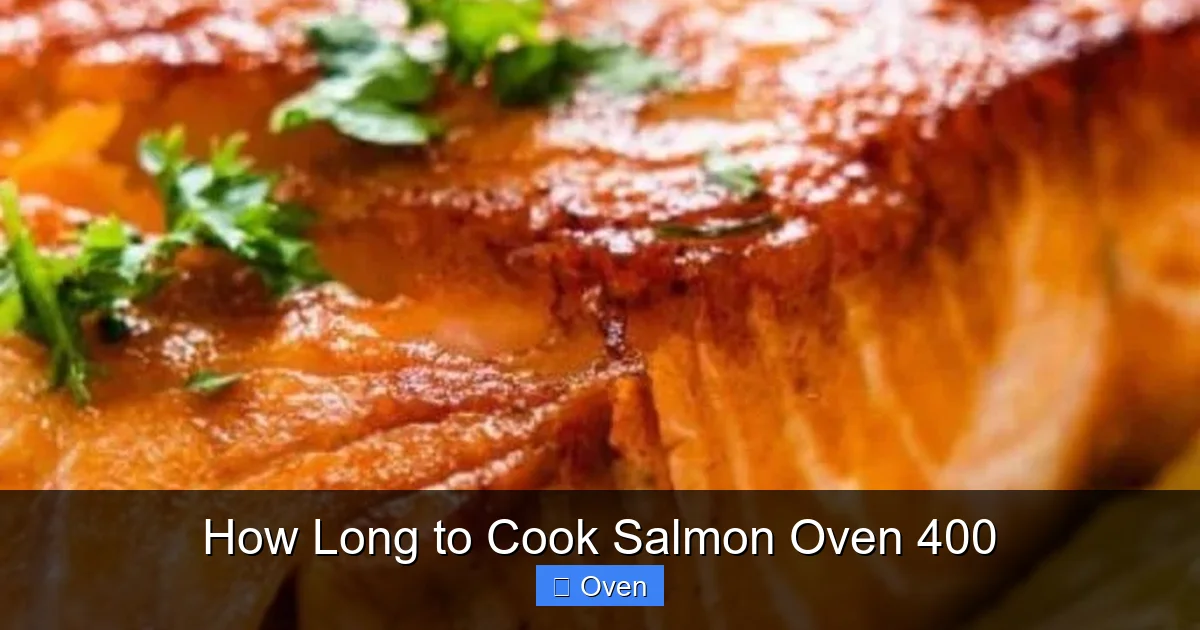
Cook salmon at 400°F for 12-15 minutes per inch of thickness. Always verify doneness with an instant-read thermometer (145°F internal temp). Thinner fillets cook faster – adjust time downward to avoid dryness! Resting for 5 minutes ensures juicy, restaurant-quality results every time.
Key Takeaways
- Thickness is king: Cook time depends almost entirely on fillet thickness, not weight. A 1-inch thick piece needs ~12-15 minutes at 400°F.
- Thermometer is essential: Rely on internal temperature (145°F for safe, flaky salmon), not just time. Ovens vary wildly.
- Rest before serving: Let salmon rest 5 minutes after baking. Carryover cooking finishes it perfectly and locks in juices.
- Skin-on vs. skin-off: Skin-on fillets cook slightly faster due to fat rendering. Start checking 2 minutes early.
- Frozen needs extra time: Add 50% more cooking time for frozen salmon. Thaw first for best texture and even cooking.
- Visual cues matter: Salmon turns opaque pink throughout and flakes easily with a fork when done. Avoid opaque centers.
- Oven hotspots exist: Rotate the pan halfway if your oven has uneven heating for consistent results.
Quick Answers to Common Questions
Can I cook salmon from frozen at 400°F?
Yes, but add about 50% more cooking time (e.g., 18-22 minutes for a 1-inch thick frozen fillet). Cook it fully frozen, pat it very dry, and start checking the internal temperature much earlier than you would for thawed salmon.
Is 145°F really necessary for salmon?
Yes, 145°F is the USDA-recommended safe internal temperature for fish, ensuring harmful bacteria are destroyed. Crucially, it’s also the temperature where salmon achieves its ideal moist, flaky texture. Pulling it at 135-140°F accounts for carryover cooking during resting.
Why does my salmon always stick to the pan?
This usually happens because the pan wasn’t prepared properly (use parchment paper or foil) or the skin (if present) wasn’t rendered enough before moving. Pat the skin extremely dry, score it lightly, and let it cook undisturbed for the first 8-10 minutes to crisp up.
Can I use a lower temperature for longer?
You can (e.g., 350°F for 18-22 minutes per inch), but 400°F is generally better. Lower temps take longer, increasing the risk of a rubbery texture as proteins over-coagulate slowly, and may not render fat or develop flavor as well.
How do I know if salmon is done without a thermometer?
Look for uniform opaque pink color throughout (no translucent areas) and test texture: it should flake easily with a fork but still feel slightly tender, not firm or mushy. However, a thermometer is highly recommended for accuracy and consistency, especially when learning.
📑 Table of Contents
- The Perfect 400°F Salmon Secret: It’s All About Timing (and Trusting Your Thermometer!)
- Why 400°F is the Goldilocks Temperature for Oven Salmon
- The Golden Rule: Time Per Inch is Your Foundation
- Critical Factors That Change Your Cooking Time (Beyond Thickness)
- Your Step-by-Step Guide to Perfect 400°F Salmon
- Decoding Doneness: Temperature, Texture, and Visual Cues
- Troubleshooting Common 400°F Salmon Problems
- Conclusion: Your Foolproof Path to Oven-Baked Salmon Perfection
The Perfect 400°F Salmon Secret: It’s All About Timing (and Trusting Your Thermometer!)
Ever pulled a beautiful salmon fillet from the oven, only to find the center still cool and translucent? Or worse, a dry, overcooked hockey puck? You’re definitely not alone. Cooking salmon perfectly in the oven feels like a high-wire act – get it right, and you have a restaurant-quality meal in minutes. Get it wrong, and it’s disappointing. The good news? Mastering how long to cook salmon oven 400 is simpler than you think, once you understand the core principles. Forget rigid timers; it’s about thickness, temperature, and a little know-how.
Why 400°F? It’s the sweet spot! High enough to create that gorgeous, slightly crispy exterior (thanks to the Maillard reaction) without scorching delicate fish oils, yet gentle enough to cook the interior evenly without drying it out. It renders fat beautifully, especially with skin-on fillets, and gives you that coveted flaky-yet-moist texture. But the magic number isn’t just the temperature – it’s knowing exactly how long to let that heat work its magic on *your specific piece of salmon*. This guide cuts through the confusion, giving you the precise timing framework and foolproof methods to achieve salmon perfection, every single time you preheat to 400°F.
Why 400°F is the Goldilocks Temperature for Oven Salmon
You might wonder, “Why not 350°F for slower cooking or 450°F for a quicker sear?” While those have their place, 400°F strikes an almost perfect balance for most home ovens and salmon fillets. Let’s break down why this specific temperature is so beloved by chefs and home cooks alike.
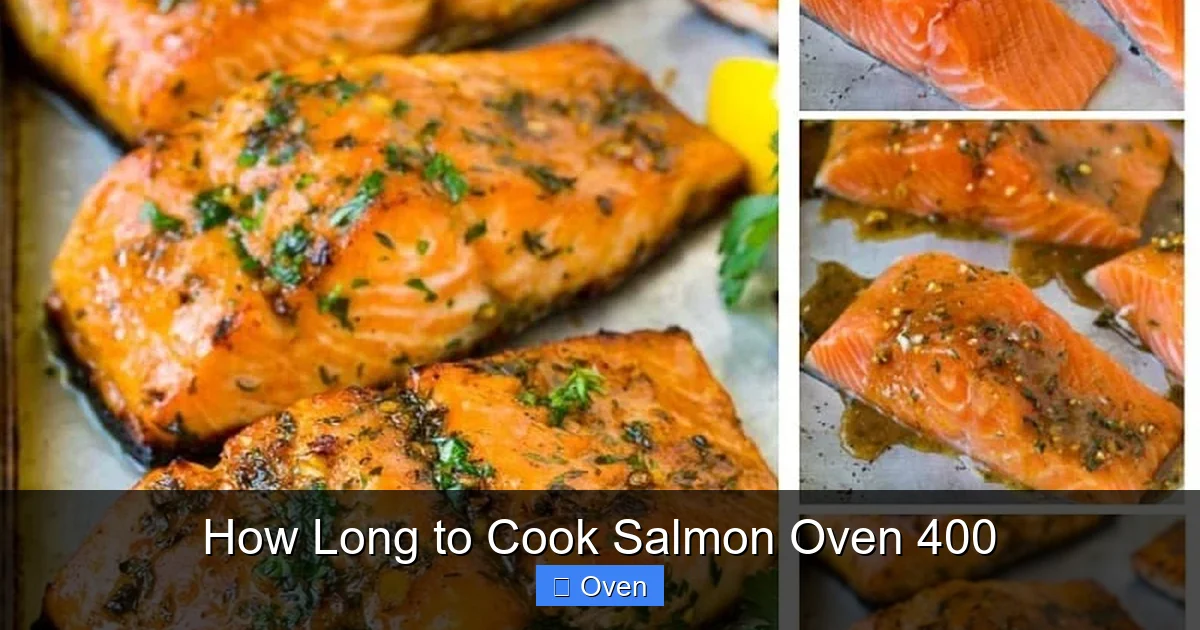
Visual guide about How Long to Cook Salmon Oven 400
Image source: tiredtexanbbq.com
The Science of Searing and Steaming (Without Drying Out)
Salmon is incredibly delicate. Its proteins tighten and expel moisture rapidly when exposed to high heat. At 400°F, the surface cooks fast enough to develop complex flavors and a pleasing texture (that slight crispness on skin-on pieces), but the heat penetrates the interior gradually. This slower conduction allows the center to reach the ideal temperature (145°F) just as the exterior is perfectly done. Lower temperatures (like 350°F) take much longer, risking a rubbery texture as proteins over-coagulate slowly. Higher temperatures (450°F+) can easily char the outside before the inside is safe to eat, especially with thicker fillets.
Fat Rendering: The Flavor Booster
Salmon, especially wild varieties, is rich in healthy fats. At 400°F, this fat renders out beautifully. For skin-on fillets, this creates that irresistible, crispy skin that’s a hallmark of great salmon. The rendered fat also bastes the fish from below, adding incredible moisture and flavor. Even skinless fillets benefit, as the fat within the flesh melts gently, keeping the fish succulent. This rendering happens efficiently at 400°F – lower temps render too slowly, higher temps can cause the fat to smoke or burn before it fully renders.
Oven Consistency and Practicality
Most home ovens heat evenly and reliably around 400°F. It’s a temperature most ovens reach quickly and maintain steadily without excessive cycling. It’s also versatile – you can roast vegetables alongside your salmon at this temp, creating a complete one-pan meal. Crucially, 400°F gives you a comfortable window for timing. You’re not racing against the clock like you might at 450°F, reducing the stress factor significantly. This practical window is key when figuring out how long to cook salmon oven 400 – it provides enough leeway for minor oven variations.
The Golden Rule: Time Per Inch is Your Foundation
Here’s the absolute cornerstone of cooking salmon at 400°F: **Cook time is determined primarily by the thickness of the fillet, measured at its thickest point, not the weight or length.** A pound of thin salmon will cook much faster than a pound of thick salmon. This is non-negotiable. Forget generic “15 minutes for salmon” advice – it will fail you. The standard guideline is **12-15 minutes per inch of thickness** at 400°F. But let’s make this concrete.
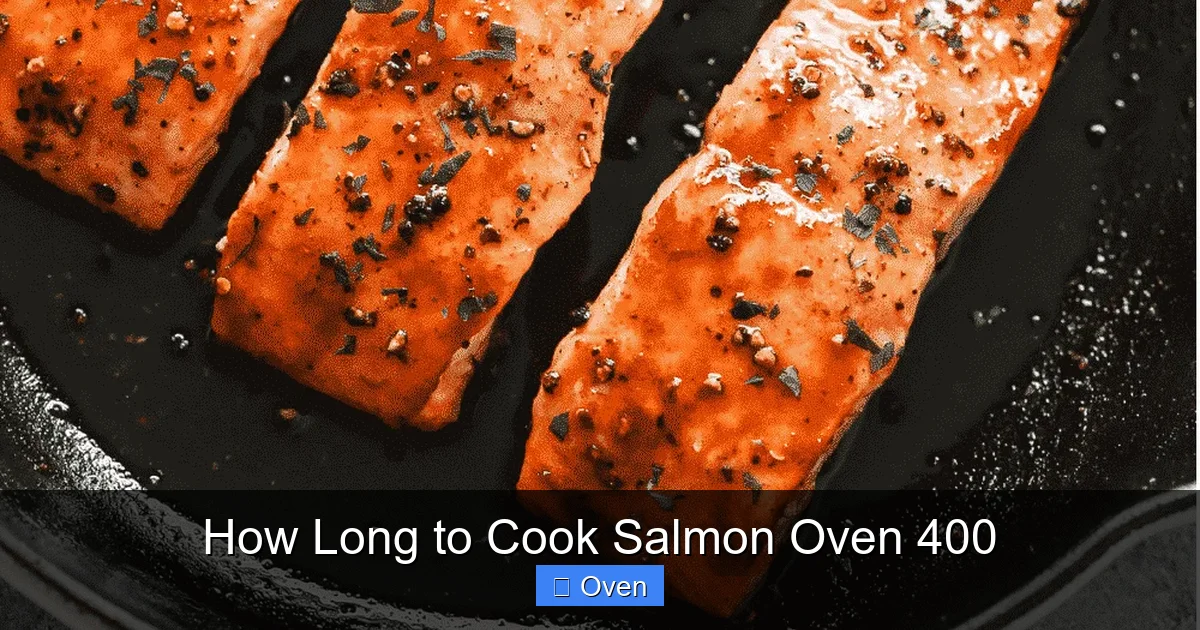
Visual guide about How Long to Cook Salmon Oven 400
Image source: i2.wp.com
Measuring Thickness Correctly: Don’t Guess!
Grab a ruler or the edge of a credit card. Place it perpendicular to the salmon fillet, right at the thickest part (usually near the tail end for most cuts). Measure the height in inches. This is your critical number. A fillet that’s 1 inch thick at its thickest point needs a different time than one that’s 1.5 inches thick, even if they weigh the same. Guessing thickness is the #1 reason salmon turns out under or overcooked.
Real-World Timing Examples at 400°F
- 1-inch thick fillet (most common supermarket size): Start checking at 10 minutes. Target internal temp of 135-140°F (carryover cooking will take it to 145°F). Total bake time is typically 12-14 minutes.
- 1.25-inch thick fillet: Start checking at 12 minutes. Target internal temp 135-140°F. Total bake time is typically 14-16 minutes.
- 1.5-inch thick fillet (often “center-cut” or thicker wild salmon): Start checking at 15 minutes. Target internal temp 135-140°F. Total bake time is typically 17-20 minutes.
- 2-inch thick fillet (less common, but possible with large cuts): Start checking at 20 minutes. Target internal temp 135-140°F. Total bake time is typically 24-28 minutes.
Remember: These are starting points! Your oven, the starting temperature of the fish (cold from fridge vs. room temp), and whether it’s skin-on all cause minor variations. **This is why the thermometer is your best friend.**
Why Weight Doesn’t Matter (Much)
Two salmon fillets can weigh the same but have vastly different thicknesses. A long, thin fillet and a short, thick fillet of equal weight will cook at completely different rates. Thickness dictates how long heat takes to penetrate to the center. Weight influences total energy needed, but thickness dictates the *time* required for that energy transfer. Always prioritize thickness measurement over weight when determining how long to cook salmon oven 400.
Critical Factors That Change Your Cooking Time (Beyond Thickness)
While thickness is king, several other factors can nudge your cooking time up or down by a few crucial minutes. Ignoring these is a common pitfall. Let’s explore what else impacts your timing.
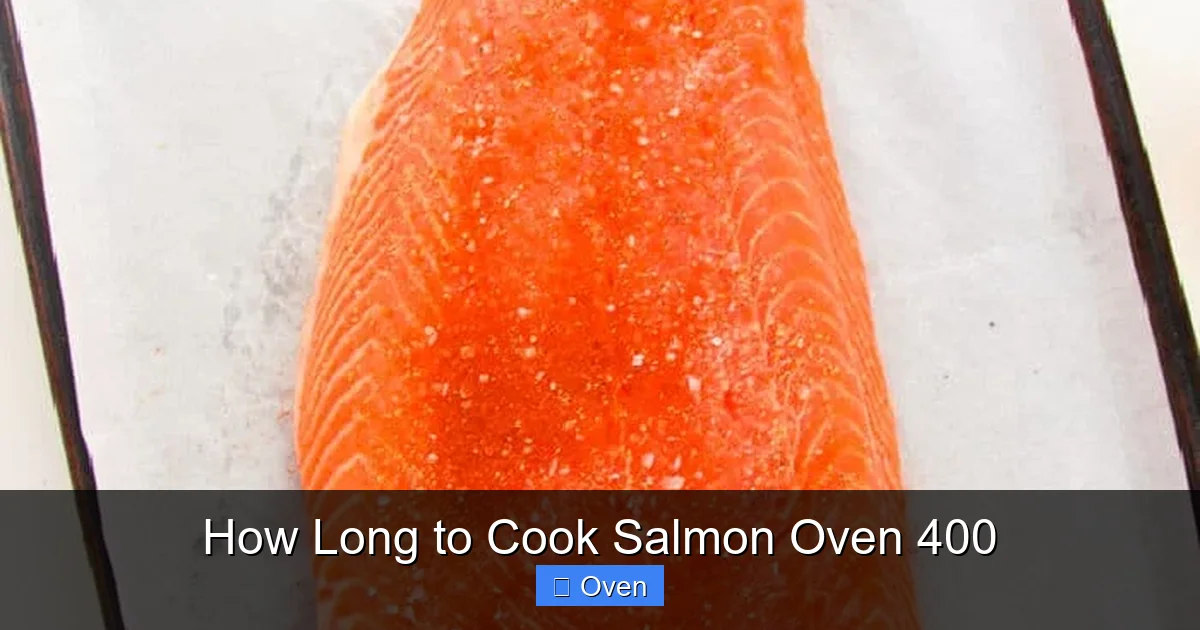
Visual guide about How Long to Cook Salmon Oven 400
Image source: temeculablogs.com
Skin-On vs. Skin-Off: The Fat Factor
Skin-on salmon generally cooks slightly faster than skinless at the same thickness. Why? The skin acts as an insulator initially, but more importantly, the abundant fat under the skin renders quickly at 400°F. This rendered fat conducts heat efficiently into the flesh below, speeding up the cooking process slightly. As a rule of thumb, **start checking skin-on fillets 2 minutes earlier than the time you’d use for a skinless fillet of the same thickness.** For a 1-inch skin-on fillet, start checking at 10 minutes instead of 12. The difference is small but meaningful for avoiding overcooking.
Starting Temperature: Cold Fish vs. Room Temp
Salmon straight from the refrigerator is significantly colder than room temperature. This cold core takes longer for the oven’s heat to penetrate. **Cold salmon needs 2-4 extra minutes** compared to salmon that has sat out for 15-20 minutes before baking. While pulling it out early helps slightly, the difference isn’t massive. The bigger impact is consistency – try to cook salmon from similar starting temps for predictable results. If you forget and it’s ice cold, add those extra minutes.
Frozen Salmon: The Big Time Adjustment
Cooking frozen salmon at 400°F is possible, but it requires a significant time increase and some technique tweaks. **Add approximately 50% more cooking time** compared to thawed salmon of the same thickness. A 1-inch thick frozen fillet might need 18-22 minutes instead of 12-14. More importantly:
- DO NOT thaw partially: Cook it fully frozen. Thawing unevenly leads to inconsistent cooking.
- Pat dry thoroughly: Ice crystals on the surface prevent proper browning.
- Consider a lower rack: Frozen fish needs more time for heat to penetrate, so placing it lower in the oven (away from direct top heat) can prevent the outside from overcooking before the inside thaws.
- Check temp early and often: The transition from frozen to cooked is less predictable. Start checking internal temp much earlier than you would for thawed fish.
For the absolute best texture and flavor, thawing salmon in the refrigerator overnight is highly recommended. It ensures even cooking and better browning.
Oven Realities: Hotspots and Calibration
No home oven is perfectly uniform. Hotspots (areas that run hotter) and cold spots are common. A fillet positioned over a hotspot might cook significantly faster than one over a cold spot. **Rotate your baking sheet 180 degrees halfway through the estimated cooking time.** This simple step promotes even cooking. Also, know your oven! If it consistently runs hot or cold (use an oven thermometer to check), adjust your time accordingly. An oven that runs 25°F hot might need 2-3 minutes less; one that runs 25°F cold might need 2-3 minutes more.
Your Step-by-Step Guide to Perfect 400°F Salmon
Now that you understand the principles, let’s walk through the foolproof process for baking salmon at 400°F. This method guarantees moist, flaky, perfectly cooked results.
Prep is Everything: Setting Up for Success
- Preheat Religiously: Turn your oven to 400°F and let it fully preheat for at least 15-20 minutes. An oven that isn’t fully hot won’t cook evenly.
- Prep the Salmon: Pat the fillets *extremely* dry with paper towels. Moisture is the enemy of browning! Season generously with salt and pepper (and any other desired herbs/spices) on both sides. For skin-on, score the skin lightly in a crosshatch pattern (about 1/4 inch deep) to help it render evenly and prevent curling.
- Choose Your Pan: Use a rimmed baking sheet lined with parchment paper or foil (for easy cleanup) or a lightly greased oven-safe skillet (like cast iron). Avoid overcrowding – leave space between fillets for heat circulation.
- Optional Flavor Boosters: Add lemon slices, fresh herbs (dill, thyme), garlic cloves, or a light drizzle of olive oil or butter on top *after* the first 5-7 minutes of cooking to prevent burning.
The Baking Process: Timing and Temperature Checks
- Place in Oven: Put the prepared salmon in the preheated oven. Position it in the center rack for most even cooking.
- Initial Bake: Bake undisturbed for the first 8-10 minutes (for a 1-inch fillet). This allows the surface to set and start browning.
- Rotate (If Needed): If you suspect oven hotspots, rotate the pan 180 degrees now.
- Check EARLY and OFTEN: **This is the most crucial step!** Start checking the internal temperature with an instant-read thermometer at the *minimum* time for your thickness (e.g., 10 minutes for 1-inch). Insert the probe into the thickest part, avoiding bones. **Target 135-140°F.** Remember, carryover cooking will raise the temp 5-10°F as it rests.
- Visual Check: While waiting for the thermometer, look for visual cues: the salmon should be opaque pink throughout (no translucent or “raw” looking areas), and it should flake easily when gently pressed with a fork.
- Rest Before Serving: Once the internal temp hits 135-140°F, immediately remove the salmon from the oven. **Let it rest on the pan (tented loosely with foil) for 5 minutes.** This allows juices to redistribute and carryover cooking to finish it perfectly to 145°F. Serving immediately guarantees dry edges.
Why Resting is Non-Negotiable
That 5-minute rest isn’t just a suggestion; it’s physics. When you remove salmon from the oven, the outer layers are much hotter than the center. During resting, heat continues to flow inward (carryover cooking), bringing the center up to the safe and ideal 145°F. More importantly, the muscle fibers relax, allowing the juices that were forced outward by the heat to seep back into the flesh. Cutting into salmon immediately after baking releases all those precious juices onto your plate, leaving the fish dry. Resting ensures every bite is succulent.
Decoding Doneness: Temperature, Texture, and Visual Cues
Knowing *when* salmon is done is as important as knowing *how long* to cook it. Relying solely on time is a recipe for inconsistency. Here’s how to read your salmon like a pro.
The Thermometer Truth: 145°F is the Safe & Perfect Target
The USDA recommends cooking fish to an internal temperature of 145°F for safety, ensuring harmful bacteria are destroyed. For salmon, this temperature also coincides perfectly with the ideal texture: **moist, tender, and flaky.** At 145°F, the proteins have coagulated just enough to hold together but haven’t tightened so much that they squeeze out all the moisture. This is the sweet spot. **Always use a reliable instant-read thermometer.** Guessing based on color alone is unreliable, especially with different salmon varieties (sockeye is deeper red than coho, for example).
Visual Cues: What Perfectly Cooked Salmon Looks Like
- Color: The salmon should be uniformly opaque pink or orange throughout. There should be no translucent, “raw” looking areas, especially near the center or along the backbone. The color change happens from the edges inward.
- Texture: Gently press the thickest part with a fork or your finger (carefully!). It should offer slight resistance but flake apart easily. It should feel tender, not firm or rubbery. If it feels very soft and mushy, it’s undercooked. If it feels very firm and dense, it’s overcooked.
- Fat Lines: The white fat lines (especially prominent in wild salmon) should turn opaque and may start to render out slightly.
While visual cues are helpful indicators, **they are secondary to temperature.** Use them to confirm what your thermometer tells you, not replace it.
Avoiding the Overcooked Trap: Why 140°F is Your Pull Point
Remember that carryover cooking! When you pull salmon from the oven at 140°F, it will continue to cook as it rests, typically reaching 145°F. Pulling it at 145°F means it will likely hit 150°F+ during resting, which is the danger zone for dryness. **Aim for 135-140°F as your removal temperature.** This gives you the perfect 145°F final temp after resting. If you’re new to this, err on the side of slightly under (135°F) – you can always put it back in for 1-2 minutes, but you can’t uncook dry salmon.
Troubleshooting Common 400°F Salmon Problems
Even with the best intentions, things can go sideways. Here’s how to diagnose and fix the most frequent issues when cooking salmon at 400°F.
Problem: Salmon is Dry and Flaky (Overcooked)
Cause: Most likely, it was cooked too long or the oven was too hot. Pulling it at 145°F+ instead of 135-140°F is a common culprit.
Solution: Be vigilant with your thermometer. Start checking *early*. Remember the resting carryover. If your oven runs hot, reduce the time by 2-3 minutes next time. For future cooks, consider basting with a little olive oil, butter, or lemon juice during the last 5 minutes to add moisture.
Problem: Center is Still Raw/Translucent (Undercooked)
Cause: Not cooked long enough, oven not fully preheated, or fillet was much thicker than measured. Starting with very cold fish can also contribute.
Solution: Return it to the oven immediately. Check every 2 minutes until the internal temp reaches 135-140°F. Ensure your oven is fully preheated next time. Double-check thickness measurement. Let fish sit at room temp for 15-20 minutes before baking.
Problem: Skin is Soggy, Not Crispy (Skin-On Fillets)
Cause: Skin wasn’t patted dry enough before cooking, oven temp too low, or fillet was placed skin-side down on a wet surface (like lemon slices without drying them).
Solution: Pat skin *extremely* dry with paper towels before seasoning. Score the skin lightly. Ensure oven is fully preheated to 400°F. Place skin-side down directly on the baking sheet or parchment (not on wet ingredients). If skin isn’t crisping after 10 minutes, you can carefully flip the fillet skin-side up for the last 2-3 minutes (less ideal, but works).
Problem: Salmon Stuck to the Pan
Cause: Pan not properly prepared (insufficient oil/parchment), skin not rendered enough before moving, or trying to move it too soon.
Solution: Always use parchment paper or foil, or grease the pan well with oil or butter. For skin-on, let it cook undisturbed for the first 8-10 minutes to allow the skin to render and crisp up before attempting to move it. Use a thin, flexible fish spatula.
Problem: Uneven Cooking (One End Done, Other End Raw)
Cause: Fillet thickness varies significantly (common with tail-end pieces), oven hotspots, or overcrowding the pan.
Solution: Measure the thickest part for timing, but be aware thinner sections cook faster. Rotate the pan halfway. If one end is significantly thinner, loosely tent that end with foil after the first 5-7 minutes to slow its cooking. Ensure adequate space between fillets.
Conclusion: Your Foolproof Path to Oven-Baked Salmon Perfection
Mastering how long to cook salmon oven 400 isn’t about memorizing a single magic number. It’s about understanding the fundamental principle: **thickness dictates time, and temperature guarantees perfection.** Ditch the guesswork and embrace the instant-read thermometer as your essential kitchen ally. Remember the golden rule of 12-15 minutes per inch, but always let that be your starting point, not your finish line.
Pay attention to the details that微调 your timing – the presence of skin, the starting temperature of the fish, whether it’s frozen, and the quirks of your own oven. Rotate the pan, rest the salmon religiously, and trust the visual cues alongside the thermometer reading. By focusing on the internal temperature (pulling at 135-140°F for a perfect 145°F final result) and understanding these variables, you transform from a salmon gambler into a confident cook.
The beauty of baking salmon at 400°F is its simplicity and speed. In less than 20 minutes (plus resting), you can have a healthy, elegant, and deeply satisfying meal. No fancy techniques, no constant monitoring – just reliable heat, precise timing based on thickness, and the right tool to confirm doneness. So preheat that oven, measure your fillet, season it simply, and get ready to enjoy consistently moist, flaky, restaurant-worthy salmon right from your own kitchen. Your perfect piece is just 12-15 minutes away!
Frequently Asked Questions
What is the absolute minimum time to cook salmon at 400°F?
For very thin fillets (under 3/4 inch), the absolute minimum is about 8-10 minutes. However, most standard supermarket fillets are 1 inch thick, requiring 12-14 minutes. Always prioritize internal temperature (135-140°F pull point) over a strict minimum time to ensure safety and doneness.
Can I cook salmon at 400°F with the skin on?
Absolutely! Skin-on salmon is excellent at 400°F. The skin renders beautifully, becoming crispy, and protects the flesh. Remember to pat the skin *extremely* dry before seasoning, score it lightly, and start checking the internal temperature 2 minutes earlier than you would for a skinless fillet of the same thickness.
Why is my salmon dry even when the timer says it’s done?
This is almost always due to overcooking. Either the oven ran hotter than 400°F, the fillet was thinner than measured, you pulled it at 145°F+ instead of 135-140°F (ignoring carryover cooking), or you didn’t let it rest. Using a thermometer and pulling at the lower temp is the key fix.
How long does salmon need to rest after baking?
Always let salmon rest for 5 minutes after removing it from the 400°F oven, tented loosely with foil. This allows carryover cooking to finish it to the perfect 145°F internal temperature and, more importantly, lets the juices redistribute throughout the flesh for maximum moisture.
Can I bake salmon at 400°F on a wire rack?
Yes, placing salmon on a wire rack set over a baking sheet is a great technique. It allows hot air to circulate all around the fish, promoting even cooking and helping the skin (if present) crisp up more effectively on all sides. Just ensure the rack fits securely in your pan.
What’s the best way to thaw salmon before baking?
The safest and best method is thawing in the refrigerator overnight. Place the sealed salmon on a plate on the bottom shelf. This ensures even, slow thawing, preserving texture and preventing bacterial growth. Avoid thawing at room temperature or in hot water, which can lead to uneven texture and safety risks.