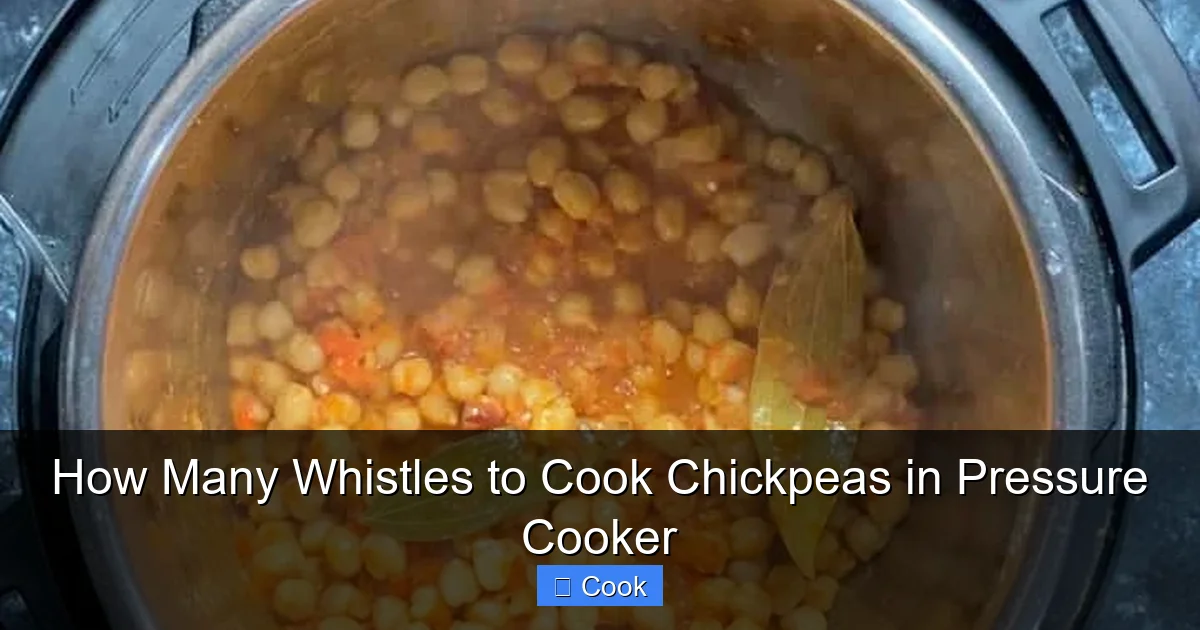
There’s no universal whistle count for chickpeas—it depends on type and prep! Dried chickpeas typically need 15-25 whistles after soaking, while unsoaked require 25-35. Always prioritize natural pressure release for ideal texture and safety.
Key Takeaways
- Whistle count varies significantly: Soaked dried chickpeas need 15-25 whistles; unsoaked need 25-35. Canned chickpeas require only 2-3 whistles for reheating.
- Soaking is non-negotiable for dried chickpeas: Skipping it leads to uneven cooking and longer whistle times. Always soak overnight or use quick-soak methods.
- Natural pressure release (NPR) is critical: Releasing pressure too fast causes chickpeas to burst. Always allow 15-20 minutes of NPR after cooking.
- Altitude and cooker size matter: High altitudes add 5-10 whistles; larger cookers may need 1-2 extra whistles for even heat distribution.
- Test doneness, don’t just count whistles: Chickpeas should be tender but firm—not mushy. Adjust future cooks based on texture.
- Safety first: Never force-open a pressurized cooker. Follow manufacturer guidelines for liquid minimums and valve positioning.
- Frozen chickpeas need extra time: Add 5-7 whistles to standard counts if using pre-cooked frozen chickpeas.
📑 Table of Contents
- The Magic of Pressure-Cooked Chickpeas: Why Whistle Count Isn’t One-Size-Fits-All
- Why Whistle Count Varies: The Science Behind Perfect Chickpeas
- Cooking Dried Chickpeas: The Whistle Count Breakdown
- Canned Chickpeas: Reheating Without the Mush
- Troubleshooting Common Chickpea Disasters
- Pro Tips for Foolproof Chickpeas Every Time
- Conclusion: Your Chickpea Mastery Awaits
The Magic of Pressure-Cooked Chickpeas: Why Whistle Count Isn’t One-Size-Fits-All
Picture this: You’ve just whipped up a batch of creamy hummus, but the chickpeas are stubbornly crunchy. Or worse—they’ve turned to mush in your curry. Sound familiar? You’re not alone. Chickpeas are kitchen MVPs—packed with protein, fiber, and versatility—but cooking them perfectly in a pressure cooker can feel like cracking a secret code. The burning question? “How many whistles to cook chickpeas in pressure cooker?” Simple answer: It depends. And that’s exactly why this guide exists.
Unlike pasta or rice, chickpeas have a stubborn outer skin and dense interior that react uniquely to pressure. Too few whistles? You get chalky, undercooked legumes. Too many? They disintegrate into a paste. The good news? Once you understand the variables—like chickpea type, soaking, and your cooker’s quirks—you’ll never face crunchy hummus again. In this guide, we’ll demystify whistle counts, share pro tips, and help you master chickpeas in under 45 minutes. No more guessing games!
Why Whistle Count Varies: The Science Behind Perfect Chickpeas
Let’s clear the air: There’s no universal “X whistles for all chickpeas” rule. Pressure cooking relies on steam building up inside the pot, raising the boiling point and cooking food faster. But chickpeas throw curveballs. Their tough skins resist water penetration, and their starch content behaves differently based on age, variety, and prep. Here’s what truly impacts your whistle count:

Visual guide about How Many Whistles to Cook Chickpeas in Pressure Cooker
Image source: static01.nyt.com
The Age Factor: Old vs. New Chickpeas
Fresh chickpeas (used within 6 months) cook faster than older ones (1+ years). Why? Over time, chickpeas lose moisture and develop harder skins. If your bag has been in the pantry since last year’s grocery run, add 3-5 extra whistles. Pro tip: Sort chickpeas before cooking—discard any discolored or shriveled ones. They’re likely old and will drag down your entire batch.
Water Quality and Hardness
Hard water (high in minerals like calcium) slows cooking. If your tap water leaves limescale on kettles, it’s likely hard. This mineral buildup creates a barrier on chickpea skins, requiring longer cook times. Solution? Use filtered water or add 1 tsp vinegar to the cooking liquid. The acid softens skins, cutting whistle counts by 2-3. In soft-water areas? You might shave off a whistle or two.
The Pressure Cooker Itself: Size and Model Matter
Not all pressure cookers are created equal. A 3-liter cooker concentrates heat differently than a 6-liter one. Smaller pots often cook faster due to less airspace, while larger ones may need 1-2 extra whistles for even heating. Electric pressure cookers (like Instant Pots) maintain consistent pressure, whereas stovetop models fluctuate with burner heat. Always refer to your manual—some brands recommend specific liquid minimums that affect cooking time.
Cooking Dried Chickpeas: The Whistle Count Breakdown
Dried chickpeas are the most economical choice but require patience. The golden rule? Always soak them first. Skipping this step leads to uneven cooking, longer whistle times, and potential safety hazards (more on that later). Here’s your roadmap:

Visual guide about How Many Whistles to Cook Chickpeas in Pressure Cooker
Image source: thesaltedpepper.com
Soaked Dried Chickpeas: 15-25 Whistles
After an overnight soak (or quick-soak method), drained chickpeas need 15-25 whistles. Why the range? It hinges on chickpea freshness and desired texture. For hummus or curries where tenderness is key, aim for 20-25 whistles. For salads or grain bowls where you want a slight bite, 15-18 whistles works. Always add 1 inch of water above the chickpeas—never fill beyond the cooker’s max line!
Real-life example: Maria, a home cook in Arizona, uses 1 cup soaked chickpeas in her 5-liter stovetop cooker. She cooks at medium heat for 22 whistles, then lets pressure release naturally for 15 minutes. Result? Perfectly tender chickpeas for her weekly meal prep. “I tested 18 whistles first—they were too firm. 22 is my sweet spot,” she says.
Unsoaked Dried Chickpeas: 25-35 Whistles (Not Recommended!)
Yes, you can cook unsoaked chickpeas—but it’s risky. They need 25-35 whistles and often turn out inconsistently cooked. Some chickpeas soften while others stay rock-hard. Worse, the extended cook time increases the chance of the cooker running dry, which can damage the pot or cause dangerous steam leaks. Only attempt this in emergencies, and always use extra liquid (1.5x the usual amount).
Quick-Soak Method: Your Time-Saver Hack
No time for overnight soaking? Try this: Rinse 1 cup dried chickpeas, cover with 3 cups water, and bring to a boil for 2 minutes. Remove from heat, cover, and let sit for 1 hour. Drain and proceed as with soaked chickpeas. This cuts prep time dramatically while ensuring even cooking. Whistle count remains 15-25—no adjustments needed!
Canned Chickpeas: Reheating Without the Mush
Canned chickpeas are a pantry hero, but reheating them wrong turns them to sludge. Most people dump them straight into soups or curries without a second thought. Big mistake! Canned chickpeas are already cooked—they just need gentle reheating to absorb flavors. Here’s how to do it right:
Visual guide about How Many Whistles to Cook Chickpeas in Pressure Cooker
Image source: thesaltedpepper.com
The 2-3 Whistle Rule for Canned Chickpeas
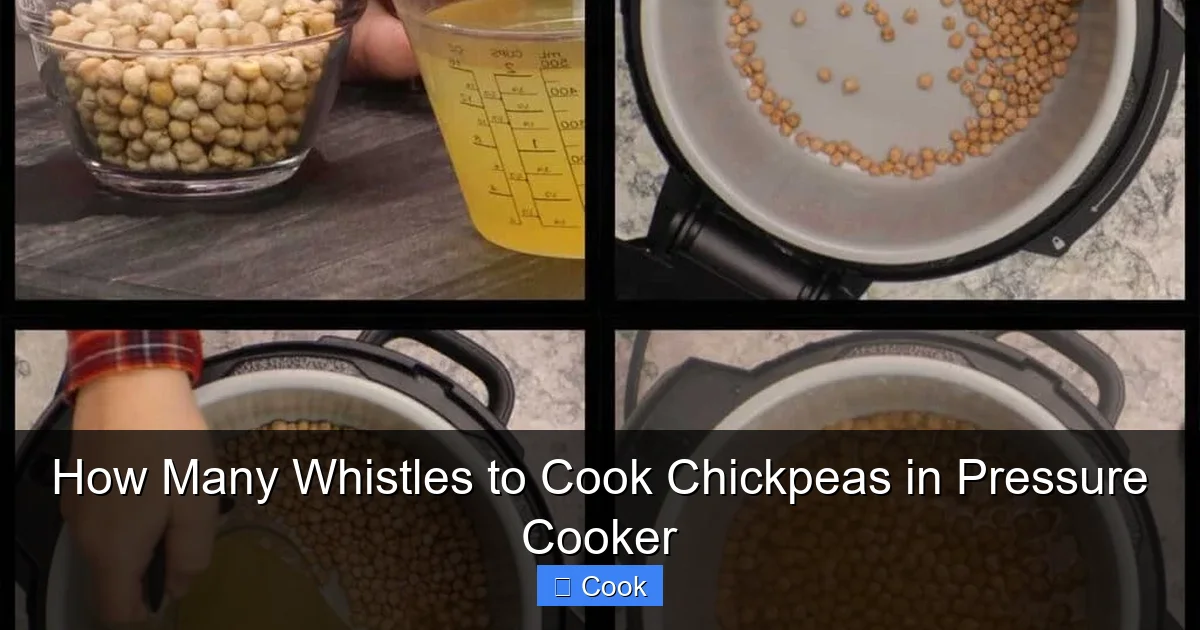
Drain and rinse canned chickpeas. Add them to your dish (like a curry or stew) with enough liquid to cover. Secure the lid and cook on high pressure for just 2-3 whistles. That’s it! Any longer, and they’ll disintegrate. Always use quick pressure release (QPR) for canned chickpeas—NPR is unnecessary and overcooks them.
Pro tip: Reserve the aquafaba (the starchy liquid from the can)! Use it to thicken sauces or make vegan meringues. But never cook chickpeas in aquafaba alone—it lacks the water needed for safe pressure cooking.
Why Not Skip the Pressure Cooker Altogether?
You might wonder: “Can’t I just simmer canned chickpeas?” Yes, but pressure cooking infuses flavors faster. In a curry, 2 whistles let chickpeas absorb spices in 5 minutes—a task that takes 20+ minutes on the stovetop. It’s also hands-off, freeing you to prep other ingredients. For plain reheated chickpeas (e.g., for salads), skip the cooker entirely—just warm them in a pan with a splash of water.
Troubleshooting Common Chickpea Disasters
Even with perfect whistle counts, things can go sideways. Let’s fix the most frequent issues:
Crunchy Chickpeas: When Whistles Aren’t Enough
If chickpeas are still hard after cooking, don’t panic. First, confirm you soaked dried chickpeas and used enough liquid. If yes, return them to the cooker with ½ cup water and cook for 3-5 extra whistles. For unsoaked chickpeas, add 1 cup water and cook 5-7 more whistles. Always do NPR afterward—rushing release traps steam that could finish cooking them.
Mushy or Bursted Chickpeas: The Overcooking Trap
Mushiness usually means too many whistles or forced pressure release. Next time, reduce whistles by 2-3 and always use natural pressure release (NPR). If chickpeas burst, it’s often because they were overfilled (never exceed ⅔ full!) or cooked with acidic ingredients (like tomatoes) too early. Add acids after cooking.
The “Watery Soup” Problem
Too much liquid leads to bland, waterlogged chickpeas. Solution: After cooking, remove chickpeas with a slotted spoon and simmer the liquid separately to reduce it. Or, next time, use less water—just enough to cover chickpeas by 1 inch. Remember: Pressure cookers don’t evaporate liquid like open pots!
Pro Tips for Foolproof Chickpeas Every Time
Master these techniques, and you’ll join the ranks of pressure cooker ninjas:
Altitude Adjustments: Don’t Get Left Gasping
At high altitudes (3,000+ feet), water boils at lower temperatures, slowing cooking. Add 5 whistles for every 1,000 feet above 3,000 feet. In Denver (5,000 ft), that’s 10 extra whistles for soaked chickpeas. Use a kitchen timer—don’t rely on guesswork!
The Salt Secret: When to Add It
Salt hardens chickpea skins if added before cooking. Add it after pressure release for tender results. For flavor infusion, add salt to the cooking liquid—but keep it light (½ tsp per cup of chickpeas). You can always adjust seasoning later.
Freezing for Future Wins
Cook a big batch, cool completely, and freeze chickpeas in portion-sized bags. When reheating frozen chickpeas, add 5-7 whistles to your standard count (e.g., 20-22 for soaked). Always thaw in the fridge overnight first—cooking from frozen risks uneven heating.
Safety First: Pressure Cooker Must-Dos
Never fill beyond ⅔ full—chickpeas expand! Ensure the steam valve is set to “sealing,” and always use at least 1 cup liquid (more for unsoaked chickpeas). If the cooker hisses excessively or won’t pressurize, check the seal for food debris. When in doubt, consult your manual.
Conclusion: Your Chickpea Mastery Awaits
So, how many whistles to cook chickpeas in pressure cooker? The answer isn’t a magic number—it’s a conversation between you, your ingredients, and your cooker. For soaked dried chickpeas, start with 20 whistles and adjust based on texture. For canned, 2-3 is all you need. Remember: Soaking is non-negotiable, natural pressure release is your best friend, and altitude or cooker size might tweak your count.
Pressure cooking chickpeas isn’t just about speed—it’s about unlocking deeper flavors and creamier textures than boiling ever could. That perfect hummus, that hearty curry, that protein-packed salad—they all start with nailing the whistle count. So grab your cooker, trust the process, and get ready to transform humble chickpeas into kitchen gold. Your future self (and your taste buds) will thank you!
Frequently Asked Questions
Can I cook chickpeas without soaking?
Yes, but it’s not ideal. Unsoaked dried chickpeas need 25-35 whistles and often cook unevenly. Soaking reduces cook time by 40% and ensures tender results. Only skip soaking in emergencies, and always use extra liquid.
Why do my chickpeas burst in the pressure cooker?
Bursting usually happens from overfilling (exceeding ⅔ capacity), cooking with acidic ingredients too early, or forcing pressure release. Always use natural pressure release for 15+ minutes and add acids like tomatoes after cooking.
Do electric and stovetop pressure cookers need different whistle counts?
Generally, no—whistle counts are based on pressure achieved, not cooker type. However, stovetop models may require more attention to heat levels. Electric cookers (like Instant Pots) often have built-in timers that align with standard whistle counts.
How do I adjust for high altitude?
Add 5 whistles for every 1,000 feet above 3,000 feet elevation. At 5,000 feet, that’s 10 extra whistles for soaked chickpeas. Always use a timer—don’t guess!
Can I reheat canned chickpeas without a pressure cooker?
Absolutely! Simmer them in a pan with a splash of water or broth for 5-7 minutes until heated through. Pressure cooking is faster for flavor infusion but isn’t mandatory for plain reheating.
Why are my chickpeas still hard after cooking?
This usually means undercooking or old chickpeas. Return them to the cooker with ½ cup water and cook 3-5 more whistles. Always soak dried chickpeas first—skipping this is the #1 cause of hardness.