Burning coffee grounds creates a smoke barrier that confuses mosquitoes and masks human scents, reducing bites naturally. This free, eco-friendly method uses spent coffee waste you already have. While not a complete replacement for DEET in high-risk areas, it’s perfect for patios and light infestations when combined with other strategies.
Key Takeaways
- Free & Eco-Friendly: Uses spent coffee grounds you’d otherwise throw away, reducing waste and saving money on repellents.
- Smoke Barrier Effect: The strong aroma and smoke from burning grounds disrupt mosquitoes’ ability to locate you by masking CO2 and body odors.
- Best for Small Areas: Works well on patios, decks, or near seating areas but isn’t effective for large yards or heavy mosquito infestations.
- Simple & Quick Setup: Requires only a heat-safe container, a lighter, and dry spent grounds – ready in minutes.
- Safety First: Always burn outdoors away from flammables, never leave unattended, and keep children/pets at a safe distance.
- Manage Expectations: It reduces mosquitoes significantly but doesn’t eliminate them entirely; combine with fans or repellent plants for best results.
- Use Stale Grounds: Freshly brewed grounds are too wet; dry them thoroughly first for effective, smoke-producing burning.
Quick Answers to Common Questions
Can I use fresh coffee grounds to repel mosquitoes?
No, fresh grounds are too wet and won’t burn properly. They’ll just steam and smell unpleasant. Always use spent, completely dry coffee grounds for effective smoke production.
How long does the mosquito-repelling effect last?
The active smoke barrier typically lasts 30-60 minutes per burning session. You can refresh it by adding a small handful of dry grounds to the smoldering embers if mosquitoes return.
Is burning coffee grounds safe for pets?
Keep pets at a safe distance (several feet) from the burning container due to the open flame and hot embers. The smoke itself is generally not harmful in the small amounts used outdoors, but ensure good airflow.
Can I burn coffee grounds in a fire pit?
Yes, a fire pit is an excellent place! Just ensure it’s on a safe surface, follow all standard fire pit safety rules, and position it upwind from your seating area for optimal smoke direction.
Do I need to add anything to the coffee grounds to make them burn better?
No, never add accelerants like lighter fluid. Dry spent grounds burn well on their own. If they struggle to ignite, gently blow on the edges to provide oxygen.
📑 Table of Contents
- Why Mosquitoes Ruin Your Perfect Coffee Break (And What to Do)
- The Science Behind Coffee Grounds and Mosquito Repellency
- Step-by-Step: How to Burn Coffee Grounds Safely and Effectively
- Safety First: Essential Precautions When Burning Coffee Grounds
- How Effective Is It Really? Setting Realistic Expectations
- Beyond the Burn: Other Clever Uses for Spent Coffee Grounds
- Conclusion: Reclaim Your Outdoor Oasis, One Coffee Ground at a Time
Why Mosquitoes Ruin Your Perfect Coffee Break (And What to Do)
Picture this: You’ve just brewed your perfect cup of coffee. You step onto your patio, ready to savor that first aromatic sip in the morning calm. But then… the buzz. The itch. The relentless dance of mosquitoes zeroing in on you. Suddenly, your peaceful coffee moment is ruined by tiny, persistent pests. It’s a frustrating scenario countless coffee lovers face, especially during warmer months. Mosquitoes aren’t just annoying; their bites can itch for days and, in some regions, carry diseases. While chemical repellents work, many people seek natural, non-toxic alternatives that fit a healthier lifestyle. Enter a surprising hero hiding in your kitchen trash: burn coffee grounds to get rid of mosquitoes. Yes, those spent coffee grounds you usually toss can become your secret weapon against these bloodsuckers. This method is gaining popularity for good reason – it’s incredibly simple, costs nothing extra, and puts waste to work. Let’s dive into why this humble kitchen byproduct might be your new favorite patio companion.
You might wonder, “How can something I drink daily possibly repel mosquitoes?” It all comes down to scent and smoke. Mosquitoes are incredibly adept at tracking down humans. They follow the trail of carbon dioxide (CO2) we exhale, along with other body odors like lactic acid and sweat. Their sense of smell is their primary hunting tool. The strong, pungent aroma released when coffee grounds are burned creates a potent smoke barrier. This smoke essentially “confuses” the mosquitoes’ sensitive antennae. It masks the human scents they rely on, making it much harder for them to locate you. Think of it like turning on a loud fan near your seating area – the airflow disrupts their flight and dilutes CO2. Burning coffee grounds works similarly, but with an added olfactory smokescreen. The key is the intensity of the coffee smell when heated. Freshly brewed coffee has a pleasant aroma to us, but the concentrated, smoky scent of burning *dry* spent grounds is overwhelming and unpleasant for mosquitoes. This natural repellent effect is why burning coffee grounds for mosquitoes is such a clever, accessible hack.
The Science Behind Coffee Grounds and Mosquito Repellency
Understanding the “why” makes the method even more satisfying. It’s not magic; it’s biology and chemistry working in your favor. Mosquitoes, particularly the female ones seeking a blood meal to develop eggs, possess highly specialized sensory organs. Their antennae are covered in sensilla – tiny hair-like structures packed with odorant receptors. These receptors are exquisitely tuned to detect the specific chemical signatures of humans, primarily CO2, octenol (found in breath and sweat), and other volatile organic compounds (VOCs) we emit.
Visual guide about How to Burn Coffee Grounds to Get Rid of Mosquitoes
Image source: diyjoy.com
How Coffee Smoke Interferes
When you burn dry coffee grounds, you’re releasing a complex cocktail of compounds. Coffee contains hundreds of volatile aromatic molecules, many of which are intensified by heat. Key players include:
- Pyrazines: These compounds give coffee its characteristic roasted, nutty, sometimes earthy smell. To mosquitoes, this intense aroma is highly disruptive.
- Furans and Furanones: Contributing to the sweet, caramel-like notes in coffee, these also play a role in overwhelming mosquito receptors.
- Smoke Particulates: The visible smoke itself creates a physical barrier. While not as dense as fogging, it helps disperse the repellent compounds and can physically irritate mosquitoes’ breathing apparatus (spiracles).
The combined effect is a sensory overload for the mosquito. The strong coffee smoke masks the subtle human scent cues they depend on. It’s like trying to hear a whisper in a roaring crowd – the mosquito simply can’t pick up your signal effectively. Studies on plant-based repellents often show that strong-smelling compounds can interfere with insect olfaction. While large-scale clinical trials specifically on *burning coffee grounds* are limited (most research focuses on essential oils), the anecdotal evidence and the known biology of mosquito attraction strongly support the mechanism. The principle is similar to why citronella candles work, but coffee grounds offer a readily available, free alternative using waste material. This is the core science making burn coffee grounds to get rid of mosquitoes a viable natural strategy.
Why Stale Grounds Work Best (Not Fresh!)
This is crucial: You must use spent, dry coffee grounds, not fresh ones. Here’s why:
- Moisture Content: Freshly brewed grounds are saturated with water. Trying to burn wet grounds results in soggy, smoldering messes that produce very little smoke and lots of unpleasant steam – ineffective for repelling mosquitoes and potentially creating a foul smell.
- Concentrated Aroma: The brewing process extracts the water-soluble flavors we enjoy, but the most potent aromatic compounds for repellency are often left behind in the spent grounds, especially after they’ve dried and the oils have slightly oxidized. Drying concentrates these compounds.
- Smoke Production: Dry organic material burns cleaner and produces more consistent, visible smoke – the very vehicle that carries the repellent compounds into the air. Wet material struggles to ignite properly and smolders inefficiently.
Think of it like kindling versus a wet log. Dry spent grounds are your perfect kindling for creating that essential mosquito-repelling smoke. Always collect your used grounds, spread them out on a tray or paper towel, and let them dry completely – usually overnight is sufficient. This simple step transforms waste into your most effective tool for burning coffee grounds for mosquitoes.
Step-by-Step: How to Burn Coffee Grounds Safely and Effectively
Ready to put those spent grounds to work? The process is remarkably straightforward, but doing it right maximizes effectiveness and safety. Forget complicated setups; you likely have everything you need already.
Visual guide about How to Burn Coffee Grounds to Get Rid of Mosquitoes
Image source: diyjoy.com
Gather Your Simple Supplies
You only need a few basic items:
- Dry Spent Coffee Grounds: Collect enough to fill your chosen container about 1/3 to 1/2 full. Aim for a small mound.
- Heat-Safe Container: This is non-negotiable for safety. Options include:
- A metal pie tin (the classic choice – inexpensive and readily available).
- A small cast iron skillet (great if you have one).
- A terracotta pot saucer (ensure it’s unglazed underneath).
- A fireproof ceramic dish.
- Avoid plastic, glass (can shatter from heat), or thin aluminum that might warp.
- Lighter or Matches: Long-reach lighters are safest.
- Optional but Helpful: A small shovel or tongs for handling the hot container later, and a cup of water or sand nearby for emergencies.
The beauty of this method is its simplicity. No special equipment needed – just repurpose what’s in your kitchen or garage.
The Burning Process: Simple & Safe
Follow these steps for effective and safe mosquito repellent:
- Prepare Your Grounds: Ensure your spent coffee grounds are completely dry. Spread them out if needed. Pack them loosely into your heat-safe container, filling it no more than halfway. Don’t pack them down tightly; they need some air for combustion.
- Choose Your Spot Wisely: Place the container on a stable, non-flammable surface OUTDOORS. Ideal locations are:
- On a concrete patio or stone surface.
- In a designated fire pit (if you have one).
- On a large, flat rock away from grass, leaves, or wooden structures.
- Crucially: Position it UPWIND from where you plan to sit. The smoke needs to blow *towards* your seating area to create the barrier. Keep it at least 3-5 feet away from furniture, plants, or anything flammable.
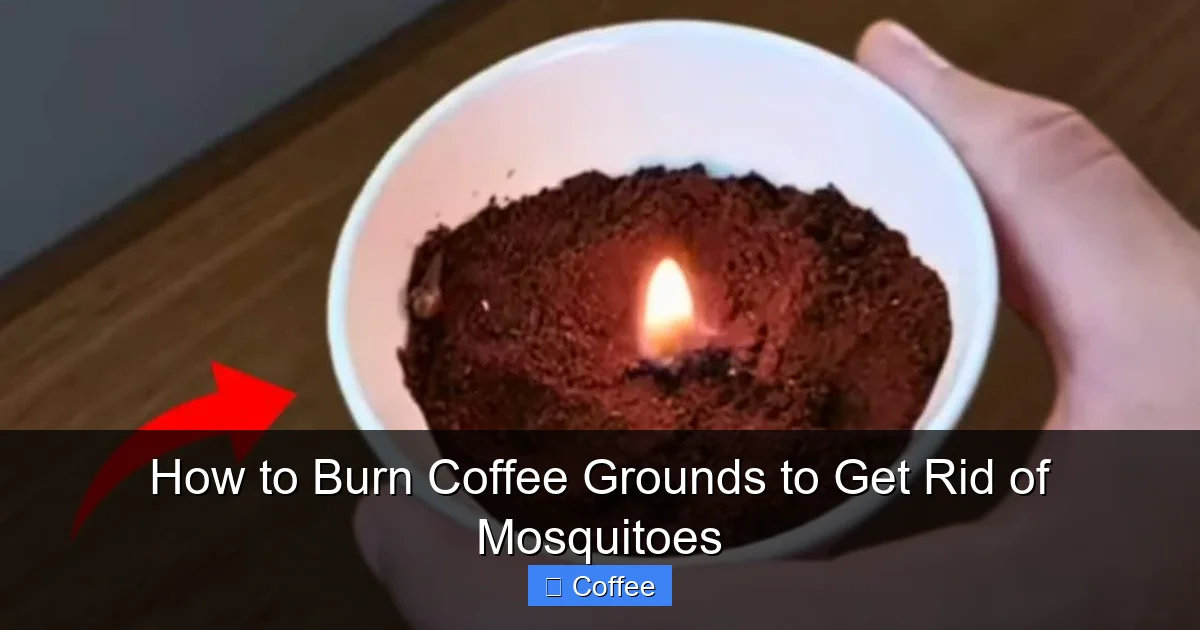
- Ignite Carefully: Use your long lighter to carefully light the *edges* of the coffee grounds mound. Don’t dump lighter fluid on them! The dry grounds should catch fire relatively easily and begin to smolder and produce smoke. If they don’t ignite readily, gently blow on the edges to provide oxygen.
- Let it Smolder: You’re not aiming for a roaring fire. You want a steady, low flame or consistent smoldering that produces a good amount of aromatic smoke. This smoke is your repellent. It should last 20-45 minutes depending on the amount of grounds.
- Monitor Constantly: Never leave burning coffee grounds unattended. Stay nearby, especially for the first few minutes as it ignites. Keep children and pets well away.
- Extinguish Safely: When the smoke diminishes or you’re done, carefully douse the embers with water or cover completely with sand/dirt. Stir the ashes to ensure no hidden embers remain. Let the container cool completely before handling or disposing of the ashes.
This straightforward process is why burn coffee grounds to get rid of mosquitoes is such an accessible solution for almost anyone. It takes mere minutes to set up and provides immediate relief.
Pro Tips for Maximum Mosquito-Banishing Power
Want to get the most out of your coffee ground fire? These insider tips make a big difference:
- Timing is Key: Light your coffee ground repellent 10-15 minutes *before* you plan to sit outside. This gives the smoke time to build up and create the protective barrier in your seating area.
- Refresh as Needed: The smoke effect typically lasts 30-60 minutes. If mosquitoes start returning, simply add a small handful of dry grounds to the still-smoldering embers and blow gently to reignite the smoke.
- Combine with Fans: Place a box fan blowing *across* your seating area, perpendicular to the wind direction carrying the smoke. The fan helps disperse the repellent smoke more evenly and also makes it harder for mosquitoes to fly – a powerful double whammy!
- Location, Location, Location: For patios, place the burning container near the *edge* of your seating area, upwind. Don’t put it right in the middle of your chairs – the smoke needs space to diffuse towards you. If you have a specific problem spot (like under a tree), target that area.
- Use Stronger Brews: Grounds from dark roasts or espresso often have a more intense aroma when burned, potentially offering slightly better repellency than light roast grounds.
- Collect Grounds Daily: Don’t let wet grounds sit in the trash – they’ll mold. Spread them out to dry immediately after brewing for the best results later.
Implementing these simple tweaks significantly boosts the effectiveness of your burning coffee grounds for mosquitoes strategy, turning a basic hack into a reliable patio ritual.
Safety First: Essential Precautions When Burning Coffee Grounds
While burning coffee grounds is generally very safe *when done correctly*, treating any open flame with respect is paramount. Safety isn’t optional; it’s the foundation of enjoying this method. Ignoring precautions turns a helpful hack into a potential hazard.

Visual guide about How to Burn Coffee Grounds to Get Rid of Mosquitoes
Image source: eazvucieidz.exactdn.com
Critical Safety Rules You Must Follow
Adhering to these rules ensures your mosquito solution doesn’t become a fire risk:
- ALWAYS Burn Outdoors: Never, ever burn coffee grounds indoors, in a garage, or near open windows. The smoke, while repellent to mosquitoes, is still smoke – it can set off alarms and isn’t pleasant to breathe in large quantities indoors.
- Non-Flammable Surface Only: Your container MUST be placed on concrete, stone, brick, dirt, or a dedicated fire pit. Avoid grass (even dry grass can ignite), wooden decks (embers can fall through), leaves, mulch, or anything combustible within a 5-foot radius.
- Upwind Placement: As mentioned earlier, position the burning container so the wind carries the smoke *towards* your seating area, not *away* from it. This also prevents smoke from blowing directly into your face.
- Never Leave Unattended: This cannot be stressed enough. Stay with the burning grounds for the entire duration. A moment’s distraction is all it takes for a stray ember to cause trouble.
- Keep Distance: Maintain a safe buffer zone of at least 3-5 feet between the burning container and any furniture, plants, curtains (if near a window), or people. Mosquitoes might avoid the smoke, but curious kids or pets definitely won’t.
- Have Extinguishing Ready: Keep a bucket of water, a garden hose, or a container of sand/dirt immediately nearby *before* you light the grounds. Know how you will put it out quickly if needed.
- Cool Completely: After extinguishing with water or sand, let the container and ashes cool for *at least* an hour before moving or disposing of them. Hot ashes can reignite or cause burns.
These precautions aren’t just suggestions; they’re essential for turning burn coffee grounds to get rid of mosquitoes from a potential hazard into a safe, enjoyable part of your outdoor routine.
What NOT to Do: Common Mistakes to Avoid
Even with good intentions, mistakes can happen. Avoid these pitfalls:
- Using Wet Grounds: As covered, this leads to ineffective smoldering, excessive steam, and a foul smell – not the repellent smoke you need.
- Overfilling the Container: Packing grounds too tightly restricts airflow, causing poor combustion and less smoke. Fill only 1/3 to 1/2 full.
- Using the Wrong Container: Glass can shatter from thermal shock. Thin aluminum might melt or warp. Plastic is a definite fire hazard. Stick to thick metal, cast iron, or unglazed ceramic.
- Ignoring Wind Direction: Burning downwind means the smoke blows away from you, rendering the effort useless against mosquitoes near you.
- Adding Accelerants: Never use gasoline, lighter fluid, or alcohol to get the grounds burning. This is extremely dangerous and can cause flare-ups or explosions.
- Burning Near Structures: Placing the container too close to your house, fence, or shed risks igniting those structures, especially on windy days.
By avoiding these common errors, you ensure your mosquito-fighting coffee fire remains a safe and effective tool. Safety transforms this simple method into a truly reliable solution for burning coffee grounds for mosquitoes.
How Effective Is It Really? Setting Realistic Expectations
Let’s be honest: Burning coffee grounds won’t make you completely invisible to mosquitoes like a strong DEET-based repellent might in a swamp. But that’s not the goal. Understanding its realistic effectiveness helps you use it wisely and avoid disappointment.
Where Coffee Ground Burning Shines
This method excels in specific scenarios:
- Small, Defined Outdoor Areas: Your patio, deck, balcony, or a small seating area in the backyard are perfect. The smoke can effectively blanket these compact zones.
- Light to Moderate Mosquito Pressure: If you typically get a few mosquitoes buzzing around in the evening, coffee grounds can significantly reduce their numbers and annoyance. It’s ideal for typical suburban or urban backyards.
- Immediate, Short-Term Relief: Need to enjoy your coffee outside for an hour? Light the grounds 10 minutes prior, and you’ll have a mosquito-reduced zone for that duration.
- As Part of an Integrated Approach: This is where it truly shines. Combine burning coffee grounds with:
- Fans: As mentioned, fans disrupt mosquito flight and disperse the repellent smoke.
- Repellent Plants: Grow lavender, rosemary, mint, or citronella grass nearby for added scent barriers.
- Personal Repellent: Apply an EPA-approved repellent (like Picaridin or Oil of Lemon Eucalyptus) to exposed skin for personal protection, especially if mosquitoes are persistent.
- Eliminate Standing Water: Remove birdbaths, clogged gutters, or containers holding water – the source of mosquitoes.
- Eco-Conscious Users: For those avoiding chemicals, it’s a fantastic natural tool that utilizes waste.
In these contexts, burn coffee grounds to get rid of mosquitoes is highly effective at *reducing* mosquito encounters and making your outdoor time far more pleasant.
Where It Falls Short (And What to Do Instead)
It’s important to recognize the limitations:
- Large Yards or Heavy Infestations: If your yard is a mosquito breeding ground (lots of standing water, dense woods nearby), coffee grounds alone won’t cut it. You need source control (eliminate water) and potentially professional treatment.
- Complete Protection: It creates a barrier zone but doesn’t make *you* repellent. Mosquitoes outside the smoke plume might still find you, especially if you move around.
- Windless Conditions: On very calm days, the smoke doesn’t disperse well, reducing effectiveness. A fan becomes even more critical here.
- Compared to DEET/Picaridin: Chemical repellents provide longer-lasting, more reliable personal protection, especially in high-risk disease areas (like malaria zones). Coffee grounds are a spatial repellent for an area, not a personal one.
If you’re dealing with a severe problem, view coffee ground burning as *one tool* in your arsenal, not the sole solution. For personal protection in high-risk situations, always rely on CDC-recommended repellents. But for that perfect evening on the patio with your coffee, burning coffee grounds for mosquitoes is often more than sufficient.
Beyond the Burn: Other Clever Uses for Spent Coffee Grounds
While repelling mosquitoes is a fantastic use, your spent coffee grounds are veritable multitaskers. Don’t just stop at the fire pit! Here are other brilliant ways to give them a second life, making your coffee habit even more sustainable:
Garden Gold: Fertilizer and Pest Deterrent
Coffee grounds are a mild fertilizer and soil amendment:
- Nitrogen Boost: They add nitrogen to compost, helping create nutrient-rich soil. Add them directly to your compost bin (balance with browns like leaves).
- Soil Structure: Mixed into garden soil, they can improve aeration and drainage, especially in clay soils.
- Worm Food: Vermicomposting worms love coffee grounds! Add small amounts to your worm bin.
- Repel Other Pests: Sprinkle dry grounds around plants to deter slugs, snails, and even ants (though evidence for ants is mixed). The strong scent and gritty texture can be off-putting.
- Acid-Loving Plants: Roses, azaleas, rhododendrons, and blueberries appreciate the slight acidity of coffee grounds. Work a thin layer into the soil around them.
Just remember: Use grounds moderately in the garden. Too much can create a water-repellent barrier or alter soil pH excessively. Always compost them first for the safest application.
Household Hacks: Deodorizer and Scouring Power
Put that coffee aroma to work indoors:
- Fridge & Freezer Deodorizer: Place a small bowl of dry grounds in your fridge or freezer to absorb odors. Replace every few weeks.
- Odorous Hands: Rub damp grounds on your hands after handling garlic, onions, or fish to neutralize smells. Rinse well.
- Gentle Scouring Agent: Mix dry grounds with a little dish soap for a natural, abrasive scrub for pots, pans, or grimy surfaces (test on a small area first). The grit helps lift stuck-on food without harsh chemicals.
- Shoe Deodorizer: Fill a sock with dry grounds and tuck it into smelly shoes overnight.
These uses ensure your coffee grounds earn their keep long after the last drop of brew is gone, complementing their role in burn coffee grounds to get rid of mosquitoes.
Conclusion: Reclaim Your Outdoor Oasis, One Coffee Ground at a Time
That buzzing interruption to your perfect coffee moment doesn’t have to be inevitable. As we’ve explored, burn coffee grounds to get rid of mosquitoes is a remarkably simple, effective, and eco-conscious solution hiding right in your kitchen waste bin. It leverages the power of scent and smoke – nature’s own repellent – to create a protective barrier around your favorite outdoor seating spot. By using spent grounds you’d otherwise discard, you’re not just fighting mosquitoes; you’re reducing waste and embracing a sustainable lifestyle hack.
The beauty lies in its accessibility. No special purchases, no complex setups, just a heat-safe container, a lighter, and your dried coffee leftovers. Follow the safety precautions diligently – burn outdoors on non-flammable surfaces, never leave it unattended, and respect the wind direction – and you’ve got a safe method that delivers tangible results. While it won’t replace heavy-duty repellents in mosquito jungles, for the typical patio, deck, or small backyard gathering, it significantly cuts down on bites and annoyance, especially when paired with fans or repellent plants. It’s about managing expectations: this is a tool for *reducing* mosquito pressure and *enhancing* your comfort, not achieving total invisibility. So, the next time you brew your morning cup, save those grounds. Let them dry, light them up safely before your evening coffee on the porch, and breathe easy knowing you’ve turned waste into a welcome barrier. Enjoy that itch-free sip, reclaim your outdoor space, and savor the satisfaction of a clever, natural solution. Your perfect coffee break awaits – mosquito-free.
Frequently Asked Questions
Does burning coffee grounds actually work on mosquitoes?
Yes, it works effectively for many people, especially in small outdoor areas like patios. The strong smoke and aroma mask human scents (like CO2) that mosquitoes use to locate targets, creating a temporary barrier. It’s most successful for light to moderate mosquito pressure when used correctly and combined with other strategies like fans.
What’s the best container to burn coffee grounds in?
A simple metal pie tin is the most popular and effective choice. Other good options include a small cast iron skillet, a terracotta pot saucer (unglazed bottom), or any thick, heat-proof metal dish. Avoid glass, plastic, or thin aluminum that could shatter or melt.
Can I burn coffee grounds indoors to repel mosquitoes?
Absolutely not. Burning coffee grounds should only be done outdoors in a safe, open area away from structures. Burning indoors creates excessive smoke that can set off alarms, is unpleasant to breathe, and poses a significant fire hazard.
How much coffee grounds do I need for effective mosquito repellent?
Fill your heat-safe container (like a pie tin) about one-third to one-half full with dry spent grounds. This amount typically produces enough smoke for a small patio or seating area for 30-45 minutes. You can always add more if needed.
Are coffee grounds as effective as citronella candles?
Both create smoke barriers, but coffee grounds often have a stronger, more immediate aroma when burned fresh. Citronella candles provide longer, more consistent burn times but need purchasing. Coffee grounds are free and use waste, making them a great eco-friendly alternative, though effectiveness can vary slightly by location and mosquito species.
Can I compost coffee grounds after using them for mosquito repellent?
Yes! Once the ashes have cooled completely, you can add them to your compost bin. The ashes are rich in potassium and other trace minerals beneficial for plants. Just ensure they are fully extinguished and cool before composting.