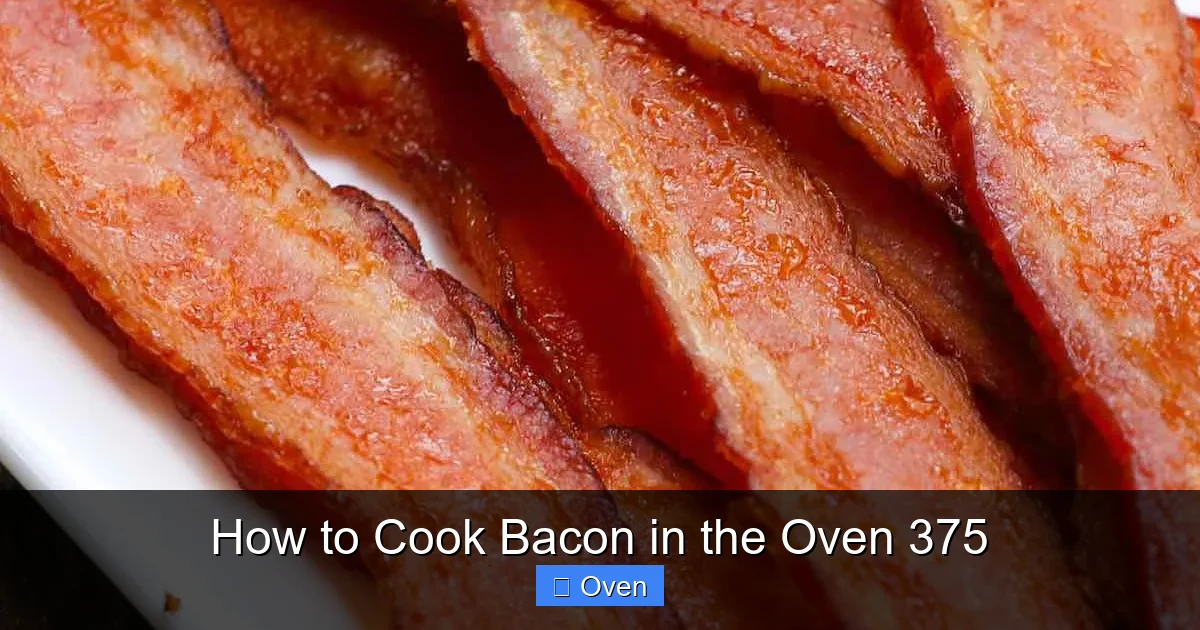
Master oven-baked bacon at 375°F for consistently crispy strips without messy splatters or constant flipping. This hands-off method yields restaurant-quality results every time, whether you’re cooking for one or a crowd. Say goodbye to greasy stovetop struggles and hello to perfectly rendered bacon with minimal effort.
Key Takeaways
- 375°F is the sweet spot: This temperature renders fat slowly without burning, ensuring even crispness from edge to edge.
- Use a rack for airflow: Elevating bacon on a wire rack prevents steaming and guarantees crispy results on both sides.
- Line your pan properly: Heavy-duty foil or parchment prevents sticking and makes cleanup nearly effortless.
- Timing varies by thickness: Thin-cut bacon cooks in 12-15 minutes; thick-cut needs 18-22 minutes. Always check early!
- Drain fat on paper towels: Transferring cooked bacon to paper towels removes excess grease for ideal texture.
- Save that bacon fat: Strain and store rendered fat in the fridge for cooking potatoes, eggs, or adding flavor to dishes.
- Oven method = hands-off perfection: No flipping, no splatters, and consistent results make this the ultimate bacon technique.
Quick Answers to Common Questions
Can I cook bacon directly on the baking sheet without a rack?
No, this is not recommended. Cooking bacon directly on the pan traps rendered fat underneath, steaming the bacon and preventing it from getting truly crispy. The wire rack is essential for airflow and even cooking on both sides.
How long does thick-cut bacon take at 375°F?
Thick-cut bacon typically takes 18-22 minutes at 375°F. Always start checking at 18 minutes, as ovens vary and thickness differs between brands. Look for deep golden brown color and firm texture.
Why is my oven bacon chewy instead of crispy?
Chewy bacon is usually undercooked or steamed. Ensure you’re using a rack, not overcrowding the pan, checking early (start at 12 mins for thin-cut), and draining thoroughly on paper towels immediately after baking.
Can I use aluminum foil instead of parchment to line the pan?
Yes, heavy-duty aluminum foil is actually the preferred lining for the pan under the rack. It’s durable, handles high heat well, and makes cleanup effortless. Just crumple it slightly for better grip.
Is it safe to leave bacon fat in the oven pan overnight?
No, never leave hot bacon fat unattended in the oven or on the stovetop. Once cooking is complete, carefully pour the cooled fat into a heatproof container for storage (if saving) or dispose of it properly once completely cool. Hot fat can cause severe burns or start a fire.
📑 Table of Contents
- Why Bother Cooking Bacon in the Oven at 375°F?
- The Science Behind 375°F: Why This Temperature Wins
- Essential Prep: Setting Up for Oven Bacon Success
- Step-by-Step: Cooking Bacon in the Oven at 375°F
- Troubleshooting Common Oven Bacon Problems
- Beyond Breakfast: Creative Uses for Oven-Baked Bacon
- Storing and Reheating: Keeping Oven Bacon Perfect
- Conclusion: Your New Go-To Bacon Method
Why Bother Cooking Bacon in the Oven at 375°F?
Let’s be honest: stovetop bacon is a gamble. One minute it’s perfect, the next it’s a charred, greasy mess splattered across your entire cooktop. You’re stuck babysitting the pan, flipping strips constantly, and praying you don’t get burned by flying hot fat. Sound familiar? That’s where the oven method shines. Specifically, cooking bacon in the oven at 375°F transforms this breakfast staple from a stressful chore into a nearly foolproof, hands-off delight.
Why 375°F? It’s the Goldilocks temperature for bacon. Too low (like 300°F), and the fat renders too slowly, leading to soggy, undercooked strips that never get truly crispy. Too high (like 425°F), and the sugar in the bacon caramelizes too fast, burning the edges before the center fat has a chance to render out properly. At 375°F, the fat melts gently and evenly. The heat penetrates the meat slowly, allowing the collagen to break down into that perfect tender-crisp texture we all crave. The result? Bacon that’s consistently cooked from edge to edge, with no raw spots or burnt tips. Plus, the oven contains all that splatter – your kitchen stays clean, and you avoid those painful grease burns. It’s simply the most reliable way to achieve bacon perfection, especially when cooking larger batches for family breakfasts or brunch gatherings.
The Science Behind 375°F: Why This Temperature Wins
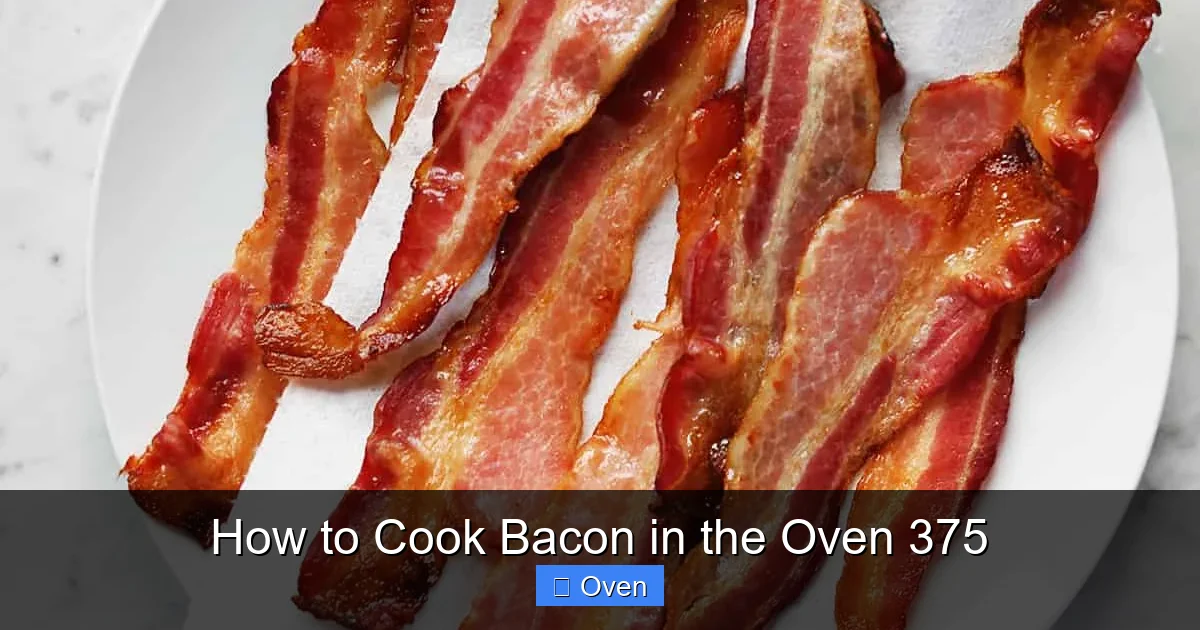
Understanding why 375°F works so well takes us into the fascinating world of bacon chemistry. Bacon is mostly fat (about 50-70%), with muscle protein and connective tissue making up the rest. The magic happens when that fat renders – melts from solid to liquid. This rendering process needs time and the right heat. At 375°F, the oven provides gentle, ambient heat that surrounds the bacon evenly. Unlike the direct, intense heat of a stovetop burner that hits one spot fiercely, the oven’s radiant heat allows the fat to melt gradually throughout the entire strip.
Visual guide about How to Cook Bacon in the Oven 375
Image source: abeautifulmess.com
Rendering Fat Without Burning Sugar
Bacon contains natural sugars (like dextrose) and salts (like sodium nitrate) used in curing. These sugars caramelize beautifully, contributing to that deep, complex flavor and appealing color we love. However, caramelization happens quickly at high temperatures. At 375°F, the rendering process (which starts around 130°F internally) has ample time to complete *before* the surface sugars reach their burning point (around 320°F). This slow dance ensures the fat fully liquefies, the meat firms up, and the sugars develop rich flavor without turning bitter. It’s the difference between bacon that’s merely “cooked” and bacon that’s truly *rendered* – where every bite is tender, juicy, and packed with flavor.
Even Heat Distribution is Key
Ovens, especially conventional ones, circulate hot air. This convection (even in a standard oven) means heat reaches the bacon from all sides more uniformly than a pan on the stove, which heats primarily from the bottom. When you place bacon on a rack over a pan in the oven, hot air flows *under* and *around* the strips. This prevents the bottom from steaming in its own rendered fat (a common cause of sogginess on the stovetop) and ensures both sides crisp up simultaneously. The 375°F temperature is perfectly calibrated to leverage this even heat distribution for optimal results. No more flipping halfway through – the oven does the work for you.
Essential Prep: Setting Up for Oven Bacon Success
Success with bacon in the oven at 375°F starts long before you preheat. A little prep ensures perfect results and makes cleanup a breeze. Don’t skip these steps – they’re the foundation of the method.
Visual guide about How to Cook Bacon in the Oven 375
Image source: i.pinimg.com
Choosing the Right Pan and Rack
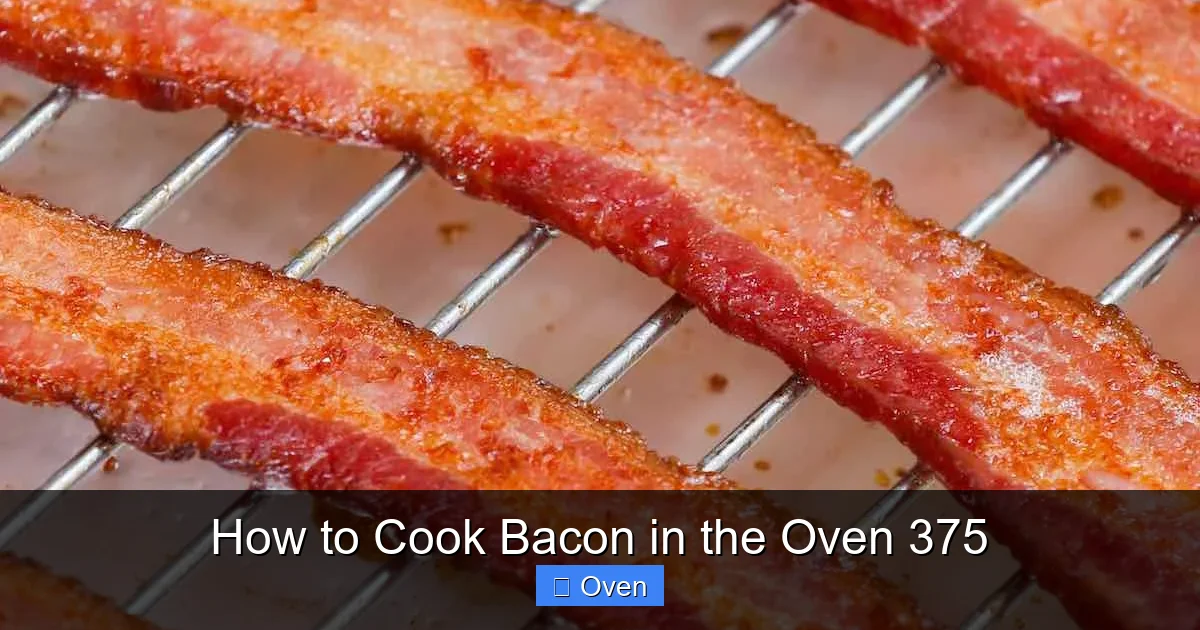
You need two things: a sturdy rimmed baking sheet (a half-sheet pan, 18×13 inches, is ideal) and a wire cooling rack that fits snugly inside it. The rack is non-negotiable. Placing bacon directly on the pan bottom traps rendered fat underneath, steaming the bacon and preventing crispness. The rack elevates the strips, allowing air and heat to circulate completely around them. This is how you get that signature crispy-on-all-sides texture. If you don’t have a rack, *do not substitute* with crumpled foil – it won’t provide consistent airflow and can cause uneven cooking. A rack is worth the small investment.
Lining for Easy Cleanup
Line your baking sheet *under* the wire rack with heavy-duty aluminum foil or parchment paper. This is crucial. As the bacon cooks, it releases significant amounts of fat. Without lining, this grease will bake onto the pan, creating a sticky, burnt mess that’s incredibly difficult to scrub off later. Foil is the easiest – just crumple it slightly for texture (helps grip the rack) and you can toss it when done. Parchment works well too but ensure it’s rated for high heat (most are). Avoid wax paper – it will melt! This simple step saves you 20 minutes of post-cooking scrubbing.
Prepping the Bacon: To Pat or Not to Pat?
Most bacon comes packed in a bit of its own liquid or curing solution. For the crispiest results, gently pat the strips *dry* with paper towels before placing them on the rack. This removes surface moisture that can cause splattering and slightly slow down the initial rendering. Don’t press hard – you just want to blot excess liquid. If your bacon is very thick-cut or seems particularly wet, this step is especially helpful. For standard bacon, it’s a quick extra step that makes a noticeable difference in the final texture.
Step-by-Step: Cooking Bacon in the Oven at 375°F
Now for the fun part! This method is incredibly straightforward. Once your oven is preheated and your pan/rack is prepped, you’re just minutes away from bacon bliss.
Visual guide about How to Cook Bacon in the Oven 375
Image source: tipbuzz.com
Preheat and Position
Preheat your oven to 375°F (190°C). While it heats, position your oven rack in the center. This ensures the bacon is equidistant from the top and bottom heating elements, promoting the most even cooking. Avoid the top rack (too close to the broiler element, risking burning) or the bottom rack (too close to the main heating element, potentially causing uneven bottom cooking).
Arrange the Bacon
Place the bacon strips in a single layer on the wire rack, leaving a little space (about 1/4 to 1/2 inch) between each strip. Overcrowding is the enemy of crispiness! If strips touch, they steam each other instead of crisping up. If you have more bacon than fits comfortably, cook it in batches. It’s better to have slightly less bacon perfectly cooked than a crowded pan of mediocre strips. Don’t worry about overlapping slightly at the ends – they’ll shrink as they cook.
The Bake: Timing is Everything (But Flexibility is Key)
Place the pan with the rack and bacon into the preheated oven. Set your timer, but remember: **timing is a guide, not a rule.** Bacon thickness varies wildly between brands and cuts (regular, thick-cut, center-cut). Start checking at the minimum time:
- Thin-cut bacon: Check at 12 minutes. It’s usually done between 12-15 minutes.
- Standard thickness bacon: Check at 15 minutes. Typically done between 15-18 minutes.
- Thick-cut bacon: Check at 18 minutes. Often needs 18-22 minutes.
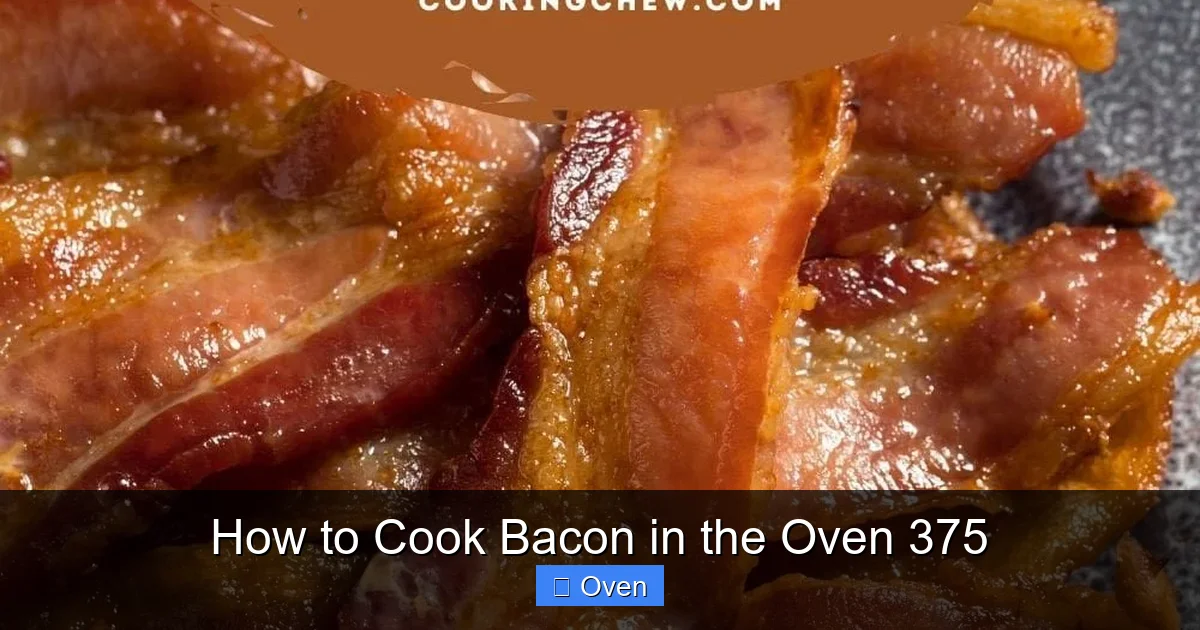
How do you know it’s done? Look for deep golden brown color, significant shrinkage (about 25-30% smaller), and the fat should be mostly rendered and bubbling gently. The meat should feel firm to a gentle poke with tongs, not soft or jelly-like. **Crucially: Bacon continues to cook slightly on the rack after removal from the oven (carryover cooking).** Remove it when it’s *just* shy of your ideal crispness. If you wait until it’s perfectly crisp in the oven, it will likely be overdone once it cools slightly on the paper towels.
Draining and Cooling
As soon as the bacon reaches your desired doneness, carefully remove the pan from the oven (use oven mitts – the rack and pan will be extremely hot!). Using tongs, immediately transfer the bacon strips to a plate or baking sheet lined with several layers of paper towels. This step is vital for removing excess surface grease, which is what makes bacon feel greasy instead of perfectly crisp. Let the bacon rest on the paper towels for 2-3 minutes. This allows the residual heat to finish the cooking process gently and lets the fat solidify slightly, improving the texture. Don’t skip the paper towels – they make a huge difference!
Troubleshooting Common Oven Bacon Problems
Even with the perfect method, things can occasionally go sideways. Here’s how to fix the most common issues when cooking bacon in the oven at 375°F.
Why is My Bacon Soggy or Chewy?
Sogginess usually stems from two culprits: **trapped fat** or **overcrowding**. If you didn’t use a wire rack and placed bacon directly on the pan, rendered fat pooled underneath, steaming the bacon instead of crisping it. Always use a rack! Overcrowding the rack causes strips to touch, creating pockets of steam. Ensure space between strips. Another possibility is **checking too late**. Bacon goes from perfect to overcooked quickly. Start checking early, especially with thin-cut. Finally, **not draining properly** on paper towels leaves excess surface grease. Always transfer to paper towels immediately after baking.
Uneven Cooking: Burnt Edges, Raw Centers
This often happens with **thick-cut bacon** if the oven temperature isn’t quite right or the rack position is off. Ensure your oven is fully preheated (use an oven thermometer – many home ovens are inaccurate!) and the rack is centered. If edges are consistently burning first, your oven might run hot. Try reducing the temperature to 365°F and adding a few minutes to the cook time. Alternatively, if your oven has a convection setting, use it – the fan circulates heat more evenly, often reducing hot spots. For very thick bacon, you *can* carefully flip the strips halfway through cooking (around the 10-12 minute mark for standard thickness), though the rack method usually minimizes the need.
Bacon is Too Salty or Too Bland
Saltiness is inherent to bacon due to the curing process and varies by brand. There’s little you can do *during* cooking to reduce salt, but rinsing strips *very briefly* under cold water and patting *extremely* dry *before* baking can help slightly (though it may wash away some flavor). For bland bacon, it’s likely the brand itself. Experiment with different types (applewood smoked, maple, hickory) or consider a light sprinkle of brown sugar or black pepper *before* baking for added complexity. Remember, the rendered fat itself is packed with flavor – save it for cooking!
Excessive Splattering in the Oven
While the oven contains splatter far better than the stovetop, some is normal, especially with very fatty bacon or if strips are overcrowded. To minimize it: **Pat bacon dry** before baking (surface moisture causes more splatter), **don’t overcrowd** the rack, and **avoid moving the rack** excessively during cooking. If splatter is severe, place a second sheet pan on the rack *below* your bacon pan to catch drips (ensure it doesn’t block airflow). Never put water in the pan – it creates dangerous steam.
Beyond Breakfast: Creative Uses for Oven-Baked Bacon
Perfectly cooked bacon in the oven at 375°F isn’t just for pancakes and eggs. Its superior texture and consistent quality make it ideal for elevating countless dishes. The hands-off method also means you can cook bacon while simultaneously preparing other components of a meal.
Bacon as a Flavor Powerhouse
That rendered bacon fat is liquid gold. Strain it through a fine-mesh sieve or cheesecloth into a heatproof container (a mason jar works great). Let it cool slightly, then refrigerate. Use it instead of oil or butter for:
- Sautéing vegetables: Toss Brussels sprouts, green beans, or asparagus in bacon fat before roasting for incredible depth.
- Frying eggs: Cook your eggs in a tablespoon of bacon fat for unmatched flavor.
- Mashing potatoes: Stir a tablespoon or two into hot mashed potatoes – pure comfort food.
- Making gravy: Use it as the base fat for a phenomenal sausage or turkey gravy.
The fat keeps for months in the fridge and adds a savory, smoky punch you simply can’t replicate otherwise.
Elevating Salads and Sandwiches
Oven-baked bacon’s consistent crispness makes it perfect for salads where you want clean, distinct pieces that don’t wilt the greens. Crumble it over a classic Cobb salad, a warm spinach salad with apples and pecans, or a simple arugula salad with lemon vinaigrette. For sandwiches, the even cooking means every bite has the right balance of meat and fat. Layer it in a BLT, a turkey club, or even a grilled cheese for next-level flavor and texture. The lack of greasiness (thanks to proper draining) means your sandwich won’t get soggy.
Bacon in Baked Goods and Appetizers
Yes, bacon belongs in more than just savory dishes! Finely chopped oven-baked bacon adds a salty, smoky counterpoint to sweet treats. Mix it into brownie batter, banana bread, or cornbread. For appetizers, wrap oven-baked bacon around scallops, dates stuffed with goat cheese, or jalapeño poppers. The pre-cooked bacon ensures these bites cook evenly in the oven or on the grill without the bacon burning before the filling is heated through. You can even crumble it over deviled eggs or into a creamy dip for an instant flavor boost.
Storing and Reheating: Keeping Oven Bacon Perfect
Got leftovers? Oven-baked bacon stores and reheats beautifully, often better than stovetop bacon, thanks to its consistent texture and lower grease content.
Proper Storage
Let cooked bacon cool completely on paper towels. Once cool, transfer it to an airtight container or a heavy-duty resealable plastic bag. Press out as much air as possible before sealing. Properly stored, oven-baked bacon will keep well in the refrigerator for **3-4 days**. For longer storage, freeze it! Place cooled bacon strips in a single layer on a parchment-lined baking sheet and freeze until solid (about 1-2 hours). Then transfer the frozen strips to a freezer bag, removing excess air. Frozen bacon keeps for **up to 3 months** without significant quality loss.
Reheating Without Ruining Texture
The key to great reheated bacon is avoiding the microwave, which tends to make it tough and chewy. Instead:
- Oven Method (Best): Preheat oven to 325°F. Place bacon strips on a wire rack set over a baking sheet. Heat for 5-10 minutes, until warmed through and recrisped. This restores the texture perfectly.
- Toaster Oven: A great small-batch alternative. Use the same rack-over-pan setup at 325°F for 5-8 minutes.
- Stovetop (Quick Option): Heat a *dry* non-stick skillet over medium-low heat. Add bacon and cook, turning once, for 2-4 minutes per side until heated and crisped. Watch closely to avoid burning.
Never reheat bacon in its own grease – it will become soggy. The goal is to gently rewarm and recrisp the surface.
Conclusion: Your New Go-To Bacon Method
Cooking bacon in the oven at 375°F isn’t just a method; it’s a game-changer for anyone who loves this iconic breakfast staple. It solves the biggest pain points of stovetop cooking: the constant vigilance, the dangerous splatters, the uneven results, and the messy cleanup. By leveraging the oven’s gentle, even heat and the simple technique of elevating the bacon on a rack, you achieve consistently perfect results – crispy, tender, flavorful strips every single time, whether you’re making two slices for yourself or a full pound for a crowd.
The beauty lies in its simplicity and reliability. Preheat, prep your pan, arrange the bacon, set the timer, and walk away. No more hovering over the stove, no more burnt fingers, no more guessing if it’s done. The 375°F temperature is scientifically optimized to render the fat slowly and evenly, ensuring deep flavor development without burning. Plus, the bonus of easy cleanup and usable rendered fat makes this method incredibly practical. Once you experience the difference oven-baked bacon at 375°F makes – the texture, the flavor, the sheer convenience – you’ll wonder why you ever did it any other way. Ditch the splatter and the stress. Preheat your oven, grab that rack, and get ready to enjoy the best bacon of your life.
Frequently Asked Questions
What temperature should I cook bacon in the oven for perfect crispness?
375°F (190°C) is widely considered the ideal temperature for oven-baked bacon. It renders the fat slowly and evenly without burning the sugars, ensuring consistent crispness from edge to edge. Lower temperatures risk sogginess, while higher temperatures often burn the edges before the center cooks through.
Do I need to flip bacon when cooking it in the oven?
No, flipping is generally unnecessary when using the wire rack method at 375°F. The elevated rack allows hot air to circulate completely around the bacon, cooking both sides evenly. Flipping can sometimes cause breakage or uneven results. Only flip if you notice significant uneven cooking (rare with proper rack placement).
How do I prevent bacon from sticking to the wire rack?
Bacon rarely sticks to a clean, dry wire rack when cooked at the right temperature. Ensure the rack is clean and free of old grease buildup. Patting bacon strips dry before placing them on the rack also helps. If concerned, you can lightly spray the rack with high-heat oil (like avocado oil) *before* adding bacon, but it’s usually not needed.
Can I cook bacon in a convection oven at 375°F?
Yes, convection ovens work excellently for bacon. The fan circulates hot air more efficiently, often leading to even faster and more uniform cooking. You may need to reduce the cook time by 2-4 minutes compared to a conventional oven, so start checking earlier. Keep the temperature at 375°F.
How long does cooked bacon last in the refrigerator?
Properly stored cooked bacon (in an airtight container or sealed bag) lasts 3-4 days in the refrigerator. Ensure it’s cooled completely before storing. For longer storage, freeze it for up to 3 months. Reheat gently in the oven or toaster oven to maintain crispness.
What’s the best way to save and use rendered bacon fat?
Strain hot bacon fat through a fine-mesh sieve or cheesecloth into a heatproof container (like a mason jar). Let it cool slightly, then refrigerate. It solidifies and keeps for months. Use it for sautéing vegetables, frying eggs, making gravy, or adding flavor to roasted potatoes – it’s a versatile cooking fat packed with savory goodness.