
Transform ordinary rice into fragrant, vibrant pandan rice effortlessly using just your rice cooker and fresh pandan leaves. Simply tie the leaves, simmer with rice and water, and achieve perfectly infused, subtly sweet grains that elevate any meal in under an hour.
Key Takeaways
- Always knot pandan leaves: Securely to prevent leaf fragments in your rice.
- Maintain precise water ratios: Use 1:1.25 rice-to-water for perfect texture.
- Choose fragrant jasmine rice: Enhances pandan’s natural aroma and flavor.
- Let rice rest 10 minutes: After cooking for optimal fluffiness and moisture.
- Never open the cooker early: Preserves steam for even cooking and fragrance.
- Ensure pandan leaves are fresh: For maximum color and authentic tropical scent.
📑 Table of Contents
- How to Cook Pandan Rice in Rice Cooker
- What is Pandan Rice? (And Why You’ll Love It)
- Why Your Rice Cooker is Perfect for Pandan Rice
- Essential Ingredients and Tools You’ll Need
- Step-by-Step Guide to Cooking Pandan Rice in Your Rice Cooker
- Troubleshooting Common Pandan Rice Issues
- Creative Ways to Elevate Your Pandan Rice
- Bringing the Tropics to Your Table, One Grain at a Time
How to Cook Pandan Rice in Rice Cooker
I’ll never forget the first time I smelled pandan rice. It was at a tiny family-run Thai restaurant tucked away in Bangkok’s backstreets. The air was thick with this sweet, vanilla-coconut aroma that made my stomach growl before I even sat down. When the dish arrived—vibrant green grains steaming in a clay pot—I was hooked. That fragrant, subtly sweet rice became my holy grail. But here’s the thing: I’m not a professional chef. I’m just a home cook who loves big flavors without big fuss. And after years of trial and error (and a few sad, mushy batches), I discovered the secret to perfect pandan rice? Your humble rice cooker. Seriously. No fancy equipment, no constant stirring—just set it and forget it. If you’ve ever felt intimidated by pandan leaves or worried about ruining your rice cooker, this guide is for you. I’m sharing exactly how to cook pandan rice in a rice cooker—simple, foolproof, and bursting with that iconic tropical scent.
Let’s be real: pandan rice looks magical, but it’s surprisingly approachable. You don’t need a mortar and pestle or a wok. All you need is your trusty rice cooker, a few pandan leaves, and basic pantry staples. I remember my early attempts—tangled leaves, uneven cooking, and rice that tasted more like green dye than dessert. But once I cracked the rice cooker method, everything changed. The gentle, consistent heat extracts pandan’s essence without scorching it, and the automatic shut-off means no burnt bottoms. Whether you’re cooking for a special occasion or just craving a fragrant side dish, this method delivers restaurant-quality results with minimal effort. Plus, it’s a total conversation starter. Imagine serving fluffy, jade-green rice at your next dinner party—your friends will think you’ve been hiding serious skills. Ready to transform your rice cooker into a pandan powerhouse? Let’s dive in.
What is Pandan Rice? (And Why You’ll Love It)
Pandan rice isn’t just rice with food coloring—it’s a beloved Southeast Asian staple with roots in Thailand, Malaysia, Indonesia, and Vietnam. The magic comes from Pandanus amaryllifolius, a tropical plant with long, blade-like leaves that release a natural, sweet fragrance when heated. Think of it as nature’s vanilla: floral, creamy, and subtly grassy. When infused into rice, it creates a delicate aroma that elevates everything from curries to grilled meats. And here’s the best part: it’s gluten-free, vegan, and packed with antioxidants. No artificial flavors, no sugar bombs—just pure, plant-powered goodness.
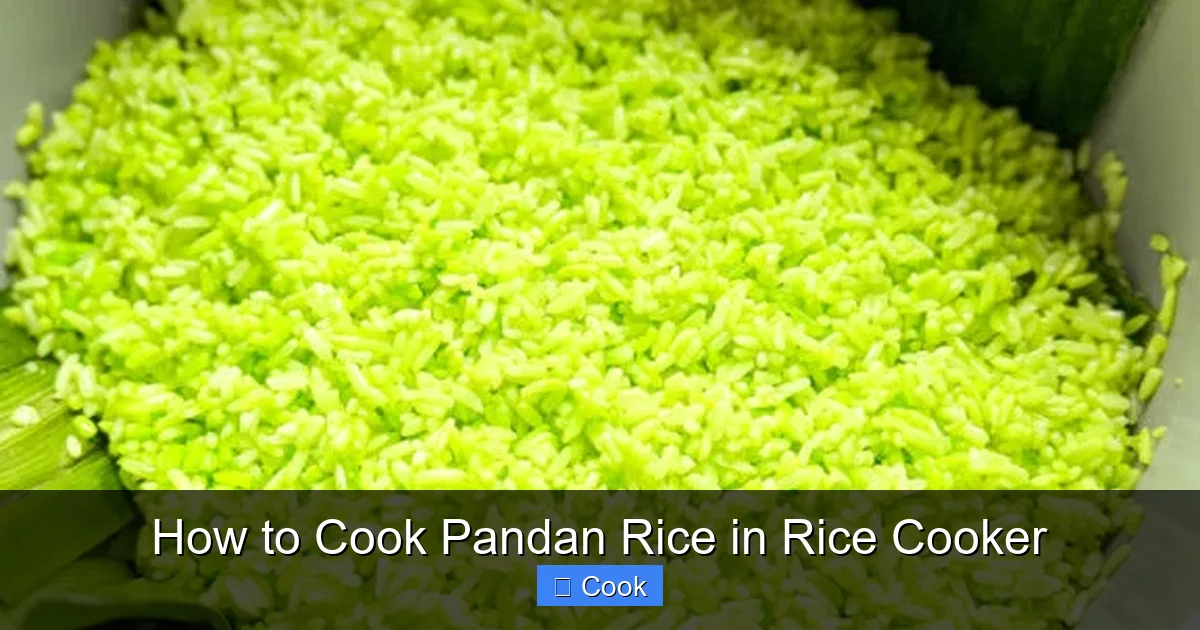
Visual guide about How to Cook Pandan Rice in Rice Cooker
Image source: jenhdao.com
The Secret Behind Pandan’s Signature Scent
That unmistakable pandan perfume? It’s all thanks to a compound called 2-acetyl-1-pyrroline. Sounds fancy, but it’s the same molecule found in jasmine rice and popcorn—that’s why pandan rice smells so comforting and familiar. When you heat the leaves (especially by knotting or crushing them), this compound releases slowly, infusing the rice with its essence. The result is a dish that’s fragrant but not overpowering—like a hug in a bowl. I’ve served it to skeptics who assumed it would taste “herbal” or “medicinal,” and they’re always surprised by how approachable it is. It’s not a dessert rice (though it pairs beautifully with sticky rice sweets!), but a versatile side that complements savory dishes perfectly.
Why Pandan Rice Deserves a Spot in Your Rotation
Beyond the aroma, pandan rice is a game-changer for home cooks. First, it’s visually stunning—those pale green grains turn any meal into a feast for the eyes. Second, it’s incredibly versatile. Serve it with coconut curry, grilled chicken, or even as a base for poke bowls. Third, it’s surprisingly healthy. Pandan leaves are rich in vitamins A and C, and the rice itself retains all the nutrients of your chosen grain (more on that later). But my favorite perk? It’s forgiving to make. Unlike stovetop methods that demand constant attention, the rice cooker does the heavy lifting. No more guessing water ratios or babysitting the pot. Just prep, press, and enjoy. If you’ve ever felt intimidated by “exotic” ingredients, pandan rice is the perfect gateway—it’s simpler than you think and oh-so-rewarding.
Why Your Rice Cooker is Perfect for Pandan Rice
Let’s address the elephant in the room: can you *really* make great pandan rice in a rice cooker? Absolutely—and I’d argue it’s the best method for beginners. Rice cookers are designed for one thing: perfect rice, every time. They maintain a steady, low temperature that gently coaxes out pandan’s flavor without burning the leaves (a common stovetop mishap). Plus, their sealed environment traps steam, ensuring the rice absorbs every drop of that fragrant essence. I’ve tried cooking pandan rice on the stove, and it’s finicky—too hot, and the leaves turn bitter; too cool, and the flavor stays muted. But in a rice cooker? It’s hands-off magic. The automatic “keep warm” setting even lets the rice rest and firm up, preventing that gummy texture we all hate.
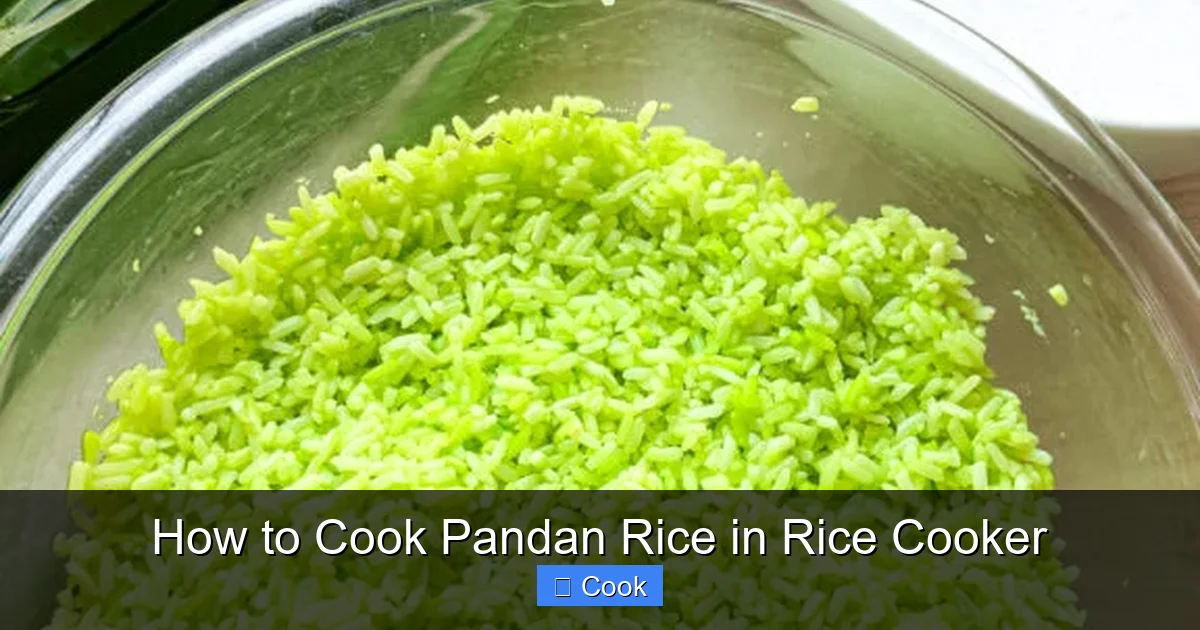
Visual guide about How to Cook Pandan Rice in Rice Cooker
Image source: jenhdao.com
The Science of Rice Cooker Perfection
Here’s why rice cookers win for pandan rice: they use a thermostat-controlled heating element that cycles between cooking and warming. During the “cook” phase, the water boils at 212°F (100°C), creating steam that circulates through the grains. This steam carries pandan’s volatile oils into the rice, infusing it evenly. Then, when the water evaporates, the thermostat detects the temperature rise and switches to “keep warm.” This pause lets the rice steam further, setting the grains. No scorching, no uneven cooking—just fluffy, aromatic perfection. Even basic rice cookers (under $30!) handle this beautifully. Fancy models with “porridge” or “steam” settings? Even better, but not essential. As long as your cooker has a standard “white rice” cycle, you’re golden.
Debunking Rice Cooker Myths
I’ve heard all the excuses: “Rice cookers are too small,” “They ruin delicate flavors,” “Pandan needs direct heat.” Let’s bust these myths. First, most standard rice cookers (1.8–5.5 cups) easily handle 1–2 cups of uncooked rice—enough for 4–6 servings. Second, the sealed lid actually protects pandan’s delicate oils from evaporating too quickly, unlike open pots. And third, pandan doesn’t need “direct heat”—it needs consistent, gentle heat, which rice cookers deliver. I once tried cooking pandan rice in a rice cooker for a dinner party, and my guests were shocked when I revealed the method. “It tastes like it was steamed over pandan leaves!” one said. Exactly. The rice cooker mimics traditional steaming without the hassle. So, dust off that appliance—you’ve got a pandan powerhouse waiting.
Essential Ingredients and Tools You’ll Need
Before we start cooking, let’s gather your arsenal. The beauty of pandan rice? It requires just 4 core ingredients and 3 tools—most of which you already own. No specialty gadgets needed. I’ll break it down so you can shop smart and avoid last-minute panic.
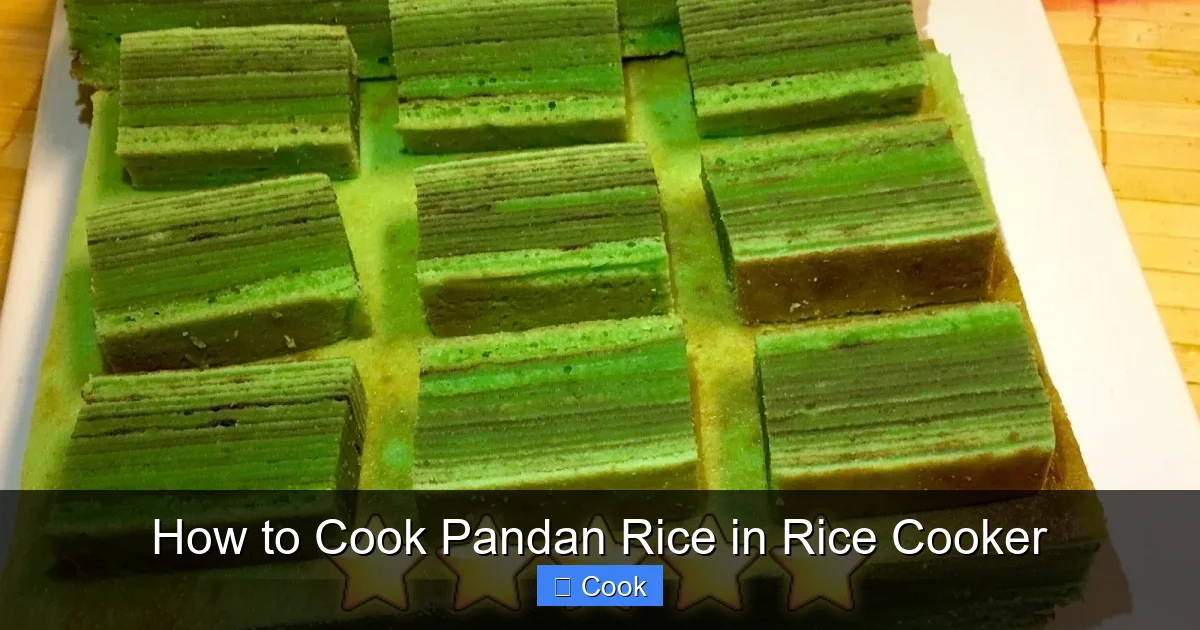
Visual guide about How to Cook Pandan Rice in Rice Cooker
Image source: yuliafnicook.com
Pandan Leaves: Fresh vs. Substitutes
Fresh pandan leaves are the gold standard. Look for them in the produce section of Asian grocery stores (often near ginger or lemongrass) or in the freezer aisle. They should be bright green, flexible, and fragrant when crushed. Pro tip: Buy extra—they freeze beautifully! Wash and freeze them in a zip-top bag for up to 6 months. If fresh leaves are impossible to find, you have options:
- Pandan extract: Use 1–2 teaspoons per cup of rice. Downside: It’s less nuanced—more “cotton candy” than floral.
- Pandan powder: Mix 1 teaspoon with water to make a paste. Downside: Can turn rice slightly bitter if overused.
- Vanilla bean + coconut milk: A decent backup (1/2 vanilla bean + 2 tbsp coconut milk per cup of rice), but it’s not authentic pandan.
I always recommend fresh leaves if possible—they’re worth the hunt. But if you’re in a pinch, extracts work in a bind.
Rice Selection: What Works Best
Not all rice is created equal for pandan. You want a variety that’s:
- Sticky but not mushy: Jasmine rice is my top pick—it’s fragrant, slightly clingy, and holds pandan’s color well.
- Short-grain: Sushi rice or Calrose rice also work beautifully.
- Avoid: Long-grain basmati (too dry) or instant rice (won’t absorb flavor properly).
Here’s a quick reference for water ratios (more on this later):
| Rice Type | Uncooked Rice | Water | Pandan Leaves |
|---|---|---|---|
| Jasmine | 1 cup | 1 1/4 cups | 4–5 leaves |
| Calrose | 1 cup | 1 1/2 cups | 4–5 leaves |
| Short-Grain | 1 cup | 1 1/4 cups | 4–5 leaves |
Must-Have Tools (Beyond Your Rice Cooker)
Keep it simple:
- Kitchen shears: For snipping pandan leaves into manageable pieces.
- Small bowl: To soak leaves (optional but helpful).
- Wooden spoon: For fluffing rice—never metal, which can scratch nonstick pots.
That’s it! No mortar, no steamer basket. Your rice cooker pot does all the work.
Step-by-Step Guide to Cooking Pandan Rice in Your Rice Cooker
Now for the fun part: cooking. This method takes 30 minutes start to finish, with 10 minutes of active prep. I’ll walk you through each step like we’re in the kitchen together—no jargon, just clear, tested instructions.
Prepping the Pandan Leaves: The Flavor Foundation
How you handle pandan leaves makes or breaks your rice. Here’s my foolproof method:
- Wash thoroughly: Rinse leaves under cold water to remove dirt. Pat dry.
- Trim the ends: Cut off 1 inch from the stem (woody part) and 1 inch from the tip (often dried).
- Knot or slice: For maximum flavor, knot 3–4 leaves tightly. If leaves are thick, slice them lengthwise into strips first. Knotting prevents them from unraveling and ensures slow flavor release. Pro tip: Bruise the leaves lightly with a rolling pin before knotting—this releases more oils!
Why knotting? It creates a “flavor packet” that infuses the rice without leaving leaf fragments in every bite. I tried chopping leaves once—ended up with green bits in my teeth. Not a good look.
Measuring Rice and Water: The Golden Ratio
Getting the water ratio right is crucial. Too much water = mush. Too little = crunch. For pandan rice, I use a slightly lower water ratio than plain rice because pandan leaves add moisture. Here’s my formula:
- Jasmine rice: 1 cup rice to 1 1/4 cups water
- Calrose/short-grain: 1 cup rice to 1 1/2 cups water
Rinse the rice 3–4 times in cold water until the water runs clear. This removes excess starch, preventing gumminess. Then, add rice, water, and knotted pandan leaves to the rice cooker pot. Do not stir—the leaves need to sit on top to infuse properly.
The Cooking Process: Set It and Forget It
Time to press that button:
- Add everything: Rice, water, and pandan knots go into the cooker pot.
- Select “White Rice” cycle: Avoid “Quick Cook”—it’s too fast for proper infusion.
- Let it cook undisturbed: No peeking! Opening the lid releases steam and disrupts cooking.
- Rest for 10 minutes: When the cycle ends, do not open immediately. Let it sit for 10 minutes. This lets the rice finish steaming and firms up the grains.
- Remove leaves and fluff: Discard pandan knots (they’ve given all their flavor), then fluff rice with a fork.
I learned the hard way that skipping the rest time leads to sticky rice. Patience pays off!
Pro Tips for Perfect Pandan Rice Every Time
These small tweaks elevate your rice from good to great:
- Add a pinch of salt: 1/4 tsp per cup of rice enhances pandan’s sweetness.
- Toast the rice first: Dry-toast rinsed rice in the cooker pot for 2 minutes before adding water. Deepens the flavor.
- Use coconut water: Swap 1/4 cup water for coconut water for extra tropical notes.
- Double the pandan: For bold flavor, use 6–7 leaves per cup of rice.
My go-to combo? Jasmine rice, 1 1/4 cups water, 5 knotted leaves, and a pinch of salt. It’s the sweet spot.
Troubleshooting Common Pandan Rice Issues
Even with a rice cooker, things can go sideways. Don’t panic—I’ve fixed every mishap imaginable. Here’s how to rescue your rice.
Rice is Too Wet or Mushy
Cause: Too much water, overcooked rice, or not resting long enough.
Fix:
- For future batches: Reduce water by 2 tbsp per cup of rice. Pandan leaves add moisture, so less water is key.
- Right now: Spread rice on a baking sheet and bake at 300°F for 10 minutes to evaporate excess moisture.
I once added 1 1/2 cups water to jasmine rice (meant for Calrose)—disaster. Now I double-check my rice type first.
Rice is Too Dry or Crunchy
Cause: Not enough water or undercooked rice.
Fix:
- For future batches: Add 2 tbsp extra water. If using older rice, increase water by 1/4 cup.
- Right now: Sprinkle 2 tbsp hot water over rice, cover, and let steam for 5 minutes.
Dry rice usually means your cooker’s thermostat is off. Test it with plain rice first.
Pandan Flavor is Weak or Bitter
Cause: Old leaves, insufficient leaves, or overcooking.
Fix:
- Boost flavor: Steep 2 fresh leaves in 1/4 cup hot water for 10 minutes, then mix into cooked rice.
- Prevent bitterness: Never burn pandan leaves—they turn acrid. If your rice tastes bitter, it’s likely from scorched leaves.
I keep a stash of frozen leaves for flavor emergencies. Thaw one, steep it, and save the day.
Rice Cooker Smells Like Pandan (But Rice Doesn’t)
Cause: Leaves weren’t submerged or knotted loosely.
Fix: Always knot leaves tightly and place them on top of the rice—not buried underneath. Steam rises, carrying flavor upward.
This happened to me when I tossed leaves into the water. Lesson learned!
Creative Ways to Elevate Your Pandan Rice
Once you’ve mastered the basics, have fun! Pandan rice is a blank canvas for creativity. Here are my favorite upgrades—all rice cooker-friendly.
Sweet Pandan Rice for Desserts
Transform your side dish into a treat:
- Pandan-Coconut Rice Pudding: Cook rice with 1/2 cup coconut milk instead of water. Stir in 2 tbsp sugar and 1/4 tsp salt after cooking. Top with toasted coconut flakes.
- Sticky Rice with Mango: Use glutinous rice, reduce water to 1 cup per cup of rice, and add pandan knots. Serve with ripe mango and coconut cream.
I make this for birthdays—it’s like edible confetti.
Savory Twists for Everyday Meals
Make pandan rice the star of dinner:
- Pandan Chicken Rice: Add 1 chopped chicken breast to the cooker with rice and water. The pandan infuses the chicken too!
- Thai Green Curry Rice: Stir 2 tbsp green curry paste into cooked rice. Top with basil and lime.
My kids beg for pandan chicken rice—it’s their favorite “special” meal.
Global Fusion Ideas
Pandan plays nice with other cuisines:
- Pandan Sushi Rolls: Use pandan rice for California rolls. The green hue looks stunning.
- Vietnamese-Style: Mix cooked rice with 1 tbsp fish sauce and scallions. Serve with grilled pork.
I hosted a “pandan potluck” last month—friends brought pandan-fried noodles, pandan pancakes, and even pandan ice cream. So much fun!
Make-Ahead and Storage Tips
Pandan rice keeps beautifully:
- Refrigerate: Up to 4 days in an airtight container. Reheat with a splash of water to revive texture.
- Freeze: Portion in zip-top bags for up to 3 months. Thaw overnight, then steam for 5 minutes.
- Meal prep: Cook a big batch on Sunday. Use it for grain bowls all week.
I freeze single servings for quick lunches. Just pop one in the microwave with leftover curry—heaven.
Bringing the Tropics to Your Table, One Grain at a Time
Cooking pandan rice in a rice cooker isn’t just about following steps—it’s about capturing a moment. That first whiff of sweet, grassy aroma as you lift the lid? It’s instant transport to bustling Asian markets, family kitchens, and lazy Sunday brunches. I’ve made this rice for first dates, holiday feasts, and solo “treat yourself” dinners. It’s never failed to spark joy—or a dozen questions about where I got the “green rice.” And the best part? It’s so simple that once you try it, you’ll wonder why you didn’t start sooner. No fancy skills, no special equipment—just you, your rice cooker, and a few pandan leaves.
Remember, perfection comes with practice. Your first batch might be a little sticky, or the color might be pale. That’s okay! Adjust the water, tweak the pandan, and try again. Cooking is a conversation, not a lecture. Listen to your rice cooker, trust your instincts, and don’t be afraid to get creative. Maybe you’ll add a squeeze of lime, toss in some toasted sesame seeds, or serve it with spicy sambal. Make it yours. Because at the end of the day, pandan rice is more than a dish—it’s a story. A story of patience (that 10-minute rest is non-negotiable!), of tradition, and of the magic that happens when humble ingredients meet a little love. So grab those pandan leaves, fire up your rice cooker, and let’s make something beautiful together. Your kitchen—and your taste buds—will thank you.
Frequently Asked Questions
How do I make pandan rice in a rice cooker?
To cook pandan rice in a rice cooker, rinse 1-2 cups of jasmine rice until the water runs clear. Add 1-2 pandan leaves (knotted) or 1 tsp pandan extract, 1 cup water, and a pinch of salt to the cooker. Press the “Cook” button—the rice will be fragrant and perfectly tender when the cycle finishes.
Can I use fresh pandan leaves for rice cooker pandan rice?
Yes, fresh pandan leaves work beautifully! Wash and knot 2-3 leaves before adding them to the rice cooker with the rice and water. They infuse a subtle vanilla-like aroma during cooking. Remove the leaves before serving for optimal flavor without bitterness.
Why is my pandan rice not fragrant when cooked in the rice cooker?
This usually happens if pandan leaves are old, underused, or cooked on a “Quick” setting. Ensure you’re using fresh, vibrant green leaves (or high-quality extract) and always choose the standard “White Rice” cycle. Let the rice steam for 10 minutes after cooking to intensify the aroma.
How much water should I use for pandan rice in a rice cooker?
Use a 1:1 water-to-rice ratio for most jasmine rice varieties—1 cup water per 1 cup rice. If adding coconut milk (½ cup), reduce water to ½ cup to maintain perfect texture. Always adjust slightly based on your rice cooker’s specific instructions.
Can I add coconut milk to pandan rice in the rice cooker?
Absolutely! Replace half the water with coconut milk for creamy pandan coconut rice. Combine 1 cup rice, ½ cup coconut milk, ½ cup water, pandan leaves/extract, and a pinch of salt. This creates a rich, aromatic dish perfect for Southeast Asian desserts or savory pairings.
How long does it take to cook pandan rice in a rice cooker?
Standard pandan rice takes 20-30 minutes on the “White Rice” setting, depending on your cooker model. Avoid “Quick Cook” modes, as they shorten steaming time and reduce fragrance. Always let the rice rest for 10 minutes post-cooking for optimal texture and aroma development.