Coffee offers a temporary blood pressure boost for some with low blood pressure due to caffeine’s vasoconstrictive effects, potentially easing dizziness. However, it’s not a cure, effects vary greatly, and overconsumption risks serious side effects. Always consult your doctor before using coffee to manage hypotension.
Key Takeaways
- Temporary Relief Only: Caffeine in coffee can cause a short-term rise in blood pressure (15-30 mins), helping some with hypotension symptoms like dizziness, but effects fade quickly.
- Highly Individual Response: Genetics, tolerance, and overall health mean coffee affects people with low blood pressure differently – some see benefits, others experience crashes or anxiety.
- Risks of Overconsumption: Too much coffee can cause jitters, insomnia, rapid heartbeat, or even worsen low BP later due to dehydration or adrenal fatigue.
- Not a Substitute for Medical Care: Coffee is not a treatment for chronic hypotension. Underlying causes must be diagnosed and managed by a healthcare professional.
- Timing and Moderation Matter: A single cup (8oz) of regular coffee, consumed slowly when symptoms arise, is generally safer than multiple strong cups throughout the day.
- Hydration is Crucial: Always pair coffee with water. Dehydration significantly lowers blood pressure and negates any potential benefit from caffeine.
Quick Answers to Common Questions
How quickly does coffee raise blood pressure?
Caffeine typically starts raising blood pressure within 15-45 minutes after consumption, with the peak effect occurring around 30-60 minutes. The increase usually lasts for 3-6 hours before gradually declining.
Can decaf coffee help with low blood pressure?
Decaffeinated coffee contains only trace amounts of caffeine (2-15mg per cup vs. 80-100mg in regular), so it generally does not provide a significant blood pressure boost. Its effects on low BP are likely negligible.
Is it safe to drink coffee every day with low blood pressure?
Drinking coffee daily is generally safe for most people, but for low BP management, daily consumption often leads to tolerance (reducing any BP benefit) and increases risks of side effects and crashes. Strategic, infrequent use is safer than daily reliance.
What’s the best time to drink coffee for low blood pressure?
The best time is only when acute symptoms like dizziness occur, and ideally before 2 PM to avoid sleep disruption. Never drink it preventatively first thing in the morning if you’re not symptomatic.
Can coffee make low blood pressure worse?
Yes, coffee can worsen low BP through dehydration (if not paired with water), the rebound crash after caffeine wears off, or by triggering anxiety/panic which can lower BP further. Overconsumption is the main risk factor.
📑 Table of Contents
- Is Coffee Good for Low Blood Pressure? The Caffeine Conundrum Explained
- Understanding Low Blood Pressure (Hypotension) and Its Challenges
- How Caffeine in Coffee Affects Blood Pressure: The Science Simplified
- Potential Benefits: Can Coffee Actually Help Low Blood Pressure?
- Significant Risks and Considerations: Why Coffee Isn’t a Simple Fix
- Practical Tips: Using Coffee Safely (If You Choose To)
- Beyond Coffee: Comprehensive Management for Low Blood Pressure
- Conclusion: Coffee as a Cautious Tool, Not a Cure
Is Coffee Good for Low Blood Pressure? The Caffeine Conundrum Explained
That morning cup of coffee is a ritual for millions. It kicksstart the day, sharpens focus, and delivers a comforting warmth. But for people living with low blood pressure (hypotension), that familiar brew might raise a critical question: Could this daily habit actually be helping? Or is it secretly making things worse?
Low blood pressure isn’t always a problem – many healthy athletes have naturally low readings. But when it causes symptoms like persistent dizziness, lightheadedness (especially when standing up), fatigue, blurred vision, or even fainting, it becomes a real concern impacting daily life. Managing these symptoms often involves lifestyle tweaks, medication, or identifying underlying causes. Naturally, the idea that a simple cup of coffee might offer quick relief is appealing. After all, caffeine is a well-known stimulant. But the relationship between coffee and low blood pressure is far from straightforward. It’s a delicate balance of potential short-term benefits versus possible long-term pitfalls. Understanding this nuance is key to making informed choices about your daily brew.
This article dives deep into the science, the anecdotal experiences, and the practical realities of using coffee for low blood pressure. We’ll explore how caffeine actually affects your circulatory system, weigh the potential pros and cons based on current research, and provide actionable, safe strategies if you’re considering coffee as part of your hypotension management plan. The goal isn’t to tell you to drink more or less coffee, but to empower you with knowledge so you can discuss it effectively with your doctor.
Understanding Low Blood Pressure (Hypotension) and Its Challenges
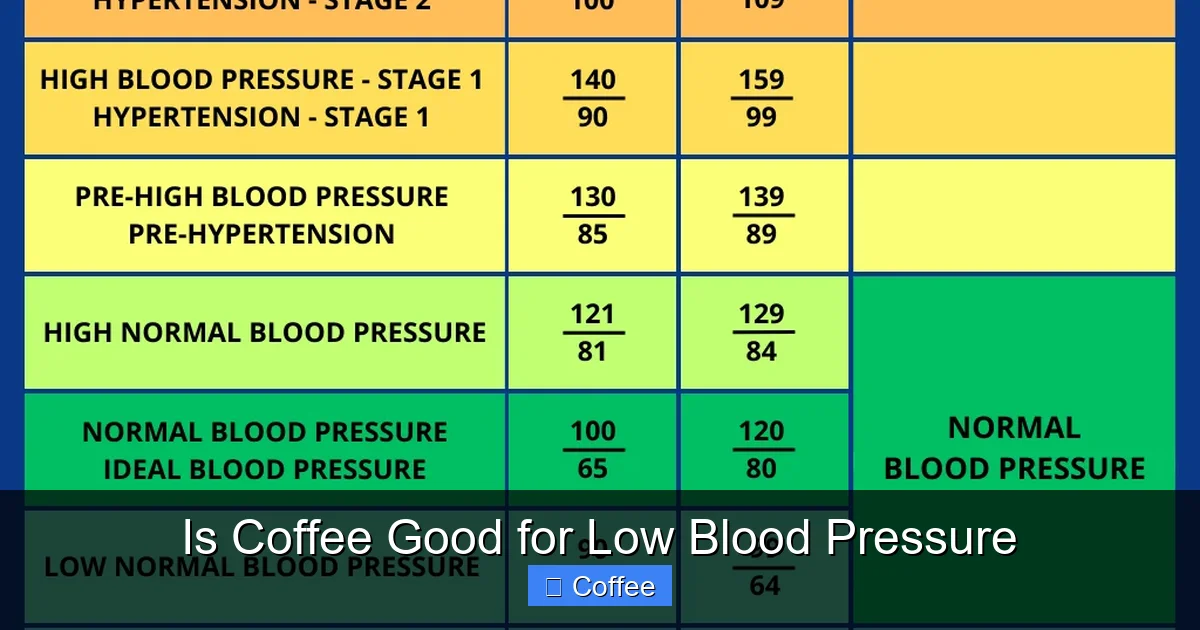
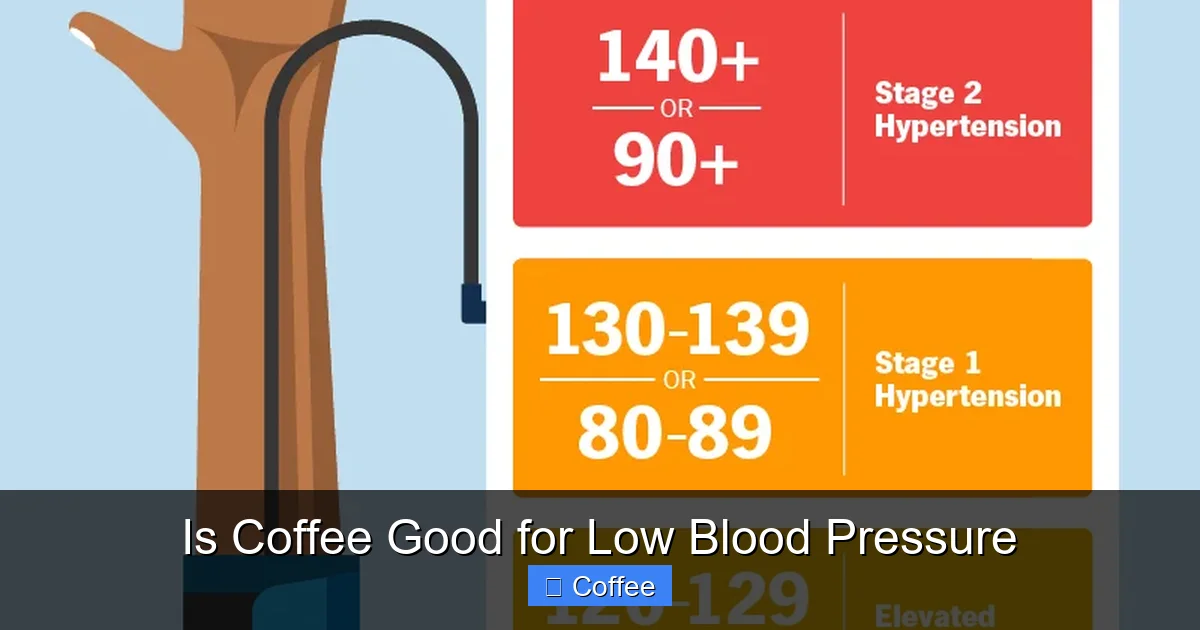
Before we tackle coffee, let’s clarify what low blood pressure really means. Blood pressure is the force your blood exerts on your artery walls as your heart pumps. It’s measured in millimeters of mercury (mmHg) with two numbers: systolic (pressure when the heart beats) over diastolic (pressure when the heart rests). Generally, a reading consistently below 90 systolic or 60 diastolic is considered hypotension. However, the “normal” range is individual – what’s low for one person might be perfectly healthy for another.

Visual guide about Is Coffee Good for Low Blood Pressure
Image source: keckmedicine.org
Why Low Blood Pressure Causes Problems
The main issue with symptomatic hypotension is inadequate blood flow to vital organs, particularly the brain. When you stand up quickly (orthostatic hypotension), blood pools in your legs, causing a temporary drop in pressure reaching your brain. This triggers those dreaded symptoms: the room spins, you feel faint, or your vision darkens. Chronic low BP can lead to persistent fatigue, difficulty concentrating, and reduced exercise tolerance. Causes vary widely – dehydration, heart problems, endocrine disorders (like adrenal insufficiency or thyroid issues), neurological conditions, certain medications (diuretics, some antidepressants), or simply being very fit. Identifying the root cause is essential for proper management.
The Daily Struggle for Symptom Management
Living with symptomatic hypotension often means constant vigilance. Simple actions like standing up, walking across a room, or even sitting for too long can trigger dizziness. People often rely on strategies like rising slowly, wearing compression stockings, increasing salt and fluid intake (under medical guidance), and avoiding large meals or alcohol. The search for reliable, accessible ways to quickly stabilize BP when symptoms hit is understandable. This is where coffee often enters the conversation – it’s readily available, familiar, and caffeine has known physiological effects. But is it a reliable ally or a potential troublemaker?
How Caffeine in Coffee Affects Blood Pressure: The Science Simplified
To understand if coffee is good for low blood pressure, we need to unpack what caffeine actually does inside your body, especially regarding your cardiovascular system. Caffeine isn’t just a wake-up call for your brain; it has direct and indirect effects on your heart and blood vessels.
Visual guide about Is Coffee Good for Low Blood Pressure
Image source: getmegiddy.com
The Immediate Vasoconstrictive Effect
Caffeine’s primary mechanism for potentially raising blood pressure is vasoconstriction. It blocks adenosine receptors in your brain. Adenosine is a neurotransmitter that promotes relaxation and sleepiness; blocking it is why you feel alert. Crucially, caffeine also causes the smooth muscle in your blood vessel walls to tighten (constrict). Narrower blood vessels mean the same volume of blood exerts more force against the walls, leading to a temporary increase in blood pressure. This effect typically peaks within 30-60 minutes after consumption and can last for several hours, though it diminishes as caffeine is metabolized.
Beyond Vasoconstriction: Heart Rate and Adrenaline
Caffeine doesn’t stop at vasoconstriction. It also stimulates the central nervous system, prompting the release of adrenaline (epinephrine). Adrenaline is the “fight or flight” hormone. It speeds up your heart rate (chronotropic effect) and makes your heart contract more forcefully (inotropic effect). Both of these actions contribute to a rise in blood pressure. Think of it like pressing the gas pedal on your cardiovascular system. For someone with low BP, this combined effect – tighter vessels plus a stronger, faster heartbeat – can theoretically push blood pressure up enough to alleviate symptoms like dizziness.
Why the Effect Isn’t Universal or Predictable
Here’s the crucial catch: the blood pressure response to caffeine is highly individual. Several factors influence how much (or if) your BP rises:
- Genetics: How quickly your liver enzymes (like CYP1A2) metabolize caffeine varies significantly. “Slow metabolizers” experience stronger, longer-lasting effects.
- Tolerance: Regular coffee drinkers develop tolerance. Their adenosine receptors adapt, blunting the BP-raising effect over time. Someone who rarely drinks coffee might see a big spike, while a daily drinker sees little change.
- Baseline Blood Pressure: People with normal or high BP often see a smaller relative increase than those with very low BP, though the absolute change might be similar.
- Other Ingredients: Adding sugar or cream can influence the metabolic response, though the caffeine effect remains primary.
- Overall Health: Conditions like anxiety disorders or heart problems can amplify caffeine’s side effects.
This variability is why some people with hypotension swear by coffee for quick relief, while others find it does nothing or even makes them feel worse.
Potential Benefits: Can Coffee Actually Help Low Blood Pressure?
Despite the complexities, there is evidence and plausible reasoning suggesting coffee *can* offer benefits for *some* individuals with symptomatic low blood pressure, primarily through that temporary BP boost.
Visual guide about Is Coffee Good for Low Blood Pressure
Image source: my.clevelandclinic.org
Short-Term Symptom Relief
The most direct potential benefit is the rapid alleviation of acute symptoms like orthostatic dizziness. If you feel the familiar wave of lightheadedness upon standing, a cup of coffee might provide the vasoconstrictive and adrenaline-boosting kick needed to stabilize your pressure within 20-30 minutes. Many people with POTS (Postural Orthostatic Tachycardia Syndrome), a condition often involving low BP upon standing, report using caffeine strategically for this very reason. It’s essentially using caffeine as a quick, accessible vasopressor (a substance that raises BP).
Research Insights: What Studies Suggest
While large-scale studies specifically targeting coffee for chronic hypotension are limited, research on caffeine’s acute effects is informative:
- A study published in the American Journal of Clinical Nutrition found a single dose of caffeine (equivalent to 2-3 cups of coffee) significantly increased systolic BP in both normotensive and hypertensive individuals, with the effect being more pronounced in those not habitually consuming caffeine.
- Research on orthostatic intolerance (a common feature of low BP) often notes caffeine’s potential to improve symptoms by enhancing vascular tone and cardiac output.
- Observational studies sometimes show an inverse relationship between habitual coffee consumption and the risk of orthostatic hypotension, though causation is hard to prove.
It’s important to note these studies often focus on caffeine itself, not coffee specifically (which contains other bioactive compounds), and the effects are consistently described as transient.
Beyond the BP Number: Alertness and Function
Even if the BP rise is modest, the stimulant effect of caffeine can combat the fatigue and brain fog commonly associated with chronic low blood pressure. Feeling more alert and mentally clear can significantly improve quality of life and the ability to manage daily activities, even if the direct BP impact is minimal for some. This secondary benefit shouldn’t be overlooked.
Significant Risks and Considerations: Why Coffee Isn’t a Simple Fix
While the potential short-term benefits are real for some, it’s critical to understand the significant risks and limitations of relying on coffee for low blood pressure management. Viewing it as a harmless solution is a dangerous misconception.
The Crash and Rebound Effect
Caffeine’s effects are temporary. As it wears off (usually 4-6 hours later), the vasoconstriction reverses, and adenosine receptors become more sensitive. This can lead to a “crash” – a period of increased fatigue, headache, and potentially even a *lower* blood pressure than baseline. For someone already struggling with hypotension, this rebound effect can worsen symptoms, creating a vicious cycle where you feel compelled to drink more coffee to combat the crash, leading to further instability. This is particularly problematic for those with adrenal fatigue or chronic stress.
Side Effects That Can Worsen Hypotension Symptoms
Caffeine’s stimulant properties come with a host of potential side effects that can directly contradict the goal of feeling better:
- Anxiety and Jitters: Heightened anxiety can trigger hyperventilation or panic, which may paradoxically lower blood pressure further or cause dizziness.
- Insomnia: Poor sleep is a major contributor to fatigue and can destabilize blood pressure regulation. Caffeine, especially later in the day, disrupts sleep quality.
- Rapid Heartbeat (Tachycardia): While caffeine raises BP, the accompanying fast heart rate can be frightening and uncomfortable, mimicking or exacerbating anxiety symptoms often felt with low BP.
- Digestive Issues: Coffee is acidic and can irritate the gut, causing nausea or diarrhea – symptoms that can dehydrate you, further lowering BP.
These side effects can make you feel significantly worse overall, negating any minor BP benefit.
Dehydration: The Silent BP Killer
This is arguably the biggest risk. Coffee is a mild diuretic, meaning it increases urine production. While the fluid in coffee largely offsets this for regular drinkers, the *net* effect can still be dehydrating, especially if you’re not drinking enough water alongside it. Dehydration is one of the most common causes of low blood pressure. Drinking coffee without adequate water intake is a surefire way to make your hypotension worse, not better. Always prioritize water – think of coffee as an addition to hydration, not a replacement.
Masking Underlying Problems
Relying on coffee to manage symptoms can be dangerous because it might mask a serious underlying condition causing your low blood pressure. Conditions like heart valve problems, severe infections, internal bleeding, or endocrine disorders need proper medical diagnosis and treatment. Using coffee as a crutch delays seeking essential care, potentially allowing a serious issue to worsen.
Practical Tips: Using Coffee Safely (If You Choose To)
If, after consulting your doctor, you decide to experiment with coffee for low blood pressure symptom relief, doing it safely and strategically is paramount. It’s not about drinking more coffee; it’s about smarter, more mindful consumption.
Start Low, Go Slow: The Golden Rule
Begin with a very small amount – think half a cup (4oz) of regular brewed coffee. Monitor your blood pressure (if you have a home monitor) and how you feel for 1-2 hours. Pay attention to both the potential rise in BP and any side effects like jitters or anxiety. Only if this small dose provides clear relief *without* negative side effects should you consider slightly increasing it, but rarely beyond one standard cup (8oz). Avoid espresso shots or highly concentrated brews initially.
Timing is Everything
Consume coffee strategically, not habitually:
- When Symptoms Hit: Have your small cup *only* when you experience dizziness or lightheadedness, not as a preventative measure every morning.
- Avoid Late Day: Never consume caffeine after 2 PM (or earlier if sensitive). Protecting your sleep is non-negotiable for BP stability.
- With Food: Always drink coffee with a small snack or meal. An empty stomach amplifies caffeine’s effects and side effects.
This targeted approach minimizes tolerance development and reduces the risk of crashes or sleep disruption.
Hydrate, Hydrate, Hydrate
This cannot be overstated. For every cup of coffee you drink, consume at least one full glass (8oz) of water. Sip water consistently throughout the day, regardless of coffee intake. Monitor your urine color – pale yellow is the goal. Dehydration is your biggest enemy when managing low BP.
Choose Wisely: Type and Strength Matter
Opt for regular brewed coffee over energy drinks or highly caffeinated supplements. Avoid adding excessive sugar or syrups, which can cause blood sugar spikes and crashes that worsen dizziness. Consider lighter roasts – they often contain slightly more caffeine than dark roasts (contrary to popular belief), but the difference is minimal; focus more on the brew method (drip vs. French press). If regular coffee proves problematic, discuss *very small* amounts of caffeine pills with your doctor as a more controlled option, but coffee itself is usually preferable due to other compounds.
Track and Communicate
Keep a simple log: note the time you drank coffee, the amount, your BP reading (if possible), symptoms before and after, and any side effects. Share this log with your doctor at your next appointment. This data is invaluable for determining if coffee is truly helpful for *you* and adjusting your approach safely.
Beyond Coffee: Comprehensive Management for Low Blood Pressure
While coffee might offer a temporary tool for some, it should never be the cornerstone of managing low blood pressure. Effective, sustainable management requires a multi-faceted approach focused on addressing the root cause and supporting overall cardiovascular health.
Medical Diagnosis is Non-Negotiable
The absolute first step is seeing your doctor. They will take a thorough history, perform a physical exam (including orthostatic BP checks – lying, sitting, standing), and likely order tests (blood work, ECG, possibly tilt table test) to identify the underlying cause. Treatment depends entirely on this diagnosis. For example:
- Dehydration? Focus on fluid and electrolyte intake.
- Medication side effect? Your doctor may adjust the dose or switch medications.
- Heart problem? Specific cardiac treatment is needed.
- POTS? Management often involves specific medications, increased salt/fluids, and compression garments.
Self-treating with coffee without this diagnosis is risky and ineffective for most causes.
Lifestyle Strategies That Truly Work
These evidence-based approaches form the foundation of hypotension management:
- Gradual Movement: Always rise slowly from lying or sitting. Sit on the edge of the bed for a minute before standing. Avoid sudden position changes.
- Compression Stockings: Waist-high compression stockings (20-30 mmHg or 30-40 mmHg pressure) help prevent blood pooling in the legs, significantly reducing orthostatic symptoms.
- Increased Fluid and Salt Intake (Under Medical Guidance): For many with hypovolemic (low blood volume) hypotension, increasing fluids (2-3 liters/day) and modest salt intake can be very effective. **Crucially, only do this if your doctor approves it**, as it’s dangerous for some heart or kidney conditions.
- Small, Frequent Meals: Large meals can divert blood to the digestive system, lowering BP elsewhere. Eat smaller portions more often.
- Avoid Triggers: Minimize alcohol (a vasodilator), prolonged standing in heat, and very hot showers/baths.
- Regular Exercise: Gradual, consistent exercise (like walking, swimming, recumbent biking) improves cardiovascular tone and circulation. Start slowly and avoid intense exertion if symptomatic.
These strategies address the physiological mechanisms of low BP more reliably and safely than caffeine.
When Medication is Necessary
For some causes of chronic, symptomatic hypotension (like neurogenic orthostatic hypotension), lifestyle measures alone aren’t enough. Doctors may prescribe medications like fludrocortisone (to retain salt/water), midodrine (a vasoconstrictor), or droxidopa. These are specifically designed to raise BP and are far more reliable and controlled than caffeine. Never self-medicate with caffeine instead of prescribed treatment.
Conclusion: Coffee as a Cautious Tool, Not a Cure
So, is coffee good for low blood pressure? The answer isn’t a simple yes or no. For *some* individuals with *symptomatic* low blood pressure, particularly orthostatic hypotension, a small amount of coffee consumed strategically *can* provide temporary relief from dizziness by triggering a short-lived rise in blood pressure through caffeine’s vasoconstrictive and stimulant effects. That quick cup when you feel faint might indeed help you steady yourself.
However, this potential benefit comes with significant caveats. The effect is temporary, highly variable from person to person, and carries real risks: the dreaded crash and rebound low BP, disruptive side effects like anxiety and insomnia, the critical danger of dehydration, and the peril of masking serious underlying health issues. Coffee is not a treatment for hypotension; it’s at best a very limited, situational tool for symptom management in specific cases.
The most crucial takeaway is this: **Never use coffee as a substitute for proper medical care.** If you have persistent low blood pressure causing symptoms, see your doctor. Get the underlying cause diagnosed. Implement the proven lifestyle strategies – hydration, compression, gradual movement, dietary adjustments (as approved). If, after this foundation is in place, you and your doctor determine that a small, carefully timed cup of coffee *might* help with acute symptoms, approach it with extreme caution: start very small, prioritize water, avoid late-day consumption, and meticulously track your response.
Your health is too important to gamble with unproven shortcuts. Manage your low blood pressure comprehensively with medical guidance, and if coffee plays any role, let it be a carefully considered footnote, not the headline. Listen to your body, partner with your healthcare team, and focus on sustainable strategies that truly support your long-term well-being.
Frequently Asked Questions
Can coffee cure low blood pressure?
No, coffee cannot cure low blood pressure. It may offer temporary symptom relief for some people due to caffeine’s short-term effects, but it does not address the underlying cause of hypotension, which requires medical diagnosis and appropriate treatment.
Should I stop drinking coffee if I have low blood pressure?
Not necessarily. If you tolerate coffee well and it helps manage acute symptoms without side effects, moderate consumption may be fine. However, if it causes crashes, anxiety, or sleep problems, or if you’re using it to mask symptoms instead of seeking medical care, stopping is advisable. Always discuss with your doctor.
How much coffee is safe for someone with low blood pressure?
There’s no universal safe amount. Start with a very small dose (4oz of regular brewed coffee) only when symptoms occur. Most doctors recommend limiting to one standard cup (8oz) per day, consumed early and paired with ample water. Individual tolerance varies greatly.
Does coffee raise diastolic or systolic blood pressure more?
Caffeine typically raises both systolic and diastolic blood pressure, but the increase in systolic pressure (the top number) is often more pronounced. The exact effect depends on the individual and the dose.
Can coffee help with dizziness from low blood pressure?
For some people experiencing orthostatic dizziness (dizziness upon standing), the vasoconstrictive effect of caffeine in coffee can provide temporary relief by increasing blood flow to the brain. However, it’s not effective for everyone and carries risks; it should not replace medical evaluation for chronic dizziness.
Is black coffee better than coffee with milk/sugar for low blood pressure?
Black coffee delivers the caffeine fastest. However, adding a small amount of milk or sugar isn’t likely to significantly alter the BP effect for most people. The bigger concern is avoiding excessive sugar, which can cause blood sugar crashes worsening dizziness. Focus on the caffeine amount and hydration, not minor additives.