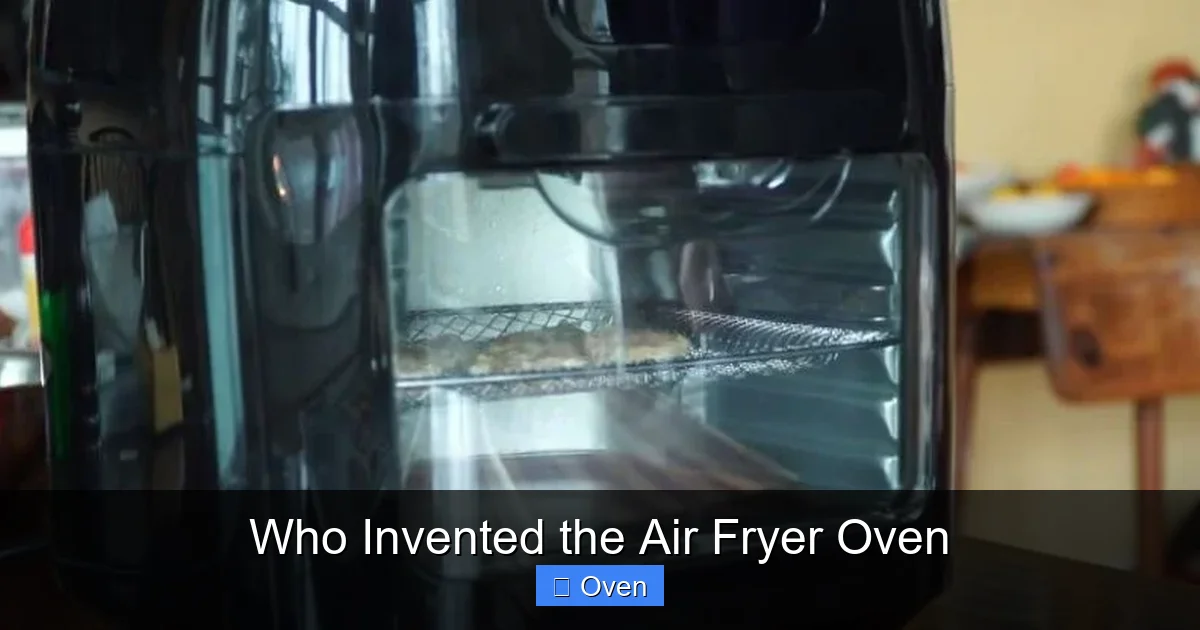
The air fryer oven wasn’t invented by a single person, but Philips popularized the modern countertop version in 2010. It evolved from convection oven technology, using rapid hot air circulation to mimic deep frying with little to no oil. This innovation sparked a global kitchen trend focused on healthier, faster cooking.
Key Takeaways
- No Single Inventor: The air fryer oven concept builds on decades of convection oven technology; Philips commercialized the first dedicated countertop “air fryer” in 2010.
- Philips’ Pivotal Role: Philips’ 2010 launch (using TurboStar tech) defined the modern air fryer oven category and made it a household name.
- Convection is Key: It works by circulating superheated air rapidly (up to 200°C/392°F) around food, creating a crispy exterior without submerging in oil.
- Health & Speed Driver: The appeal lies in up to 80% less fat than deep frying and significantly faster cooking times compared to conventional ovens.
- Beyond “Frying”: Modern air fryer ovens excel at roasting, baking, reheating, and even dehydrating, making them versatile kitchen tools.
- Rapid Market Growth: From niche product in 2010 to a $10+ billion global market, its popularity exploded due to health trends and convenience.
- Ongoing Evolution: Features like larger capacities, smart controls, and multi-functionality (toasting, baking) continue to expand its capabilities.
Quick Answers to Common Questions
Who gets credit for inventing the first air fryer oven?
Philips is credited with inventing and popularizing the modern countertop air fryer oven in 2010. While convection technology existed earlier, Philips engineered the first dedicated appliance specifically marketed as an “Airfryer” using their TurboStar technology.
Is an air fryer oven the same as a convection oven?
No. While both use hot air circulation, air fryer ovens are specifically engineered with much more powerful fans and compact designs to create intense, high-velocity airflow for rapid surface dehydration and crispiness, unlike standard convection ovens.
Do you need to use oil in an air fryer oven?
You can cook many foods with zero added oil (like frozen fries), but a very light spray of oil often significantly improves crispiness and browning, especially for lean proteins or vegetables. It uses up to 80% less oil than deep frying.
What can you cook in an air fryer oven besides fries?
Air fryer ovens excel at roasting vegetables, baking small batches (muffins, cookies), reheating pizza, cooking chicken, fish, toasting nuts, dehydrating fruit, and even making “fried” eggs. Their versatility extends far beyond just frying alternatives.
Why did air fryer ovens become so popular so quickly?
They hit a perfect storm: strong consumer demand for healthier fried-food alternatives, significantly faster cooking times than conventional ovens, relative ease of use and cleanup, proven versatility, and massive amplification through social media showcasing delicious results.
📑 Table of Contents
- The Humble Beginnings: It Wasn’t Always Called an “Air Fryer”
- From Convection Ovens to Countertop Revolution: The Pre-Philips Era
- Philips Enters the Scene: The 2010 Breakthrough
- How Does an Air Fryer Oven Actually Work? (It’s Simpler Than You Think!)
- Why Did the Air Fryer Oven Explode in Popularity?
- Common Myths and Misconceptions About Air Fryer Ovens
- Tips and Tricks for Air Fryer Oven Mastery
- The Future of Air Fryer Ovens: What’s Next?
- Conclusion: A Revolution Built on Hot Air (and Smart Marketing)
The Humble Beginnings: It Wasn’t Always Called an “Air Fryer”
Picture your kitchen ten years ago. The air fryer oven was likely nowhere to be found. Today, it’s a staple appliance for millions. But who actually invented this game-changer? The surprising answer is that no single genius had a “Eureka!” moment in a lab creating the first air fryer oven. Instead, its story is one of gradual evolution, building on existing kitchen technology. Think of it like the smartphone – it didn’t invent the phone or the computer, but it brilliantly combined and refined them for a new purpose.
The core principle powering the air fryer oven – rapid hot air circulation – isn’t new at all. It’s the same fundamental technology found in convection ovens, which have been around since the early 20th century. Convection ovens use a fan to circulate hot air, cooking food faster and more evenly than traditional radiant heat ovens. So, the real question isn’t “who invented the air fryer oven?” but rather “who took convection technology, miniaturized it for countertop use, optimized it specifically for crispy results with minimal oil, and gave it the catchy name ‘air fryer’?” That answer points strongly to a major electronics company making a strategic bet on health-conscious cooking.
From Convection Ovens to Countertop Revolution: The Pre-Philips Era
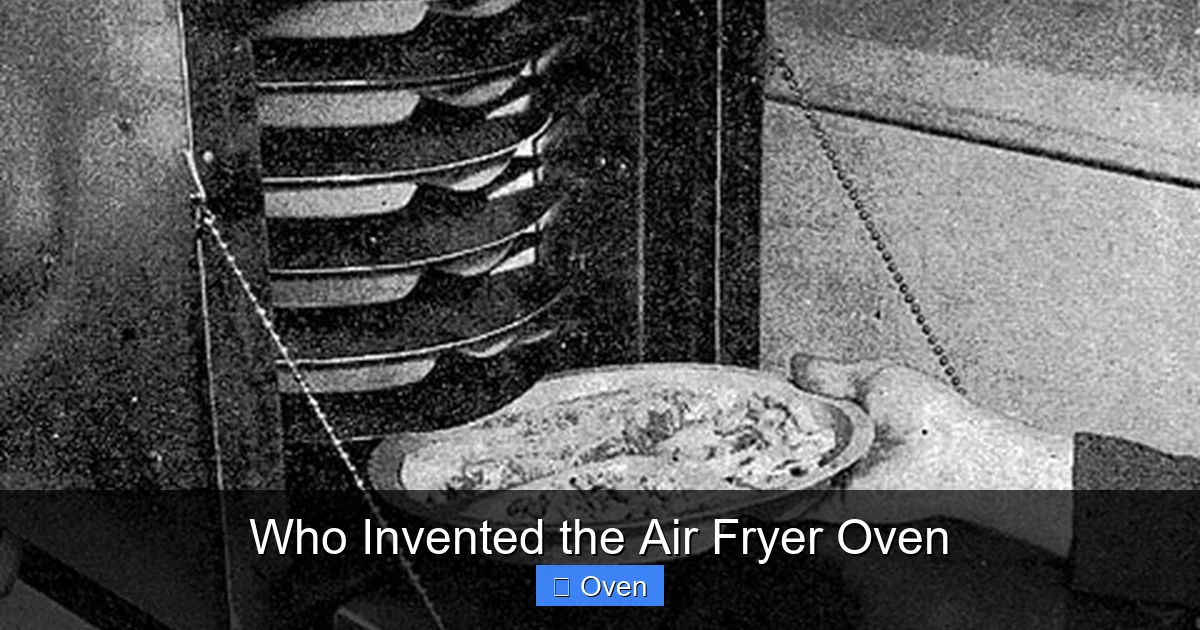
To understand the air fryer oven’s birth, we need to rewind further. Convection cooking principles were understood as early as the 1800s, but practical home convection ovens didn’t become common until the 1940s and 50s. These were large, built-in appliances. The idea of a small, dedicated countertop device using intense convection for “frying” was still decades away.
Visual guide about Who Invented the Air Fryer Oven
Image source: tffn.net
Early Attempts and Niche Products
In the 1990s and early 2000s, a few companies experimented with countertop convection devices aimed at healthier cooking. Brands like T-Fal and Cuisinart released models often marketed as “oven fryers” or “health fryers.” These typically used a heating element and a fan, but they struggled with key issues: uneven cooking, lack of true crispiness, small capacities, and difficulty replicating the texture of deep-fried food. They were often seen as gimmicky or ineffective compared to the real thing. Consumers found them underwhelming – they didn’t deliver the satisfying crunch people craved from fried foods without the oil.
The Missing Ingredient: TurboStar Technology
The critical gap these early attempts couldn’t bridge was achieving the intense, focused heat and incredibly rapid air circulation needed to rapidly dehydrate the surface of food (like the moisture flash-off in hot oil) while cooking the interior. This requires precise engineering: a powerful fan, a high-wattage heating element positioned optimally, and a compact cooking chamber designed to maximize airflow velocity. It wasn’t just about having a fan; it was about creating a specific, powerful vortex of superheated air. This technological hurdle is what Philips eventually cracked, paving the way for the modern air fryer oven.
Philips Enters the Scene: The 2010 Breakthrough
The story of the modern air fryer oven truly begins in 2010, not with a lone inventor, but with the global electronics giant, Philips. While other companies dabbled, Philips made a significant, calculated investment. They didn’t just release another convection gadget; they launched a product specifically engineered and marketed as an “Airfryer.”
Visual guide about Who Invented the Air Fryer Oven
Image source: airfryer-univers.com
The TurboStar Engine: Making “Air Frying” Real
Philips’ key innovation was their proprietary TurboStar technology. This wasn’t just a fan and a heater; it was a meticulously designed system. A powerful fan pulls air from the bottom, forces it rapidly over a high-intensity heating element (reaching temperatures up to 200°C/392°F), and then blasts this superheated air downwards and outwards in a powerful, turbulent vortex through the compact cooking basket. This intense, focused airflow rapidly removes surface moisture from food, triggering the Maillard reaction (that delicious browning) and creating a crispy exterior remarkably similar to deep frying, but using up to 80% less oil – sometimes just a light spritz.
Why “Air Fryer”? The Power of Marketing
Philips made a brilliant, albeit slightly misleading, marketing decision: they called it an “Airfryer.” This name instantly communicated the core benefit – achieving fried-food results using air, not oil. It was catchy, descriptive, and tapped directly into the growing consumer desire for healthier alternatives to deep frying. While technically it’s rapid convection cooking, the name “air fryer” stuck because it perfectly captured the imagination and the primary use case. This naming strategy was crucial in differentiating their product from generic convection ovens or earlier “health fryers” and creating a whole new appliance category.
How Does an Air Fryer Oven Actually Work? (It’s Simpler Than You Think!)
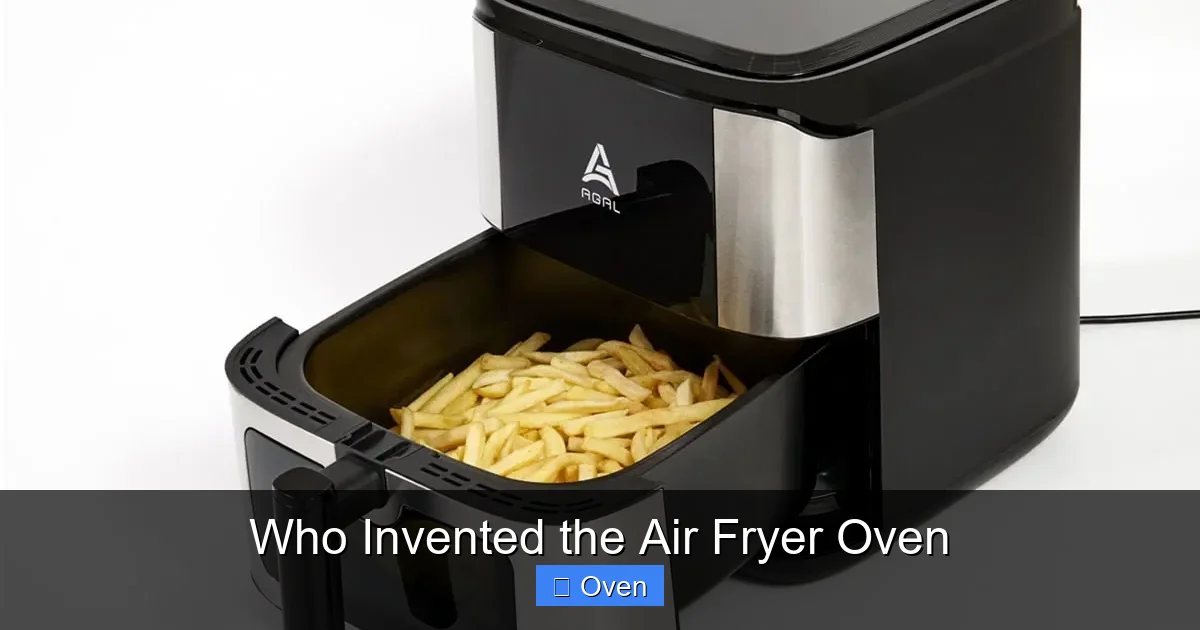
Forget complex machinery. The magic of the air fryer oven boils down to one super-powered principle: rapid hot air circulation. Here’s the simple breakdown of what happens inside that compact countertop box:
Visual guide about Who Invented the Air Fryer Oven
Image source: hicoop.b-cdn.net
The Core Mechanics: Fan, Heat, and Vortex
1. Power Up: You set the temperature and time. The heating element (usually a coiled metal element) starts to glow red-hot very quickly.
2. Air Sucked In: A powerful fan, often located at the top or rear, draws cool air from the surrounding kitchen.
3. Superheated Blast: This cool air is forced directly over the intensely hot heating element, instantly becoming superheated (up to 200°C/392°F).
4. The Vortex Effect: The fan then propels this scorching air downwards and outwards in a high-velocity, turbulent vortex through the perforated cooking basket or tray. This isn’t gentle convection; it’s a focused, high-speed blast.
5. Rapid Surface Dehydration & Cooking: This intense airflow rapidly evaporates surface moisture from your food (like chicken wings or french fries). This dry surface is crucial – it allows the Maillard reaction to occur quickly, creating that coveted crispy, golden-brown exterior. Meanwhile, the hot air penetrates the food, cooking the interior. The compact space ensures the air stays hot and moves fast, cooking food significantly quicker than a conventional oven.
Why It’s Not *Exactly* Frying (But Feels Like It!)
Deep frying submerges food in hot oil, cooking it through conduction and convection from the oil itself. The air fryer oven uses hot *air* as the cooking medium. The key similarity is the rapid removal of surface moisture, leading to crispiness. The difference is the medium (air vs. oil) and the intensity of the airflow. While the texture is remarkably close for many foods (especially those with a breading or starchy surface), the flavor profile can be subtly different due to the lack of oil infusion. However, for most home cooks seeking a healthier, faster alternative, the results are incredibly satisfying. Think of perfectly crisp roasted vegetables, juicy salmon with a seared skin, or reheated pizza that’s not soggy – all achievable with minimal oil.
Why Did the Air Fryer Oven Explode in Popularity?
Philips launched their Airfryer in 2010, but it took a few years for the concept to truly catch fire (pun intended!). So, what turned this niche appliance into a global phenomenon found in kitchens worldwide? It wasn’t just the technology; it was a perfect storm of consumer desires meeting a well-executed product.
The Perfect Recipe for Success
* **The Health Halo:** As obesity and heart health concerns grew, consumers actively sought ways to enjoy “forbidden” fried foods with less guilt. The “up to 80% less fat” claim was incredibly powerful and resonated deeply. It tapped into the massive trend of health-conscious eating without requiring bland sacrifices.
* **Speed is King:** In our fast-paced world, cooking times matter. Air fryer ovens cook food 20-30% faster than conventional ovens for many items (like frozen fries or chicken tenders). Reheating leftovers in minutes instead of 20+ in a regular oven was a game-changer for busy weeknights.
* **Ease of Use & Cleanup:** Compared to deep frying (which involves handling large quantities of hot oil, splatters, and messy cleanup), the air fryer oven is relatively simple. Spray a little oil, load the basket, set time/temp, and go. The non-stick basket is usually dishwasher safe – a huge plus over scrubbing greasy pots.
* **Versatility Beyond “Frying”:** Early marketing focused on fries and wings, but users quickly discovered it excelled at roasting vegetables (crispy broccoli!), baking small batches (muffins, cookies), reheating pizza (crisp crust!), toasting nuts, and even dehydrating fruits. This versatility made it a true multi-tasker, justifying its counter space.
* **The Social Media Effect:** As ownership grew, social media (especially Instagram and Pinterest) exploded with vibrant photos and videos of perfectly crispy air-fried creations. The visual appeal and ease of sharing recipes fueled exponential growth. Seeing your friend’s amazing air-fried chicken tenders was incredibly persuasive.
Beyond Philips: The Market Explodes
Philips pioneered the category, but they didn’t own it for long. Recognizing the massive potential, virtually every major kitchen appliance brand – Ninja, Cosori, Instant Pot (with their Vortex models), Breville, Cuisinart, and countless others – rushed to release their own air fryer ovens. This competition drove innovation (larger capacities, digital controls, multiple cooking functions), lowered prices, and saturated the market with options, making the technology accessible to almost every budget. The category shifted from a single Philips product to a fundamental kitchen appliance category.
Common Myths and Misconceptions About Air Fryer Ovens
With popularity comes misinformation. Let’s clear up some persistent myths about the air fryer oven so you can use yours confidently and effectively:
Myth 1: “It’s Just a Small Convection Oven”
While based on convection principles, a true air fryer oven is engineered *differently*. The key difference is the intensity and focus of the airflow. Air fryer ovens have much more powerful fans relative to their size and are designed to create that high-velocity vortex within a very compact chamber. A standard countertop convection oven might have a fan, but it often lacks the concentrated power and optimized airflow path to achieve the same level of rapid surface dehydration and crispiness, especially for foods traditionally deep-fried. Think of it like the difference between a gentle breeze and a powerful wind tunnel – both move air, but the effect is vastly different.
Myth 2: “You Can Completely Eliminate Oil”
While you *can* cook many foods with zero added oil (like frozen fries or chicken breasts), achieving optimal crispiness often benefits from a *very light* coating. A quick spray or brush of oil (avocado, canola, olive) helps conduct heat more efficiently to the food’s surface and enhances browning. The “80% less fat” claim refers to *compared to deep frying the same food*, not necessarily zero oil. For truly oil-free results, manage your expectations – the texture might be drier or less uniformly crispy.
Myth 3: “It’s Only for Frying”
This is the biggest misconception! While great for “frying” alternatives, the air fryer oven shines in many other roles:
* Roasting: Vegetables (asparagus, Brussels sprouts, potatoes) come out incredibly caramelized and tender-crisp.
* Baking: Perfect for small batches – muffins, cookies, even small cakes. The rapid heat helps create good rise and texture.
* Reheating: Revives pizza, fried foods, and leftovers better than a microwave, restoring crispness.
* Toasting: Great for nuts, seeds, or even bread slices.
* Dehydrating: Low-and-slow settings can make fruit leathers or dried herbs.
* Grilling (indirectly): Some models have grill plates for char marks.
Myth 4: “Food Cooks Unevenly”
Early models sometimes had this issue, but modern air fryer ovens are much better designed. Uneven cooking usually stems from user error:
* Overcrowding: This is the #1 culprit! Piling food too high blocks airflow. Cook in single layers, shaking the basket midway.
* Not Preheating: Just like an oven, preheating (2-5 mins) ensures consistent results from the start.
* Wrong Temperature/Time: Frozen foods often need higher temps/shorter times than fresh. Consult your manual or reliable recipes.
* Ignoring Shaking/Turning: For even browning on items like fries or wings, shake the basket or flip items halfway through cooking.
Tips and Tricks for Air Fryer Oven Mastery
Owning an air fryer oven is one thing; using it like a pro is another. Here are practical tips to get the absolute best results, whether you’re a beginner or looking to level up:
Essential Best Practices
- Always Preheat: Seriously, don’t skip this! 2-5 minutes ensures the air is scorching hot when food goes in, kickstarting that crucial surface dehydration. It makes a noticeable difference in crispiness.
- Don’t Overcrowd the Basket: This is non-negotiable. Air needs space to circulate *around* each piece of food. Cook in batches if needed. Overcrowding = steaming, not crisping.
- Shake or Flip Midway: For even cooking and browning on all sides, give the basket a good shake (for smaller items like fries) or flip larger items (like chicken breasts) halfway through the cooking time. Set a timer!
- Use a Light Oil Spray: A quick spritz of oil (use an oil mister for control) significantly boosts crispiness and browning, especially on lean proteins or starchy vegetables. Don’t drown it!
- Pat Food Dry: Excess surface moisture is the enemy of crispiness. Pat chicken, fish, or veggies thoroughly with paper towels before seasoning and cooking.
- Don’t Fear the Parchment: For messy foods (like battered items or sticky sauces), line the basket with perforated parchment paper. It catches drips and makes cleanup a breeze, without blocking airflow.
Pro-Level Hacks
- Reheat Like a Boss: Sprinkle a few drops of water on leftover pizza or fried foods before reheating. The steam helps revive moisture inside while the hot air recrisps the exterior.
- Crisp Up Tough Skins: Place chicken skin-side up in the basket. The intense top-down heat renders fat and crisps skin beautifully. You might need to tent loosely with foil over the meaty parts to prevent over-browning.
- Make “Fried” Eggs: Crack eggs directly into the basket (use a small ramekin if worried). Cook at 390°F (200°C) for 3-5 mins for runny yolks, perfect for topping avocado toast.
- Toast Spices/Nuts: Quickly toast whole spices or nuts at 350°F (175°C) for 2-4 minutes for maximum flavor. Watch closely – they burn fast!
- Dehydrate Fruit: Slice fruit thinly (apples, bananas, mangoes). Cook at the lowest setting (usually 120-140°F / 50-60°C) for 1-3 hours, checking frequently, until leathery but not brittle.
Cleaning Made Simple
Let the basket cool completely. Most non-stick baskets are dishwasher safe (top rack recommended). For stuck-on bits, soak in warm, soapy water for 10-15 minutes before washing. Avoid abrasive scrubbers. Wipe the interior cavity with a damp cloth – never immerse the main unit in water. A quick wipe-down after *every* use prevents grease buildup.
The Future of Air Fryer Ovens: What’s Next?
The air fryer oven market shows no signs of slowing down. What started as a single Philips product has evolved into a diverse ecosystem of appliances, and the innovation continues at a rapid pace. Here’s where we’re headed:
Beyond the Basket: Multi-Functionality Reigns
The biggest trend is the blurring of lines. Standalone air fryer ovens are increasingly incorporating other popular functions:
* Toaster Oven Integration: Many new models (like Breville’s Smart Oven Air Fryer or Cuisinart’s Air Fryer Toaster Oven) combine a full-size toaster oven cavity with dedicated air frying capabilities. This offers incredible versatility – toast bread, bake a casserole, *and* air fry wings, all in one unit.
* Pressure Cooking + Air Frying: Instant Pot and others have released multi-cookers with a separate air fryer lid, allowing you to pressure cook a stew and then crisp the top, or air fry sides, without washing another pot.
* Grill & Bake Functions: Higher-end models are adding dedicated grill elements for char marks or enhanced baking modes for better rise on breads and cakes.
Smarter, Connected Cooking
Expect more integration with smart home ecosystems:
* App Control & Monitoring: Start preheating remotely, monitor cook time/progress, receive notifications when food is done, and access guided recipes directly from your phone.
* Voice Assistant Compatibility: “Hey Google, preheat the air fryer to 400 degrees.”
* AI-Powered Cooking: Future models might use cameras or sensors to automatically adjust time and temperature based on the food’s size, color, and doneness, taking the guesswork out of cooking.
Focus on Health & Sustainability
As health consciousness grows, expect:
* Enhanced Nutrient Retention Claims: Research into how air frying compares to other methods for preserving vitamins and antioxidants.
* Eco-Friendly Materials: Increased use of recycled plastics and more energy-efficient designs to reduce the environmental footprint.
* Precision Oil Application: Built-in misters or systems for ultra-fine, controlled oil spraying to minimize usage while maximizing crispiness.
Specialization and Niche Models
While multi-cookers dominate, there will still be demand for:
* Ultra-Compact Models: For singles or small spaces.
* Large-Capacity Units: For families or those who entertain, capable of cooking whole chickens or large batches.
* Specialized Designs: Models optimized for specific tasks, like superior dehydrating or perfect pizza reheating.
Conclusion: A Revolution Built on Hot Air (and Smart Marketing)
So, who invented the air fryer oven? The honest answer is that it emerged from the evolution of convection technology, with Philips deserving immense credit for the pivotal moment. In 2010, they didn’t just release another kitchen gadget; they engineered a specific countertop appliance optimized for rapid hot air circulation, branded it brilliantly as the “Airfryer,” and unleashed it onto a market hungry for healthier, faster ways to enjoy crispy foods. They transformed a technical concept into a cultural phenomenon.
The genius wasn’t necessarily in inventing convection (that ship sailed decades ago), but in perfecting the *application* for the countertop, focusing relentlessly on the “fried food with less oil” benefit, and executing the marketing with pinpoint accuracy. Philips’ TurboStar technology provided the crucial engineering leap, but the name “air fryer” and the clear value proposition – health, speed, convenience – are what truly ignited the global explosion. While countless brands now offer their own versions, constantly improving capacity, features, and smart capabilities, the foundation was undeniably laid by Philips’ 2010 breakthrough.
Today, the air fryer oven is far more than a tool for making faux-fries. It’s a versatile kitchen workhorse that roasts vegetables to caramelized perfection, bakes small batches beautifully, revives leftovers, and simplifies weeknight dinners. It represents a shift towards smarter, more efficient, and healthier home cooking. Whether you’re a health enthusiast, a busy parent, or just someone who loves crispy food without the deep fryer mess, the air fryer oven has earned its spot on the counter. Its story is a testament to how refining existing technology with a clear user benefit and smart branding can revolutionize how we cook. So, the next time you enjoy perfectly crisp chicken wings or roasted broccoli from your air fryer oven, remember the journey – from convection ovens of the past to Philips’ kitchen revolution of 2010 – that made it all possible.
Frequently Asked Questions
Who actually invented the air fryer oven?
The modern countertop air fryer oven as we know it was invented and launched by Philips in 2010. They developed the specific TurboStar technology and branded it as the “Airfryer,” creating the dedicated appliance category. While convection oven principles are older, Philips engineered and marketed the first successful dedicated air fryer.
Is air frying healthy?
Air frying is generally considered a healthier alternative to deep frying because it uses significantly less oil – often up to 80% less fat. This reduces overall calorie and unhealthy fat intake. However, the healthiness still depends on what you’re cooking and your overall diet; air-fried processed foods aren’t automatically “healthy,” but it’s a much better method for preparing items like vegetables or lean proteins.
Can I put aluminum foil in my air fryer oven?
Yes, you can use aluminum foil in most air fryer ovens, but with caution. Use it loosely to cover food (like preventing wings from over-browning) or line the bottom basket *only if* it doesn’t block the airflow vents. Never completely seal the basket with foil, as this prevents the crucial circulation of hot air and can cause uneven cooking or damage.
Why is my air fryer oven food soggy?
Sogginess is usually caused by overcrowding the basket (blocking airflow), not preheating the appliance, cooking foods with too much surface moisture (pat them dry first!), or using too much oil. Ensure you cook in single layers, shake/flip food midway, preheat for 2-5 minutes, and avoid steaming by not overcrowding.
How do I clean my air fryer oven?
Always let the basket and tray cool completely. Most non-stick parts are dishwasher safe (top rack recommended). For handwashing, soak stubborn residue in warm, soapy water before gently scrubbing with a non-abrasive sponge. Wipe the interior cavity with a damp cloth – never immerse the main unit in water. Regular cleaning after use prevents grease buildup.
Can I cook a whole chicken in an air fryer oven?
Yes, many larger air fryer ovens (typically 5.8 quarts or more) can cook a whole chicken (3-4 lbs). Place it breast-side up on the rack or in the basket, ensuring air can circulate around it. Cook at 360-375°F (180-190°C) for 50-70 minutes, or until the internal temperature reaches 165°F (74°C) in the thickest part of the thigh. Tent loosely with foil if the skin browns too quickly.